






Can You Get an STD from Hugging? Debunking a Common Myth
The Truth Behind STD Transmission Through Toilet Seats
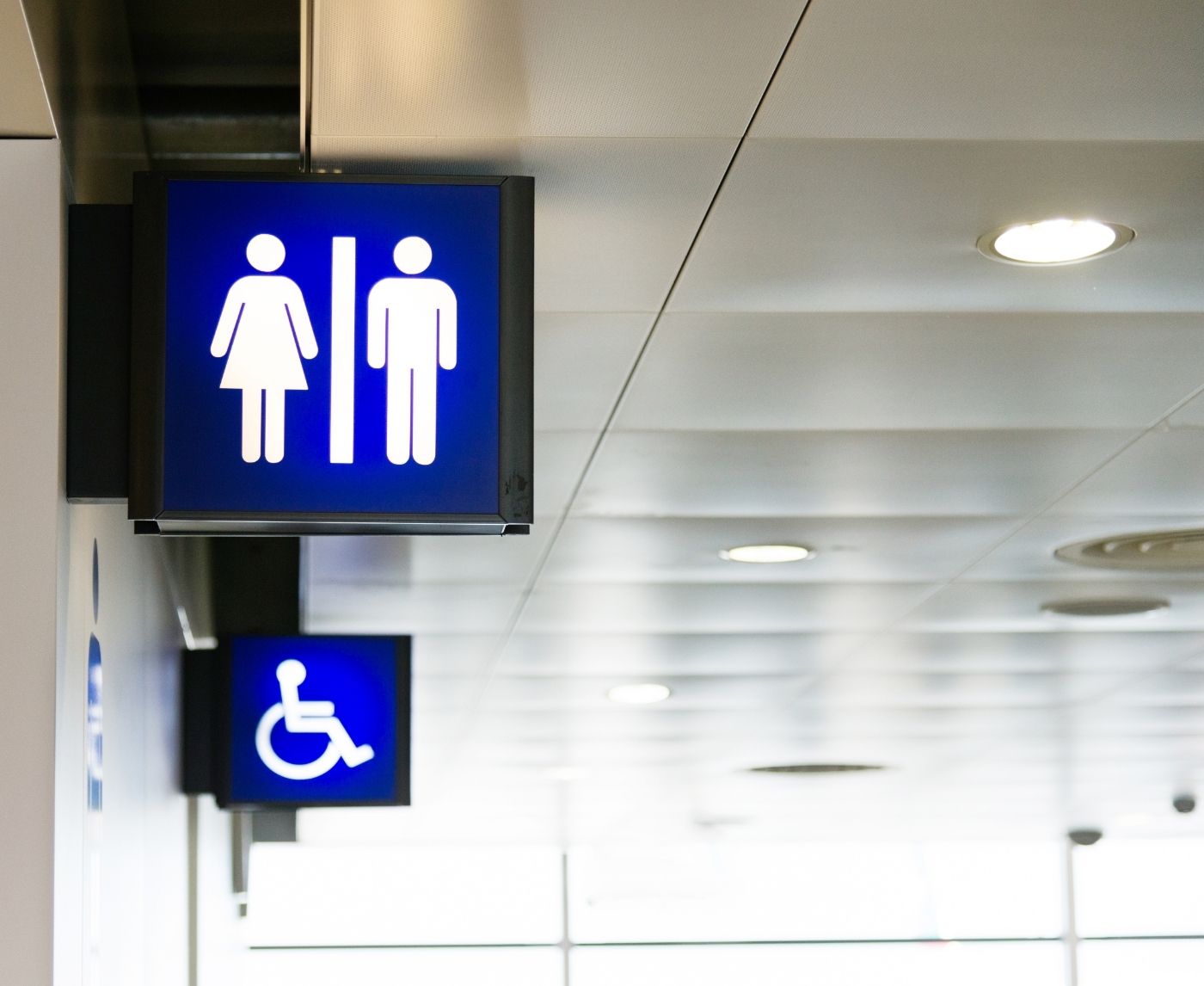
Then, can you get an STD from a toilet seat? Short answer: No. Longer answer: Extremely, extremely, extremely unlikely.
Sexually transmitted diseases, by their very nature, have specific needs in order to infect. Most STDs, including chlamydia, gonorrhea, syphilis, and herpes, need skin-to-skin contact, direct mucous membrane contact, or fluid exchange. Public toilet seats are cold, dry, and inhospitable environments for these delicate pathogens.
As documented by the CDC and the Mayo Clinic, STDs like gonorrhea and chlamydia will not survive very long outside the human body, and definitely won't grow on cold porcelain. Viruses like herpes and HPV are also not likely to be spread this way. They will not just somehow magically jump from the seat to your skin with an open wound or prolonged direct contact, which, honestly, would take some. strange bathroom practices.
In other words, short of licking the seat (please don't), your risk is zero.

Why People Still Think the Myth is True
Despite the science, the myth lingers. Why? A few reasons:
Guilt and shame: Individuals who get STDs sometimes seek other explanations, particularly if they are afraid of judgment.
Lack of education: Sex ed in most places is either antiquated or nonexistent.
Anecdotes that went awry: "My friend's cousin insists she contracted herpes from a porta-potty." They were shared, even though there was no scientific support.
Opinion sites and forums like Reddit are full of people sharing fear and confusion regarding this subject. One user wrote, "I didn't even sit on the seat, I hovered! But I still got something." The truth is that infections like UTIs or skin rashes are far more likely perpetrators in such situations, and get lumped under STDs because they manifest similarly.
The Real Bathroom Baddies
Now, just because toilet seats are not STD hotspots doesn't mean public restrooms are entirely safe. These are some of the things you can catch in public facilities if there isn't good hygiene:
- E. coli and other fecal bacteria: Often found on door handles, flush handles, and faucet knobs.
- Staph and MRSA: Cause infections of the skin, especially through cuts or scrapes.
- Norovirus: Very contagious and spreads through dirty surfaces.
- Pinworms: Especially common in schools and child-care settings.
In short, the danger isn't from STDs, it's from everything else. Wash your hands, avoid putting your hands near your face, and you'll steer clear of most of the actual dangers.
Check Your STD Status in Minutes
Test at Home with Remedium6-in-1 STD Test Kit

Claim Your Kit Today
Save 60%
 For Men & Women
 Results in Minutes
 No Lab Needed
 Private & Discreet
Order Now $119.00 $294.00
For all 6 tests
Why the Myth Matters: Real Consequences
You might think that this is just a harmless myth, but this myth has real-world consequences. People who believe that they can catch STDs from toilets might:
- Don't get tested, thinking they've been "accidentally infected"
- Dismiss symptoms, thinking they just got "a rash" from a dirty seat
- Blame others, especially in relationships, leading to issues of trust
- Fuel stigma, making it harder for others to come forward and seek treatment
One physician shared with us the story of a teenager who was too embarrassed to admit she was sexually active and maintained that she caught chlamydia from a toilet seat. This put her off getting proper treatment, and her condition worsened. Which is why it's worth debunking this myth, not just for laughs, but for public health.
What Science Actually Says
Let's see what real studies have determined:
- A study in the Journal of Infectious Diseases confirmed again that gonorrhea bacteria die within minutes on cold, dry surfaces like toilet seats outside the body.
- Herpes virus simplex only lives on dry surfaces for a short while but requires broken skin or direct mucous membrane contact to spread.
- HPV is a bit more durable but still requires prolonged contact, and casual surface transfer is not established in any peer-reviewed research.
In short, public restrooms aren’t Petri dishes of STDs, they’re just regular Petri dishes full of general bacteria and viruses. But unless you’re rubbing the seat all over yourself like a human mop, you’re fine.
Expert Insights and Firsthand Experiences
Dr. Rachel Marcus, an infectious disease specialist, once put it bluntly:
“You’d have a better chance of getting struck by lightning while using the toilet than getting an STD from it.”
Okay, perhaps that is a bit of an exaggeration, but the fact remains. Health professionals on all sides are in agreement that the risk is practically zero. And yet, they still see patients who insist their infection was contracted from a public toilet.
A 2019 Hackensack Meridian Health post explained that most patients feel embarrassed about the diagnoses of STDs and cling to the toilet-seat excuse. It's not necessarily a lie, sometimes fear, sometimes misunderstanding. But all of these reflect an underlying problem: people aren't being very well-informed on how STDs really work.
Even some doctors play along with such stories at first, just to get patients talking. "When someone says, 'I think I got herpes at a gas station bathroom,' I take the opportunity to explain to them how herpes actually is spread," said one ER doctor to Healthline. "That's more valuable than immediate correction.".
Conversely, internet forums have a tendency to reveal their shadowy aspect. On Reddit, a poster shared the experience of panicking while sitting down on clearly dirty toilet seat in a museum, and then worrying about nonexistent symptoms for weeks afterwards. Was it infectious? No. Panic. But that story? Now it's all over the internet, causing another person to think it can be done.

A Brief History of Toilet Terror
Where did this myth even come from? Well, fear of public toilets has a long history. In the early-to-middle 20th century, everyone was fixated on "social hygiene." Public health campaigns used scare tactics to control behavior, and toilet seats were representative of larger fears, specifically fears of sex, disease, and morality.
By the 1970s and 80s, urban myths spread: tales of anonymous illness, bathroom hazards, and individuals "picking something up" and not knowing why. STDs, particularly herpes and HIV, were not well explained, so they became the bogeymen of public restrooms.
Coupled with pop culture iconography (who can forget that one TV show character who toted toilet seat covers around?) and lo and behold, everybody was terrified to touch anything in a restroom.
Now we have improved science, but the legend persists. Once it's in the public imagination, it adheres, like gum on a seat.
Looking Ahead: The Future of Public Bathroom Safety
Public bathrooms are getting cleaner, believe it or not. Post-pandemic, hygiene standards improved in many places. You’ll find more touchless fixtures, hand sanitizer stations, and better ventilation, all of which help minimize actual transmission risks. Meanwhile, urban design trends now prioritize clean, accessible restrooms.
But we can also anticipate at-home STD testing to play an ever larger part in shattering myths like this one. As more people become comfortable with private self-testing kits, they will be more likely to seek out real answers instead of urban myths.
Public health campaigns are evolving as well. Instead of fear tactics, they're now accessibility, simplicity, and reducing shame about testing, i.e., fewer people looking to blame the crappy porcelain throne.
Check Your STD Status in Minutes
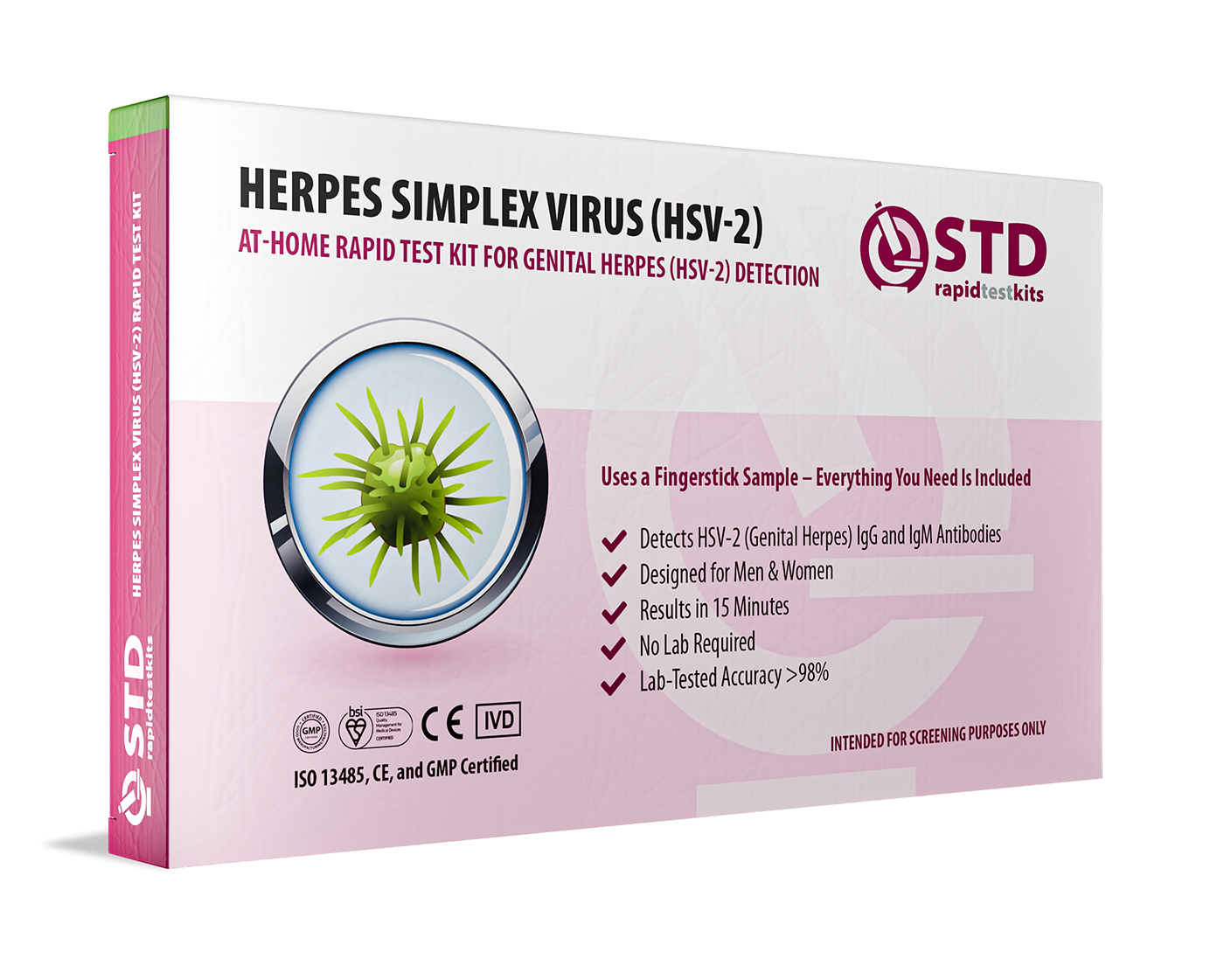
Test at Home with RemediumGenital Herpes Test Kit
Claim Your Kit Today
Save 6%
For Men & WomenResults in MinutesNo Lab NeededPrivate & DiscreetOrder Now $45.99 $49.00
Everyday Advice: What to Do (and Not Do)
What to do
- Wash your hands thoroughly with soap and water.
- Don't touch your face after you've washed your hands.
- In case there is no handle guard, open the door using a paper towel.
- If you worry about germs, use a wipe or cover the seat, not due to STDs, but because germs such as E. coli can live there.
What not to do
- Don't panic if you miss hovering.
- Don't assume you've got an infection due to a rash, most skin issues are unrelated.
- Don't skip STD testing because you're embarrassed or scared.
How Public Toilet Myths Impact Healthcare and Society
Such myths can be amusing, but they have consequences for public trust. If individuals believe that STDs are inevitable or that they spread "at random," they're less concerned with prevention.
Worse still, they may stigmatize others, forgo protection, or procrastinate about seeking treatment.
In medicine, these myths also cost precious time. Physicians spend some of the visit debunking myths before addressing actual risks, such as unprotected sex or needle sharing.
And public health campaigns rely on accurate information. The longer myths like this exist, the more difficult it is to get people tested, treated, or open and honest about sexual health.
FAQs
1. Can you catch an STD by sitting on a public toilet seat?
Nope. Most STDs can't survive for long on dry surfaces such as toilet seats. You're in the clear.
2. What about if there are body fluids on the seat?
Still very unlikely. Infection would require direct contact with broken skin or mucous membranes, and even that, the disease-producing germs typically die quickly outside the body.
3. Can herpes be found on toilet seats?
Technically, for a very short second. But it would still require special, direct contact with genitals or broken skin to infect. No reported cases have been linked to toilet seats.
4. Can you get chlamydia or gonorrhea from a public toilet?
No. These bacteria are not very durable outside of the body and can't survive long enough to infect you on a toilet seat.
5. Can I get diseases from a public restroom?
Yes, but they're not STDs. Think about bacteria like E. coli, norovirus, and staph. Wash your hands, it's your best defense.
6. Can toilet seat covers protect me from disease?
They might be of some use, and may be useful against bacteria or grime, but are not necessary for STD prevention.
7. What about HPV, can it be transmitted through a toilet?
HPV is more resilient than other STDs, but does require direct skin-to-skin contact. No studies confirm transmission through toilets.
8. I have a rash after using a public restroom, should I worry?
Not necessarily. Rashes can be caused by irritation, allergies, or other non-STD causes. However, it's a good idea to get checked out by a doctor.
9. How do I guard myself in public restrooms?
Simple precautions: wash your hands, avoid touching your face, use paper towels when grabbing door handles. That's it.
10. Where do I get tested if I'm worried about STDs?
You can visit your neighborhood health clinic, a private physician, or even purchase an at-home STD test kit online. Most are fast, discreet, and accurate.
Moving On With Confidence (and Clean Hands)
Let's recap: No, you're not getting gonorrhea from the gas station restroom. No, herpes isn't lurking on the mall bench. And yes, you can definitely breathe a little easier the next time nature calls in public.
But not because we discard valid health anxiety. What do we worry about? Unprotected sex, overdue testing, or waiting too long to get examined. Public health starts with school, and perhaps, just possibly, with fewer hysterics on the toilet.
If you are worried about a symptom or wish to be reassured, take an active move:
- Talk with your healthcare practitioner
- Buy an at-home STD test kit
- Go see your local clinic
- Pass this article on to help spread facts, not fear
Because the more we discuss sexual health openly, the fewer myths we'll have to debunk.
Sources
1. Can You Get Diseases From a Toilet Seat? - UAMS Health
2. Can You Get an STD from a Toilet Seat? - Hackensack Meridian Health
3. Genital Herpes: Can You Get It from a Toilet Seat? - Mayo Clinic
4. Medical Mythbuster: Can You Really Get an STD From a Toilet Seat? - Reliant Medical Group
5. Can You Get an STD From a Toilet Seat? Exploring the Myth - Evvy


