






I Only Had Oral Sex, Do I Still Need an STD Test?
Let's say you just had oral sex and you're now in your bedroom, desperately surfing through hundreds of forums, articles, and forum threads. You're anxious because you heard mixed accounts: some said spitting out semen will decrease your risk for STDs, while others claimed it's not an issue. What about swallowing, is that more dangerous? The uncertainty is suffocating.
In this thorough guide, we're going deep into the oral sex STD dangers, busting spitting vs. swallowing myths, and providing plain, straightforward tips on how to keep yourself safe and in the know. We'll go over the benefits, drawbacks, recommended solutions, and even demystify some popular myths so you can be sure of your sexual health.
Oral Sex and STD Risks
First, let's dispose of one huge misunderstanding: oral sex isn't safe. True, oral sex is typically less likely to transmit STDs than vaginal or anal sex, but there is certainly risk, and it occurs more frequently than most people realize.
STDs That Can Be Transmitted Through Oral Sex
Several sexually transmitted diseases can be transmitted through oral sex:
- Gonorrhea: Typically transmitted via oral sex, this bacterial infection can infect the throat, giving it a burning sensation, making it red or causing no reaction at all. Most people won't even suspect they have it.
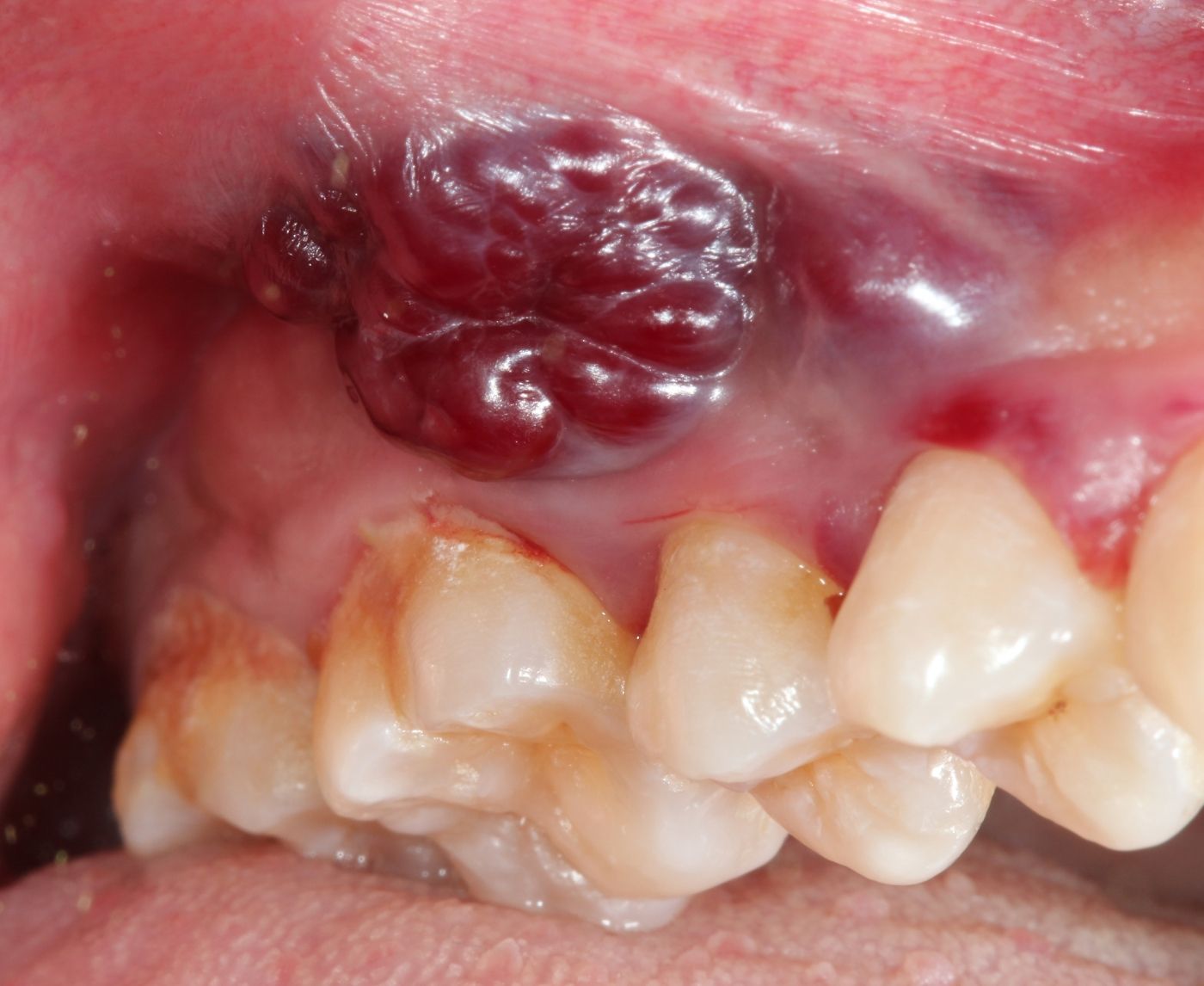
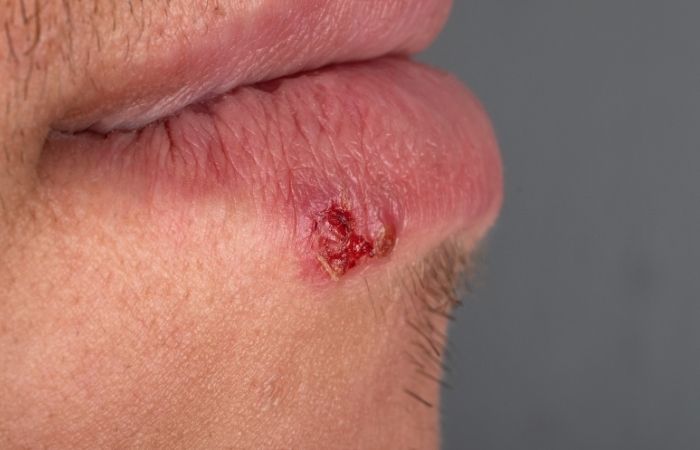
- Herpes (HSV-1 and HSV-2): Oral herpes (cold sores) can spread genital herpes to a partner, and vice versa. The virus of herpes is highly contagious in oral-genital contact, with no visible sore.
- Syphilis: Very infectious via oral sex, syphilis is growing in recent years. Symptoms initially appear in the form of painless sores, which usually go unnoticed.
- Human Papillomavirus (HPV): Some strains of HPV are spread via oral sex and result in throat, mouth, and cervical cancers. It's very common and often symptom-free.
- Chlamydia: Less common orally, chlamydia is infectious to the throat and transmittable via oral-genital sex, perhaps without any symptoms at all.
- HIV: Infrequent via oral sex, HIV can nonetheless be transmitted, especially where cuts, sores, or bleeding gums are present.
Spitting vs. Swallowing: Does It Influence Risk?
When it is spitting and swallowing involved, some wonder if risk for STD varies. The reality is a bit more nuanced:
Spitting out semen following oral sex may reduce the risk of infection somewhat, as swallowing would leave you longer in contact with potentially infectious fluids. But this risk reduction is negligible. By the time semen has reached your mouth, exposure has already taken place.
Swallowing semen modestly raises the risk of infection from gonorrhea, chlamydia, and HIV if the semen has blood in it, or in the presence of open sores or cuts around the mouth and throat.
Even so, the risk difference between spitting and swallowing isn't great enough to provide significant protection against STDs. Contact with infected fluids really happens at the site of initial contact, and not just via ingestion.
Why It Matters to Learn About Oral STD Risks
When other people talk about oral sex, they tend to skate over the fact that it has health implications. But come on, learning about the facts won't kill the moment. In fact, it gives you the confidence to get down without getting hurt. Being aware of how STDs are transmitted during oral sex, spitting, swallowing, or even just skin contact, has some real benefits.
That's how being well-informed pays off:
- You make healthier decisions. If it's possible you can catch herpes or HPV with oral sex, that may be why you start using dental dams or condoms on a regular basis. It is not fear , it's self-empowerment.
- You look after others as well. If you do know you have a risk of getting infected, you will then be more willing to take that test, which benefits your past and future sex partners tremendously. That's responsible and sexy.
- You catch things early. Most oral STDs are asymptomatic. But if you have some idea of what can happen, you're more likely to go get checked even when you feel fine. That means faster treatment and less permanent damage.
- You can talk about sexual health. Come on: it's easier to talk about "the good stuff" than about risk. But after you know the facts, you're in a better place to have honest, shame-free conversations with your partners.
- It can reduce anxiety. Sometimes, the unknown is scarier than the reality. By understanding how oral sex can spread infections, you’re less likely to spiral into unnecessary fear after a hookup and more likely to take practical next steps if something feels off.
Basically, knowledge doesn’t ruin intimacy, it makes it safer and less stressful. And if you’re going to be sexually active, that’s a win all around.
Check Your STD Status in Minutes
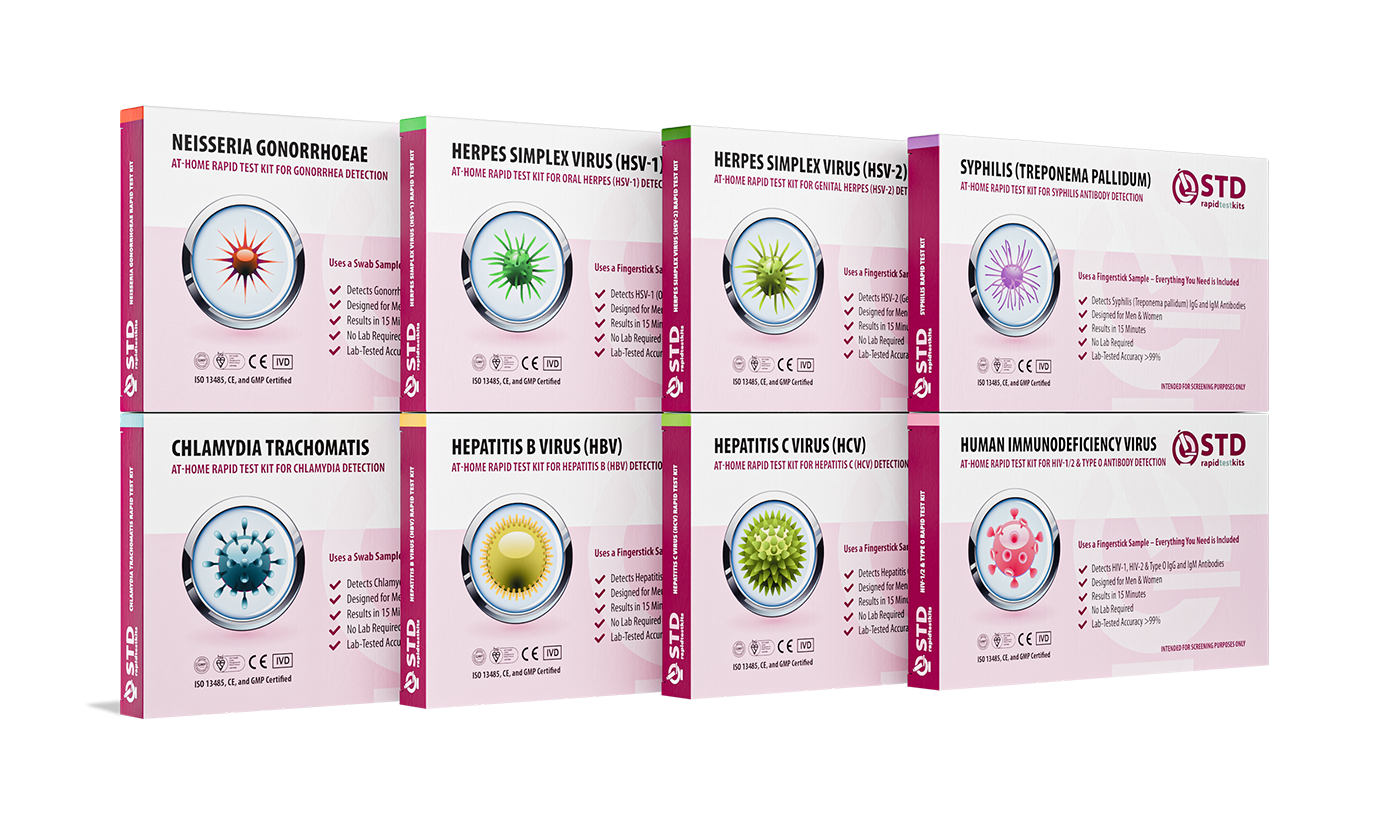
Test at Home with Remedium8-in-1 STD Test Kit
Claim Your Kit Today
Save 62%
 For Men & Women
 Results in Minutes
 No Lab Needed
 Private & Discreet
Order Now $149.00 $392.00
For all 8 tests
Challenges and Risks: Why Oral Sex Is Hard
Let's talk about the less than sexy stuff: the real challenges and risks of oral sex and STDs. Even normally cautious people forget sometimes that oral sex has its own risks.
Misconceptions make things worse.
People have a tendency to believe that oral sex isn't "at risk." That perception creates less talk about protection, fewer people getting tested, and more undiagnosed infections spreading.
The majority of oral STDs are without symptoms.
You can have chlamydia, gonorrhea, or even syphilis in your throat and not realize it. That means you could unknowingly pass it to someone else, or get it from someone who has no idea they're infected.
Protection is less usual.
Let's face it: how many people actually wear condoms or dental dams during oral sex? For too many, the response is "not that often." Oral sex's casual nature facilitates neglect of protection, particularly during spur-of-the-moment sex.
Both spitting and swallowing involve exposure.
As we mentioned earlier, the idea that spitting and swallowing are respectively harmless and lethal is only half. Either way, body fluids are encountered. Even if one does not ejaculate, pre-ejaculate still carries infections. So exposure regularly happens long, long before making that choice.
Risk of HIV infection, although rare, does exist.
Even though the chances of getting HIV from oral sex are lower than from vaginal or anal sex, they are not zero. If you have cuts, sores, gum infections, or another STD, which weakens the body's defenses, you have an increased risk.
Shame and stigma block progress.
Many people shudder just mentioning oral sex, let alone risks or testing. That silence keeps people in the dark and makes it increasingly hard to turn safe practices into the norm.
Alcohol and spontaneity come into play.
Oral sex often happens under less formal, last-minute circumstances, maybe while using alcohol or drugs. That makes people less likely to practice preventive measures.
Knowing these challenges isn't a matter of frightening people, it's about taking the mystery out. The aim is to have your sex life with as little regret and as much self-assurance as possible.

How to Reduce Your Risk
Now that we've got the risks out of the way, let's discuss how to actually be safer having oral sex. Whether you're giving, receiving, spitting, or swallowing, there are simple things you can do to reduce the risk of contracting or transmitting an STD.
Use protection (seriously)
We understand that it's not the most exciting thing to reach for a condom or dental dam when the heat is on and things are getting heavy, but trust us, it's worth it. Latex barriers can stop the spread of most STDs, such as HIV, herpes, syphilis, and gonorrhea. They even come in flavors now, just sayin'.
Know your (and your partner's) status.
If you are sexually active, you should get regular STD tests even if you are healthy. You should also urge your partner to do the same. If either of you has not had a test recently, wait until you both get cleared before engaging in oral sex.
Examine your mouth
Bleeding gums, cuts, or sores on your mouth? You're at greater risk of infection, and so is your partner. Hold off on oral sex until your mouth has healed.
Avoid oral sex during outbreaks
If you or your partner have herpes sores or STD symptoms, skip oral sex entirely until treatment is complete and it's been cleared by a physician.
Don't skip HPV vaccines
HPV is incredibly common and spreads easily through oral sex. The HPV vaccine (like Gardasil) is available to people of all genders and significantly reduces the risk of developing HPV-related cancers.
Choose communication over assumptions
Being clear about boundaries and protection might not sound sexy, but neither is a surprise throat infection. A quick conversation can go a long way.
Test at home if you’re uncomfortable
Don't like going to the clinic? Use an at-home STD test kit for a fast, discreet method of testing your status. It's a godsend for those who feel embarrassed or anxious about being tested in a clinic setting.
These easy habits can protect your well-being and your sanity, no awkward clinic trips or frazzled Googling required.
Check Your STD Status in Minutes
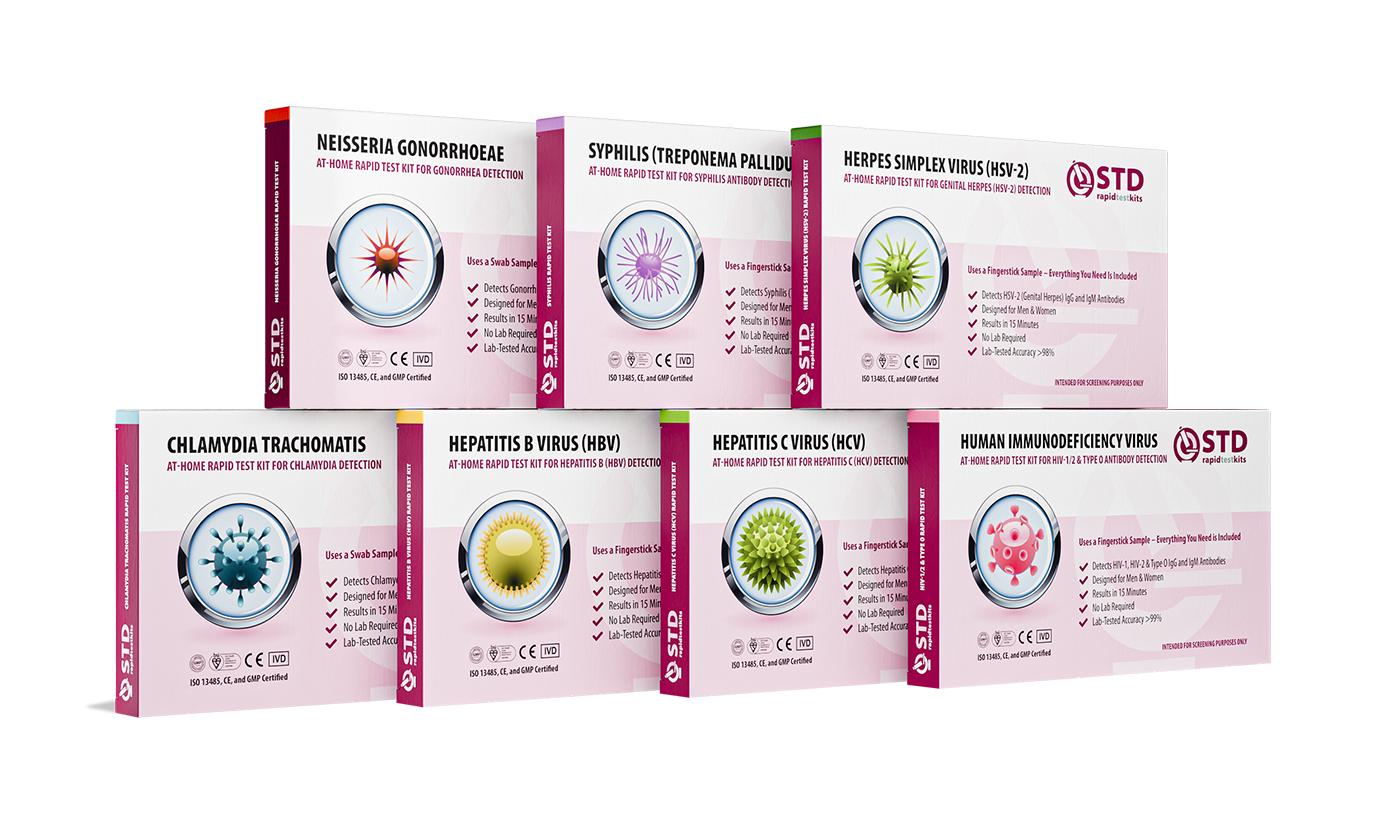
Test at Home with Remedium7-in-1 STD Test Kit
Claim Your Kit Today
Save 62%
For Men & WomenResults in MinutesNo Lab NeededPrivate & DiscreetOrder Now $129.00 $343.00
For all 7 tests
Statistical Insights: What the Numbers Say
Let's support it all with some tough facts. Surveys and studies have spelled it out loud and clear: oral sex is more dangerous than most people are aware of.
- 1 in 10 people infected with oral gonorrhea is symptomatic. That leaves 90% of them possibly not even aware that they're infected, and may inadvertently pass it along. (CDC)
- HPV is the most common STD on the globe, and over 70% of sexually active adults will contract it sometime in their lives. Oral contact transmits most of these infections. (WHO)
- Research in The Lancet in 2022 found that orals significantly raise the risk of oropharynx gonorrhea, especially in those with more than one sex partner or those who have no protection.
- Syphilis cases have increased by over 70% in the last decade in the U.S., and most of these are related to oral-genital contact. (CDC)
- Per the Journal of the American Medical Association (JAMA), oral sex is a significant source of new syphilis and gonorrhea infections, particularly among young adults.
- The risk of HIV transmission from oral sex is low (less than 1%), but extremely high if there are sores, cuts, or other STDs in the mouth. (Mayo Clinic)
What these figures tell us is clear: although oral sex isn't as risky as penetrative sex in some cases, it's really not safe. And the fact that most oral STDs are asymptomatic just adds to the danger.
FAQs
1. Can you get an STD from getting oral sex?
Yes, absolutely. Gonorrhea, herpes, HPV, syphilis, and even HIV can be transmitted from a partner to the oral sex giver, especially when protection is not used.
2. Is spitting safer than swallowing?
Spitting may lower the risk of infection somewhat less than swallowing semen, but most exposure happens as soon as semen is in your mouth. Neither option eliminates the risk.
3. What does an oral STD look like, or feel like?
Some people have sore throats, redness, or tiny sores, but many oral STDs are symptom-free. That's why you should get tested regularly.
4. Is it possible to get herpes from someone with no visible sores?
Yes. Herpes is contagious even in the absence of sores because of viral shedding. That's some of what makes it so prevalent.
5. What is the best way to protect oneself against oral STDs?
Use a condom or dental dam, have regular testing done, avoid oral sex when having outbreaks or when cuts are there, and vaccinate against HPV.
6. Is it okay to give oral sex to an HIV-positive person?
There is less risk than with vaginal or anal sex, but it's not zero. With protection and no contact with blood (even from gums or sores), the risk is dramatically decreased.
7. Can mouthwash kill STDs in the throat?
Nope, mouthwash may clean your breath, but it will not prevent or cure STDs. Only legitimate medication that has been prescribed by a health professional will be effective.
8. Are at-home STD tests accurate for oral infections?
Some over-the-counter test kits screen for oral infections by swabbing your throat. Use a good source and follow instructions exactly for accurate results.
9. Do all doctors screen for oral STDs as a matter of course?
No. You typically need to ask for a throat swab or oral exam specifically. Be honest with your doctor about your sex life.
10. What if I'm too embarrassed to talk to my doctor about it?
You don't have to do it by yourself, and that's why there are home testing kits. They're easy, straightforward, and can enable you to be in control of your sexual health without awkward talk.

Stay Safe, Stay Smart: Why It's Worth Talking About
We all know, talking about oral sex and STDs makes us all squirm. But the thing is, being quiet does infinitely more bad than good. The risk is quite real, but it's also manageable. Swallowing or spitting, using protection or not, it really only comes down to being informed, getting checked out, and taking care of yourself and your partners.
You deserve pleasure and peace of mind. Safe sex doesn’t have to mean boring sex, it just means being smart and prepared. Concerned about your sexual health? Order our discreet at-home STD test kits today and take charge of your well-being.
Sources
1.- Doctor warned against downplaying HIV risk from oral sex (Reddit)
2.- CDC: STI Risk and Oral Sex
3.- Mayo Clinic: STDs - Symptoms and Causes


