
Published: November 2025 | Last updated: May 2026 | Editorial review and quality control: Martina N.
Most vaginal discharge is your body doing exactly what it is supposed to do. The cervix, the vaginal walls, and the Bartholin's and Skene's glands produce a small amount of fluid every day to flush out old cells, maintain a healthy bacterial balance, and keep vaginal pH in its protective acidic range (3.8 to 4.5). Color, volume, and texture all shift through the menstrual cycle, and most of those shifts are normal.
The trouble starts when something changes that does not match the cycle pattern: a yellow tint that was not there before, a frothy texture, a fishy smell that intensifies after sex. Three signals tend to separate normal cyclical variation from something that needs attention: an unusual smell, an unusual color, and accompanying symptoms like itching, burning, or pain. One signal alone can be a fluke. Two signals together is the threshold most clinicians use to recommend testing rather than watching and waiting. This guide walks through what each discharge color signals, which infections are most likely behind a change, and exactly when at-home rapid testing makes sense.
This article is published by stdrapidtestkits.com, which sells at-home STI testing kits. We recommend products based on fit-for-purpose for the reader's concern, not commercial benefit. Our trichomoniasis and HPV swabs are validated for vaginal self-collection only; male readers needing those tests should see a clinic.
Key takeaways
- Color alone does not diagnose anything: yellow can mean chlamydia, gonorrhea, or BV, and the only reliable way to tell them apart is to test.
- Most chlamydia and gonorrhea infections in women are silent (no discharge change at all), so normal-looking discharge after a new exposure is not the same as being clear.
What normal vaginal discharge looks like
Healthy discharge is clear to white or slightly off-white, odorless or very mildly scented, and changes texture across your cycle. Around ovulation it tends to be watery and stretchy, like raw egg white, because rising estrogen signals the body is preparing for possible fertilization. In the days before a period, discharge typically thickens and turns whiter or off-white. Right after a period, you may notice very little at all. Sexual arousal and pregnancy both increase volume, and certain hormonal contraceptives can do the same. None of this is abnormal.
Vaginal pH is kept acidic (3.8 to 4.5) by Lactobacillus species that crowd out infection-causing organisms. Around menopause, falling estrogen reduces secretions and can make tissue feel dry. Hormonal contraception can flatten cycle-to-cycle volume changes. The NHS guide on vaginal discharge describes these shifts as part of normal reproductive physiology rather than disease.
The practical decision rule: mild-smelling discharge with no itching and no off-color is almost always cycle variation, even if volume or texture shifts. A single off-color day or a slightly stronger smell on its own is often a fluke that resolves. Two signals together (a fishy smell plus a gray color, or itching plus a thick cottage-cheese texture) is when watchful waiting turns into a reason to test. Three signals stacked at once means do not wait. Some of the infections most likely to drive those changes are also the most likely to produce no symptoms at all, which is why testing matters even when something feels minor.
Cycle-phase discharge baseline
- Around ovulation (mid-cycle): clear, stretchy, slippery, like raw egg white. Volume usually higher.
- Days before a period (luteal phase): thicker, creamier, white or off-white. Volume moderate.
- Right after a period: minimal volume, occasional brown spotting from residual old blood.
- During sexual arousal or pregnancy: temporarily heavier, still clear-to-white and mild-smelling.
White discharge: normal until it isn't
White is the most common discharge color and, most of the time, the least concerning. Thick, creamy white discharge that appears in the days before a period and has no accompanying odor or irritation is part of the luteal phase. Luteal-phase white discharge is hormonal, healthy, and not a cause for concern.
The white discharge that deserves attention looks distinctly different. Thick, clumpy, cottage-cheese-textured white discharge with intense itching, burning, or vulvar swelling is the classic presentation of a yeast infection (vulvovaginal candidiasis). Yeast infections are not sexually transmitted; they happen when Candida fungi overgrow because something has disrupted the microbiome balance. Common triggers include recent antibiotics, pregnancy, uncontrolled diabetes, hormonal contraception, or even a few days of damp swimwear and tight synthetic underwear. The discharge is characteristically odorless, which is what distinguishes it from bacterial vaginosis.
Thin, watery white discharge with a fishy odor that intensifies after sex is the hallmark of bacterial vaginosis. BV can occur in women who have never had sex, so it is not classified as an STD; the connection to sexual activity runs through microbiome disruption rather than pathogen transmission. New sexual partners, unprotected sex, and douching all shift the vaginal bacterial balance and let anaerobic bacteria outcompete the protective Lactobacillus species. The CDC's bacterial vaginosis page identifies BV as the most common vaginal condition in women aged 15 to 44, and a 2025 updated StatPearls review describes it as the most prevalent vaginitis in women of reproductive age. The discharge is usually thin and gray-white rather than thick.
Yeast infection (candidiasis): thick, white, cottage-cheese texture; typically odorless; intense itching, burning, or vulvar swelling. Not sexually transmitted.
Bacterial vaginosis: thin, gray-white, watery texture; distinctive fishy odor that intensifies after sex; mild itching at most. Linked to sexual activity through microbiome disruption rather than pathogen transmission.
The smell is the single most reliable distinguishing feature: odorless points toward yeast, fishy points toward BV.
Yellow discharge: the color that needs context
Yellow is where many women panic unnecessarily, and where some miss something important. Pale yellow discharge with no smell and no other symptoms (particularly at certain points in your cycle) can fall within the normal range. Discharge that is clearly yellow, has a noticeable odor, or comes with any other symptom is a different matter.
The two most common STD-related causes of yellow discharge are chlamydia and gonorrhea. Both are bacterial infections that can produce a yellowish or greenish-yellow discharge from the vagina or cervix. Both are also frequently silent: the CDC notes that abnormal discharge, bleeding between periods, and burning urination are among the symptoms that can appear when symptoms appear at all, though most infections produce no symptoms.
Trichomoniasis, a parasitic STD that is more prevalent in the United States than gonorrhea and chlamydia combined, also commonly produces yellow discharge, often described as frothy or bubbly with a particularly unpleasant fishy odor. The CDC reports that about 70% of people with trichomoniasis have no symptoms, which makes it easy to carry and transmit unknowingly. When symptoms do show up, they typically include yellow-green frothy discharge, vaginal odor, itching, and discomfort during urination or sex.
| Appearance | Likely Cause | Other Symptoms to Look For |
|---|---|---|
| Pale yellow, no odor, no symptoms | Possibly normal (cycle-related) | None; monitor only |
| Yellow, slight odor, thin texture | Bacterial vaginosis | Fishy smell, mild itching |
| Yellow or greenish, cloudy | Chlamydia or gonorrhea | Often no symptoms; possibly pelvic pain or burning urination |
| Yellow-green, frothy, strong odor | Trichomoniasis | Itching, soreness, pain during sex or urination |
What does my discharge color mean?
Clear or white discharge with no smell is normal. Thick, cottage-cheese-textured white discharge with intense itching is usually a yeast infection. Thin gray-white discharge with a fishy smell is bacterial vaginosis. Yellow or cloudy discharge often points to chlamydia or gonorrhea. Yellow-green frothy discharge with a strong odor is the classic trichomoniasis presentation. Green discharge is never normal and should be tested. Brown discharge is almost always old blood, related to the start or end of a period.
Green discharge: take this one seriously
Green vaginal discharge is not normal. There is no plausible non-infectious explanation for it, and it almost always points to a bacterial or parasitic infection. The two most common culprits are trichomoniasis and gonorrhea. Trichomoniasis tends to produce a frothy, foul-smelling green or yellow-green discharge; the frothiness comes from gas the parasite produces during its metabolism. Gonorrhea typically produces thicker, cloudier green discharge in greater volume.
Gonorrhea is worth flagging because it is increasingly resistant to antibiotics. The World Health Organization has flagged it as a serious antimicrobial resistance concern globally, with some strains now resistant to multiple antibiotic classes. Earlier detection means more treatment options remain viable, since gonorrhea resistance narrows the antibiotic choices available.
Green discharge can occasionally appear with BV, though the classic BV presentation is gray-white. Green discharge with pelvic pain, fever, or bleeding between periods warrants same-day clinical evaluation, not just a home test, because pelvic inflammatory disease (a serious complication of untreated chlamydia or gonorrhea) presents with that exact combination.
The combination of green discharge, pelvic or lower-abdominal pain, fever, or bleeding between periods can indicate pelvic inflammatory disease (PID). PID develops when an untreated infection like chlamydia or gonorrhea spreads from the cervix into the uterus and fallopian tubes, where it can cause permanent scarring and infertility. This is one situation where a clinic visit (not an at-home test alone) is the right call.
Gray discharge: almost always BV
Thin, grayish or gray-white discharge with a distinctive fishy odor that gets stronger after sex or during menstruation is almost always bacterial vaginosis. BV happens when anaerobic bacteria overgrow in the vagina, displacing the Lactobacillus species that normally dominate. As the protective acidic pH shifts upward, the vaginal environment becomes less hostile to incoming pathogens and that characteristic odor develops.
BV is not classified as an STD. The connection to sexual activity runs through microbiome disruption: new sexual partners, unprotected sex, and douching all shift the vaginal bacterial balance in ways that favor BV. But BV can also develop without any new sexual contact at all. Antibiotics, hormonal changes, scented soaps, and even cigarette smoking can disrupt the Lactobacillus balance enough to trigger it. A BV diagnosis is not, on its own, evidence that a partner has cheated.
The downstream risk is what makes BV worth treating promptly. The disrupted vaginal microbiome reduces protective capacity, so BV significantly raises the risk of acquiring an STD (including HIV) if you are exposed. Untreated BV in pregnancy is associated with preterm birth and low birthweight. Symptomatic BV is treated with prescription metronidazole or clindamycin, oral or vaginal. The diagnosis itself comes from a wet-mount microscopy and vaginal pH check at a clinic; BV is not on the at-home rapid-test menu.
BV is also extremely common, often asymptomatic, and highly recurrent. Many women treat one episode with antibiotics, feel fine for a few weeks, and then find themselves back in the same situation. Probiotic evidence for preventing recurrent BV is mixed; a trial of a Lactobacillus rhamnosus or reuteri product after a course of antibiotics is reasonable as a complement to clinical evaluation, but it does not replace the diagnostic workup a clinician can do. If recurring gray discharge and fishy odor sounds familiar, that pattern is worth discussing with a healthcare provider rather than repeating antibiotic courses indefinitely.
BV is more likely after any of the following, all of which disrupt the vaginal microbiome:
- A new sexual partner or multiple recent partners
- Unprotected sex (semen shifts vaginal pH upward)
- Douching or scented vaginal washes
- A recent course of antibiotics
- Cigarette smoking
BV reduces the vaginal microbiome's protective capacity, which raises the risk of acquiring an STD (including HIV) if you are exposed. That is why testing for STDs alongside BV after a new sexual encounter is the safer call.
Brown discharge: usually old blood, occasionally something more
Brown discharge triggers more alarm than it almost ever deserves. In the vast majority of cases, brown discharge is simply old blood. Blood that takes longer to exit the body oxidizes as it travels, turning darker shades of red, rust, and eventually brown. This happens to most women at some point in their cycle.
Brown discharge at the start or end of a period is one of the most common experiences in reproductive health: as the uterine lining starts or finishes shedding, flow slows and blood has more time to oxidize before it exits. Light brown spotting mid-cycle can also occur around ovulation in some women. Early pregnancy is another common cause: implantation bleeding, which occurs when a fertilized egg attaches to the uterine lining (typically 6 to 12 days after conception), often appears as light pink or brown spotting rather than red. If you have had recent unprotected sex and notice light brown spotting around the time your period would be due, a pregnancy test is a reasonable first step.
| When It Appears | Most Likely Cause | Action |
|---|---|---|
| Start or end of period | Old blood from uterine shedding (normal) | No action needed |
| Mid-cycle, brief and light | Ovulation spotting (normal) | Monitor; no action if it resolves quickly |
| Around expected period date, after unprotected sex | Possible implantation bleeding | Take a pregnancy test |
| Between periods, recurring or persistent | Hormonal imbalance, cervical irritation, STD-related spotting | See a provider; consider STD test if sexually active |
| Repeatedly after sex | Cervical inflammation, possible STD (chlamydia, gonorrhea) | Test for STDs; see a provider |
| Postmenopausal, any amount | Atrophy, polyps, or rarely cancer | See a provider promptly |
When brown discharge warrants attention
The brown-discharge situations that genuinely warrant evaluation are fewer but important to know. Persistent brown discharge between periods, happening regularly outside your normal cycle pattern and not explained by ovulation or a new contraceptive, deserves a gynecological check. The same applies if brown discharge comes with pelvic pain, an unusual odor, or fever. Foul-smelling brown discharge in particular can indicate an infection rather than simple old blood.
Brown spotting after sex, especially repeatedly, is also worth taking seriously. Light post-sex bleeding (which can appear brown if minimal) is often caused by cervical inflammation, and two of the most common STD-related causes of cervical inflammation are chlamydia and gonorrhea. Neither typically produces brown discharge as a primary symptom, but both can leave the cervix more fragile and prone to bleeding on contact.
For postmenopausal women, the calculus changes entirely. Any vaginal bleeding or brown discharge after menopause, even a tiny amount, deserves prompt clinical evaluation. In most cases the cause is benign (vaginal atrophy, polyps, hormonal changes), but endometrial cancer presents this way when it does occur, and early detection significantly changes outcomes.
The STDs most likely to change your discharge
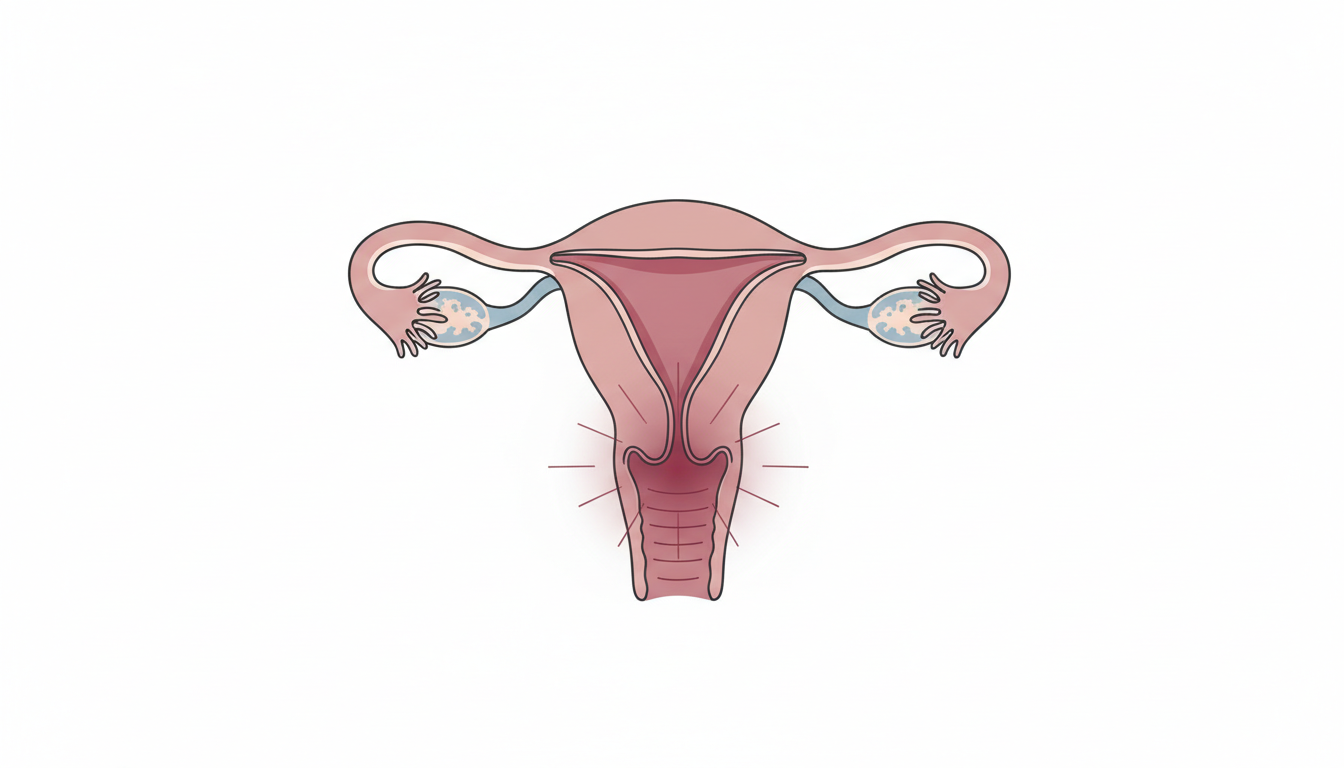
Three infections account for most STD-related discharge changes in women: chlamydia, gonorrhea, and trichomoniasis. Each has a characteristic presentation, and each is also frequently silent.
Chlamydia is the most commonly reported STD in the United States, and the CDC states that most women with chlamydia have no symptoms. The reason is biological: Chlamydia trachomatis bacteria infect the columnar epithelial cells of the cervix, where they replicate inside cells without triggering the inflammatory response that produces obvious pain. When discharge changes do appear, they typically present as increased volume and a yellow or cloudy color within 1 to 3 weeks of infection. Untreated chlamydia can ascend into the uterus and fallopian tubes, where the inflammation (pelvic inflammatory disease) causes fibrous scarring of the tubal walls. That scarring narrows the tube lumen, interferes with egg transport, and is a leading preventable cause of infertility and ectopic pregnancy. Treatment is a week of doxycycline, prescribed by a clinician after lab confirmation. The infection is fully curable when caught early.
Gonorrhea overlaps closely with chlamydia in presentation: yellow, cloudy, or greenish discharge, possible bleeding between periods, burning urination, often nothing at all. The CDC's gonorrhea page states that most women with gonorrhea do not have any symptoms because Neisseria gonorrhoeae bacteria infect the cervical mucosa without producing enough local inflammation to register as pain. Symptoms, when they appear, develop within 2 to 5 days of exposure. Standard treatment is a single dose of ceftriaxone. Gonorrhea and chlamydia frequently coexist, which is why combination testing makes more practical sense than testing for one in isolation.
A StatPearls clinical review describes trichomoniasis as the most common non-viral STI globally, and the CDC identifies it as the most prevalent non-viral STD in the United States. Unlike chlamydia and gonorrhea, which peak in women under 25, trichomoniasis is as common in women over 40. The discharge presentation is the most distinctive of the three: yellow-green, frothy or bubbly, with a strong fishy odor. Around 70% of infections remain asymptomatic per the CDC. Treatment is straightforward, a single oral dose of metronidazole or tinidazole, with the same dose given to the partner so neither person reinfects the other.
| Infection | Typical Discharge | Asymptomatic Rate (Women) | Symptom Onset After Exposure |
|---|---|---|---|
| Chlamydia | Yellow or cloudy; increased volume | Most women asymptomatic per CDC | 1 to 3 weeks |
| Gonorrhea | Yellow, cloudy, or greenish; greater volume | Most women asymptomatic per CDC | 2 to 5 days |
| Trichomoniasis | Yellow-green, frothy, strong fishy odor | About 70% | 5 to 28 days |
Yeast and BV: the non-STD causes that are easy to miss
About 75% of women experience at least one yeast infection in their lifetime, per the U.S. Department of Health and Human Services Office on Women's Health page on vaginal yeast infections. Most are caused by Candida albicans, which lives at low levels in the normal vaginal flora until something tips the balance. The combination of intense itch plus thick white discharge is fairly specific for yeast and can usually be self-treated with an over-the-counter antifungal (clotrimazole, miconazole, or a single dose of oral fluconazole by prescription).
Bacterial vaginosis cannot be confirmed at home with a rapid antigen test. The diagnosis comes from a wet-mount microscopy and vaginal pH check at a clinic. Symptomatic BV is treated with prescription metronidazole or clindamycin. Many cases are asymptomatic and clear without treatment. The CDC encourages testing rather than self-managing recurrent BV with over-the-counter products, because untreated BV in pregnancy raises preterm-birth risk and the smell pattern is easy to confuse with trichomoniasis, which needs a different drug entirely.
A common pattern worth recognizing: many women treat what they assume is a yeast infection with an over-the-counter antifungal, feel better, and then have symptoms return weeks later. If that cycle sounds familiar, the original issue may have been BV or a low-grade STD that the antifungal never addressed.
Self-treat with an OTC antifungal if you have had a confirmed yeast infection before, are not pregnant, and have no diabetes or immune condition.
See a clinician if this is your first suspected episode (the first-time diagnosis is often wrong), you get four or more episodes a year, symptoms persist after a full OTC course, or you are pregnant. Misdiagnosed BV or trichomoniasis treated as yeast wastes time and lets the real cause progress.
HPV and cervical considerations
Persistent infection with high-risk types of human papillomavirus (HPV) causes the great majority of cervical cancers. The CDC's page on cancers caused by HPV states that more than 9 of every 10 cases of cervical cancer are caused by HPV. Most HPV infections clear on their own within one to two years and never cause symptoms. The minority that persist can, over years, cause cervical cell changes that progress to cancer if not detected through screening.
Persistent abnormal discharge in a woman who has not been screened recently, especially if it is watery, blood-tinged, foul-smelling, or accompanied by bleeding after sex or between periods, deserves a clinical exam, a Pap smear, and HPV testing. Cervical cancer rarely causes early symptoms; by the time persistent abnormal discharge develops from cervical disease, the diagnosis is usually beyond the earliest stages.
Per current ACIP guidance, routine HPV vaccination is recommended through age 26, with shared clinical decision-making about catch-up vaccination through age 45. The vaccine prevents the high-risk HPV types responsible for the bulk of cervical, anal, and oropharyngeal cancers, but regular Pap smear and HPV co-testing remain necessary regardless of vaccination status, because the vaccine covers the most common oncogenic strains rather than every strain. An at-home rapid HPV swab is available for women and detects high-risk HPV antigen from a self-collected vaginal swab. Use it as a between-screen check, not as a substitute for the Pap and HPV co-test schedule your clinician sets.
HPV vaccination and screening at a glance
- Routine HPV vaccination is recommended through age 26 per current ACIP guidance, with shared clinical decision-making for catch-up vaccination through age 45.
- Standard cervical screening: Pap plus HPV co-test every 5 years for most adults age 30 and over, or Pap alone every 3 years; younger adults follow the schedule their clinician sets.
- The at-home HPV rapid swab detects high-risk HPV antigen from a vaginal self-swab and is meant as a between-screen check, not a replacement for the Pap and HPV co-test schedule above.
Discharge during pregnancy: why it matters more
Vaginal discharge naturally increases during pregnancy. The body produces more leukorrhea, a thin, white, milky discharge that helps protect the birth canal from infection. This is normal and usually has little to no smell. The challenge is telling normal pregnancy discharge apart from an infection, because untreated STIs during pregnancy can have far more serious consequences than outside it.
Yellow, green, or gray discharge during pregnancy, especially with an unusual smell, itching, or burning, should not be assumed to be normal pregnancy discharge. Chlamydia and gonorrhea in pregnancy are linked to preterm labor, low birth weight, and neonatal infections including ocular infections and pneumonia. Trichomoniasis is associated with premature rupture of membranes and early delivery. Syphilis is the most dangerous of all in pregnancy: it can cross the placenta and cause congenital syphilis, leading to stillbirth, severe developmental damage, and neonatal death. CDC surveillance data show congenital syphilis cases have risen sharply over the past decade, underscoring how high the stakes are when prenatal screening is missed.
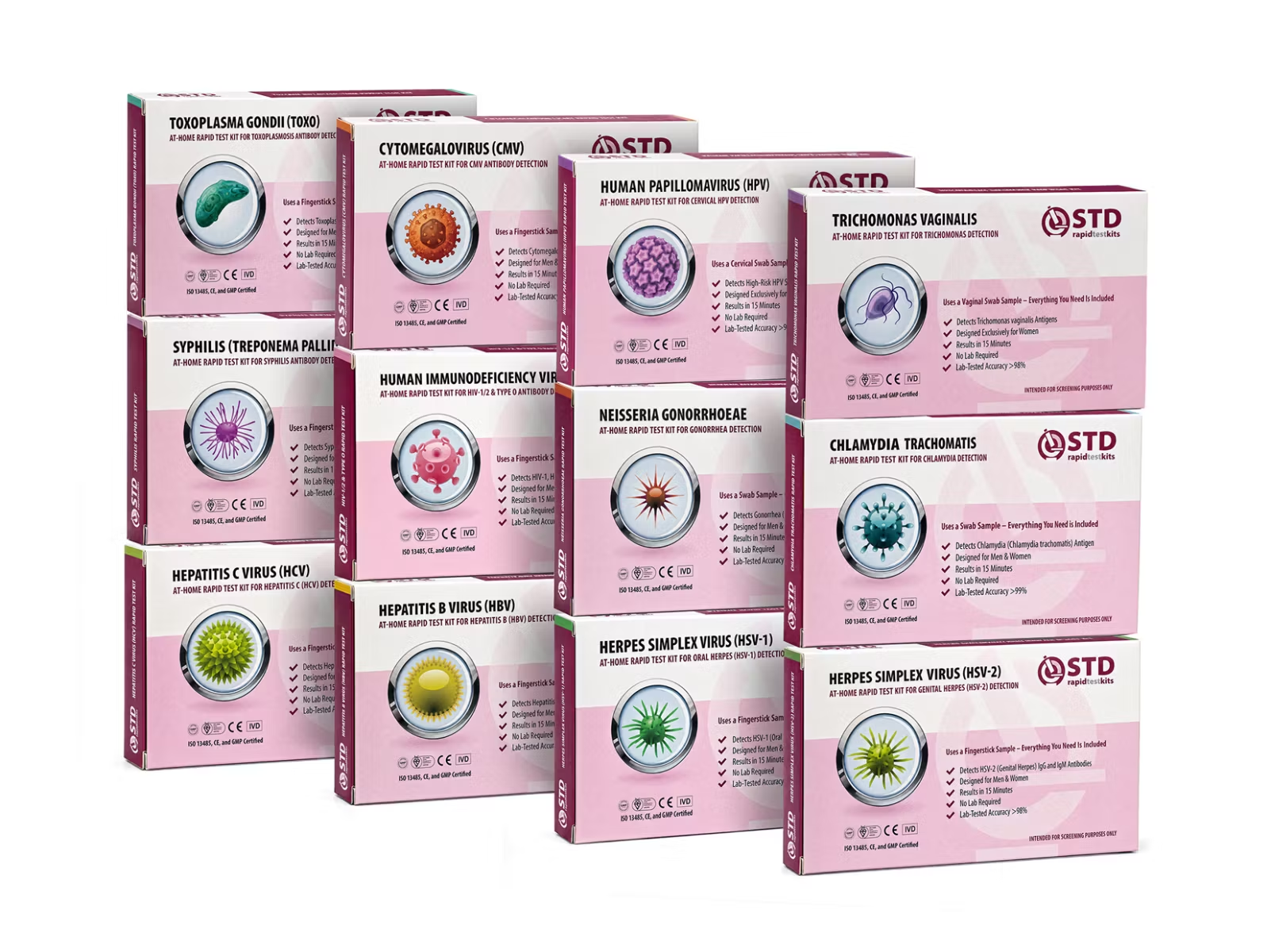
Light brown or pink spotting in early pregnancy is often implantation bleeding (normal). Persistent or odorous discharge during pregnancy warrants medical evaluation and STI testing. Standard prenatal-care guidelines recommend testing all pregnant women for chlamydia, gonorrhea, and syphilis at the first prenatal visit; at-home rapid testing is a reasonable interim step if a clinic visit is delayed. The women's combination kit below covers the panel typically ordered at that first visit, including the four infections most consequential during pregnancy.
<a href="https://www.cdc.gov/sti/" target="_blank" rel="noopener">CDC prenatal-screening guidance</a> calls for all pregnant women to be tested at the first prenatal visit for chlamydia, gonorrhea, syphilis, HIV, and hepatitis B. The reason is the consequence-of-missing-it math: untreated chlamydia and gonorrhea raise the risk of preterm labor and neonatal infection; congenital syphilis can be fatal to the newborn; vertical HIV and hepatitis B transmission are largely preventable when the diagnosis is in hand before delivery.
If a clinic visit is delayed, an at-home rapid panel is a reasonable interim step. Any positive should still be confirmed by a provider before treatment.
Discharge from the penis: why it matters even if you do not have one
Penile discharge is worth covering here because a partner's symptoms can be a useful clue when you have none yourself. Any discharge from the penis that is not normal urination or ejaculation is abnormal and warrants testing.
Chlamydia in men typically produces a clear or white, watery discharge from the tip of the penis, often with a burning sensation during urination. Gonorrhea produces a thicker, more abundant discharge that is often yellow, white, or greenish and pus-like. Trichomoniasis in men is usually mild: a clear or whitish urethral discharge with mild irritation, or no symptoms at all. Both chlamydia and gonorrhea are often silent in men too, so the absence of discharge does not exclude infection. People who have had receptive anal sex can also experience anal discharge or itching from chlamydia, gonorrhea, or herpes infections of the rectum, and current screening guidelines include extragenital sites for at-risk individuals.
Penile discharge by infection
- Chlamydia: clear or white, watery discharge from the urethral tip; often burning urination.
- Gonorrhea: thicker, more abundant discharge that is yellow, white, or greenish and pus-like.
- Trichomoniasis: usually mild or absent; clear-to-whitish urethral discharge with mild irritation when present.
- Absence of penile discharge does not exclude infection: both chlamydia and gonorrhea are frequently silent in men too.
Other less common causes worth knowing
Beyond the infections covered above, several other conditions can change discharge:
- Genitourinary syndrome of menopause. Falling estrogen after menopause thins vaginal tissue, reduces lubrication, and can cause a watery or yellowish discharge with itching or pain with sex. Topical vaginal estrogen is the standard treatment.
- Foreign body. A retained tampon, fragment of a broken condom, or piece of a contraceptive ring can cause a foul-smelling discharge within hours to days. The fix is removal, often by a clinician if it is not visible.
- Allergic or irritant contact dermatitis. Scented soaps, bubble baths, fabric softeners, latex condoms, and spermicides can irritate vaginal tissue and produce discharge plus itching that mimics an infection. Removing the trigger usually resolves it.
- Cervical ectropion. A normal anatomical variant where columnar cells from inside the cervical canal extend onto the outer cervix. It can cause increased clear discharge and light post-coital spotting, and is more common in women on the combined oral contraceptive pill.
Heavy bleeding outside your period, severe lower abdominal pain, fever above 38.5 degrees Celsius (101.3 degrees Fahrenheit), pain with urination alongside a new sexual partner in the past month, or any of the above during pregnancy should be evaluated the same day in clinic or urgent care, not at home.
How to lower the odds of abnormal discharge
Prevention falls into two buckets: protecting the vaginal flora from disruption, and protecting against sexually transmitted infections.
Protecting the flora. Skip douching; the Lactobacillus species that keep pH acidic do their job best when left alone, and douching is a known risk factor for bacterial vaginosis and pelvic inflammatory disease. Skip scented soaps, bubble baths, vaginal deodorants, and heavily fragranced wipes. The vagina is self-cleaning; the vulva needs only mild unscented soap and water. Wear breathable cotton underwear during the day, change out of wet swimwear and sweaty workout gear promptly, and wipe front to back.
Protecting against STIs. Use condoms or dental dams with new partners. The CDC recommends annual STI screening for sexually active women under 25, and at any age for women with new or multiple partners. Discuss STI status before unprotected sex with a new partner, framed as routine health hygiene rather than accusation. The HPV vaccine substantially reduces the cervical-cancer risk that comes with persistent high-risk HPV infection. Keep regular gynecological visits and Pap smears on the schedule your clinician sets.
Top prevention checklist
- Skip douching and heavily fragranced products in the vulvar area; the vagina is self-cleaning.
- Use condoms or dental dams with new partners, and discuss STI status as routine health hygiene.
- Annual STI screening if you are sexually active and under 25, or have new or multiple partners at any age.
- Wear breathable cotton underwear and change out of wet swimwear or sweaty workout gear promptly.
- Keep regular gynecological visits and Pap smears on the schedule your clinician sets.
When to test and which window applies
If you have noticed a discharge change after a recent sexual contact, the most useful thing you can do is test. Symptoms and colors overlap too much to diagnose reliably from appearance. The catch is that every infection has a detection window: a minimum number of days or weeks that must pass after exposure before a test can reliably detect it. Testing too early produces an unreliable negative that can give false reassurance. The windows below apply to home rapid lateral-flow tests using the same sample-collection approach as clinic screening.
| Infection | Test From |
|---|---|
| Chlamydia | 14 days after exposure |
| Gonorrhea | 3 weeks after exposure |
| Trichomoniasis | 5 to 28 days after exposure |
| Syphilis | 6 weeks after exposure |
| HIV (1 & 2) | 6 weeks first indicator; retest at 12 weeks for certainty |
| Herpes (HSV-1 & HSV-2) | 6 weeks after exposure |
| Hepatitis B | 6 weeks after exposure |
| Hepatitis C | 8 to 11 weeks after exposure |
What our home rapid kits can and cannot do
The rapid test kits referenced in this article are sold by this site; positive results should be confirmed with a lab test and a clinical provider before beginning treatment. Our at-home tests are rapid lateral-flow immunoassays. They use the same vaginal-swab or fingerstick blood-draw approach used in clinics, deliver results in roughly 15 minutes, and have high reported specificity (false positives are rare). They are screening tools designed to flag infection at home; lab NAAT and PCR tests have higher analytical sensitivity and remain the gold standard for confirmation. A negative result inside the correct window period, with no ongoing symptoms, is genuinely reassuring without being definitive.
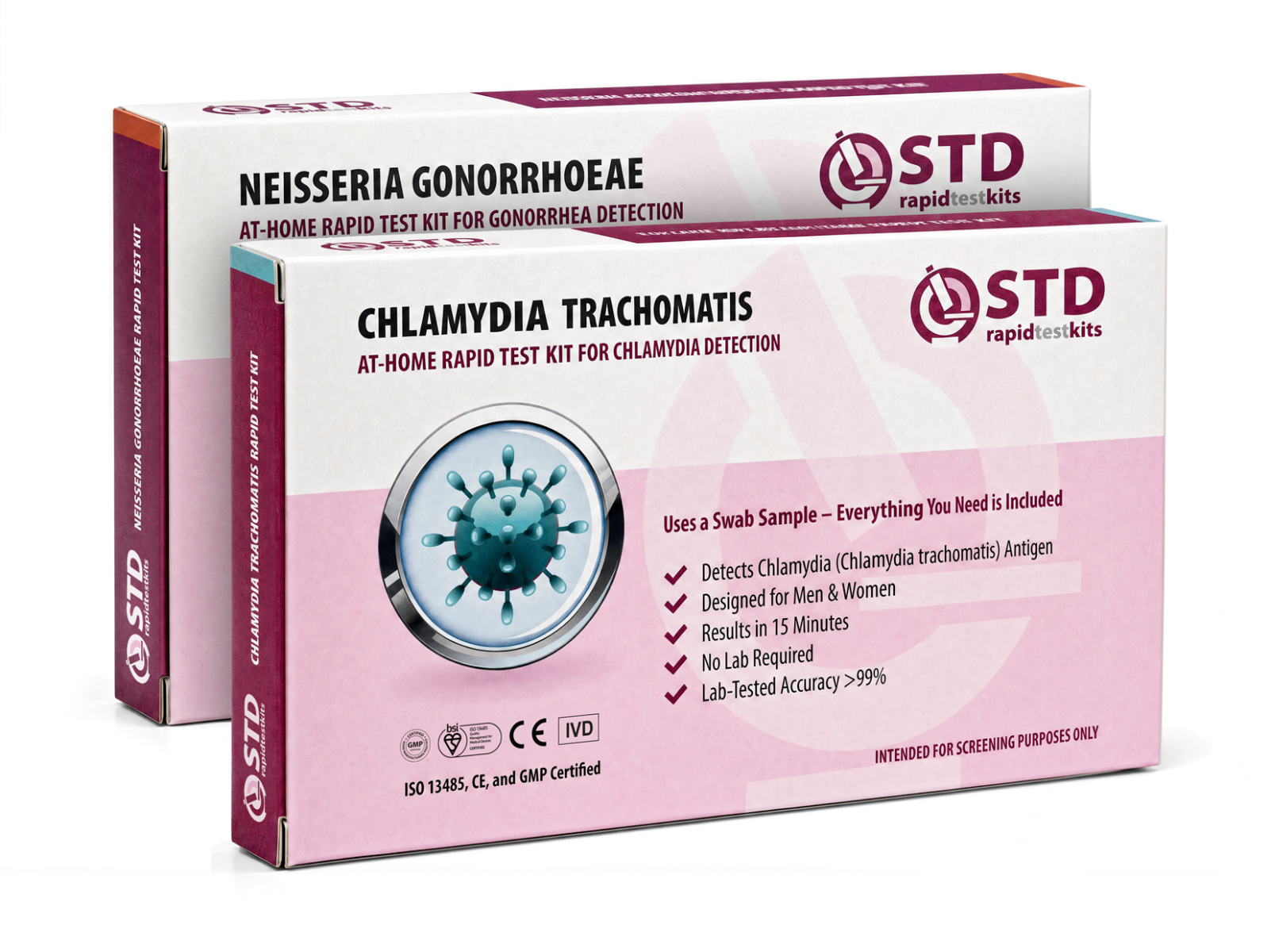
For discharge concerns specifically, the infections worth prioritizing are chlamydia, gonorrhea, and trichomoniasis. If your concern is targeted (clearly yellow-green frothy discharge, or yellow cloudy discharge with burning), the chlamydia and gonorrhea 2-in-1 covers the two bacterial STDs most often behind those presentations in a single session. The dedicated trichomoniasis swab is the most targeted option when discharge is yellow-green, frothy, or has a strong fishy odor; it is validated for female anatomy and uses the same self-collected vaginal swab. If exposure risk was broader (multiple recent partners, unknown partner status, unprotected sex), the women's combination kit shown above covers more ground in one session.
What to do if your discharge changes
The practical framework is simple. If discharge changes (color, smell, texture, or volume) and does not return to normal within a few days, pay attention. If it is accompanied by any of the following, do not wait: itching or burning, pain during sex or urination, pelvic pain or pressure, bleeding between periods or after sex, a noticeably fishy or foul odor, or any yellow, green, or gray discharge after recent sexual contact.
None of those guarantees an STD on its own. Yeast infections and BV are far more common than most STDs, and they produce overlapping symptoms. Color and smell cannot reliably distinguish BV from gonorrhea, which is why testing matters when there has been potential STD exposure. If symptoms persist or worsen, especially any yellow, green, or gray discharge within a month of a new sexual contact, test before treating.
Most people with trichomoniasis (about 70%) do not have any symptoms. When symptoms do occur, they may include itching or irritation, burning during urination, and an unusual discharge that may be clear, white, yellowish, or greenish.
FAQs
- Does yellow discharge always mean an STD?
- No. Pale yellow with no other symptoms and no new exposure can wait. Yellow with odor, itching, or pelvic pain is higher-urgency, and yellow discharge that appears after unprotected sex with an untested partner should be tested regardless of other symptoms. Chlamydia, gonorrhea, and trichomoniasis can all cause yellow discharge, and color alone cannot distinguish them.
- What does trichomoniasis discharge look like?
- Frothy or bubbly texture is the clearest sign; most other discharge changes are not foamy. Color is typically yellow to greenish with a strong fishy smell. About 7 in 10 people with trichomoniasis have none of these symptoms at all, which is why testing after any relevant exposure is the only reliable way to rule it out.
- Can I have chlamydia or gonorrhea with completely normal discharge?
- Yes, frequently. The CDC states that most women with chlamydia and most women with gonorrhea have no noticeable symptoms at all. Routine testing after a new sexual contact is the only reliable way to distinguish infection from coincidence.
- How can I tell bacterial vaginosis apart from a yeast infection?
- The smell is the fastest separator: yeast infections are nearly odorless, while BV has a fishy odor that intensifies after sex. Texture is the second signal: thick and clumpy points to yeast, thin and watery points to BV. Practical upshot: if an OTC antifungal gives no relief within 3 days, the original issue is likely BV or a low-grade STD that needs a different drug. See a clinician for a wet mount rather than repeating the antifungal course.
- How soon after sex should I test if my discharge changed?
- If you noticed a discharge change within a few days of unprotected sex, the body has not yet built up detectable pathogen load. Wait at least 14 days before testing for chlamydia and 3 weeks for gonorrhea. Trichomoniasis can be detectable from 5 days but may take up to 28. Key distinction: symptom-onset windows (2 to 5 days for gonorrhea) are much shorter than test-accuracy windows. Early symptoms during the wait period are a reason to see a clinician, not to test at home early and trust a negative.
- Is green discharge always an STD?
- Green discharge is not normal under any circumstance and almost always indicates an infection. Trichomoniasis and gonorrhea are the most common STD causes; in some cases bacterial vaginosis can produce a grayish-green color. Either way, testing is the right next step. There is no plausible benign explanation for true green discharge.
- Is brown discharge normal?
- Brown discharge is usually old blood. A day or two of brown spotting at the start or end of a period, around ovulation, or as early-pregnancy implantation bleeding is normal. Brown discharge that lasts more than one cycle, recurs between periods without a pattern, or comes with pain, fever, or strong odor warrants evaluation. Any postmenopausal brown discharge or bleeding should be seen by a provider promptly.
- Can I have more than one infection causing my discharge at the same time?
- Yes, and more often than people expect. BV and trichomoniasis frequently coexist. Chlamydia and gonorrhea co-occur often enough that testing for both together is standard practice. BV also raises the risk of acquiring an STD if exposed. A combination test rather than a single-infection test makes practical sense when discharge is clearly abnormal.
- U.S. Centers for Disease Control and Prevention. About Trichomoniasis: symptoms, testing, and the roughly 70% asymptomatic rate cited in this article.
- U.S. Centers for Disease Control and Prevention. Bacterial Vaginosis: most common vaginal condition in women aged 15 to 44, risk factors, and link to preterm birth and HIV acquisition.
- U.S. Centers for Disease Control and Prevention. Chlamydia fact page: most women with chlamydia have no symptoms; annual screening recommendation for sexually active women under 25.
- U.S. Centers for Disease Control and Prevention. Gonorrhea fact page: most women with gonorrhea have no noticeable symptoms.
- U.S. Centers for Disease Control and Prevention. Sexually Transmitted Infections program landing page; congenital syphilis surveillance and pregnancy-screening recommendations cited.
- U.S. Centers for Disease Control and Prevention. Cancers Caused by HPV: more than 9 of every 10 cases of cervical cancer are caused by HPV.
