






Can You Have More Than One STD at the Same Time?
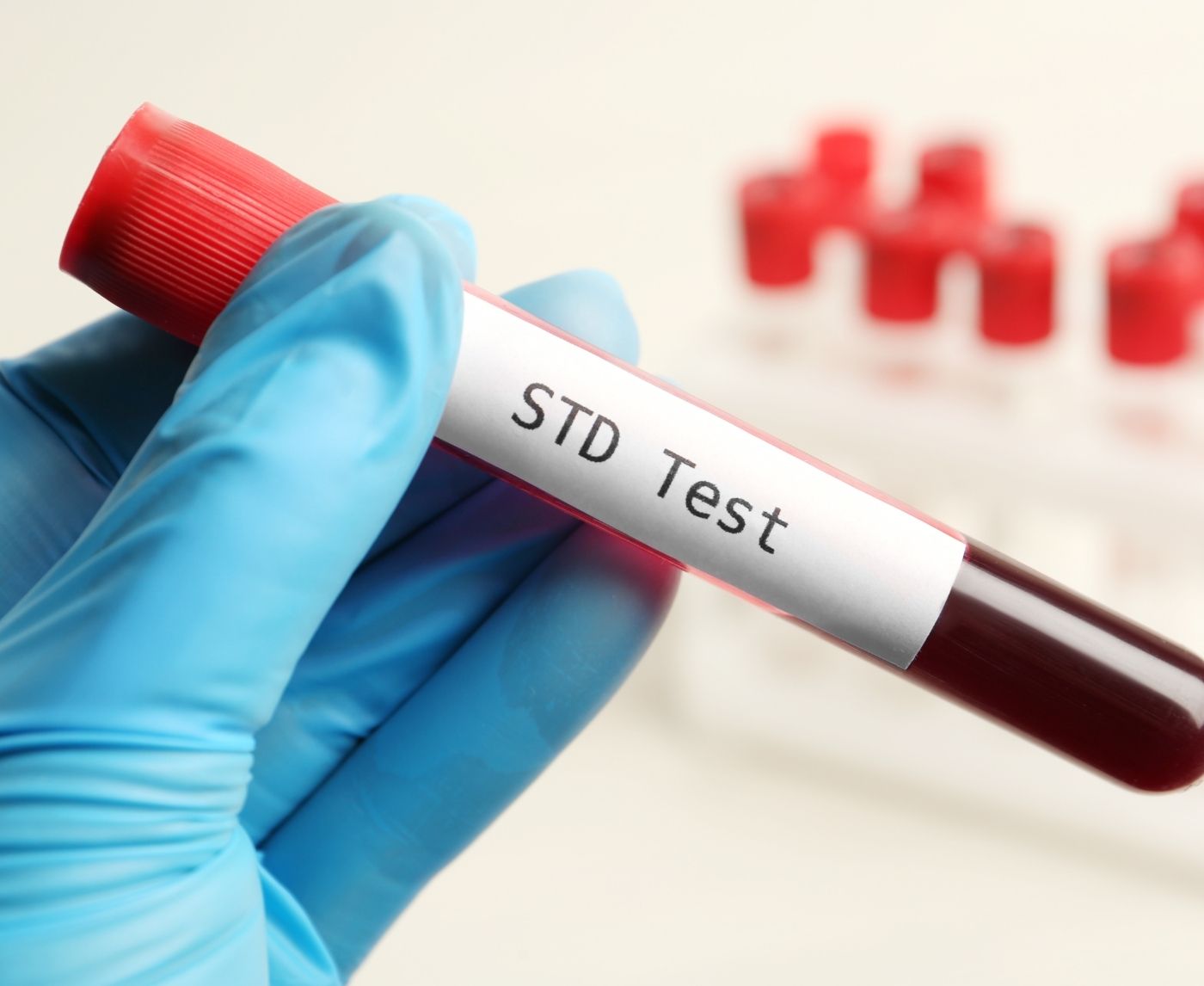
There are certain STDs that are infamous for flying under the radar. They don't show symptoms, don't appear on standard tests, and can harm your health and your partners' health without ever sending up a red flag. Herpes, Mycoplasma genitalium, and even trichomoniasis are all illnesses that require specialized tests—and in most cases, you have to ask for them specifically.
Some STDs Remain Hidden: Reasons Why Routine Tests Don't Detect Them
Although it may seem that way, STD testing is not all the same. A "standard panel" is what most clinics or providers do, but that's not everything.
Here's why some infections are often ruled out:
- No Symptoms, No Suspicion: Most STDs have no symptoms, at least not right away. Providers will not test for them unless they suspect something.
- Test Specificity: Certain infections necessitate swabs or blood work not part of routine panels.
- Cost and Insurance Restrictions: Not every test is included in insurance, so clinics settle for testing the most prevalent ones.
- Stigma and Discomfort: Tests such as for herpes or Mycoplasma genitalium need extra patient education or consent and are not performed by some clinics.
Routine STD screening typically covers syphilis, gonorrhea, chlamydia, and HIV, according to the CDC. However, that is not inclusive of herpes (HSV-1 and HSV-2), HPV, trichomoniasis, and numerous others.
Reddit forums are full of individuals who are surprised that their herpes diagnosis came only after they'd experienced a nasty outbreak—after having only tested "clean" a few months earlier.
Why It Matters: The Real Risks of Hidden STDs
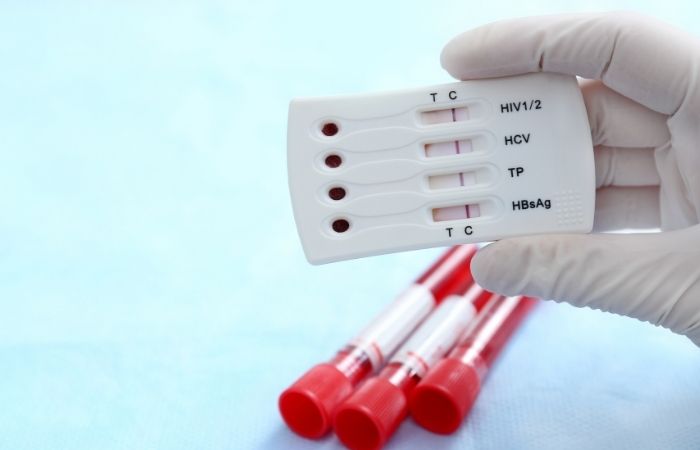
If an infection doesn't occur with symptoms and isn't found on tests… is it really that big of a deal? Unfortunately, yes.
This is what could happen if STDs aren't diagnosed:
- Infertility: Chlamydia or gonorrhea that is not treated can lead to pelvic inflammatory disease (PID), which can cause infertility.
- Elevated HIV risk: STDs such as syphilis and herpes can augment the facilitation of HIV contraction or transmission.
- Complications during pregnancy: Trichomoniasis and other infections can cause premature labor or low birth weight.
- Chronic pain: STDs like Mycoplasma genitalium can cause chronic urogenital symptoms that are often wrongly diagnosed.
A Reddit user shared her experience of ongoing negative STD panels with burning and discomfort—only to discover later that she had Mycoplasma genitalium, which required a very specific test.
And it is not just about your own health either—hidden infections can silently be passed on to sex partners, so regular, comprehensive testing is really essential.
Check Your STD Status in Minutes
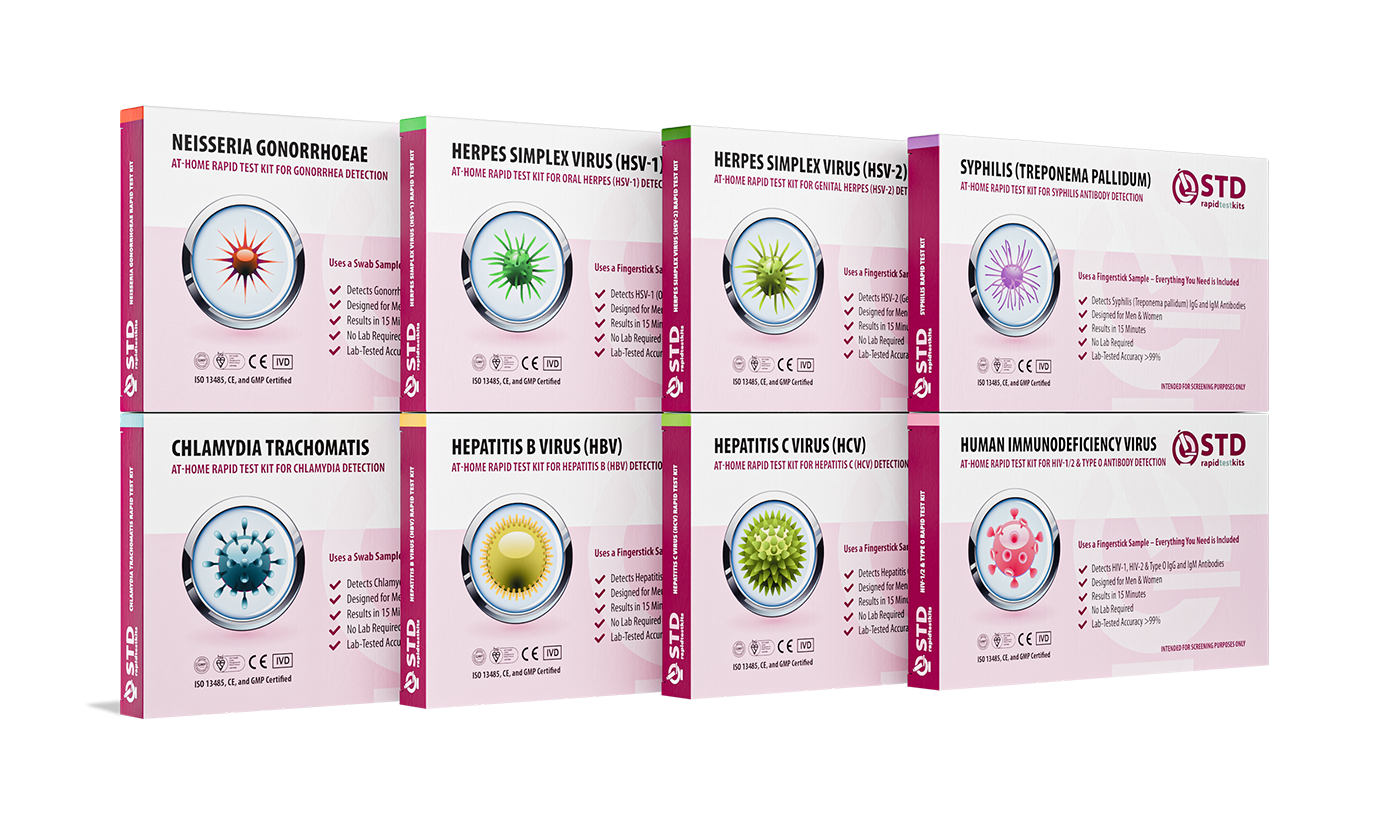
Test at Home with Remedium8-in-1 STD Test Kit
Claim Your Kit Today
Save 62%
 For Men & Women
 Results in Minutes
 No Lab Needed
 Private & Discreet
Order Now $149.00 $392.00
For all 8 tests
Challenges in Screening for All STDs
Although it would be easy enough—just test for everything!—realities stand in the way of having it all.
Standard Panels Are Limited
Most STD panels only test for the most prevalent infections. If you want herpes, trichomoniasis, HPV, or Mycoplasma genitalium testing, you might need to ask for it separately.
Certain Tests Are Less Reliable
For instance, herpes blood tests don't test for the virus itself—just antibodies. You may not test positive for weeks or months after becoming infected.
Absence of Symptoms Does Not Equal Absence of Infection
You and your partner can be fine and still have an STD. As many as 80% of those infected with herpes are not even aware, states the WHO.
Shame and Disinformation
Most individuals presume that the usual STD test includes all, or they are too shy to request additional tests. That knowledge gap results in undetected infections and postponed diagnoses.

How to Protect Yourself: Request the Right Tests
The good news? You don't need to be in the dark. Here is what you can do:
- Take control. Don't wait for symptoms to show—get tested regularly, particularly if you're having sex with someone new.
- Ask for individual tests. Request herpes, trichomoniasis, and Mycoplasma genitalium testing from your provider.
- Use home test kits. Kits available today screen for a wider array of STDs with quick, confidential results.
- Talk with partners. Be honest about testing history and decide together.
A few of the more comprehensive STD test kits (such as those sold by well-known companies online) now cover trichomoniasis, herpes, and Mycoplasma genitalium—so they're worth using if your local clinic doesn't test for these.
What the Data Reveals Regarding Missed STDs
1 in 5 Americans has an STI at any given time, reports the CDC.
- 70% of individuals infected with trichomoniasis are asymptomatic, says the NHS, yet it is the world's most common non-viral STI.
- The Herpes Resource Center states that 90% of individuals who have HSV-2 do not know they are infected.
- Mycoplasma genitalium, a recently identified STI, is as prevalent as chlamydia—but is only ever tested for if specifically asked for.
These figures show how far routine tests are from infections in real life. Routine testing is only catching a portion of the picture.
Check Your STD Status in Minutes
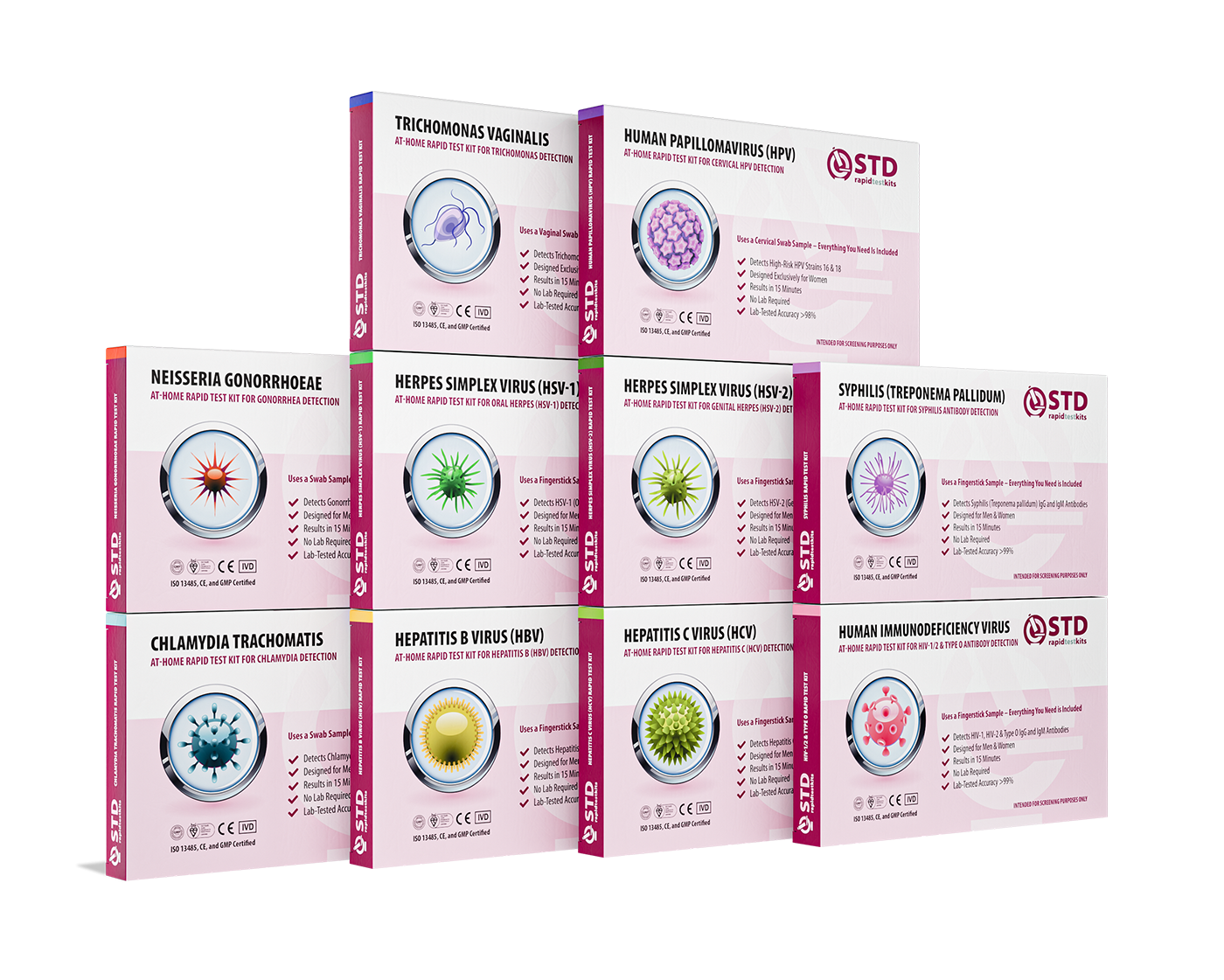
Test at Home with Remedium10-in-1 STD Test Kit
Claim Your Kit Today
Save 61%
 For WomenResults in MinutesNo Lab NeededPrivate & Discreet
Order Now $189.00 $490.00
For all 10 tests
Expert Analysis and Practical Examples
Doctors are increasingly openly admitting the limitations of the conventional STD screening.
Infectious disease specialist Emily Rylander, MD, shared with Verywell Health,
"Patients are shocked to learn that a negative STD panel does not include herpes or trichomoniasis. It's a system-wide problem in how we explain testing—not only what we're testing for, but what individuals believe they're being tested for."
Kendra, a woman who shared her story on Reddit, described how she'd tested negative for all of it at a routine checkup—only to be diagnosed months later with herpes after she'd had her first outbreak. As it happened, herpes testing was never part of her original panel.
Likewise, a college student named Bryan discovered he had Mycoplasma genitalium after months of painful urination with no end in sight. Not until a urologist performed a special PCR test were they finally able to identify the infection—one that would've been tested for sooner had he known what to ask for.
The History Behind Standard STD Testing Panels
Standard STD panels did not arise overnight—they evolved over decades, influenced by cost, public health trends, and test availability.
In the early 20th century, syphilis and gonorrhea were the main cause of concern because they were prevalent and presented an extreme health threat. When HIV became evident in the 1980s, it was given a high priority for screening immediately.
Yet more recent infections—such as Mycoplasma genitalium—were not found until the 2000s. And although herpes has been around for centuries, its social stigma and cumbersome testing procedure made it one that was frequently omitted from standard panels unless symptoms appeared.
The standard panel is a product of epidemiological trends and insurance codes, not a reflection of every real-world risk.
What's Coming: The Future of STD Detection
Fortunately, that is changing.
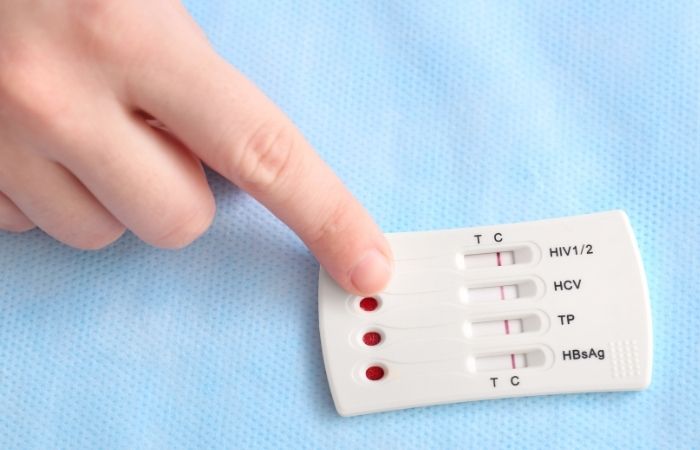
Home test kits are stretching the definition of what's in a "complete" screen, with panels that frequently test for herpes, trich, and beyond.
Next-generation sequencing and newer PCR assays are increasingly assisting in the detection of difficult-to-detect infections such as Mycoplasma genitalium and ureaplasma.
Urgent care centers and clinics are also slowly offering services, particularly with asymptomatic transmission becoming a growing concern.
Certain groups, such as the CDC, are updating their screening guidelines to encompass new threats and underdiagnosed infections.
Look for bigger panels, more intelligent testing algorithms, and improved patient education in the next few years.
Actionable Takeaways: What You Can Do Today
Let us keep it simple. Here is what you can do today to stay safe:
- Don't presume. A negative finding is acceptable—but inquire about what it really included.
- Inform your provider. Say to them, "I want a complete STD test, including herpes and trichomoniasis." Be straightforward.
- Utilize home testing as an adjunct. Numerous kits are available that are CLIA-certified and provide sensitive, accurate testing in the privacy of your own home.
- Get educated. The more you understand about what tests are available, the healthier your decisions will be.
- Get retested if symptoms arise. Some infections do not show up right away, especially herpes and HIV, which have window periods.
Check Your STD Status in Minutes
Test at Home with Remedium6-in-1 STD Rapid Test Kit

Claim Your Kit Today
Save 60%
For Men & WomenResults in MinutesNo Lab NeededPrivate & DiscreetOrder Now $119.00 $294.00
For all 6 tests
Industry Insight: How This Impacts Healthcare and Public Health
The implications of untreated STDs on routine tests go well beyond personal inconvenience. They impact:
- Health systems must also contend with complications from unidentified infections.
- Public health monitoring with precise information to monitor outbreaks.
- Sex education, in which knowledge gaps in testing fuel stigma and misinformation.
When patients believe they've been tested for everything but haven't, this results in false reassurance, wrong diagnosis, and even transmission of undiagnosed STDs.
Expanding access to equitable screening—particularly with home test kits and ongoing education—can eliminate these disparities and have a detectable effect on population health.
Real Voices: Stories Behind the Statistics
We've talked about data and expert opinion, but the human cost of delayed diagnoses is no less important.
34-year-old educator Amanda believed she was being responsible. "I got tested yearly. But I had no idea herpes wasn't on the list until I contracted it. I was angry—at the system, and at myself for my own naivete."
Jordan, an engineer aged 28, explained, "I discovered that I had trich after my girlfriend experienced a lot of pain. I had no symptoms. Nobody ever checked me for it, and I was not aware that I was carrying it."
They are not exceptional stories. They're ordinary individuals doing the right thing—getting a test—and being let down by the constraints of standard care.
Myths and Misconceptions: Setting the Record Straight
Let's dispel a pair of widespread misconceptions:
Myth 1: "If I have no symptoms, I do not have an STD."
False. Most STDs are asymptomatic, particularly in the beginning.
Myth 2: "A full STD panel tests for everything."
Not unless you ask! Most panels only test for 3–4 infections.
Myth 3: "Herpes isn't tested for unless you have an outbreak because the test isn't accurate."
Herpes antibodies can be detected by blood tests, but yes—it all depends on timing and type of test.
Myth 4: "Home STD tests are not reliable."
The majority are FDA-approved or CLIA-certified, offering laboratory-quality accuracy.
Myth 5: "You don't have to test for trichomoniasis if you're a man."
Men can have trich and transmit it even if they do not have any symptoms.
FAQs
1.- Which STDs are always excluded in regular tests?
Herpes, HPV, trichomoniasis, and Mycoplasma genitalium are usually not included.
2.- Can I have an STD and test negative?
Yes. It depends on timing, test type, and whether symptoms are present.
3.- Why isn't herpes included in routine screening?
It requires a special blood test, and most providers don't test unless there are symptoms.
4.- Are STD home tests reliable?
Yes—especially those using lab-confirmed PCR or blood tests. Look for CLIA-certified options.
5.- STDs can be diagnosed within how many days of exposure?
It varies. HIV and herpes, for example, can take weeks due to window periods.
6.- Can trichomoniasis be asymptomatic?
Yes—particularly in men, which is why it's often missed.
7.- Is it worth testing for Mycoplasma genitalium?
Yes, especially if you have unexplained urogenital symptoms or recurring infections.
8.- How can you be sure of a complete STD screen?
Ask your provider for specific tests or use a comprehensive at-home testing kit.
9.- Need I test even in a monogamous relationship?
Yes—especially early on or if there's uncertainty about past exposure.
10.- How frequently should I get tests?
At least once a year if sexually active—more often if you have new or multiple partners.
Check Your STD Status in Minutes
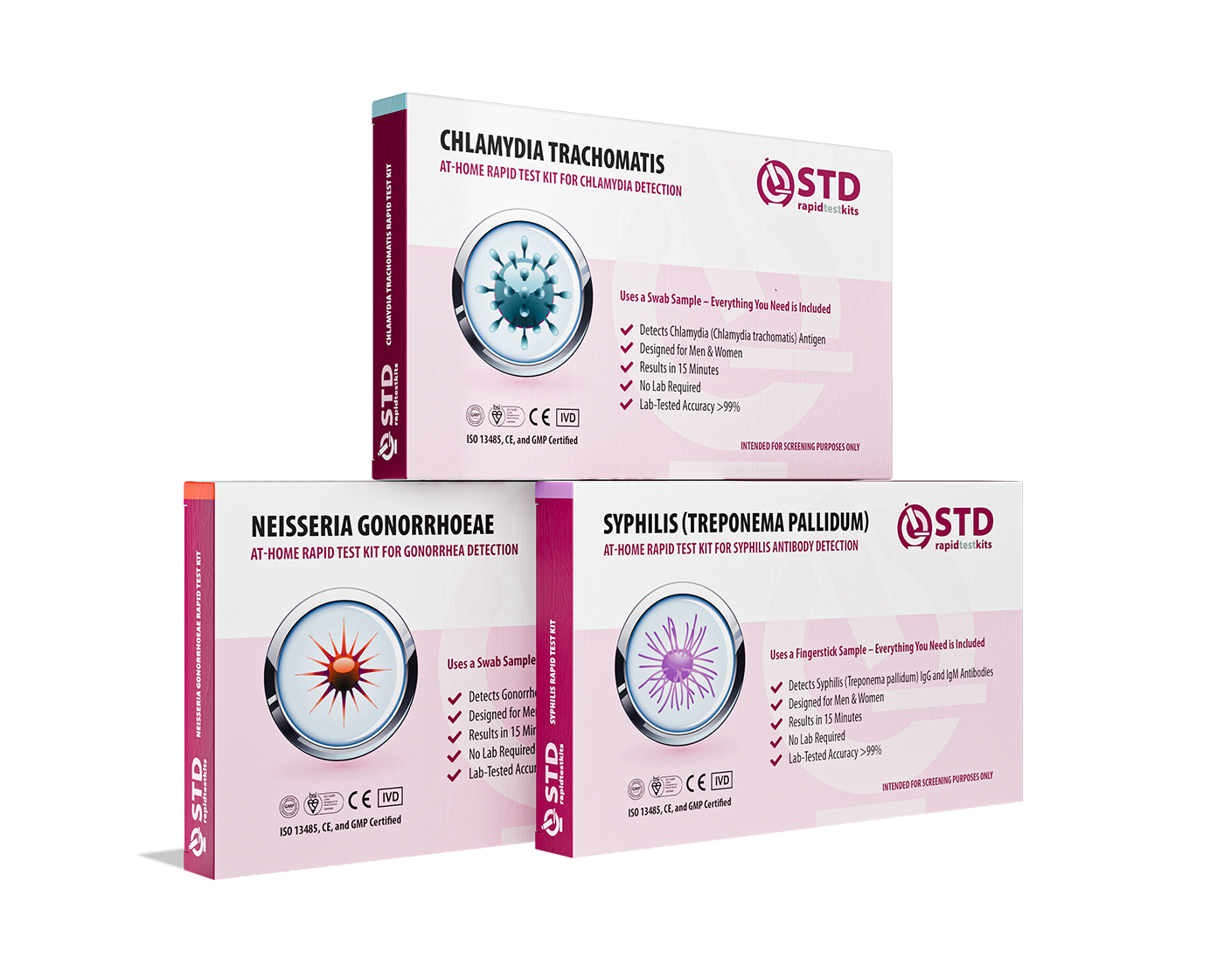
Test at Home with Remedium3-in-1 STD Test Kit
Claim Your Kit Today
Save 53%
For Men & WomenResults in MinutesNo Lab NeededPrivate & DiscreetOrder Now $69.00 $147.00
For all 3 tests
Guarding Yourself When Tests Don't Always Reveal the Big Picture
Testing is essential—but it isn’t foolproof.
Knowing what’s included (and what’s not) in a standard STD test can mean the difference between peace of mind and an untreated infection.
Don’t settle for vague answers. Be specific, talk to your partners, and opt for at-home test kits that check for more than just the basics. A negative result doesn’t always mean you're in the clear.
If you’re sexually active, request full STD screening beyond the default panel—and for discretion, convenience, and thoroughness, use home testing kits that cover hidden infections.
Take charge of your sexual health today.
Sources
2.- Mayo Clinic – STD Testing: What's Right for You?


