







Hookup Anxiety? When to Test After Oral, Anal, or Vaginal Sex
Why are gay and bisexual men at higher risk for STDs?
There are a number of reasons why STDs are more common in men who have sex with men (MSM). Here's what studies have discovered:
Biological and Transmission Factors
Some STDs, especially HIV, syphilis, and gonorrhea, are more easily transmitted during anal sex than during vaginal sex. This is because the rectal lining is thinner and more vulnerable and thus more apt to have tiny tears through which bacteria and viruses can travel.
The Centers for Disease Control and Prevention (CDC) reports that anal sex is 18 times riskier when it comes to HIV transmission when compared to vaginal sex. The same can be said for syphilis and gonorrhea, which are reported at significantly higher rates among MSM than heterosexual groups.
Social and Behavioral Patterns
It's no secret that gay and bisexual men are going to have more lifetime sexual partners than heterosexual men and, therefore, be more exposed to STDs. Studies show that:
- MSM are four times more likely than heterosexual men to have multiple sexual partners.
- Condom usage varies differently—some MSM practice safe sex while others omit condoms when in relationships where PrEP (pre-exposure prophylaxis) is being practiced.
27-year-old Chicago native Jake said
"I was always careful with condoms, but after I started taking PrEP, I started to relax. I thought PrEP protected me from everything, but I got syphilis after I went in for a check-up."
Obstacles to Care and Routine Testing
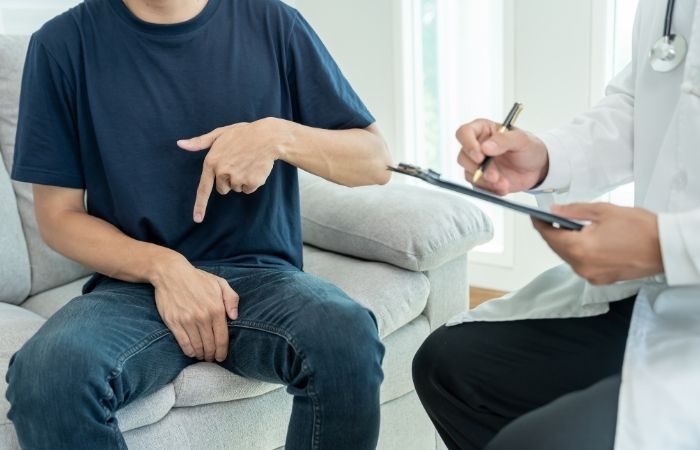
Availability of healthcare is also an important consideration. Gay and bisexual men:
- Skip regular STD screening because of stigma or fear of judgment.
- Have fewer healthcare choices in regions with fewer LGBTQ-affirming services.
- Delay treatment due to their belief that symptoms will get better by themselves.
34% of MSM confessed in a 2022 National Health Survey that they had avoided getting an STD test within the last year due to embarrassment, and 41% indicated that a physician had assumed they were heterosexual, which made it difficult to talk about their sexual health in an open manner.
How to Stay Safe: Successful Prevention Measures
Conduct Regular Tests
Getting regular STD tests is one of the best ways to find and treat infections before they get worse. CDC recommendations are:
- Gay and bisexual men are required to take an HIV and STD test at least once every year.
- Individuals with several partners ought to get screened every 3–6 months.
STD home test kits are an ideal option for those who prefer privacy.
32-year-old Carlos from Miami had the following to say
"I used to keep postponing testing because I detested going to clinics. Home testing was a game-changer for me. I now test frequently without the anxiety."
Order Now $33.99 $49.00 Check Your STD Status in Minutes
Test at Home with Remedium
HIV Rapid Test Kit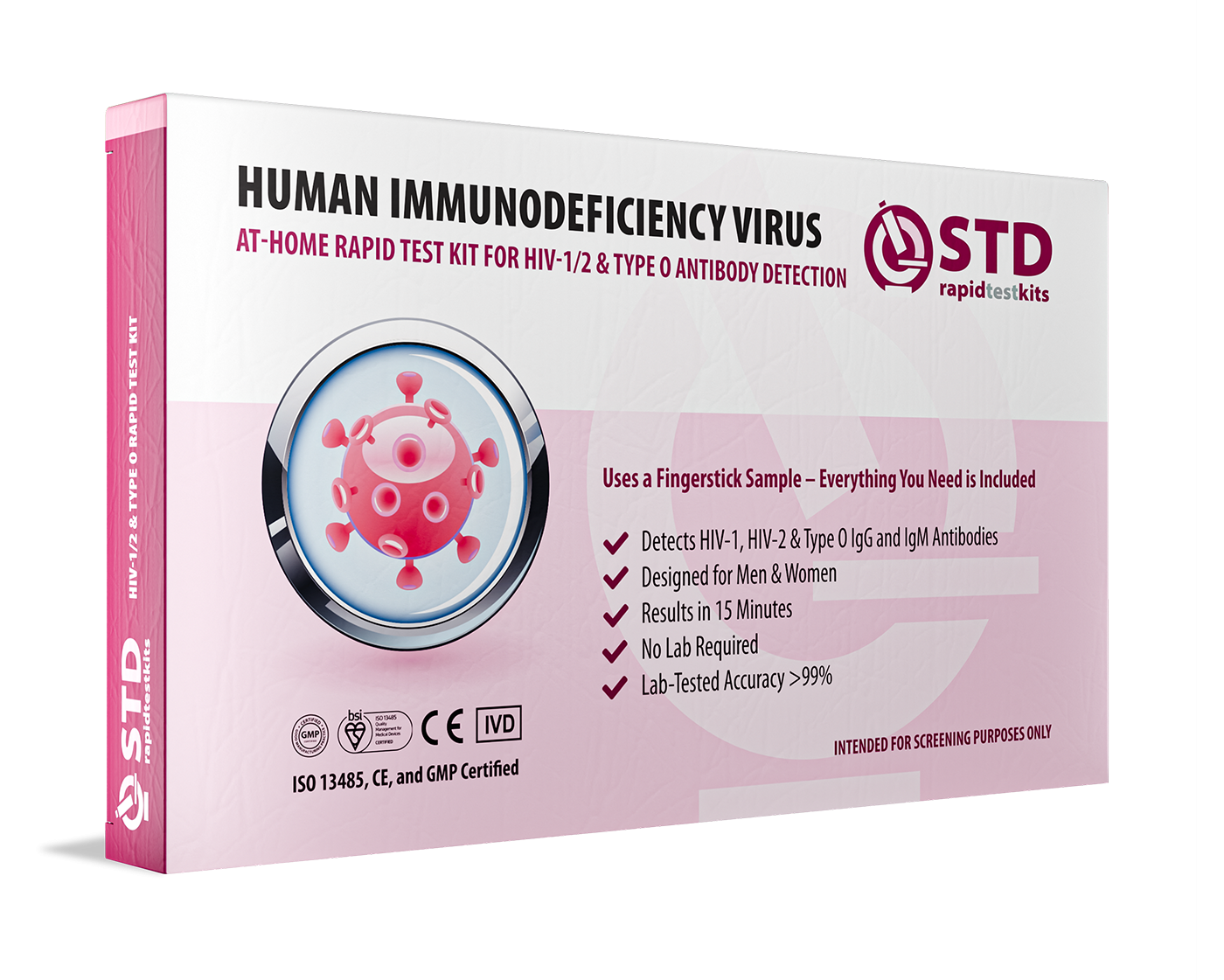 Claim Your Kit TodaySave 31%
 For Men & Women
 Results in Minutes
 No Lab Needed
 Private & Discreet
Practice Protection (More than Condoms!)
Although condoms are still one of the most effective methods of preventing STDs, there are a few others:
- PrEP (Pre-exposure prophylaxis) – Reduces the risk of HIV infection by 99% when taken consistently.
- DoxyPEP (post-exposure prophylaxis for bacterial STDs) – A new approach whereby one dose of doxycycline after unprotected sex will protect against syphilis, chlamydia, and gonorrhea.
- Regular STI check-ups – Knowing your status reduces community transmission.
Normalize Open Discussions on Sexual Health
Stigma is also a tremendous barrier to getting people tested or treated. Promoting open discussions with partners regarding STD testing and protected sex can eliminate shame and enable smarter decisions.
Common Misconceptions About STDs in Gay and Bi Men
"Only promiscuous individuals get STDs."
False. Even those in a monogamous relationship can contract STDs if they don't get regular tests.
"PrEP keeps you from having to worry about STDs."
False. As good as PrEP is at preventing HIV, it won't work against syphilis, gonorrhea, or chlamydia.
"If I had an STD, I would know."
False. Several STDs, such as HIV and chlamydia, may not show symptoms for months or even years.
FAQs
1.- How often should I be screened for STDs?
At least annually, or 3–6 months if you have more than one partner.
2.- Are home STD testing kits reliable?
Yes! They are as accurate as clinic tests and provide privacy.
3.- Does PrEP prevent all STDs?
No, PrEP only protects against HIV, not other diseases like syphilis or gonorrhea.
4.- Can I get STDs from oral sex?
Yes! Oral sex can spread gonorrhea, syphilis, and herpes.
5.- What are the symptoms of common STDs?
All of the STDs are asymptomatic, except that symptoms may consist of pain, unusual discharge, sores, or fever.
6.- Can I take DoxyPEP to prevent STDs?
DoxyPEP (doxycycline post-exposure prophylaxis) is being studied as a way to prevent bacterial STDs.
7.- Is HIV still a significant issue today?
Yes. 1 in 6 MSM in the U.S. will become HIV-positive in their lifetime.
8.- Do STDs go away on their own?
No! Bacterial diseases such as chlamydia, gonorrhea, and syphilis need antibiotics.
9.- How do I request my partner to get tested?
Be straightforward: "I'm concerned about our health. Want to go get tested together?"
10.- Where do I get tested?
Clinics, LGBTQ health clinics, or discreet home STD testing kits are all great options.
Order Now $189.00 $490.00 Check Your STD Status in Minutes
Test at Home with Remedium
10-in-1 STD Test Kit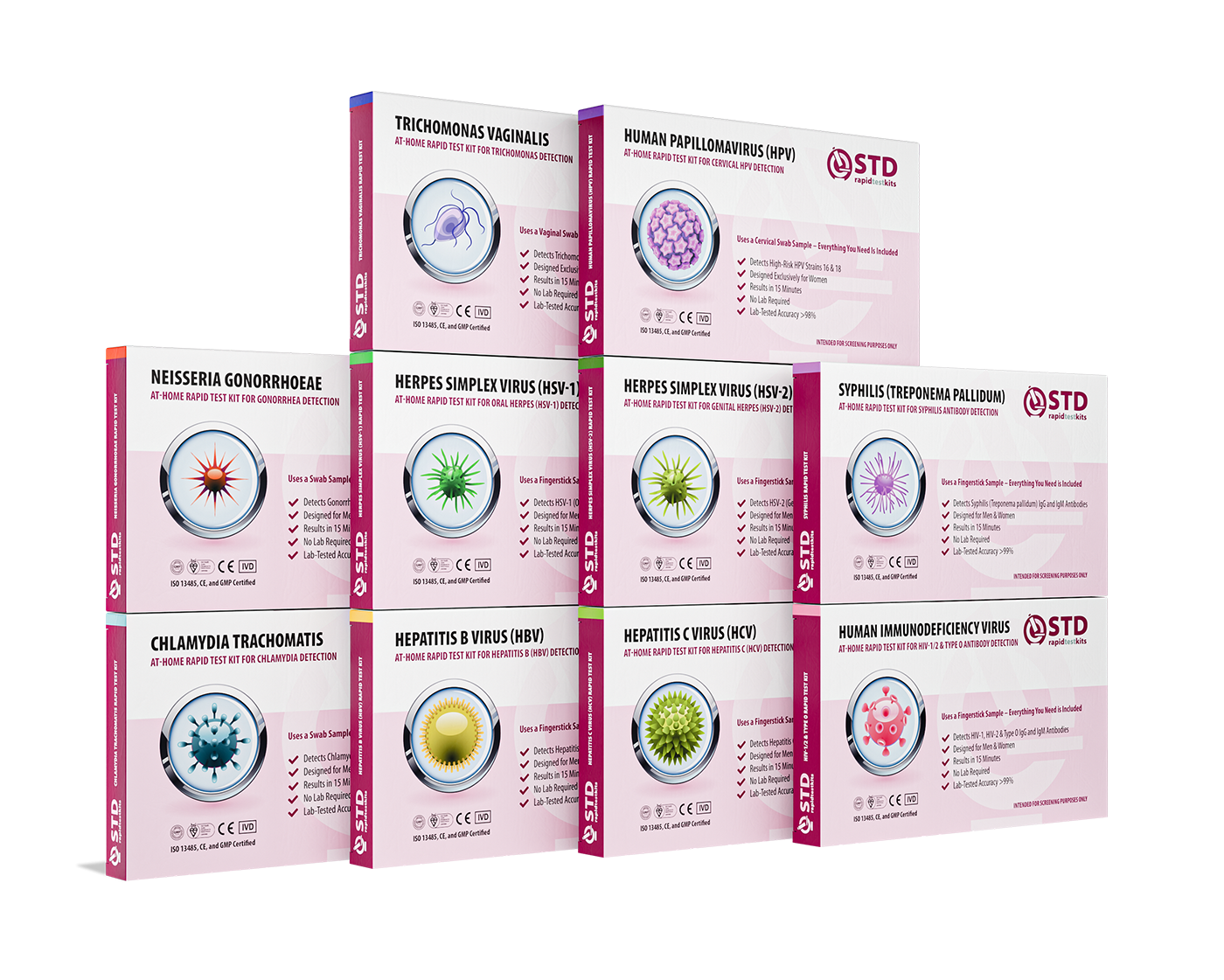 Claim Your Kit TodaySave 61%
 For WomenResults in MinutesNo Lab NeededPrivate & Discreet
For all 10 tests
Keep Yourself Informed & Protected
STDs among gay and bisexual men continue to be a problem, but your health is in your hands. You can reduce your risk a lot by getting tested, having safer sex, and talking openly.
Take control of your health today! Look into regular STD testing and check out at-home STD test kits for convenience and privacy.
Sources
2.- Healthcare and the LGBTQ Community
3.- Sexual Orientation Disparities in Sexually Transmitted Infections


