







Still Ashamed to Test? Why STD Stigma Isn’t Gone in 2025
Psychological Burden of STD Stigma
The psychological burden
Not just a social issue—STD stigma actually has mental health consequences. The embarrassment, humiliation, and fear of judgment associated with a diagnosis of an STD can induce debilitating emotional distress.
How Stigma Affects Mental Health
Shame and Guilt – Some people blame themselves for contracting the STD when the fact remains that anyone can get it. Internalization could lead to low self-worth and feelings of not deserving.
Anxiety and Fear of Disclosure – Fear of disclosure to a friend or partner may result in extreme anxiety, leading to social isolation. A majority of people with STDs avoid entering relationships.
Depression and Hopelessness – Studies have shown that an individual with an STD stands a good chance of feeling depressed, especially when he or she feels rejected or isolated.
Avoidance of Medical Treatment – Some patients avoid STD testing or treatment because they fear medical professionals might judge them. This could lead to further ill-health and stress.

Testimonial: Carrying the Weight of Stigma
I was 23 when I got the herpes diagnosis. I didn't break down crying about the symptoms but because I didn't think I would ever be loved again. I felt repulsive. It took me a number of years to reverse the stigma and recognize herpes as just a virus like any other and not as a death sentence. — Anna, 29
Psychological burden caused by STD stigma is generally worse than the disease. Nevertheless, there are some STDs whose mental impact is worse than this and thus are extremely difficult to treat.
STDs with Major Effects on Mental Well-Being
Syphilis
While any STD is likely to create emotional disturbances, some STDs are extremely serious psychologically due to misinformation, stigmatization, or chronic medical issues.
Check Your STD Status in Minutes
Test at Home with RemediumSyphilis Test Kit
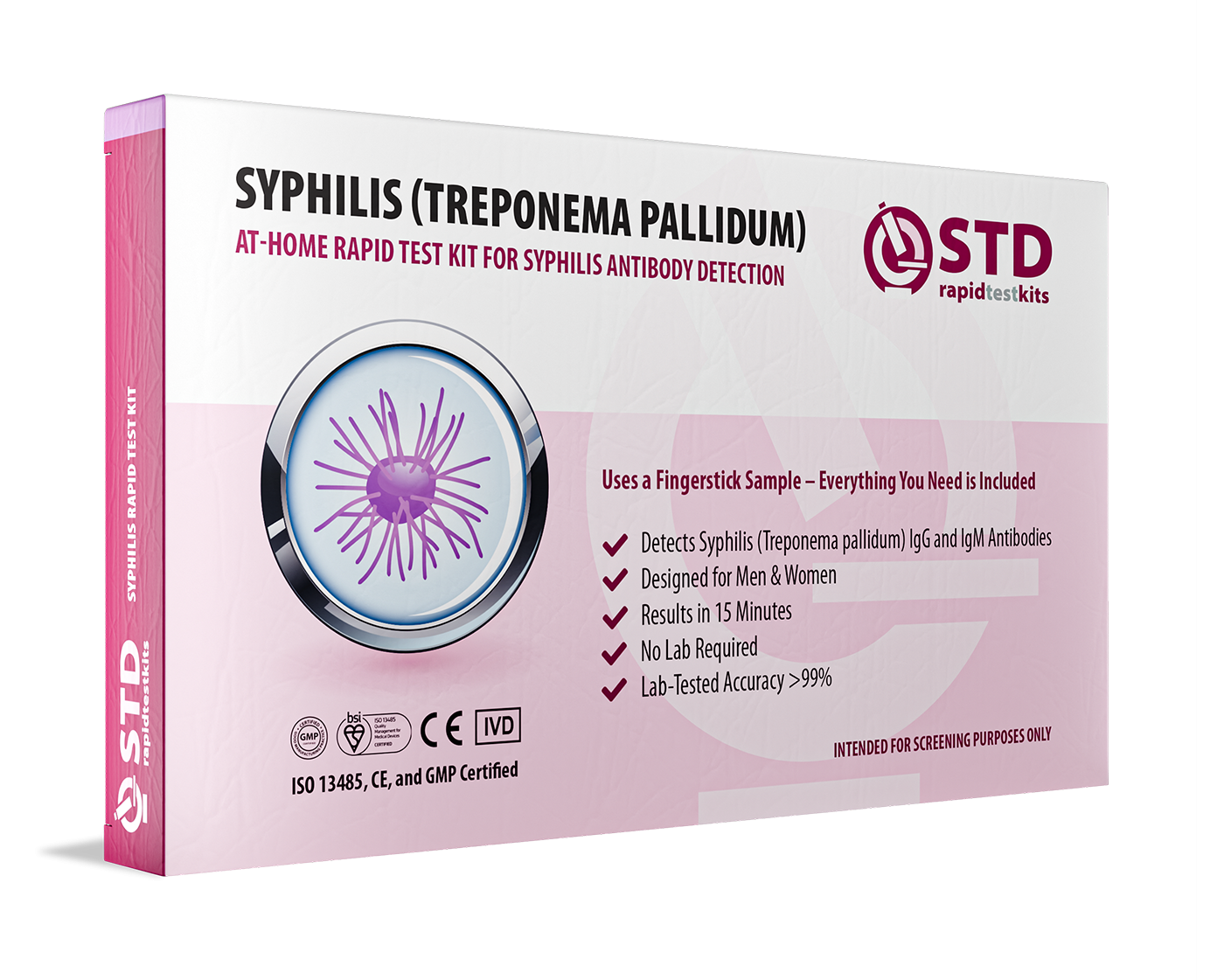
Claim Your Kit Today
Save 31%
 For Men & Women
 Results in Minutes
 No Lab Needed
 Private & Discreet
Order Now $33.99 $49.00
HIV and Mental Well-being
HIV also carries one of the most intense social stigmas for all the STDs. The fear of the disease, since the AIDS epidemic occurred, continues to this day.
- Most people with HIV live with the daily fear of discovery, rejection, and being labeled as "dirty."
- There is evidence that individuals with HIV are significantly vulnerable to depression and PTSD.
- In addition to the disease's chronicity, daily medication may contribute to mental exhaustion and fatigue related to treatment.
Herpes and Psychological Distress
Although one of the most common viral diseases, herpes is deeply stigmatized. Unjustifiably, most people think it's a symbol of extramarital affairs or a relationship-killer.
- Emotional effects are felt more than the physical symptoms because the symptoms are handled but the fear of rejection remains.
- Misinformation spreads faster than the virus and thus most individuals exaggerate the impact upon their life.
- Most people who have herpes have reported extreme self-esteem problems and relationship fear.
HPV and Anxiety
As the majority of cases of HPV are asymptomatic, most people are worried about how it would affect their future well-being.
- HPV is the most common STD around, but it's relatively low-profile.
- Certain strains of HPV are linked with cervical cancer and may cause intense stress upon discovery.
- Most people suffer from acute health anxiety when unaware of the risks.
Testimonial: The Emotional Burden of an HPV Diagnosis
When I learned from my doctor I had HPV, I felt like my body had let me down. I wasn't showing any symptoms whatsoever and now I'm worried about cancer. I scoured all the options for months, and the fear had its hold. It wasn't till I spoke with other women who had it that I could make sense. — Lisa, 35

The role of Social Perception in STD Stigma
Not the diagnosis itself but the social perception of STD's causes them. The way the population's belief is defined by the myths, the cultural environment, and the media determines how the person with STD perceives himself.
How Society Creates STD Stigma
- Media Misrepresentation – TV shows and films frequently resort to the use of STDs as the joke punchline, perpetuating the common perception that their occurrence reflects irresponsibility or promiscuity.
- Gaps in sex education – many people are not given the information regarding STDs and thus are vulnerable to myths and fear.
- Online Disinformation – Social media is used to spread false allegations such as herpes as a “life-threatening” disease where really it is a treatable condition.
Fear is most common with people who have STDs because they fear they will be judged, rejected, or considered broken.
Testimony Against Disinformation
I was afraid to inform the new partner I had herpes because I felt that he would think I was dirty. When I finally came clean the first time around, nonetheless, the reaction was simply to shrug his shoulders and say, 'Okay, thanks for letting me know.' It made me understand how the disease is not worse than the stigma. — Mark, 31
Check Your STD Status in Minutes
Test at Home with Remedium7-in-1 STD Test Kit

Claim Your Kit Today
Save 62%
For Men & WomenResults in MinutesNo Lab NeededPrivate & DiscreetOrder Now $129.00 $343.00
For all 7 tests
The Psychological Effect of Disinformation
When others are not aware of STDs, they treat the infected persons unjustly. It results in:
- Greater depression and anxiety for the person diagnosed.
- Not going for a doctor's visit or testing.
- Relationship avoidance, causing loneliness and isolation.
The silver lining? Education and awareness can end the pattern.
Adapting to Having STD-Related Mental Complications
Should the psychological effects of your STD diagnosis prove difficult for you, support is available. There are means by which the emotional consequences may be alleviated and your confidence regained.
Counselling and Therapy
Cognitive-Behavioral Therapy (CBT) can help the individual overcome negative thoughts and thinking associated with the diagnosis.
Sex-positive sex therapists can help navigate through stigma and relationship anxiety.
Support Group Joining
Internet STD support groups (e.g., Reddit, Positive Singles, and local support groups) make individuals understand that they are not isolated.
Discussing your experience with others who have gone through the same is an effective method of overcoming shame.
The At-Home STD Test's Role
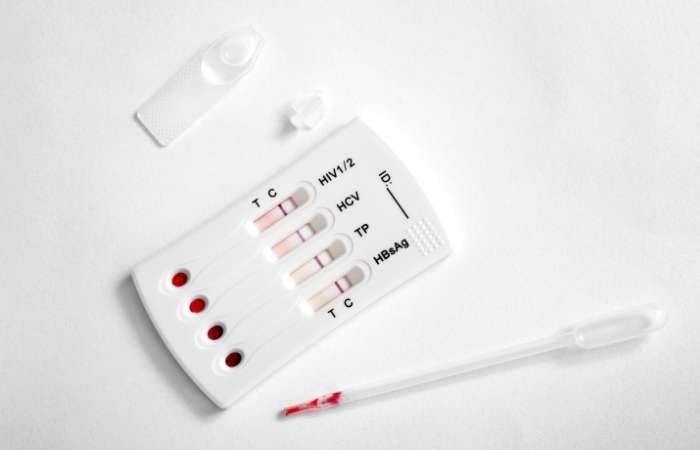
Most people forego the testing for STDs because they fear being judged by doctors or clinics. Home STD testing is a convenient and inconspicuous option that allows you to:
- Get tested with ease and privacy.
- Get quick and precise results without worry about stigmas.
- Get control of your life with no extra stress.
Testimonial
I waited for months before I got tested because I was too ashamed. When I finally took the home test, it was a relief. I got the results in a quiet place and felt like I was back in control of myself. — Jessica, 27
Research into STDs and Mental Health
Science validates what many already know: STDs come with a mental health cost.
- A recent study by the Journal of Behavioral Medicine found patients with STD are significantly more likely than the overall population to suffer from depression and anxiety.
- A recent study published in the American Journal of Managed Care found HIV-infected patients with herpes are most likely to experience chronic stress and PTSD symptoms.
- A 2022 study of STD stigma demonstrated how socially anxious persons who fear being judged forego testing and treatment and exacerbate mental and physical consequences.
Those are the facts: Stigma is worse than the disease.
FAQ
1. Can STD's cause depression?
Yes, studies indicate that STD patients are likely to suffer from depression and anxiety, particularly when faced with issues related to stigma or rejection.
2. How can I cope with anxiety after a diagnosis with an STD?
Talking with a therapist, support group, and educating yourself about your condition can heal anxiety.
3. Which are the most successful strategies for reducing STD-related shame?
Education about the facts, discussion with supportive others, and knowing STDs are common can make self-stigma less likely.
4. Does herpes affect mental health long-term?
Herpes stigma can make people concerned and give them issues with their self-esteem but ultimately most learn how to cope with it.
5. Is there a private way of getting tested for STDs?
Yes! Home STD testing offers a convenient and easy means of testing without the need to visit the clinic.
6. How can I talk with a partner about my STD status?
Be direct and truthful with them, let them know the status, and give them the opportunity to ask questions. Most people are open to the right information.
7. Can stigma prevent people from undergoing treatment?
Yes. Many people avoid medical care for fear of being judged and are left with untreated infection and worse outcomes.
8. Are there support groups available for people with STDs?
Yes, there are support groups either online or face-to-face where others share their experience and give support.
9. Do all STDs lead to mental issues?
Not all do, but many are confronted with disinformation and stigma, which could lead further stress and anxieties.
10. In what ways may I help eliminate the stigma surrounding STD's?
Get educated and educate others, help the victims, and don't use STDs as a joke or an insult.
Ending the Cycle: Breaking the Stigma of STD's
It's time to change the conversation around STDs. Stigma causes more pain than the illnesses themselves—so let's break the pattern together.
- Learn and counter disinformation.
- Assist individuals impacted by stigma.
- Make sexual issues open topics.
Empower yourself with sexual and mental wellness today. If worried about your status, home STD testing is a discreet and easy manner of knowing. And if faced with stigma, receive the support you deserve. Share this article with others so others are aware that STD's are a medical condition and not a moral shortcoming. The more we talk about them the less the stigma lingers.
Sources
1.- AAFP: Association Between STDs and Depression in Adolescents
2.- AJMC: Mental Health Disorders and STDs in a Medicaid Managed Care Population
3.- Journal of Behavioral Medicine: Relationship Between Psychiatric Disorders and STDs
4.- JAMA Pediatrics: Temporal Associations Between Depression and STDs in Adolescents
5.- International Journal of STD & AIDS: Experiences of Living with an STD


