







Trichomoniasis Prevention 101: Your Guide to Safe Sex Practices
Fecal-Oral͏͏ Transmission͏͏ and͏͏ Associated͏͏ Infections
The͏͏ fecal-oral͏͏ route͏͏ is͏͏ a͏͏ well-documented͏͏ pathway͏͏ for͏͏ transmitting͏͏ infections,͏͏ where͏͏ pathogens͏͏ in͏͏ fecal͏͏ particles͏͏ pass͏͏ from͏͏ one͏͏ person͏͏ to͏͏ the͏͏ mouth͏͏ of͏͏ another.͏͏ Engaging͏͏ in͏͏ sexual͏͏ activities͏͏ that͏͏ involve͏͏ exposure͏͏ to͏͏ feces͏͏ can͏͏ facilitate͏͏ this͏͏ transmission.
Bacterial͏͏ Infections
Shigellosis
Caused͏͏ by͏͏ Shigella͏͏ bacteria,͏͏ shigellosis͏͏ leads͏͏ to͏͏ severe͏͏ diarrhea͏͏ and͏͏ is͏͏ highly͏͏ infectious.͏͏ Transmission͏͏ can͏͏ occur͏͏ during͏͏ oral-anal͏͏ sex͏͏ or͏͏ when͏͏ fecal͏͏ matter͏͏ enters͏͏ the͏͏ mouth,͏͏ even͏͏ in͏͏ minute͏͏ quantities.
Campylobacteriosis
This͏͏ infection,͏͏ caused͏͏ by͏͏ Campylobacter͏͏ species,͏͏ can͏͏ result͏͏ from͏͏ exposure͏͏ to͏͏ contaminated͏͏ feces.͏͏ Symptoms͏͏ include͏͏ diarrhea,͏͏ abdominal͏͏ pain,͏͏ and͏͏ fever.

Viral͏͏ Infections
Hepatitis͏͏ A
A͏͏ liver͏͏ infection͏͏ caused͏͏ by͏͏ the͏͏ hepatitis͏͏ A͏͏ virus,͏͏ it͏͏ spreads͏͏ through͏͏ ingestion͏͏ of͏͏ fecal͏͏ matter,͏͏ which͏͏ can͏͏ occur͏͏ during͏͏ sexual͏͏ activities͏͏ involving͏͏ oral-anal͏͏ contact.
Hepatitis͏͏ E
Similar͏͏ to͏͏ hepatitis͏͏ A,͏͏ this͏͏ virus͏͏ can͏͏ be͏͏ transmitted͏͏ via͏͏ the͏͏ fecal-oral͏͏ route,͏͏ posing͏͏ risks͏͏ during͏͏ sexual͏͏ practices͏͏ involving͏͏ fecal͏͏ exposure.
Check Your STD Status in Minutes
Test at Home with RemediumHepatitis B & Hepatitis C Test Kit
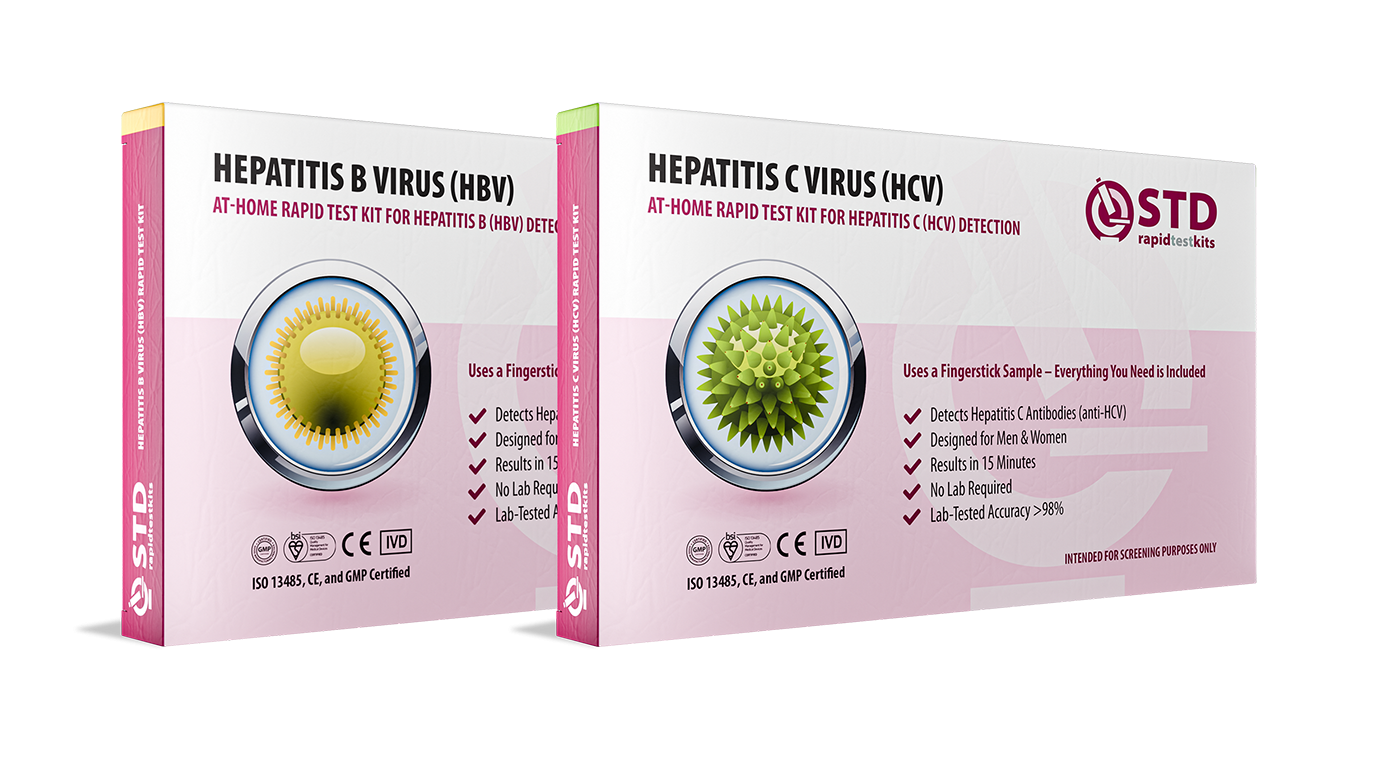
Claim Your Kit Today
Save 50%
 For Men & Women
 Results in Minutes
 No Lab Needed
 Private & Discreet
Order Now $49.00 $98.00
For all 2 tests
Parasitic͏͏ Infections
Giardiasis
Caused͏͏ by͏͏ the͏͏ parasite͏͏ Giardia͏͏ lamblia,͏͏ this͏͏ infection͏͏ can͏͏ spread͏͏ through͏͏ contact͏͏ with͏͏ contaminated͏͏ feces,͏͏ leading͏͏ to͏͏ gastrointestinal͏͏ symptoms.
Amoebiasis
An͏͏ intestinal͏͏ infection͏͏ caused͏͏ by͏͏ Entamoeba͏͏ histolytica,͏͏ transmitted͏͏ through͏͏ ingestion͏͏ of͏͏ fecal͏͏ matter͏͏ containing͏͏ the͏͏ parasite's͏͏ cysts.
Preventive͏͏ Measures
To͏͏ reduce͏͏ the͏͏ risk͏͏ of͏͏ infection:
Use͏͏ of͏͏ Barriers:͏͏ Employ͏͏ dental͏͏ dams͏͏ or͏͏ condoms͏͏ during͏͏ sexual͏͏ activities͏͏ involving͏͏ oral-anal͏͏ contact͏͏ to͏͏ minimize͏͏ exposure͏͏ to͏͏ fecal͏͏ matter.
Hygiene͏͏ Practices:͏͏ Thoroughly͏͏ wash͏͏ the͏͏ anal͏͏ and͏͏ genital͏͏ areas͏͏ before͏͏ and͏͏ after͏͏ sexual͏͏ activity.͏͏ Ensure͏͏ hands͏͏ are͏͏ cleaned͏͏ with͏͏ soap͏͏ and͏͏ water͏͏ to͏͏ prevent͏͏ the͏͏ spread͏͏ of͏͏ pathogens.
Regular͏͏ Health͏͏ Screenings:͏͏ Individuals͏͏ engaging͏͏ in͏͏ high-risk͏͏ sexual͏͏ behaviors͏͏ should͏͏ undergo͏͏ regular͏͏ medical͏͏ check-ups͏͏ to͏͏ detect͏͏ and͏͏ treat͏͏ potential͏͏ infections͏͏ promptly.

The͏͏ Link͏͏ Between͏͏ Gastrointestinal͏͏ Infections͏͏ and͏͏ STIs
Sexual͏͏ activities͏͏ involving͏͏ fecal͏͏ matter͏͏ increase͏͏ the͏͏ risk͏͏ of͏͏ gastrointestinal͏͏ infections,͏͏ including͏͏ E.͏͏ coli,͏͏ Shigella,͏͏ and͏͏ Salmonella,͏͏ which͏͏ can͏͏ cause͏͏ severe͏͏ stomach͏͏ cramps,͏͏ diarrhea,͏͏ and͏͏ fever.͏͏ These͏͏ bacteria͏͏ thrive͏͏ in͏͏ the͏͏ digestive͏͏ tract͏͏ and͏͏ can͏͏ easily͏͏ be͏͏ transmitted͏͏ through͏͏ oral͏͏ or͏͏ anal͏͏ contact͏͏ if͏͏ proper͏͏ hygiene͏͏ measures͏͏ aren’t͏͏ taken.
What͏͏ many͏͏ people͏͏ don’t͏͏ realize͏͏ is͏͏ that͏͏ some͏͏ STIs,͏͏ such͏͏ as͏͏ hepatitis͏͏ A,͏͏ hepatitis͏͏ E,͏͏ and͏͏ certain͏͏ strains͏͏ of͏͏ HPV,͏͏ can͏͏ also͏͏ be͏͏ spread͏͏ through͏͏ fecal-oral͏͏ transmission.͏͏ Hepatitis͏͏ A,͏͏ for͏͏ instance,͏͏ is͏͏ a͏͏ highly͏͏ contagious͏͏ virus͏͏ that͏͏ affects͏͏ the͏͏ liver͏͏ and͏͏ can͏͏ be͏͏ spread͏͏ when͏͏ small͏͏ amounts͏͏ of͏͏ fecal͏͏ matter͏͏ are͏͏ ingested—even͏͏ indirectly.͏͏ Though͏͏ most͏͏ cases͏͏ resolve͏͏ on͏͏ their͏͏ own,͏͏ serious͏͏ complications͏͏ can͏͏ occur,͏͏ making͏͏ preventative͏͏ measures͏͏ and͏͏ regular͏͏ testing͏͏ essential͏͏ for͏͏ those͏͏ engaging͏͏ in͏͏ high-risk͏͏ activities.
Hygiene,͏͏ Protection,͏͏ and͏͏ Regular͏͏ Testing
While͏͏ some͏͏ sexual͏͏ activities͏͏ carry͏͏ inherent͏͏ risks,͏͏ there͏͏ are͏͏ ways͏͏ to͏͏ significantly͏͏ reduce͏͏ the͏͏ likelihood͏͏ of͏͏ infection.͏͏ Proper͏͏ hygiene͏͏ is͏͏ one͏͏ of͏͏ the͏͏ most͏͏ important͏͏ factors—washing͏͏ hands͏͏ thoroughly,͏͏ using͏͏ barriers͏͏ like͏͏ gloves͏͏ or͏͏ dental͏͏ dams,͏͏ and͏͏ avoiding͏͏ any͏͏ form͏͏ of͏͏ oral͏͏ contact͏͏ with͏͏ fecal͏͏ matter͏͏ can͏͏ greatly͏͏ lower͏͏ the͏͏ risk͏͏ of͏͏ STI͏͏ and͏͏ bacterial͏͏ transmission.
Additionally,͏͏ regular͏͏ STI͏͏ testing͏͏ is͏͏ crucial͏͏ for͏͏ those͏͏ engaging͏͏ in͏͏ higher-risk͏͏ activities.͏͏ Some͏͏ infections͏͏ don’t͏͏ show͏͏ immediate͏͏ symptoms,͏͏ meaning͏͏ an͏͏ individual͏͏ could͏͏ be͏͏ unknowingly͏͏ carrying͏͏ and͏͏ spreading͏͏ an͏͏ STI.͏͏ At-home͏͏ STD͏͏ test͏͏ kits͏͏ offer͏͏ a͏͏ discreet͏͏ and͏͏ convenient͏͏ way͏͏ to͏͏ screen͏͏ for͏͏ common͏͏ infections͏͏ without͏͏ a͏͏ visit͏͏ to͏͏ a͏͏ clinic.͏͏ For͏͏ individuals͏͏ concerned͏͏ about͏͏ their͏͏ sexual͏͏ health,͏͏ regular͏͏ at-home͏͏ testing͏͏ can͏͏ provide͏͏ peace͏͏ of͏͏ mind͏͏ and͏͏ early͏͏ detection͏͏ before͏͏ an͏͏ infection͏͏ worsens͏͏ or͏͏ spreads͏͏ to͏͏ a͏͏ partner.
FAQs
1.- Can͏͏ you͏͏ contract͏͏ STIs͏͏ from͏͏ sexual͏͏ activities͏͏ involving͏͏ feces?
Yes,͏͏ engaging͏͏ in͏͏ sexual͏͏ practices͏͏ that͏͏ involve͏͏ contact͏͏ with͏͏ fecal͏͏ matter͏͏ can͏͏ transmit͏͏ infections͏͏ such͏͏ as͏͏ shigellosis,͏͏ hepatitis͏͏ A,͏͏ and͏͏ various͏͏ parasitic͏͏ infections.
2.- What͏͏ is͏͏ the͏͏ fecal-oral͏͏ transmission͏͏ route?
It͏͏ refers͏͏ to͏͏ the͏͏ transmission͏͏ of͏͏ pathogens͏͏ from͏͏ fecal͏͏ particles͏͏ of͏͏ one͏͏ person͏͏ to͏͏ the͏͏ mouth͏͏ of͏͏ another,͏͏ often͏͏ through͏͏ contaminated͏͏ food,͏͏ water,͏͏ or͏͏ direct͏͏ contact͏͏ during͏͏ certain͏͏ sexual͏͏ activities.
3.- How͏͏ can͏͏ I͏͏ reduce͏͏ the͏͏ risk͏͏ of͏͏ infection͏͏ during͏͏ sexual͏͏ activities͏͏ involving͏͏ the͏͏ anus?
Using͏͏ barriers͏͏ like͏͏ dental͏͏ dams,͏͏ practicing͏͏ good͏͏ hygiene,͏͏ and͏͏ ensuring͏͏ regular͏͏ health͏͏ screenings͏͏ can͏͏ help͏͏ minimize͏͏ the͏͏ risk.
4.- Are͏͏ there͏͏ specific͏͏ infections͏͏ linked͏͏ to͏͏ anilingus?
Yes,͏͏ infections͏͏ such͏͏ as͏͏ shigellosis,͏͏ hepatitis͏͏ A,͏͏ and͏͏ certain͏͏ parasitic͏͏ infections͏͏ can͏͏ be͏͏ transmitted͏͏ through͏͏ anilingus.
5.- Is͏͏ hepatitis͏͏ A͏͏ a͏͏ sexually͏͏ transmitted͏͏ infection?
While͏͏ not͏͏ exclusively͏͏ sexually͏͏ transmitted,͏͏ hepatitis͏͏ A͏͏ can͏͏ spread͏͏ through͏͏ sexual͏͏ activities͏͏ involving͏͏ oral-anal͏͏ contact.
6.- Can͏͏ using͏͏ condoms͏͏ prevent͏͏ infections͏͏ during͏͏ anal͏͏ sex?
Yes,͏͏ condoms͏͏ can͏͏ significantly͏͏ reduce͏͏ the͏͏ risk͏͏ of͏͏ transmitting͏͏ infections͏͏ during͏͏ anal͏͏ intercourse.
7.- What͏͏ symptoms͏͏ should͏͏ I͏͏ watch͏͏ for͏͏ after͏͏ engaging͏͏ in͏͏ high-risk͏͏ sexual͏͏ activities?
Symptoms͏͏ like͏͏ diarrhea,͏͏ abdominal͏͏ pain,͏͏ fever,͏͏ jaundice,͏͏ or͏͏ unusual͏͏ discharge͏͏ may͏͏ indicate͏͏ an͏͏ infection͏͏ and͏͏ warrant͏͏ medical͏͏ attention.
8.- How͏͏ often͏͏ should͏͏ I͏͏ get͏͏ tested͏͏ if͏͏ I͏͏ engage͏͏ in͏͏ high-risk͏͏ sexual͏͏ behaviors?
Regular͏͏ screenings͏͏ are͏͏ recommended,͏͏ with͏͏ frequency͏͏ depending͏͏ on͏͏ individual͏͏ risk͏͏ factors;͏͏ consult͏͏ a͏͏ healthcare͏͏ provider͏͏ for͏͏ personalized͏͏ advice.
9-. Can͏͏ infections͏͏ from͏͏ fecal-oral͏͏ transmission͏͏ be͏͏ treated?
Many͏͏ such͏͏ infections͏͏ are͏͏ treatable͏͏ with͏͏ appropriate͏͏ medical͏͏ care,͏͏ but͏͏ early͏͏ diagnosis͏͏ is͏͏ crucial͏͏ to͏͏ prevent͏͏ complications.
10.- Where͏͏ can͏͏ I͏͏ find͏͏ more͏͏ information͏͏ on͏͏ safe͏͏ sexual͏͏ practices?
Reputable͏͏ health͏͏ organizations͏͏ like͏͏ the͏͏ Centers͏͏ for͏͏ Disease͏͏ Control͏͏ and͏͏ Prevention͏͏ (CDC)͏͏ and͏͏ the͏͏ World͏͏ Health͏͏ Organization͏͏ (WHO)͏͏ provide͏͏ comprehensive͏͏ guidelines͏͏ on͏͏ safe͏͏ sexual͏͏ practices.
Stay͏͏ Safe,͏͏ Stay͏͏ Informed
Sexual͏͏ health͏͏ is͏͏ an͏͏ important͏͏ aspect͏͏ of͏͏ overall͏͏ well-being,͏͏ and͏͏ understanding͏͏ the͏͏ risks͏͏ associated͏͏ with͏͏ different͏͏ sexual͏͏ activities͏͏ allows͏͏ individuals͏͏ to͏͏ make͏͏ informed͏͏ choices.͏͏ While͏͏ activities͏͏ involving͏͏ feces͏͏ carry͏͏ a͏͏ higher͏͏ risk͏͏ of͏͏ bacterial͏͏ and͏͏ viral͏͏ infections,͏͏ they͏͏ can͏͏ be͏͏ made͏͏ safer͏͏ through͏͏ proper͏͏ hygiene,͏͏ protective͏͏ barriers,͏͏ and͏͏ routine͏͏ STI͏͏ testing.
If͏͏ you're͏͏ unsure͏͏ about͏͏ your͏͏ STI͏͏ status͏͏ or͏͏ have͏͏ engaged͏͏ in͏͏ activities͏͏ that͏͏ may͏͏ have͏͏ exposed͏͏ you͏͏ to͏͏ infection,͏͏ consider͏͏ using͏͏ an͏͏ at-home͏͏ STD͏͏ test͏͏ kit͏͏ for͏͏ quick͏͏ and͏͏ reliable͏͏ results.͏͏ Regular͏͏ screening͏͏ helps͏͏ protect͏͏ both͏͏ your͏͏ health͏͏ and͏͏ the͏͏ health͏͏ of͏͏ your͏͏ partners,͏͏ allowing͏͏ you͏͏ to͏͏ stay͏͏ informed͏͏ and͏͏ in͏͏ control͏͏ of͏͏ your͏͏ well-being.
Sources
1.- Sexually Transmitted Infections (STIs) Fact Sheet – World Health Organization
2.- Sexually Transmitted Diseases (STDs): Symptoms and Causes – Mayo Clinic
4.- Sexually Transmitted Infections Manifesting as Proctitis – Frontline Gastroenterology
5.- Enteric Infections in Men Who Have Sex With Men – Oxford Academic


