






Bacterial Vaginosis and Sexually Transmitted Infections: Myths vs. Facts
The͏͏ Growing͏͏ Threat͏͏ of͏͏ Antibiotic-Resistant͏͏ STIs
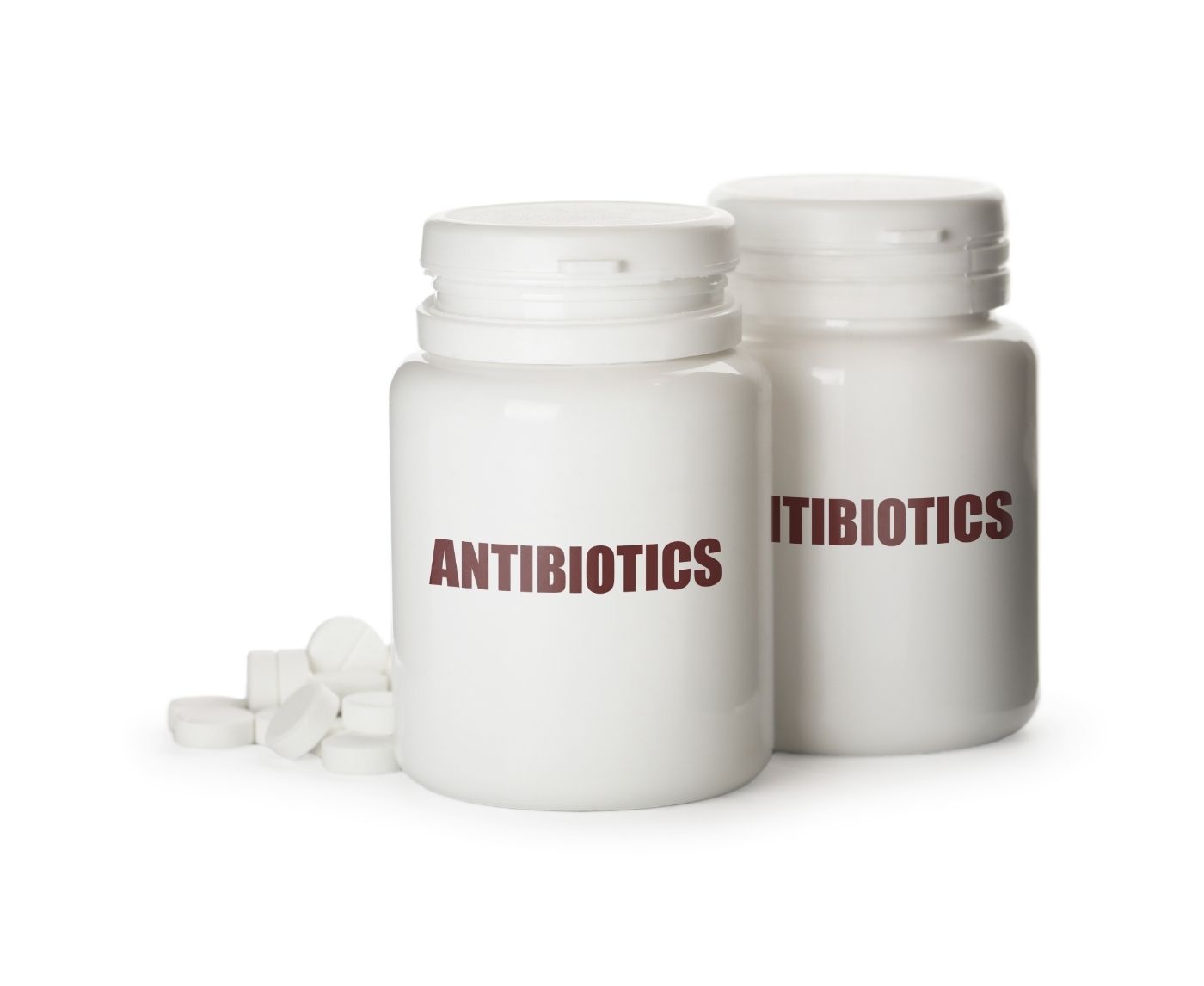
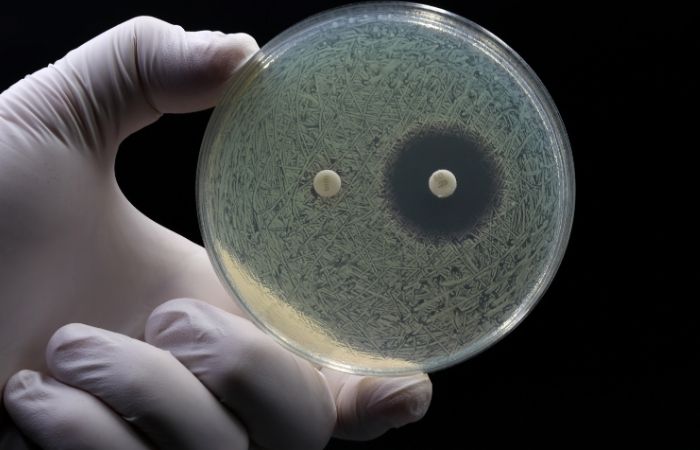
STIs͏͏ have͏͏ always͏͏ been͏͏ a͏͏ major͏͏ public͏͏ health͏͏ concern,͏͏ but͏͏ in͏͏ the͏͏ past,͏͏ antibiotics͏͏ kept͏͏ them͏͏ under͏͏ control.͏͏ Unfortunately,͏͏ overuse͏͏ and͏͏ misuse͏͏ of͏͏ antibiotics͏͏ have͏͏ accelerated͏͏ resistance,͏͏ making͏͏ once-treatable͏͏ infections͏͏ harder—or͏͏ even͏͏ impossible—to͏͏ cure.
The͏͏ World͏͏ Health͏͏ Organization͏͏ (WHO)͏͏ and͏͏ Centers͏͏ for͏͏ Disease͏͏ Control͏͏ and͏͏ Prevention͏͏ (CDC)͏͏ warn͏͏ that͏͏ we’re͏͏ on͏͏ the͏͏ brink͏͏ of͏͏ a͏͏ crisis.͏͏ Some͏͏ of͏͏ the͏͏ most͏͏ concerning͏͏ developments͏͏ include:
- Super͏͏ Gonorrhea͏͏ –͏͏ A͏͏ strain͏͏ of͏͏ gonorrhea͏͏ resistant͏͏ to͏͏ nearly͏͏ all͏͏ known͏͏ antibiotics͏͏ has͏͏ emerged,͏͏ particularly͏͏ in͏͏ Southeast͏͏ Asia͏͏ and͏͏ Europe.͏͏ The͏͏ CDC͏͏ reported͏͏ cases͏͏ in͏͏ the͏͏ U.S.͏͏ where͏͏ traditional͏͏ treatments͏͏ failed.
- Mycoplasma͏͏ Genitalium͏͏ (Mgen)͏͏ –͏͏ This͏͏ lesser-known͏͏ STI͏͏ is͏͏ increasingly͏͏ resistant͏͏ to͏͏ antibiotics,͏͏ leading͏͏ to͏͏ chronic͏͏ infections͏͏ and͏͏ complications.
- Syphilis͏͏ Treatment͏͏ Challenges͏͏ –͏͏ Once͏͏ nearly͏͏ eradicated͏͏ in͏͏ developed͏͏ countries,͏͏ syphilis͏͏ is͏͏ making͏͏ a͏͏ comeback,͏͏ and͏͏ some͏͏ cases͏͏ no͏͏ longer͏͏ respond͏͏ to͏͏ penicillin—the͏͏ drug͏͏ that͏͏ has͏͏ been͏͏ the͏͏ gold͏͏ standard͏͏ for͏͏ decades.
- Drug-Resistant͏͏ Chlamydia͏͏ –͏͏ While͏͏ less͏͏ common,͏͏ resistant͏͏ chlamydia͏͏ cases͏͏ have͏͏ been͏͏ reported,͏͏ raising͏͏ concerns͏͏ about͏͏ treatment͏͏ effectiveness͏͏ in͏͏ the͏͏ future.
Anecdotal͏͏ Experience
Samantha,͏͏ a͏͏ 27-year-old͏͏ from͏͏ California,͏͏ contracted͏͏ gonorrhea͏͏ during͏͏ a͏͏ brief͏͏ relationship.͏͏
“I͏͏ went͏͏ to͏͏ get͏͏ treated,͏͏ expecting͏͏ the͏͏ usual͏͏ antibiotics,”͏͏ she͏͏ says.͏͏ “But͏͏ a͏͏ week͏͏ later,͏͏ my͏͏ symptoms͏͏ didn’t͏͏ go͏͏ away.͏͏ The͏͏ doctor͏͏ told͏͏ me͏͏ my͏͏ infection͏͏ was͏͏ resistant͏͏ to͏͏ the͏͏ first-line͏͏ treatment,͏͏ and͏͏ I͏͏ needed͏͏ a͏͏ stronger͏͏ injection.͏͏ It͏͏ was͏͏ scary͏͏ knowing͏͏ that͏͏ if͏͏ it͏͏ didn’t͏͏ work,͏͏ I͏͏ might͏͏ be͏͏ out͏͏ of͏͏ options.”
Why͏͏ Are͏͏ STIs͏͏ Becoming͏͏ Resistant͏͏ to͏͏ Antibiotics?
Several͏͏ key͏͏ factors͏͏ contribute͏͏ to͏͏ this͏͏ crisis:
- Overuse͏͏ of͏͏ Antibiotics͏͏ –͏͏ Many͏͏ doctors͏͏ prescribe͏͏ broad-spectrum͏͏ antibiotics͏͏ without͏͏ proper͏͏ testing,͏͏ allowing͏͏ bacteria͏͏ to͏͏ evolve͏͏ resistance͏͏ quickly.
- Incomplete͏͏ Treatments͏͏ –͏͏ Patients͏͏ who͏͏ fail͏͏ to͏͏ finish͏͏ their͏͏ prescribed͏͏ antibiotic͏͏ course͏͏ (because͏͏ they͏͏ feel͏͏ better͏͏ or͏͏ forget)͏͏ give͏͏ bacteria͏͏ a͏͏ chance͏͏ to͏͏ adapt.
- Self-Medication͏͏ &͏͏ Misuse͏͏ –͏͏ In͏͏ some͏͏ countries,͏͏ people͏͏ obtain͏͏ antibiotics͏͏ without͏͏ prescriptions,͏͏ leading͏͏ to͏͏ inappropriate͏͏ dosages͏͏ and͏͏ misuse.
- Globalization͏͏ &͏͏ Increased͏͏ Travel͏͏ –͏͏ Drug-resistant͏͏ STI͏͏ strains͏͏ spread͏͏ rapidly͏͏ as͏͏ people͏͏ travel͏͏ and͏͏ engage͏͏ in͏͏ sexual͏͏ relationships͏͏ across͏͏ borders.
- Lack͏͏ of͏͏ New͏͏ Antibiotics͏͏ –͏͏ Pharmaceutical͏͏ companies͏͏ have͏͏ little͏͏ financial͏͏ incentive͏͏ to͏͏ develop͏͏ new͏͏ antibiotics,͏͏ leading͏͏ to͏͏ a͏͏ shortage͏͏ of͏͏ effective͏͏ treatments.
According͏͏ to͏͏ a͏͏ 2019͏͏ CDC͏͏ Antibiotic͏͏ Resistance͏͏ Threats͏͏ Report,͏͏ over͏͏ 550,000͏͏ cases͏͏ of͏͏ drug-resistant͏͏ gonorrhea͏͏ were͏͏ reported͏͏ worldwide,͏͏ and͏͏ the͏͏ number͏͏ is͏͏ increasing͏͏ yearly.
Check Your STD Status in Minutes
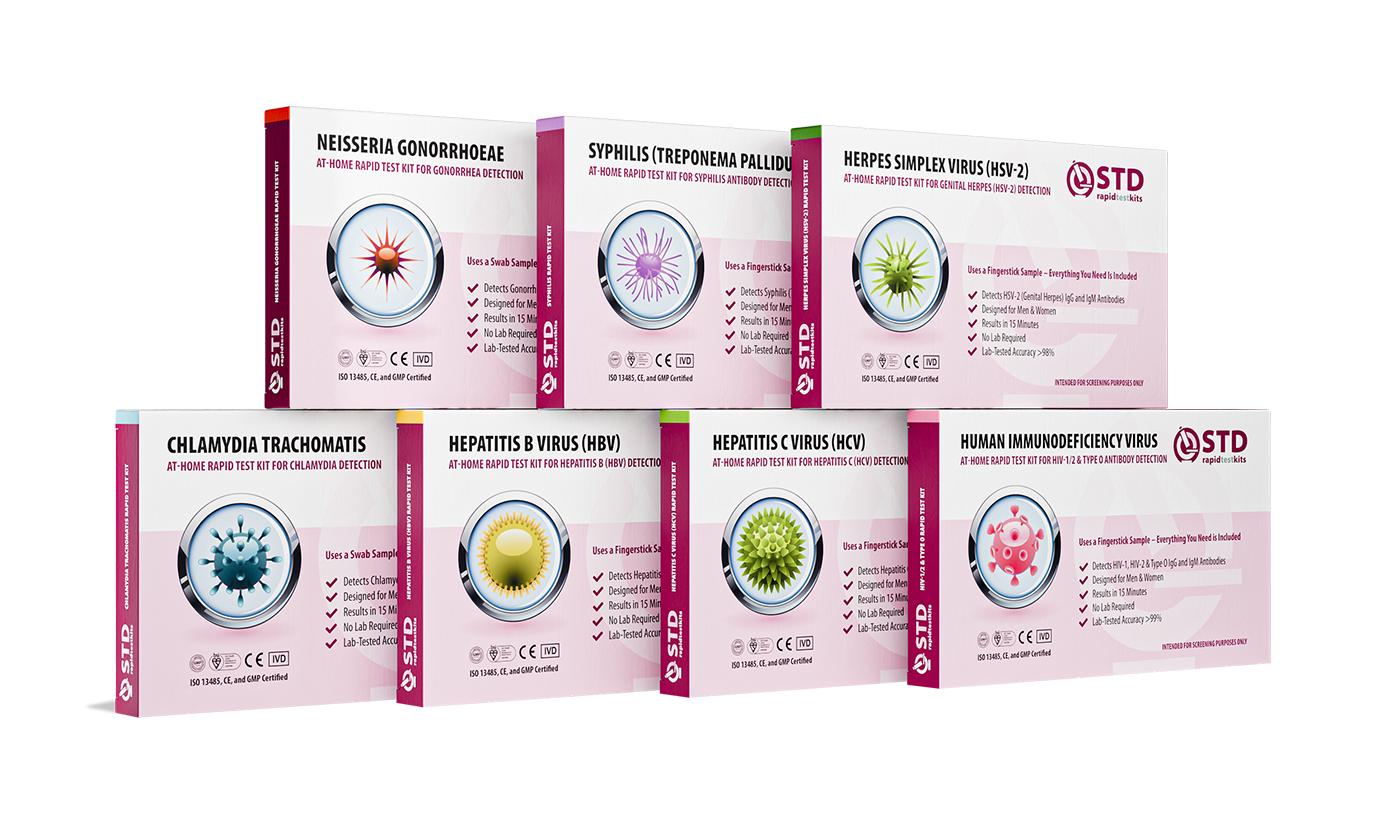
Test at Home with Remedium7-in-1 STD Test Kit
Claim Your Kit Today
Save 62%
 For Men & Women
 Results in Minutes
 No Lab Needed
 Private & Discreet
Order Now $129.00 $343.00
For all 7 tests
Key͏͏ Risks͏͏ of͏͏ Untreatable͏͏ STIs
Without͏͏ effective͏͏ antibiotics,͏͏ STI͏͏ infections͏͏ can͏͏ lead͏͏ to͏͏ serious͏͏ long-term͏͏ consequences,͏͏ including:
- Infertility͏͏ –͏͏ Gonorrhea͏͏ and͏͏ chlamydia͏͏ can͏͏ cause͏͏ pelvic͏͏ inflammatory͏͏ disease͏͏ (PID),͏͏ leading͏͏ to͏͏ scarring͏͏ of͏͏ reproductive͏͏ organs.
- Increased͏͏ HIV͏͏ Risk͏͏ –͏͏ STIs͏͏ that͏͏ cause͏͏ inflammation͏͏ (like͏͏ gonorrhea͏͏ and͏͏ syphilis)͏͏ make͏͏ it͏͏ easier͏͏ for͏͏ HIV͏͏ to͏͏ enter͏͏ the͏͏ body.
- Chronic͏͏ Pain͏͏ &͏͏ Organ͏͏ Damage͏͏ –͏͏ Mycoplasma͏͏ genitalium͏͏ and͏͏ untreated͏͏ gonorrhea͏͏ can͏͏ cause͏͏ persistent͏͏ pain,͏͏ urinary͏͏ issues,͏͏ and͏͏ organ͏͏ damage.
- Neonatal͏͏ Complications͏͏ –͏͏ Pregnant͏͏ women͏͏ with͏͏ untreated͏͏ STIs͏͏ can͏͏ pass͏͏ infections͏͏ to͏͏ their͏͏ newborns,͏͏ leading͏͏ to͏͏ blindness,͏͏ pneumonia,͏͏ or͏͏ even͏͏ stillbirth.

Anecdotal͏͏ Experience
Mark,͏͏ a͏͏ 35-year-old͏͏ from͏͏ New͏͏ York,͏͏ ignored͏͏ his͏͏ syphilis͏͏ symptoms͏͏ for͏͏ months.͏͏
“I͏͏ thought͏͏ it͏͏ would͏͏ clear͏͏ up͏͏ on͏͏ its͏͏ own,”͏͏ he͏͏ admits.͏͏ By͏͏ the͏͏ time͏͏ he͏͏ sought͏͏ treatment,͏͏ the͏͏ infection͏͏ had͏͏ progressed͏͏ to͏͏ a͏͏ late͏͏ stage,͏͏ causing͏͏ nerve͏͏ damage͏͏ and͏͏ vision͏͏ problems.͏͏ “My͏͏ doctor͏͏ said͏͏ if͏͏ I͏͏ had͏͏ come͏͏ in͏͏ earlier,͏͏ I͏͏ wouldn’t͏͏ be͏͏ dealing͏͏ with͏͏ these͏͏ complications,”͏͏
How͏͏ to͏͏ Protect͏͏ Yourself͏͏ Against͏͏ Antibiotic-Resistant͏͏ STIs
While͏͏ the͏͏ rise͏͏ of͏͏ superbug͏͏ STIs͏͏ is͏͏ alarming,͏͏ prevention͏͏ and͏͏ early͏͏ detection͏͏ remain͏͏ the͏͏ best͏͏ ways͏͏ to͏͏ protect͏͏ yourself.
Get͏͏ Regular͏͏ STI͏͏ Tests
- Routine͏͏ STI͏͏ screening͏͏ is͏͏ essential,͏͏ especially͏͏ if͏͏ you͏͏ have͏͏ multiple͏͏ partners.
- At-home͏͏ STI͏͏ test͏͏ kits͏͏ make͏͏ testing͏͏ easier͏͏ and͏͏ more͏͏ private,͏͏ ensuring͏͏ early͏͏ detection͏͏ without͏͏ a͏͏ trip͏͏ to͏͏ the͏͏ doctor.
Practice͏͏ Safer͏͏ Sex
- Use͏͏ condoms͏͏ and͏͏ dental͏͏ dams͏͏ consistently—they͏͏ reduce͏͏ the͏͏ risk͏͏ of͏͏ STI͏͏ transmission͏͏ significantly.
- Consider͏͏ mutual͏͏ monogamy͏͏ if͏͏ you͏͏ and͏͏ your͏͏ partner͏͏ have͏͏ been͏͏ tested.
Complete͏͏ Your͏͏ Antibiotics
- If͏͏ you͏͏ are͏͏ prescribed͏͏ antibiotics͏͏ for͏͏ an͏͏ STI,͏͏ finish͏͏ the͏͏ entire͏͏ course͏͏ even͏͏ if͏͏ symptoms͏͏ disappear.
- Never͏͏ share͏͏ or͏͏ use͏͏ leftover͏͏ antibiotics—this͏͏ contributes͏͏ to͏͏ resistance.
Advocate͏͏ for͏͏ Research͏͏ &͏͏ Awareness
- Support͏͏ initiatives͏͏ calling͏͏ for͏͏ new͏͏ antibiotic͏͏ development͏͏ and͏͏ STI͏͏ research.
- Spread͏͏ awareness͏͏ about͏͏ the͏͏ importance͏͏ of͏͏ responsible͏͏ antibiotic͏͏ use.
Check Your STD Status in Minutes
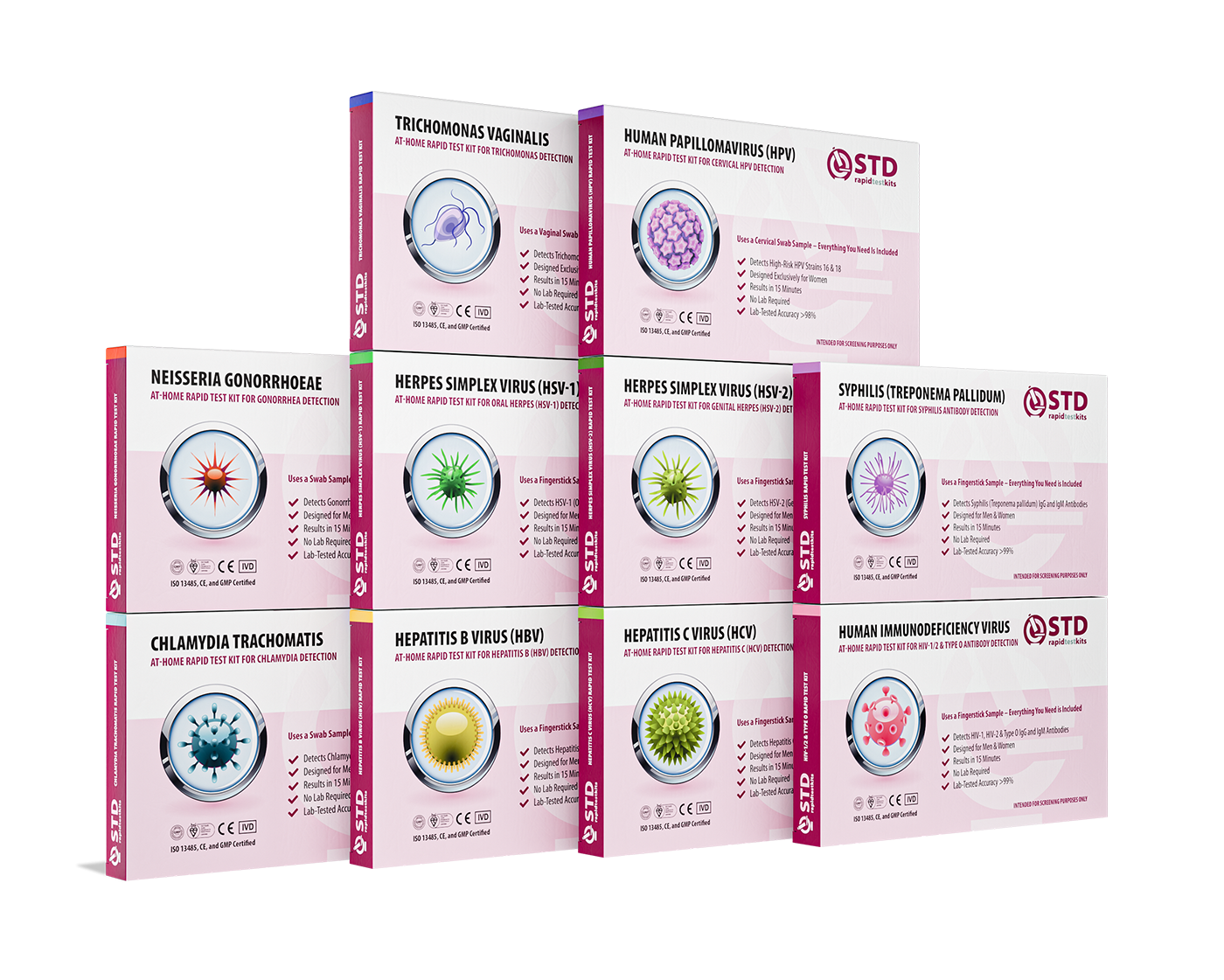
Test at Home with Remedium10-in-1 STD Test Kit
Claim Your Kit Today
Save 61%
 For WomenResults in MinutesNo Lab NeededPrivate & Discreet
Order Now $189.00 $490.00
For all 10 tests
FAQs
1.͏͏ What͏͏ are͏͏ antibiotic-resistant͏͏ STIs?
Antibiotic-resistant͏͏ STIs͏͏ are͏͏ sexually͏͏ transmitted͏͏ infections͏͏ that͏͏ no͏͏ longer͏͏ respond͏͏ to͏͏ commonly͏͏ used͏͏ antibiotics.͏͏ This͏͏ happens͏͏ when͏͏ bacteria͏͏ evolve͏͏ to͏͏ withstand͏͏ medications,͏͏ making͏͏ them͏͏ harder—or͏͏ even͏͏ impossible—to͏͏ treat.͏͏ Super͏͏ gonorrhea,͏͏ drug-resistant͏͏ chlamydia,͏͏ and͏͏ Mycoplasma͏͏ genitalium͏͏ are͏͏ some͏͏ of͏͏ the͏͏ biggest͏͏ concerns.
2.͏͏ How͏͏ do͏͏ STIs͏͏ become͏͏ resistant͏͏ to͏͏ antibiotics?
Resistance͏͏ develops͏͏ when͏͏ antibiotics͏͏ are͏͏ overused,͏͏ misused,͏͏ or͏͏ not͏͏ taken͏͏ properly.͏͏ If͏͏ patients͏͏ don’t͏͏ complete͏͏ their͏͏ full͏͏ antibiotic͏͏ course,͏͏ bacteria͏͏ survive͏͏ and͏͏ mutate͏͏ to͏͏ resist͏͏ the͏͏ drug.͏͏ Overprescription,͏͏ self-medication,͏͏ and͏͏ global͏͏ travel͏͏ also͏͏ contribute͏͏ to͏͏ the͏͏ spread͏͏ of͏͏ resistant͏͏ strains.
3.͏͏ Which͏͏ STIs͏͏ are͏͏ currently͏͏ showing͏͏ antibiotic͏͏ resistance?
The͏͏ most͏͏ concerning͏͏ drug-resistant͏͏ STIs͏͏ include:
- Gonorrhea͏͏ –͏͏ Several͏͏ strains͏͏ are͏͏ now͏͏ resistant͏͏ to͏͏ first-line͏͏ antibiotics.
- Chlamydia͏͏ –͏͏ Some͏͏ cases͏͏ are͏͏ showing͏͏ reduced͏͏ response͏͏ to͏͏ standard͏͏ treatments.
- Syphilis͏͏ –͏͏ Resistance͏͏ to͏͏ azithromycin͏͏ is͏͏ rising,͏͏ though͏͏ penicillin͏͏ is͏͏ still͏͏ effective.
- Mycoplasma͏͏ genitalium͏͏ –͏͏ A͏͏ growing͏͏ STI͏͏ that’s͏͏ becoming͏͏ increasingly͏͏ difficult͏͏ to͏͏ treat͏͏ with͏͏ available͏͏ antibiotics.
4.͏͏ What͏͏ are͏͏ the͏͏ symptoms͏͏ of͏͏ an͏͏ antibiotic-resistant͏͏ STI?
Symptoms͏͏ vary͏͏ depending͏͏ on͏͏ the͏͏ infection,͏͏ but͏͏ common͏͏ signs͏͏ include:
- Gonorrhea͏͏ &͏͏ chlamydia͏͏ –͏͏ Painful͏͏ urination,͏͏ unusual͏͏ discharge,͏͏ and͏͏ pelvic͏͏ pain.
- Syphilis͏͏ –͏͏ Painless͏͏ sores,͏͏ rashes,͏͏ and͏͏ neurological͏͏ issues͏͏ in͏͏ late͏͏ stages.
- Mycoplasma͏͏ genitalium͏͏ –͏͏ Burning͏͏ during͏͏ urination,͏͏ genital͏͏ discomfort,͏͏ and͏͏ possible͏͏ infertility͏͏ if͏͏ untreated.
If͏͏ you͏͏ experience͏͏ persistent͏͏ symptoms͏͏ despite͏͏ taking͏͏ antibiotics,͏͏ it͏͏ could͏͏ indicate͏͏ a͏͏ resistant͏͏ infection.
5.͏͏ Can͏͏ antibiotic-resistant͏͏ STIs͏͏ still͏͏ be͏͏ treated?
Some͏͏ cases͏͏ are͏͏ treatable͏͏ with͏͏ stronger,͏͏ last-line͏͏ antibiotics,͏͏ but͏͏ options͏͏ are͏͏ limited.͏͏ In͏͏ severe͏͏ cases,͏͏ patients͏͏ may͏͏ need͏͏ multiple͏͏ rounds͏͏ of͏͏ treatment,͏͏ and͏͏ some͏͏ infections͏͏ may͏͏ become͏͏ untreatable͏͏ over͏͏ time.͏͏ This͏͏ is͏͏ why͏͏ prevention͏͏ and͏͏ early͏͏ detection͏͏ are͏͏ so͏͏ important.
6.͏͏ How͏͏ can͏͏ I͏͏ protect͏͏ myself͏͏ from͏͏ antibiotic-resistant͏͏ STIs?
You͏͏ can͏͏ reduce͏͏ your͏͏ risk͏͏ by:
- Using͏͏ condoms͏͏ and͏͏ dental͏͏ dams͏͏ every͏͏ time͏͏ you͏͏ have͏͏ sex.
- Getting͏͏ tested͏͏ regularly—especially͏͏ if͏͏ you͏͏ have͏͏ new͏͏ or͏͏ multiple͏͏ partners.
- Avoiding͏͏ unnecessary͏͏ antibiotic͏͏ use͏͏ (never͏͏ self-medicate).
- Ensuring͏͏ partners͏͏ get͏͏ tested͏͏ before͏͏ engaging͏͏ in͏͏ unprotected͏͏ sex.
7.͏͏ How͏͏ often͏͏ should͏͏ I͏͏ get͏͏ tested͏͏ for͏͏ STIs?
The͏͏ CDC͏͏ recommends͏͏ that͏͏ sexually͏͏ active͏͏ individuals͏͏ test͏͏ for͏͏ STIs͏͏ at͏͏ least͏͏ once͏͏ a͏͏ year.͏͏ However,͏͏ you͏͏ should͏͏ test͏͏ more͏͏ frequently͏͏ (every͏͏ 3–6͏͏ months)͏͏ if͏͏ you:
- Have͏͏ multiple͏͏ partners.
- Engage͏͏ in͏͏ unprotected͏͏ sex.
- Have͏͏ a͏͏ history͏͏ of͏͏ STIs.
At-home͏͏ STI͏͏ test͏͏ kits͏͏ make͏͏ it͏͏ easy͏͏ and͏͏ convenient͏͏ to͏͏ screen͏͏ for͏͏ infections͏͏ without͏͏ visiting͏͏ a͏͏ clinic.
8.͏͏ Can͏͏ I͏͏ still͏͏ get͏͏ an͏͏ antibiotic-resistant͏͏ STI͏͏ even͏͏ if͏͏ I͏͏ practice͏͏ safe͏͏ sex?
While͏͏ condoms͏͏ and͏͏ safe͏͏ sex͏͏ reduce͏͏ your͏͏ risk,͏͏ they͏͏ are͏͏ not͏͏ 100%͏͏ effective.͏͏ Some͏͏ STIs,͏͏ like͏͏ syphilis͏͏ and͏͏ HPV,͏͏ spread͏͏ through͏͏ skin-to-skin͏͏ contact.͏͏ The͏͏ best͏͏ protection͏͏ is͏͏ a͏͏ combination͏͏ of͏͏ regular͏͏ testing,͏͏ open͏͏ communication͏͏ with͏͏ partners,͏͏ and͏͏ safe͏͏ sex͏͏ practices.
9.͏͏ What͏͏ should͏͏ I͏͏ do͏͏ if͏͏ I͏͏ think͏͏ I͏͏ have͏͏ a͏͏ resistant͏͏ STI?
If͏͏ you͏͏ suspect͏͏ an͏͏ STI͏͏ isn’t͏͏ responding͏͏ to͏͏ treatment:
- Stop͏͏ having͏͏ sex͏͏ until͏͏ you͏͏ receive͏͏ a͏͏ proper͏͏ diagnosis.
- Visit͏͏ a͏͏ healthcare͏͏ provider͏͏ immediately͏͏ for͏͏ further͏͏ testing.
- Follow͏͏ up͏͏ on͏͏ treatment—you͏͏ may͏͏ need͏͏ a͏͏ different͏͏ antibiotic͏͏ or͏͏ additional͏͏ tests.
- Inform͏͏ recent͏͏ sexual͏͏ partners͏͏ so͏͏ they͏͏ can͏͏ get͏͏ tested͏͏ and͏͏ treated.
10.͏͏ Are͏͏ at-home͏͏ STD͏͏ test͏͏ kits͏͏ effective͏͏ for͏͏ detecting͏͏ antibiotic-resistant͏͏ STIs?
Yes!͏͏ At-home͏͏ STI͏͏ test͏͏ kits͏͏ can͏͏ detect͏͏ infections,͏͏ but͏͏ they͏͏ don’t͏͏ determine͏͏ if͏͏ an͏͏ STI͏͏ is͏͏ resistant͏͏ to͏͏ antibiotics.͏͏ If͏͏ a͏͏ test͏͏ is͏͏ positive,͏͏ it’s͏͏ crucial͏͏ to͏͏ follow͏͏ up͏͏ with͏͏ a͏͏ doctor͏͏ to͏͏ discuss͏͏ treatment͏͏ options.
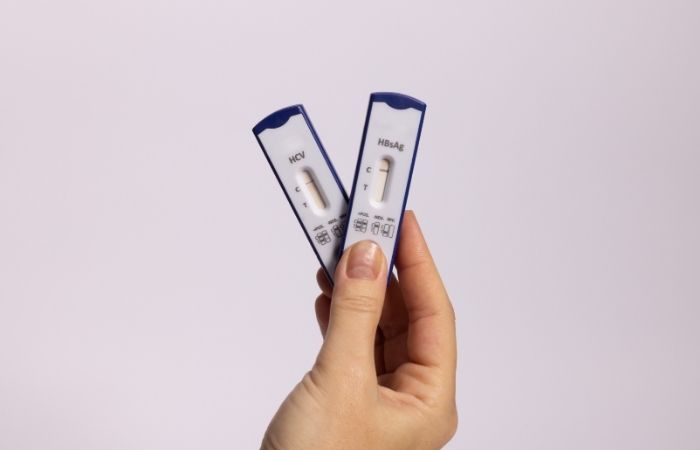
The͏͏ Importance͏͏ of͏͏ Early͏͏ Detection͏͏ &͏͏ Prevention
Antibiotic-resistant͏͏ STIs͏͏ are͏͏ not͏͏ just͏͏ a͏͏ medical͏͏ issue—they’re͏͏ a͏͏ public͏͏ health͏͏ crisis.͏͏ The͏͏ rise͏͏ of͏͏ super͏͏ gonorrhea,͏͏ drug-resistant͏͏ chlamydia,͏͏ and͏͏ incurable͏͏ Mycoplasma͏͏ genitalium͏͏ highlights͏͏ the͏͏ urgency͏͏ of͏͏ preventing͏͏ and͏͏ detecting͏͏ STIs͏͏ early.
Take͏͏ Action͏͏ Today
- Get͏͏ tested͏͏ regularly—At-home͏͏ STI͏͏ test͏͏ kits͏͏ offer͏͏ a͏͏ convenient͏͏ way͏͏ to͏͏ check͏͏ your͏͏ status.
- Protect͏͏ yourself—Use͏͏ condoms,͏͏ stay͏͏ informed,͏͏ and͏͏ complete͏͏ any͏͏ prescribed͏͏ treatment.
- Help͏͏ spread͏͏ awareness—Encourage͏͏ friends͏͏ and͏͏ partners͏͏ to͏͏ get͏͏ tested͏͏ and͏͏ practice͏͏ safer͏͏ sex.
Catching͏͏ an͏͏ STI͏͏ early͏͏ can͏͏ make͏͏ the͏͏ difference͏͏ between͏͏ a͏͏ curable͏͏ infection͏͏ and͏͏ a͏͏ lifelong͏͏ health͏͏ problem.͏͏ Prevention͏͏ and͏͏ early͏͏ intervention͏͏ are͏͏ key͏͏ to͏͏ staying͏͏ safe͏͏ in͏͏ the͏͏ fight͏͏ against͏͏ superbug͏͏ STIs.
Sources
1.- Impact of Antibiotics on Vaginal Health
2.- How Antibiotics Affect Vaginal Flora
3.- Study on Vaginal Microbiota Disruption
4.- Antibiotics and Bacterial Vaginosis
5.- HIV Risks Linked to Vaginal Flora Disruption


