






Treated for an STD? Here's Everything You Need to Do Before Having Sex Again
Quick Answer Box
Yes, men can get yeast infections from their partners. Candida can be passed through sexual contact, especially if one partner has an untreated yeast infection. Male yeast infections aren't classified as STDs, but they often act like them.
How Do Men Get Yeast Infections?
Most people associate yeast infections with women. It’s whispered about after sweaty workouts or blamed on bad birth control. But here’s the thing no one tells you: men get yeast infections too, and yes, you can absolutely get one from your partner.
In men, these infections often go undiagnosed. Symptoms can be subtle or mistaken for irritation, poor hygiene, or even STDs. Meanwhile, the Candida fungus quietly spreads and thrives, especially in moist, warm areas like the groin or under the foreskin. And yes, it can be passed during sex, even if your partner’s symptoms are mild or unnoticeable.
Here’s the bigger problem: untreated male yeast infections can trigger inflammation, weaken your immune defenses, and leave your body more vulnerable to real STDs. So even though they’re not technically sexually transmitted infections, they do play a role in the sexual health picture.
People are also looking for: What happens if I get gonorrhea more than once?
The main causes of yeast infections in men include
- Sexual Transmission: If your partner has a yeast infection, Candida can transfer during vaginal, oral, or anal sex. Unprotected sex increases this risk.
- Antibiotic Use: Antibiotics don’t discriminate; they kill good bacteria along with the bad, allowing yeast to overgrow.
- Diabetes: High blood sugar is a buffet for yeast. Men with poorly controlled diabetes are at higher risk.
- Weakened Immune System: Whether from illness, medications, or stress, a weakened immune system gives Candida an edge.
- Poor Hygiene: Moisture and sweat create a warm, yeast-loving playground, especially in tight underwear or if you’re uncircumcised.
Symptoms of Male Yeast Infections
Here’s what to look for, some guys only get one or two of these:
- Redness and irritation on the head of the penis
- Itching or burning in the genital area
- White, thick discharge (clumpy, like cottage cheese)
- Foul odor that wasn’t there before
- Pain during sex or urination
If left untreated, it can evolve into balanitis (inflammation of the penis head), which may require stronger prescription treatments. If you’re unsure whether it’s yeast or something else, get tested. A proper diagnosis matters.
Check Your STD Status in Minutes
Test at Home with RemediumChlamydia Test Kit
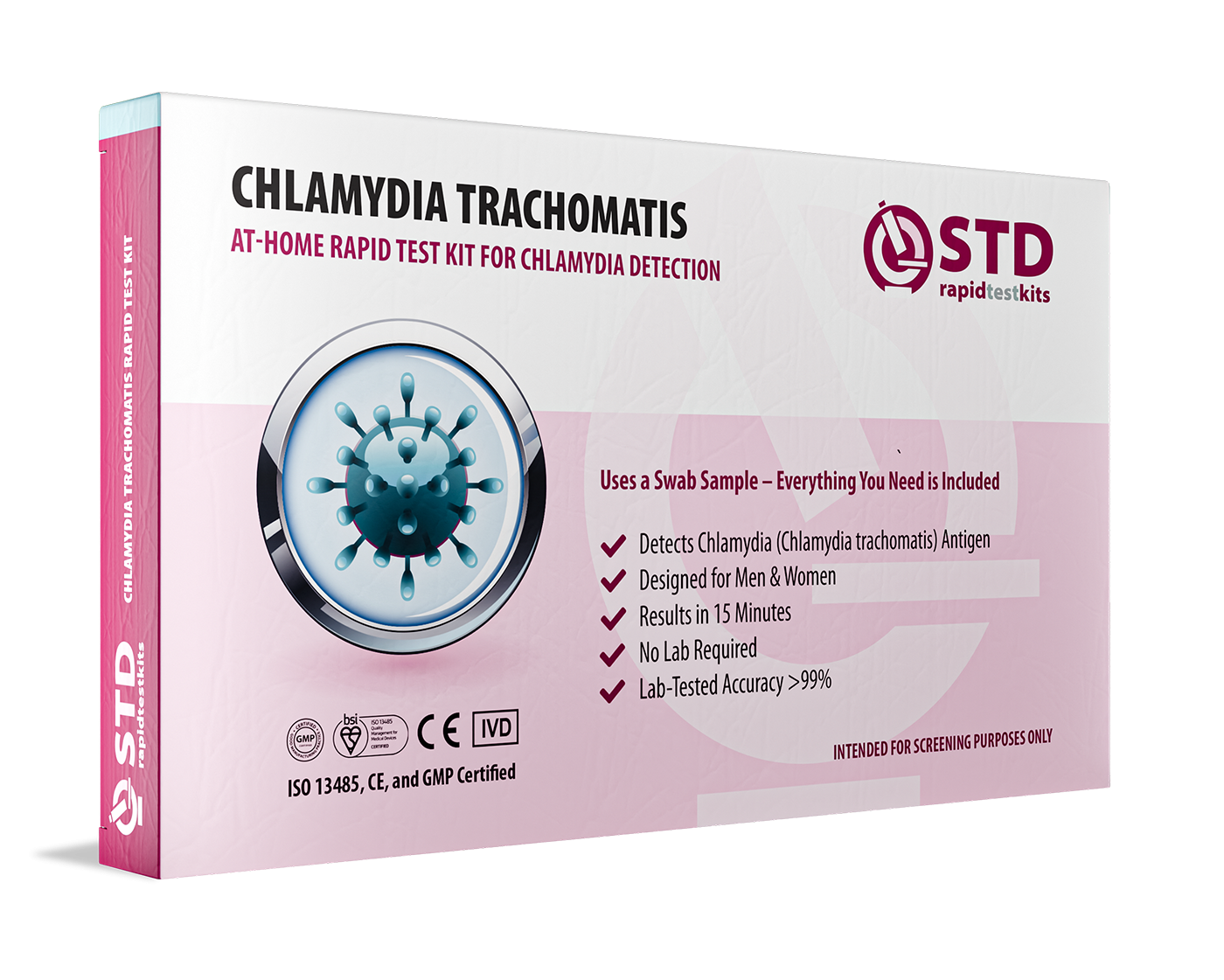
Claim Your Kit Today
Save 31%
 For Men & Women
 Results in Minutes
 No Lab Needed
 Private & Discreet
Order Now $33.99 $49.00
Medical Treatments for Male Yeast Infections
Good news: most male yeast infections are highly treatable, but the right treatment depends on the severity and whether it's recurring.
Over-the-Counter (OTC) Antifungals
For mild cases:
- Clotrimazole (Lotrimin)
- Miconazole (Monistat)
- Terbinafine (Lamisil)
Apply directly to the affected area twice daily. Most men feel relief in a few days.
Prescription Medications
If the infection is stubborn, spreading, or comes back frequently:
- Oral fluconazole (Diflucan): A single pill can clear it up, but some cases need a few doses.
- Prescription-strength creams: Like ketoconazole or combination antifungals with anti-inflammatories.
Natural/Home Remedies
Use these with caution and never instead of proper treatment:
- Probiotics: Help restore balance to your gut and skin flora. Yogurt works, but supplements are better.
- Coconut oil: Naturally antifungal. Apply topically to reduce irritation.
- Garlic or tea tree oil: Both have antifungal properties, but they can irritate sensitive skin. Do a patch test first.
And remember, ignoring a yeast infection can lead to skin cracking, secondary infections, or recurrent cycles. Don’t tough it out. Treat it.

People are also looking for: What if I keep getting yeast infections?
Preventing Yeast Infections in Men
Prevention isn’t just about hygiene; it’s about breaking the cycle.
Good Hygiene, But Not Overwashing
- Wash with mild, fragrance-free soap, daily, not obsessively.
- Dry thoroughly, especially under foreskin or in folds.
- Wear breathable underwear, cotton > synthetic.
Lifestyle and Diet Tweaks
- Cut back on sugar and alcohol, yeast loves both.
- If you're on antibiotics, take probiotics to protect your microbiome.
- Manage diabetes carefully. Sugar control = yeast control.
Smart Sex Practices
- Use condoms during sex, especially if your partner has symptoms.
- Avoid sex if either of you has visible irritation or discharge.
- Don’t rely on appearance alone, yeast can be present without obvious signs.
Even with perfect hygiene, some men still get recurring yeast infections. That’s a red flag, and it’s time to talk about the STD connection.
Check Your STD Status in Minutes
Test at Home with Remedium6-in-1 STD Rapid Test Kit

Claim Your Kit Today
Save 60%
For Men & WomenResults in MinutesNo Lab NeededPrivate & DiscreetOrder Now $119.00 $294.00
For all 6 tests
Can Yeast Infections Make You More Vulnerable to STDs?
Yeast infections may not be classified as STDs, but they can absolutely open the door for them. Here’s how:
- Barrier breakdown: A yeast infection causes micro-tears, irritation, and skin inflammation around the genitals. That makes it easier for STDs like herpes, chlamydia, or gonorrhea to enter your system.
- Immune distraction: Candida triggers an immune response, drawing your body’s defenses away from other threats.
- Co-infections are real: Studies show that men with recurring yeast infections often have an undiagnosed STD hiding underneath.
When should you get tested for STDs?
- You’ve had multiple yeast infections in a few months
- You have other symptoms: painful urination, sores, or unusual discharge
- Your partner recently tested positive for an STD
- You’ve had unprotected sex during or after a yeast infection
Testing is discreet and easy with an at-home STD test kit. If you’re not sure what you’re dealing with, a Multi-STD Essential Kit – 6 Tests can rule out bigger issues. Don’t wait and wonder, clarity is power.
FAQs
1. Can I get a yeast infection from oral sex?
Yes. Candida lives in the mouth and can be passed during oral-genital contact, especially if one partner has thrush.
2. Do yeast infections in men go away on their own?
Sometimes. Mild cases might resolve, but treatment speeds recovery and prevents spreading or recurrence.
3. How long does a male yeast infection last?
1–2 weeks with proper treatment. Untreated? It could linger and get worse.
4. Can I still have sex if I have a yeast infection?
Better not. You risk passing it back and forth endlessly. Wait until symptoms clear completely.
5. Does my partner need treatment too?
Yes, if they have symptoms. Otherwise, you’ll keep reinfecting each other.
6. Are yeast infections in men linked to diabetes?
Absolutely. High blood sugar fuels Candida overgrowth. Get tested if you have frequent infections.
7. Can stress cause yeast infections?
Indirectly. Stress lowers immune function, which makes you more vulnerable to infections.
8. What’s the best antifungal cream for men?
Clotrimazole or miconazole are first-line OTC options. Ketoconazole if it’s more severe.
9. Can male yeast infections cause infertility?
No direct link. But chronic inflammation can affect sexual comfort and performance.
10. What if my yeast infection keeps coming back?
Get tested. It could be diabetes, an STD, or another skin condition like eczema or psoriasis.
What This Means for You
Let’s strip the stigma: male yeast infections are common, treatable, and nothing to be embarrassed about. Whether it came from your partner, your antibiotics, or your sweaty gym shorts, what matters now is that you handle it before it spirals into a recurring nightmare or masks a deeper issue.
If you’re noticing redness, itching, discharge, or irritation, don’t guess. Get answers. Use an antifungal, talk to your doctor, and don’t sleep on the idea of testing for STDs, especially if this isn’t your first infection or if symptoms don’t add up.
Most importantly, communicate with your partner. Yeast can be passed back and forth easily. Treating both sides of the relationship is the only way to stop the cycle for good. Don’t wait and wonder, get tested from home discreetly and quickly.
If it’s yeast, great, you’ll treat it and move on. If it’s something else, you’ll know now, not later. Your health isn’t just your responsibility. It’s your power move.
Sources
1. CDC: Candidiasis (Yeast Infection)
2. Mayo Clinic: Yeast Infection (Male)
3. Cleveland Clinic: Male Yeast Infections
4. Journal of Fungi: Candida Pathogenicity and Resistance
5. Sexually Transmitted Infections Journal: Candida as a Co-Factor in STIs


