







How HIV Affects the Body as You Age: Health Risks & Prevention Strategies
The͏͏ Current͏͏ State͏͏ of͏͏ Sex͏͏ Education͏͏ in͏͏ Schools
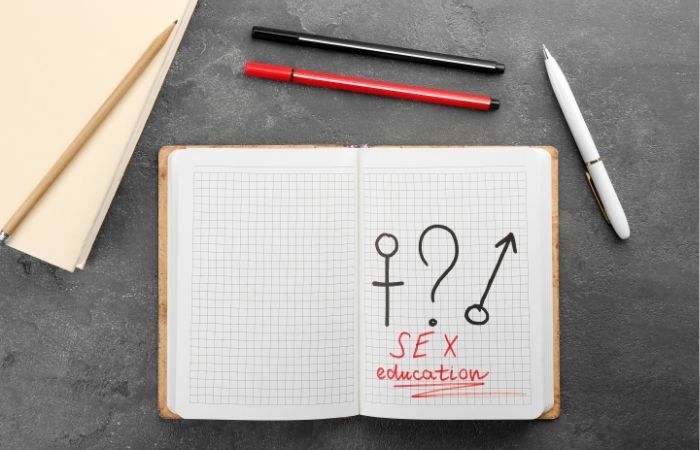
Sex͏͏ education͏͏ varies͏͏ widely͏͏ across͏͏ the͏͏ United͏͏ States.͏͏ While͏͏ some͏͏ states͏͏ mandate͏͏ comprehensive͏͏ sex͏͏ education͏͏ that͏͏ covers͏͏ contraception͏͏ and͏͏ STD͏͏ prevention,͏͏ others͏͏ focus͏͏ on͏͏ abstinence-only͏͏ programs,͏͏ which͏͏ discourage͏͏ premarital͏͏ sex͏͏ and͏͏ provide͏͏ limited͏͏ information͏͏ about͏͏ condoms͏͏ and͏͏ other͏͏ protective͏͏ measures.
- Only͏͏ 29͏͏ states͏͏ and͏͏ Washington͏͏ D.C.͏͏ mandate͏͏ sex͏͏ education͏͏ in͏͏ public͏͏ schools
- Fewer͏͏ than͏͏ 20͏͏ states͏͏ require͏͏ that͏͏ information͏͏ provided͏͏ be͏͏ medically͏͏ accurate
- 37͏͏ states͏͏ allow͏͏ parents͏͏ to͏͏ opt͏͏ their͏͏ children͏͏ out͏͏ of͏͏ sex͏͏ ed͏͏ programs
This͏͏ patchwork͏͏ approach͏͏ has͏͏ led͏͏ to͏͏ significant͏͏ gaps͏͏ in͏͏ knowledge͏͏ among͏͏ students.͏͏ Many͏͏ young͏͏ people͏͏ graduate͏͏ high͏͏ school͏͏ with͏͏ little͏͏ to͏͏ no͏͏ understanding͏͏ of͏͏ STD͏͏ prevention,͏͏ leading͏͏ to͏͏ risky͏͏ behaviors͏͏ that͏͏ contribute͏͏ to͏͏ the͏͏ rising͏͏ rates͏͏ of͏͏ infections.
Case͏͏ Study:͏͏ California͏͏ vs.͏͏ Mississippi
California:͏͏ The͏͏ state͏͏ mandates͏͏ comprehensive,͏͏ medically͏͏ accurate͏͏ sex͏͏ education,͏͏ emphasizing͏͏ STD͏͏ prevention,͏͏ contraception,͏͏ and͏͏ healthy͏͏ relationships.͏͏ Research͏͏ shows͏͏ that͏͏ California’s͏͏ teen͏͏ birth͏͏ rate͏͏ and͏͏ STD͏͏ rates͏͏ are͏͏ lower͏͏ than͏͏ the͏͏ national͏͏ average.
Mississippi:͏͏ The͏͏ state͏͏ focuses͏͏ heavily͏͏ on͏͏ abstinence-based͏͏ education,͏͏ and͏͏ does͏͏ not͏͏ require͏͏ medical͏͏ accuracy͏͏ in͏͏ its͏͏ curriculum.͏͏ As͏͏ a͏͏ result,͏͏ Mississippi͏͏ has͏͏ one͏͏ of͏͏ the͏͏ highest͏͏ rates͏͏ of͏͏ teen͏͏ pregnancy͏͏ and͏͏ STDs͏͏ in͏͏ the͏͏ country.
These͏͏ examples͏͏ illustrate͏͏ how͏͏ the͏͏ type͏͏ of͏͏ sex͏͏ education͏͏ students͏͏ receive͏͏ can͏͏ significantly͏͏ impact͏͏ their͏͏ health͏͏ outcomes.
Check Your STD Status in Minutes
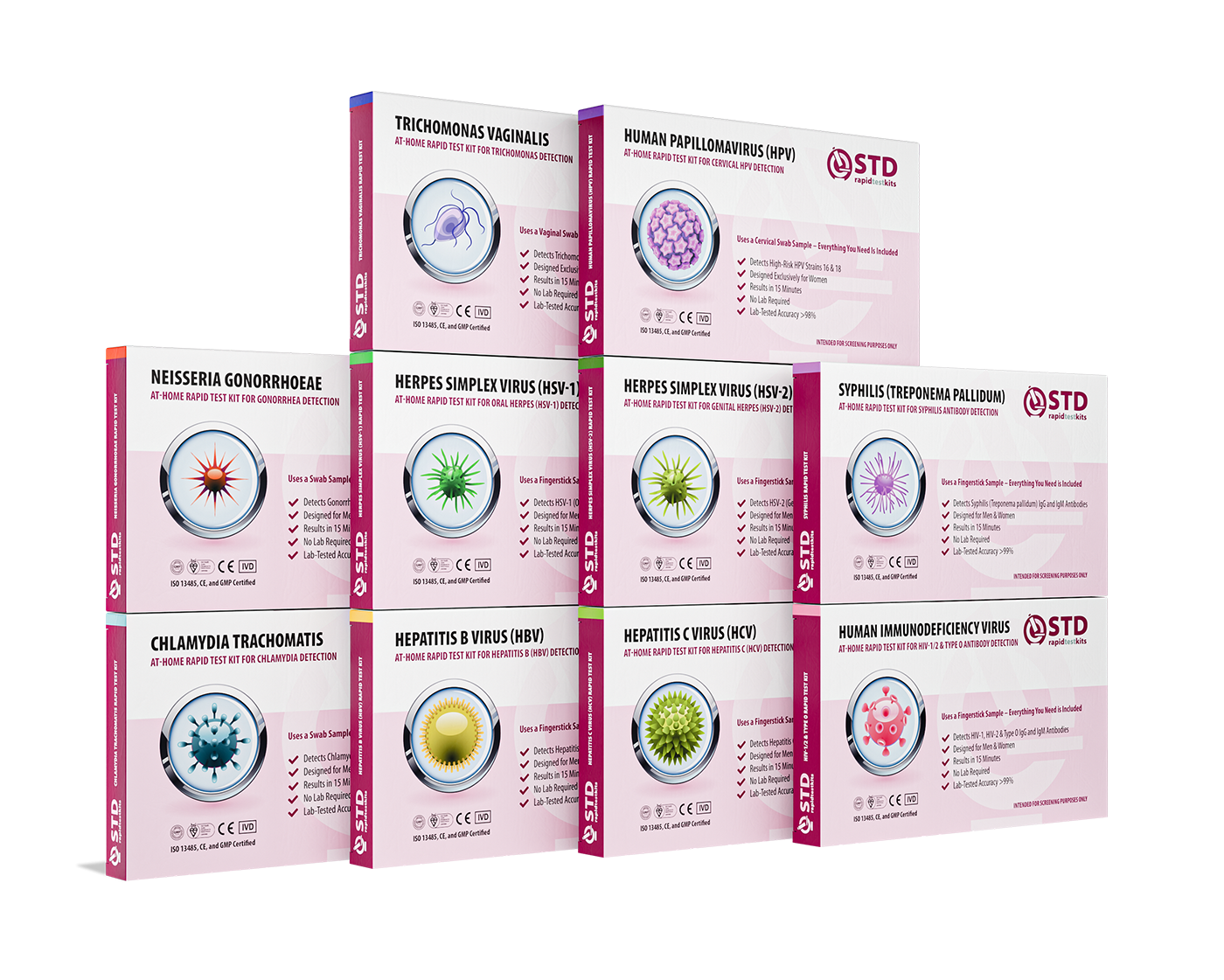
Test at Home with Remedium10-in-1 STD Test Kit
Claim Your Kit Today
Save 61%
 For Women
 Results in Minutes
 No Lab Needed
 Private & Discreet
Order Now $189.00 $490.00
For all 10 tests
The͏͏ Rising͏͏ STD͏͏ Rates͏͏ Among͏͏ Teenagers͏͏ and͏͏ Young͏͏ Adults
According͏͏ to͏͏ the͏͏ Centers͏͏ for͏͏ Disease͏͏ Control͏͏ and͏͏ Prevention͏͏ (CDC),͏͏ STDs͏͏ among͏͏ young͏͏ people͏͏ have͏͏ been͏͏ steadily͏͏ increasing͏͏ over͏͏ the͏͏ past͏͏ decade.
Key͏͏ Statistics
- Half͏͏ of͏͏ all͏͏ new͏͏ STD͏͏ cases͏͏ in͏͏ the͏͏ U.S.͏͏ occur͏͏ in͏͏ people͏͏ aged͏͏ 15-24.
- Chlamydia͏͏ cases͏͏ among͏͏ teens͏͏ have͏͏ risen͏͏ by͏͏ 19%͏͏ in͏͏ the͏͏ last͏͏ five͏͏ years.
- Gonorrhea͏͏ and͏͏ syphilis͏͏ cases͏͏ have͏͏ nearly͏͏ doubled͏͏ among͏͏ adolescents͏͏ since͏͏ 2010.
- Only͏͏ about͏͏ 54%͏͏ of͏͏ sexually͏͏ active͏͏ high͏͏ school͏͏ students͏͏ report͏͏ using͏͏ condoms.
These͏͏ statistics͏͏ highlight͏͏ the͏͏ urgent͏͏ need͏͏ for͏͏ better͏͏ sex͏͏ education͏͏ in͏͏ schools.͏͏ Without͏͏ adequate͏͏ knowledge,͏͏ many͏͏ teens͏͏ unknowingly͏͏ put͏͏ themselves͏͏ at͏͏ risk͏͏ for͏͏ infections͏͏ that͏͏ can͏͏ lead͏͏ to͏͏ infertility,͏͏ chronic͏͏ pain,͏͏ and͏͏ other͏͏ serious͏͏ health͏͏ complications.
Expert͏͏ Insight
Dr.͏͏ Julia͏͏ Bennett,͏͏ Director͏͏ of͏͏ Digital͏͏ Education͏͏ at͏͏ Planned͏͏ Parenthood,͏͏ emphasizes͏͏ that͏͏
“Comprehensive͏͏ sex͏͏ education͏͏ has͏͏ been͏͏ proven͏͏ to͏͏ reduce͏͏ the͏͏ rates͏͏ of͏͏ STDs͏͏ and͏͏ unintended͏͏ pregnancies.͏͏ When͏͏ students͏͏ are͏͏ given͏͏ accurate,͏͏ evidence-based͏͏ information,͏͏ they͏͏ are͏͏ more͏͏ likely͏͏ to͏͏ make͏͏ safer͏͏ choices.”
However,͏͏ many͏͏ students͏͏ report͏͏ that͏͏ their͏͏ sex͏͏ education͏͏ was͏͏ either͏͏ too͏͏ limited͏͏ or͏͏ nonexistent.͏͏ A͏͏ 2022͏͏ survey͏͏ found͏͏ that͏͏ over͏͏ 60%͏͏ of͏͏ students͏͏ wished͏͏ they͏͏ had͏͏ learned͏͏ more͏͏ about͏͏ STD͏͏ prevention͏͏ in͏͏ school.
Challenges͏͏ Facing͏͏ Sex͏͏ Education͏͏ Programs
While͏͏ many͏͏ schools͏͏ want͏͏ to͏͏ improve͏͏ their͏͏ sex͏͏ education͏͏ programs,͏͏ several͏͏ barriers͏͏ stand͏͏ in͏͏ the͏͏ way:
Political͏͏ and͏͏ Cultural͏͏ Resistance
Some͏͏ states͏͏ and͏͏ school͏͏ districts͏͏ avoid͏͏ discussing͏͏ contraception͏͏ or͏͏ STD͏͏ prevention͏͏ due͏͏ to͏͏ political,͏͏ religious,͏͏ or͏͏ cultural͏͏ objections.
Abstinence-only͏͏ programs͏͏ continue͏͏ to͏͏ receive͏͏ government͏͏ funding͏͏ despite͏͏ evidence͏͏ that͏͏ they͏͏ do͏͏ not͏͏ effectively͏͏ prevent͏͏ teen͏͏ pregnancies͏͏ or͏͏ STDs.
Lack͏͏ of͏͏ Standardization
- There͏͏ is͏͏ no͏͏ federal͏͏ mandate͏͏ ensuring͏͏ that͏͏ all͏͏ students͏͏ receive͏͏ comprehensive͏͏ sex͏͏ education.
- As͏͏ a͏͏ result,͏͏ the͏͏ quality͏͏ of͏͏ sex͏͏ ed͏͏ varies͏͏ drastically͏͏ depending͏͏ on͏͏ where͏͏ a͏͏ student͏͏ lives.
Insufficient͏͏ Teacher͏͏ Training
- Many͏͏ educators͏͏ lack͏͏ proper͏͏ training͏͏ to͏͏ teach͏͏ sex͏͏ ed͏͏ confidently.
- Some͏͏ teachers͏͏ avoid͏͏ discussing͏͏ STDs͏͏ in͏͏ detail͏͏ due͏͏ to͏͏ fear͏͏ of͏͏ backlash͏͏ from͏͏ parents͏͏ or͏͏ administrators.
Check Your STD Status in Minutes
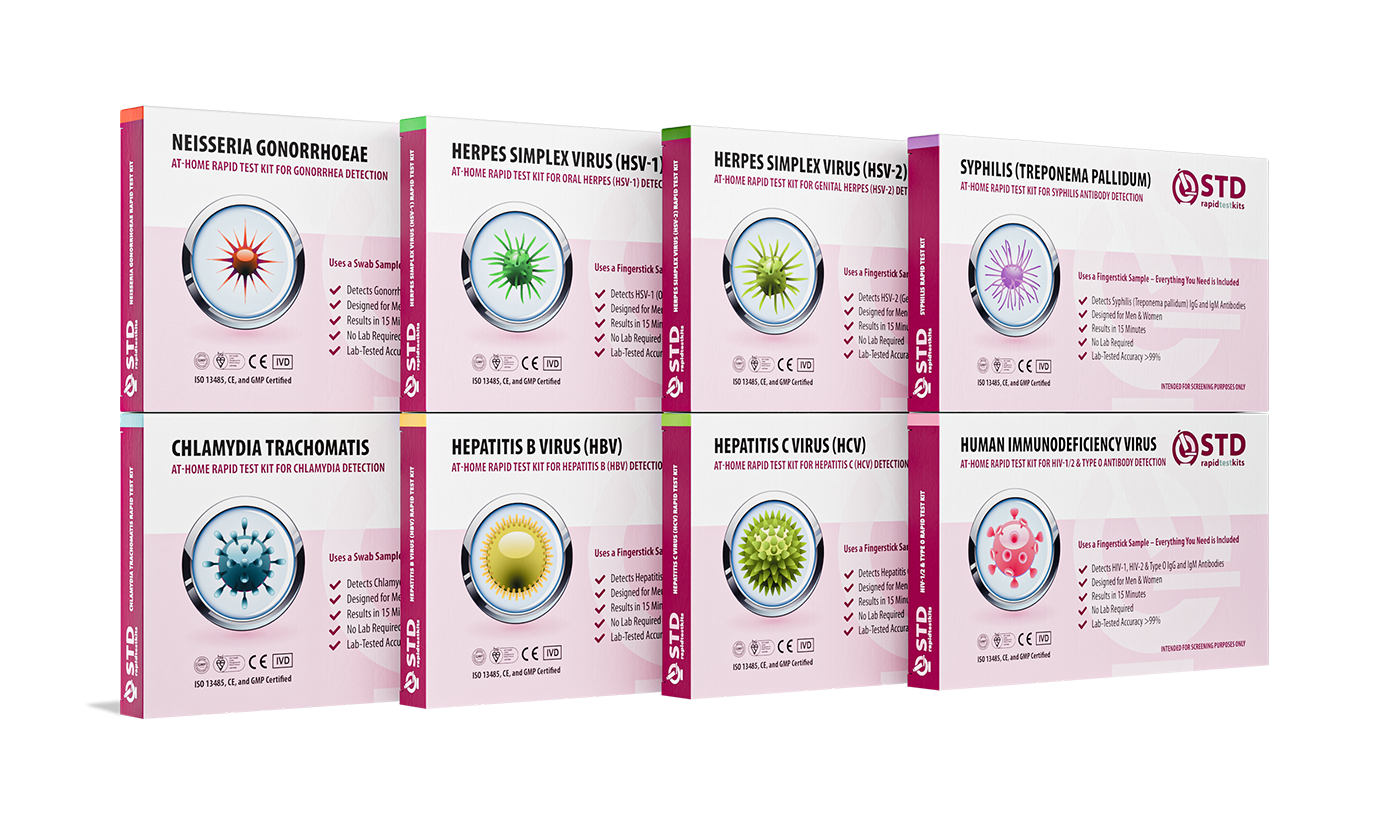
Test at Home with Remedium8-in-1 STD Test Kit
Claim Your Kit Today
Save 62%
 For Men & WomenResults in MinutesNo Lab NeededPrivate & Discreet
Order Now $149.00 $392.00
For all 8 tests
Solutions:͏͏ How͏͏ Schools͏͏ Can͏͏ Improve͏͏ STD͏͏ Prevention͏͏ Education
Despite͏͏ these͏͏ challenges,͏͏ there͏͏ are͏͏ proven͏͏ strategies͏͏ that͏͏ can͏͏ help͏͏ schools͏͏ provide͏͏ more͏͏ effective͏͏ sex͏͏ education.
Implement͏͏ Comprehensive,͏͏ Medically͏͏ Accurate͏͏ Sex͏͏ Ed͏͏ Nationwide
States͏͏ that͏͏ require͏͏ comprehensive͏͏ sex͏͏ education͏͏ see͏͏ lower͏͏ rates͏͏ of͏͏ STDs͏͏ and͏͏ teen͏͏ pregnancies. This͏͏ approach͏͏ should͏͏ cover:
- STD͏͏ transmission͏͏ and͏͏ prevention
- Contraception͏͏ methods
- Consent͏͏ and͏͏ healthy͏͏ relationships
Integrate͏͏ Technology͏͏ and͏͏ Online͏͏ Resources
Schools͏͏ can͏͏ partner͏͏ with͏͏ organizations͏͏ like͏͏ Planned͏͏ Parenthood,͏͏ CDC,͏͏ and͏͏ local͏͏ health͏͏ departments͏͏ to͏͏ provide͏͏ interactive͏͏ and͏͏ engaging͏͏ digital͏͏ resources͏͏ for͏͏ students.
Provide͏͏ Free͏͏ or͏͏ Low-Cost͏͏ STD͏͏ Testing͏͏ in͏͏ Schools
Schools͏͏ can͏͏ normalize͏͏ regular͏͏ STD͏͏ testing͏͏ by͏͏ offering͏͏ confidential,͏͏ accessible͏͏ testing͏͏ options͏͏ for͏͏ students.
Frequently͏͏ Asked͏͏ Questions͏͏
1.͏͏ What͏͏ is͏͏ the͏͏ difference͏͏ between͏͏ comprehensive͏͏ sex͏͏ education͏͏ and͏͏ abstinence-only͏͏ education?
Comprehensive͏͏ sex͏͏ education͏͏ covers͏͏ a͏͏ wide͏͏ range͏͏ of͏͏ topics,͏͏ including͏͏ STD͏͏ prevention,͏͏ contraception,͏͏ consent,͏͏ and͏͏ healthy͏͏ relationships.͏͏ Abstinence-only͏͏ education͏͏ focuses͏͏ on͏͏ avoiding͏͏ premarital͏͏ sex͏͏ and͏͏ often͏͏ excludes͏͏ information͏͏ about͏͏ contraception͏͏ and͏͏ STD͏͏ prevention.
2.͏͏ Do͏͏ abstinence-only͏͏ programs͏͏ help͏͏ prevent͏͏ STDs?
Research͏͏ shows͏͏ that͏͏ abstinence-only͏͏ programs͏͏ do͏͏ not͏͏ effectively͏͏ reduce͏͏ STD͏͏ rates͏͏ or͏͏ teen͏͏ pregnancies.͏͏ Comprehensive͏͏ sex͏͏ education,͏͏ which͏͏ includes͏͏ information͏͏ about͏͏ safe͏͏ sex͏͏ and͏͏ contraception,͏͏ is͏͏ far͏͏ more͏͏ effective͏͏ in͏͏ preventing͏͏ STDs.
3.͏͏ Why͏͏ don’t͏͏ all͏͏ schools͏͏ teach͏͏ about͏͏ STD͏͏ prevention?
Sex͏͏ education͏͏ policies͏͏ vary͏͏ by͏͏ state͏͏ and͏͏ school͏͏ district.͏͏ Some͏͏ regions͏͏ prioritize͏͏ abstinence-only͏͏ programs͏͏ due͏͏ to͏͏ political,͏͏ religious,͏͏ or͏͏ cultural͏͏ reasons,͏͏ while͏͏ others͏͏ lack͏͏ funding͏͏ or͏͏ standardized͏͏ curriculums.
4.͏͏ What͏͏ STDs͏͏ are͏͏ most͏͏ common͏͏ among͏͏ teenagers?
The͏͏ most͏͏ common͏͏ STDs͏͏ among͏͏ teens͏͏ include͏͏ chlamydia,͏͏ gonorrhea,͏͏ HPV,͏͏ herpes,͏͏ and͏͏ syphilis.͏͏ Many͏͏ of͏͏ these͏͏ infections͏͏ can͏͏ be͏͏ asymptomatic,͏͏ making͏͏ regular͏͏ testing͏͏ crucial.
5.͏͏ How͏͏ can͏͏ students͏͏ protect͏͏ themselves͏͏ from͏͏ STDs?
Using͏͏ condoms͏͏ and͏͏ other͏͏ forms͏͏ of͏͏ protection,͏͏ getting͏͏ vaccinated͏͏ for͏͏ HPV,͏͏ and͏͏ regular͏͏ STD͏͏ testing͏͏ are͏͏ the͏͏ best͏͏ ways͏͏ to͏͏ reduce͏͏ the͏͏ risk͏͏ of͏͏ infection.͏͏ Comprehensive͏͏ sex͏͏ education͏͏ also͏͏ helps͏͏ students͏͏ make͏͏ informed͏͏ choices.
Check Your STD Status in Minutes
Test at Home with Remedium7-in-1 STD Test Kit

Claim Your Kit Today
Save 62%
For Men & WomenResults in MinutesNo Lab NeededPrivate & DiscreetOrder Now $129.00 $343.00
For all 7 tests
6.͏͏ Are͏͏ parents͏͏ allowed͏͏ to͏͏ opt͏͏ their͏͏ children͏͏ out͏͏ of͏͏ sex͏͏ education?
Yes.͏͏ In͏͏ 37͏͏ states,͏͏ parents͏͏ can͏͏ opt͏͏ their͏͏ children͏͏ out͏͏ of͏͏ sex͏͏ education͏͏ programs͏͏ if͏͏ they͏͏ disagree͏͏ with͏͏ the͏͏ content.͏͏ However,͏͏ this͏͏ can͏͏ leave͏͏ students͏͏ without͏͏ essential͏͏ knowledge͏͏ about͏͏ STD͏͏ prevention͏͏ and͏͏ sexual͏͏ health.
7.͏͏ How͏͏ does͏͏ the͏͏ U.S.͏͏ compare͏͏ to͏͏ other͏͏ countries͏͏ in͏͏ sex͏͏ education?
Many͏͏ countries,͏͏ such͏͏ as͏͏ the͏͏ Netherlands,͏͏ Sweden,͏͏ and͏͏ Germany,͏͏ provide͏͏ early,͏͏ science-based͏͏ sex͏͏ education͏͏ and͏͏ have͏͏ lower͏͏ rates͏͏ of͏͏ teen͏͏ pregnancies͏͏ and͏͏ STDs.͏͏ The͏͏ U.S.͏͏ lags͏͏ behind͏͏ due͏͏ to͏͏ inconsistent͏͏ policies͏͏ and͏͏ abstinence-focused͏͏ programs͏͏ in͏͏ many͏͏ states.
8.͏͏ What͏͏ role͏͏ do͏͏ parents͏͏ play͏͏ in͏͏ sex͏͏ education?
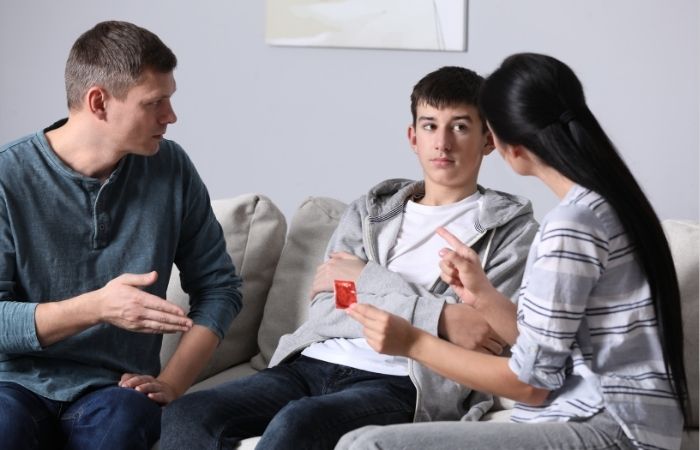
Parents͏͏ can͏͏ complement͏͏ school-based͏͏ sex͏͏ education͏͏ by͏͏ having͏͏ open,͏͏ honest͏͏ conversations͏͏ about͏͏ sexual͏͏ health,͏͏ relationships,͏͏ and͏͏ safe͏͏ sex͏͏ practices.͏͏ Studies͏͏ show͏͏ that͏͏ teens͏͏ who͏͏ discuss͏͏ sex͏͏ with͏͏ their͏͏ parents͏͏ are͏͏ more͏͏ likely͏͏ to͏͏ make͏͏ safer͏͏ choices.
9.͏͏ Where͏͏ can͏͏ teens͏͏ get͏͏ tested͏͏ for͏͏ STDs?
Teens͏͏ can͏͏ get͏͏ tested͏͏ at͏͏ local͏͏ clinics,͏͏ health͏͏ departments,͏͏ Planned͏͏ Parenthood,͏͏ and͏͏ some͏͏ school-based͏͏ health͏͏ centers.͏͏ At-home͏͏ STD͏͏ testing͏͏ is͏͏ also͏͏ available͏͏ for͏͏ privacy͏͏ and͏͏ convenience.
10.͏͏ How͏͏ can͏͏ I͏͏ advocate͏͏ for͏͏ better͏͏ sex͏͏ education͏͏ in͏͏ my͏͏ community?
You͏͏ can͏͏ support͏͏ comprehensive͏͏ sex͏͏ education͏͏ by:
- Contacting͏͏ local͏͏ school͏͏ boards͏͏ and͏͏ policymakers͏͏ to͏͏ push͏͏ for͏͏ evidence-based͏͏ curriculums.
- Partnering͏͏ with͏͏ organizations͏͏ like͏͏ Planned͏͏ Parenthood͏͏ and͏͏ the͏͏ Guttmacher͏͏ Institute͏͏ to͏͏ promote͏͏ awareness.
- Talking͏͏ with͏͏ parents,͏͏ educators,͏͏ and͏͏ students͏͏ about͏͏ the͏͏ importance͏͏ of͏͏ medically͏͏ accurate͏͏ sex͏͏ education.
Final͏͏ Thoughts:͏͏ Are͏͏ Schools͏͏ Doing͏͏ Enough?
The͏͏ data͏͏ and͏͏ expert͏͏ opinions͏͏ overwhelmingly͏͏ suggest͏͏ that͏͏ schools͏͏ are͏͏ not͏͏ doing͏͏ enough͏͏ to͏͏ teach͏͏ students͏͏ about͏͏ STD͏͏ prevention.͏͏ While͏͏ some͏͏ states͏͏ have͏͏ made͏͏ significant͏͏ progress,͏͏ many͏͏ sex͏͏ education͏͏ programs͏͏ remain͏͏ outdated,͏͏ incomplete,͏͏ or͏͏ misleading.
- Support͏͏ comprehensive͏͏ sex͏͏ education͏͏ in͏͏ your͏͏ community͏͏ by͏͏ advocating͏͏ for͏͏ policy͏͏ changes.
- Utilize͏͏ online͏͏ resources͏͏ from͏͏ organizations͏͏ like͏͏ Planned͏͏ Parenthood,͏͏ Guttmacher͏͏ Institute,͏͏ and͏͏ the͏͏ CDC͏͏ to͏͏ learn͏͏ more.
- Consider͏͏ at-home͏͏ STD͏͏ testing͏͏ if͏͏ you͏͏ or͏͏ someone͏͏ you͏͏ know͏͏ is͏͏ sexually͏͏ active͏͏ and͏͏ wants͏͏ a͏͏ convenient,͏͏ private͏͏ option͏͏ for͏͏ regular͏͏ testing.
By͏͏ addressing͏͏ the͏͏ gaps͏͏ in͏͏ sex͏͏ education,͏͏ we͏͏ can͏͏ help͏͏ reduce͏͏ the͏͏ spread͏͏ of͏͏ STDs͏͏ and͏͏ empower͏͏ young͏͏ people͏͏ with͏͏ the͏͏ knowledge͏͏ they͏͏ need͏͏ to͏͏ make͏͏ informed͏͏ decisions͏͏ about͏͏ their͏͏ health.
Sources
- Sex Education and STI Fatalism, Testing, and Infection Among Young African American Men
- The Effectiveness of an Extra-Curricular Lecture for STI Prevention
- Assessing and Improving the Knowledge of Sexually Transmitted Infections Among High School Students
- Comprehensive Sexuality Education – American College of Obstetricians and Gynecologists
- Sex Education in the United States – Wikipedia
- Comprehensive Sex Education – Wikipedia


