







Is Anal Sex Risky? Here’s What Doctors and Studies Reveal
Condoms: The Essential Part of Safe Sex
They are among the only types of prevention medication that provide their users with safety from both sexually transmitted illnesses and unwanted pregnancies. They block infected body fluids through a mechanical action: creating a barrier. The latex male condoms can prevent 98% of HIV and reduce many sexually transmitted diseases (STDs), including syphilis, gonorrhea, and chlamydia when used appropriately.
Condoms not only protect users from hazardous bacteria and viruses but also give them control over their sexual health. However, this efficiency depends upon the consistent and precise application of them, which often goes unnoticed.
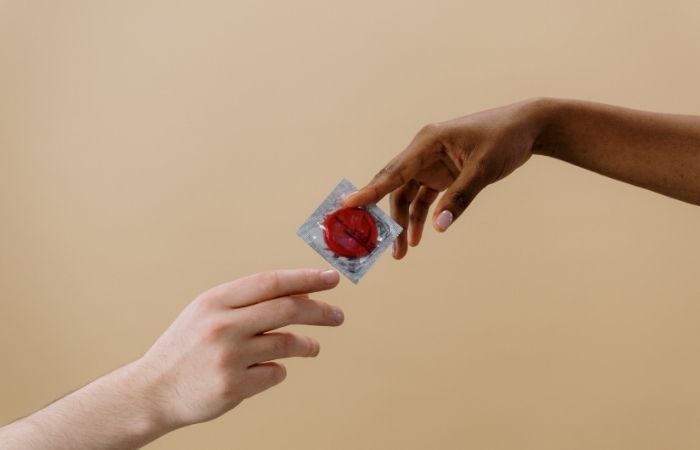
Benefits of Using Condoms to Avoid Sexually Transmitted Diseases
Protection Against STDs
Condoms are a very important tool in the prevention of sexually transmitted illnesses, including HIV, herpes, and HPV. They minimize the chance of skin-to-skin contact and fluid exchange, which helps to prevent the spread of many sexually transmitted diseases (STDs).
Easy to Obtain
Condoms are affordable and readily available to individuals around the globe. They can be accessed from most pharmacies and health centers. Some organizations provide them for free as part of their public health programs.
Encouraging Safe Sex Practices Without Risk
Active involvement in the use of condoms in safe sex practices develops accountability and mutual respect cultures within partnerships.
Customization to Satisfy All Requirements
Condoms come in a wide range of styles to accommodate the demands of different people. For those who are allergic to latex, there are latex-free options, and for those who want greater pleasure, there are textured patterns.
Order Now $129.00 $343.00 Check Your STD Status in Minutes
Test at Home with Remedium
7-in-1 STD Test Kit Claim Your Kit TodaySave 62%
 For Men & Women
 Results in Minutes
 No Lab Needed
 Private & Discreet
For all 7 tests
Common Issues and Misconceptions About Condoms
The beliefs and stigmas that stop people from using condoms are more prominent than the advantages that condoms provide. These challenges can be overcome in order to enhance their effectiveness and boost their adoption.
- Myth #1: Condoms Seldom Break
Truthfully, condoms seldom ever break whenever they are put on and used right. Improper storage is among the common reasons for breakage. This makes things expire or get used in wrong ways. - Myth #2: Condoms Affect Pleasure
Modern condoms, including ultra-thin and lubricated varieties, are designed to ensure minimal impact on sensation while providing maximum protection. - Myth #3: Condoms Are Only for Certain Types of Sexual Encounters
In fact, whatever type of sexual acts are engaged in, when there is a high risk of acquiring a sexually transmitted disease, wearing a condom is essential. - Challenge: Lack of Consistent Use
Even though condoms are readily available, many people still do not use them on a regular basis due to stigma, misunderstandings, or a lack of education. It is essential to overcome these challenges through awareness initiatives.
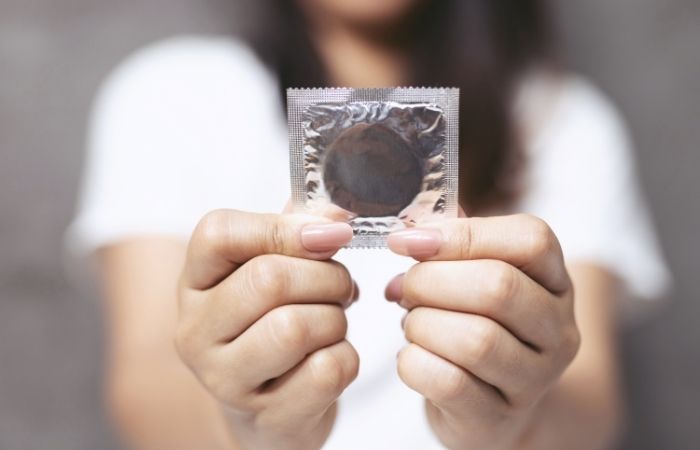
Useful Tips for Condom Use
- Check the Expiry Date: An expired condom is more likely to break than a non-expired one.
- Store Properly: Keep condoms in a cool, dry place to maintain their integrity.
- Use Water-Based Products for Lubrication: Latex condoms are more likely to shatter when they come into contact with oil-based items.
- Prepare Ahead of Time: If you are not familiar with condoms, practice using them so that you can avoid awkward circumstances during sexual moments.
Order Now $69.00 $147.00 Check Your STD Status in Minutes
Test at Home with Remedium
3-in-1 STD Test Kit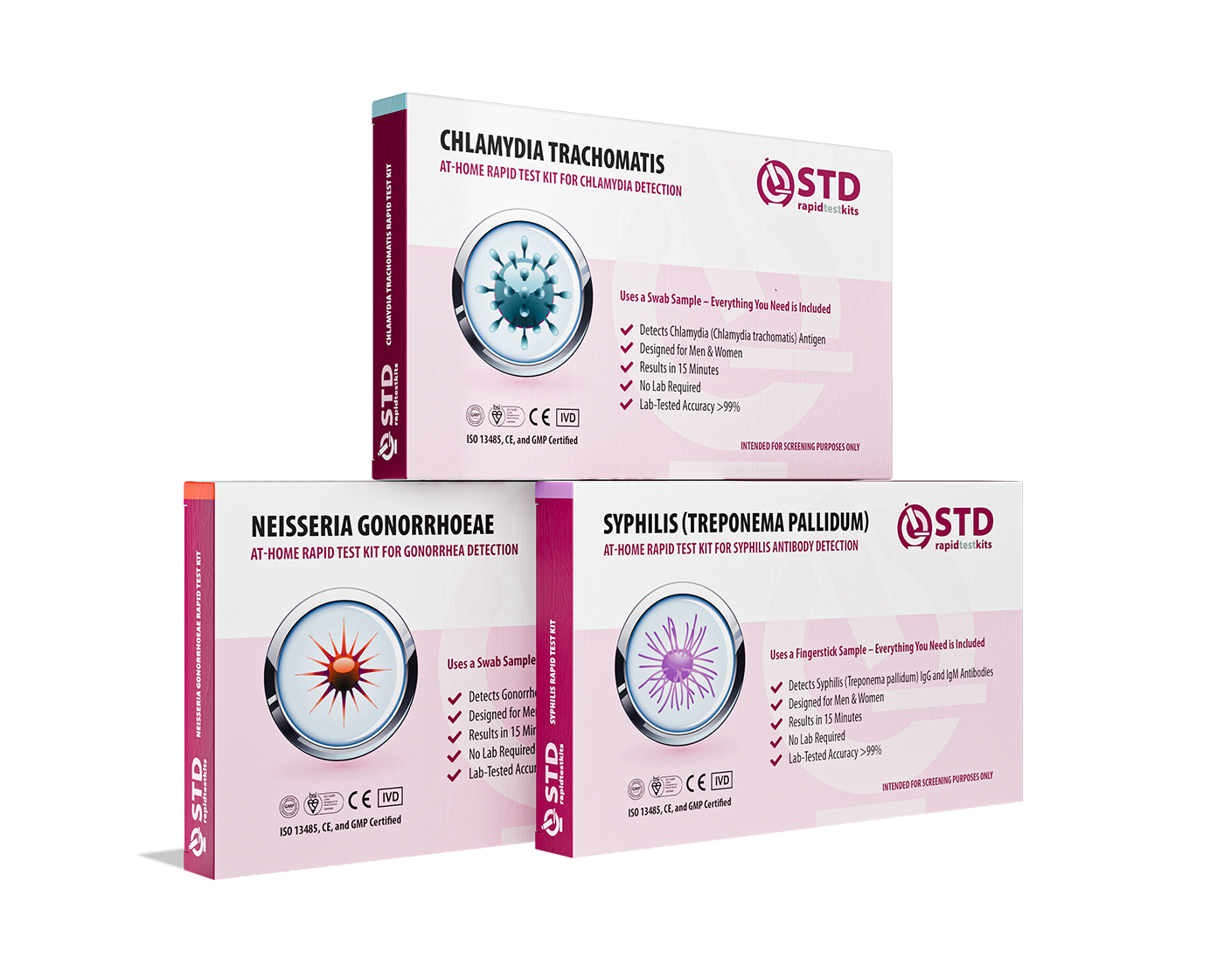 Claim Your Kit TodaySave 53%For Men & WomenResults in MinutesNo Lab NeededPrivate & Discreet
For all 3 tests
FAQs
1.- How effective are condoms at preventing sexually transmitted diseases?
When used properly and regularly, condoms are up to 98% effective in preventing HIV. They also significantly reduce the risk of other sexually transmitted diseases (STDs), including chlamydia, gonorrhea, and syphilis.
2.- Is it possible to avoid all sexually transmitted illnesses by wearing condoms?
Condoms are the best option for preventing sexually transmitted diseases (STDs) such as gonorrhea and HIV, which are conveyed through bodily fluids. However, they are not as effective against herpes and HPV, which are spread through skin-to-skin contact.
3.- Do non-latex condoms work to stop the spread of sexually transmitted diseases?
Using a polyurethane or polyisoprene condom that does not contain latex can help you prevent sexually transmitted infections (STDs). Condoms constructed from natural materials, such as lambskin, may not be effective in preventing diseases, including HIV.
4.- How can I make sure that a condom doesn't break when I'm using it?
Be sure to use water-based lubricants, check the expiration date, use condoms correctly without straining or tearing them, and keep them in a cool, dry place.
5.- Is it dangerous for a person's health to wear condoms?
The majority of people can use condoms without feeling unsafe. However, some people may have an allergic reaction to latex. There are alternative solutions available for individuals who have a latex allergy.
6.- Is it possible to use a condom more than once?
No, condoms are designed for single use only. Reusing condoms increases the likelihood of them breaking or causing an infection.
7.- What should I do if a condom breaks?
Immediately stop using it, get another one, and consider emergency birth control if necessary. It is very important to get tested for sexually transmitted diseases, especially if you have been exposed to one.
8.- Do condoms expire?
Yes, condoms do expire because the material they are made of deteriorates and is more likely to break after that date. Be careful to check the box before using it.
9.- Is it safe to use a condom during oral sex?
Using a condom during oral sex is the best way to avoid sexually transmitted diseases (STDs) like herpes, gonorrhea, and syphilis. For this reason, there are flavored condoms available.
10.- What are other ways to prevent STDs besides using condoms?
Alternative options include vaccinations (e.g., HPV), reducing the number of sexual partners, conducting regular tests on sexually transmitted diseases, and open conversations about sexual health. At-home STD test kits can also be easily procured, making regular testing more convenient and adding yet another layer of protection.
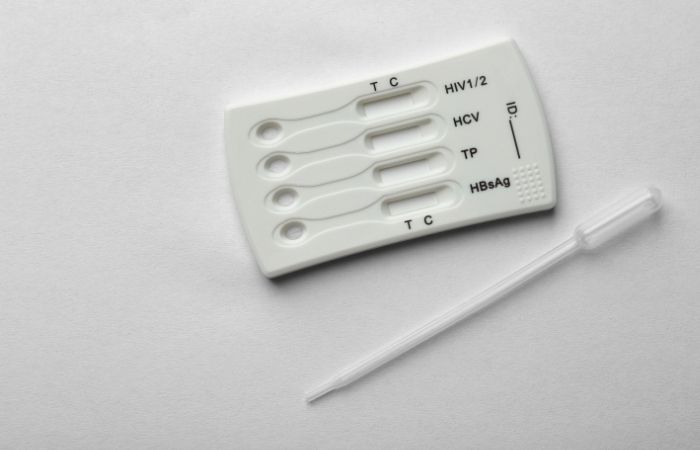
At-Home Testing for STDs
Condoms are very effective; however, they are not 100% reliable. As an additional precaution, individuals can monitor their sexual health by using at-home STD testing kits, which are both convenient and discreet. These kits also reduce the chances of issues and transmission by making it easier to diagnose and treat patients quickly.
Sources
1.- CDC: Condom Use
2.- PubMed: Effectiveness of Condoms


