






Can You Have an Anal STD With No Symptoms?
Can You Explain Co-Infections? Mastering the Basics
Co-infections are infections wherein a patient becomes infected with two or more sexually transmitted diseases at once. One example is the combination of chlamydia and gonorrhea, among others include syphilis and HIV; herpes and another sexually transmitted diseases.
Risk factors for co-infection include
- A past history of intercourse without protection.
- Having multiple sex partners.
The Process: Other diseases become easier to set in once some STDs break down the immune system. Some of the sexually transmitted diseases are actually debilitating to the immune system, as is the case with HIV.
Importance: Testing regularly is of importance because co-infections may make symptoms worse, slow healing, and make treatment more complicated.

How Serious Are Co-Infections?
Undiagnosed, severe health conditions may take place if someone has more than one sexually transmitted disease. Some of the following are a few possible risks:
- In case of two STDs occurring together, the symptoms of the first infection may become very acute.
- The long-term consequences of co-infections may be disastrous. They may lead to an increased chance of malignancy, PID, infertility, etc., among several other complications.
- Those who are already infected with one virus are at increased chances of infecting their partners, which increases the transmission rate.
Key Predictors of Concurrent Infections
The STDs are more likely to spread under the following conditions:
Unprotected Sexual Intercourse
The risk is very significantly higher in case of not using protection measures like condoms.
Multiple Sexual Partners
Having multiple sexual partners is a factor that contributes to a greater likelihood of acquiring numerous different types of infections.
Substance Use
Drug and alcohol use lowers judgment and increases the risk of sexually transmitted diseases.
Immune Deficiencies
Illnesses that cause immune system deficiencies, such as HIV or chronic illnesses, may make the body more vulnerable to so many threats.
Order Now $129.00 $343.00 Check Your STD Status in Minutes
Test at Home with Remedium
7-in-1 STD Test Kit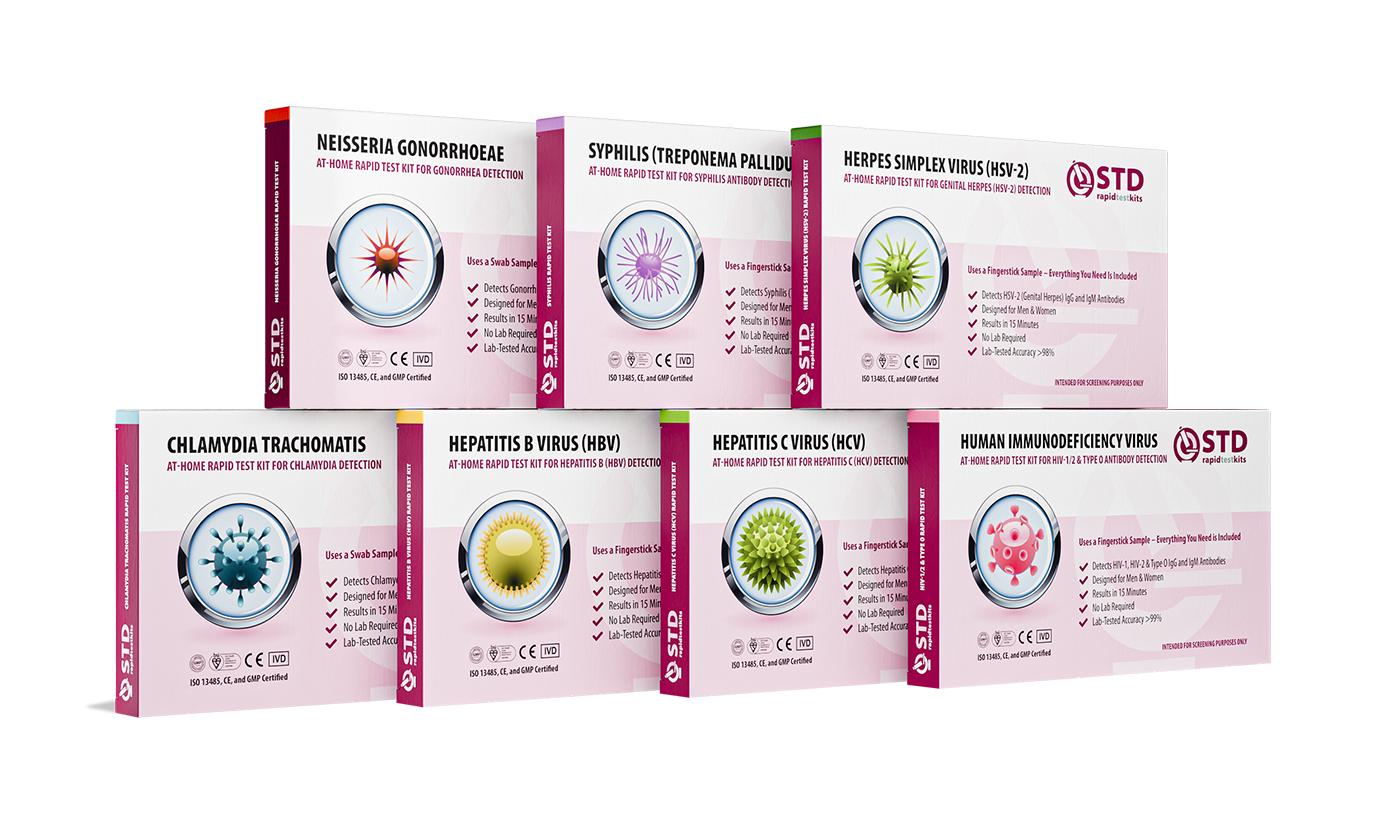 Claim Your Kit TodaySave 62%
 For Men & Women
 Results in Minutes
 No Lab Needed
 Private & Discreet
For all 7 tests
Risk for Co-Infections in Sexually Transmitted Infections
Due to their impact on the immune system or the physical symptoms they produce, many STIs predispose individuals to acquiring other diseases. Some important examples include the following:
- HIV: A weakened immune system is less effective at fighting off other diseases, and HIV is a major contributor to this. People infected with HIV commonly contract syphilis, herpes, gonorrhea, and chlamydia.
- Syphilis: Syphilis sores, also known as chancres, are open sores that other STIs may invade. The presence of open sores makes HIV an unusual co-infection in patients with syphilis.
- Herpes (HSV-1 and HSV-2): Herpes lesions make people more vulnerable to other STIs, especially HIV. Common co-infections include chlamydia, gonorrhea, and syphilis.
- Gonorrhea: Inflammation and damage to mucosal tissues can be caused by gonorrhea, which can increase the likelihood of further infections. Chlamydia is often diagnosed alongside gonorrhea.
- Trichomoniasis: This parasitic infection frequently coincides with gonorrhea. Inflammation in the vagina caused by trichomoniasis increases susceptibility to other STIs such as chlamydia and HIV.
- HPV: Though HPV is more related to warts and cervical cancer, it may raise the stakes for other diseases since it kills normal tissue. Concurrent bacterial STIs are often seen with HPV.
Detection of Illness
Detection and regulation of co-infections are done through testing. Here’s what one needs to know:
Frequency of Testing
Test if you have become conscious of new discharge, have sores, exchanged sex without protection, or have started dating new people recently.
Self-Testing Kits
The major advantages of home testing kits for STDs are privacy and convenience. You can test almost any disease covertly through them.
Clinic Visitations
Testing in the clinic is a good option for symptomatic patients and those who are involved in high-risk behaviors.
Symptoms of Multiple Infections
The symptoms of all sexually transmitted infections are different; however, the general symptoms include:
- Painful Urination
- Abnormal Discharge from the Vagina
- Sores or Blisters on Uterus
- Itching or Rashing on Skin
- Chills and Exhaustion, which feels like flu
Order Now $119.00 $294.00 Check Your STD Status in Minutes
Test at Home with Remedium
6-in-1 STD Test Kit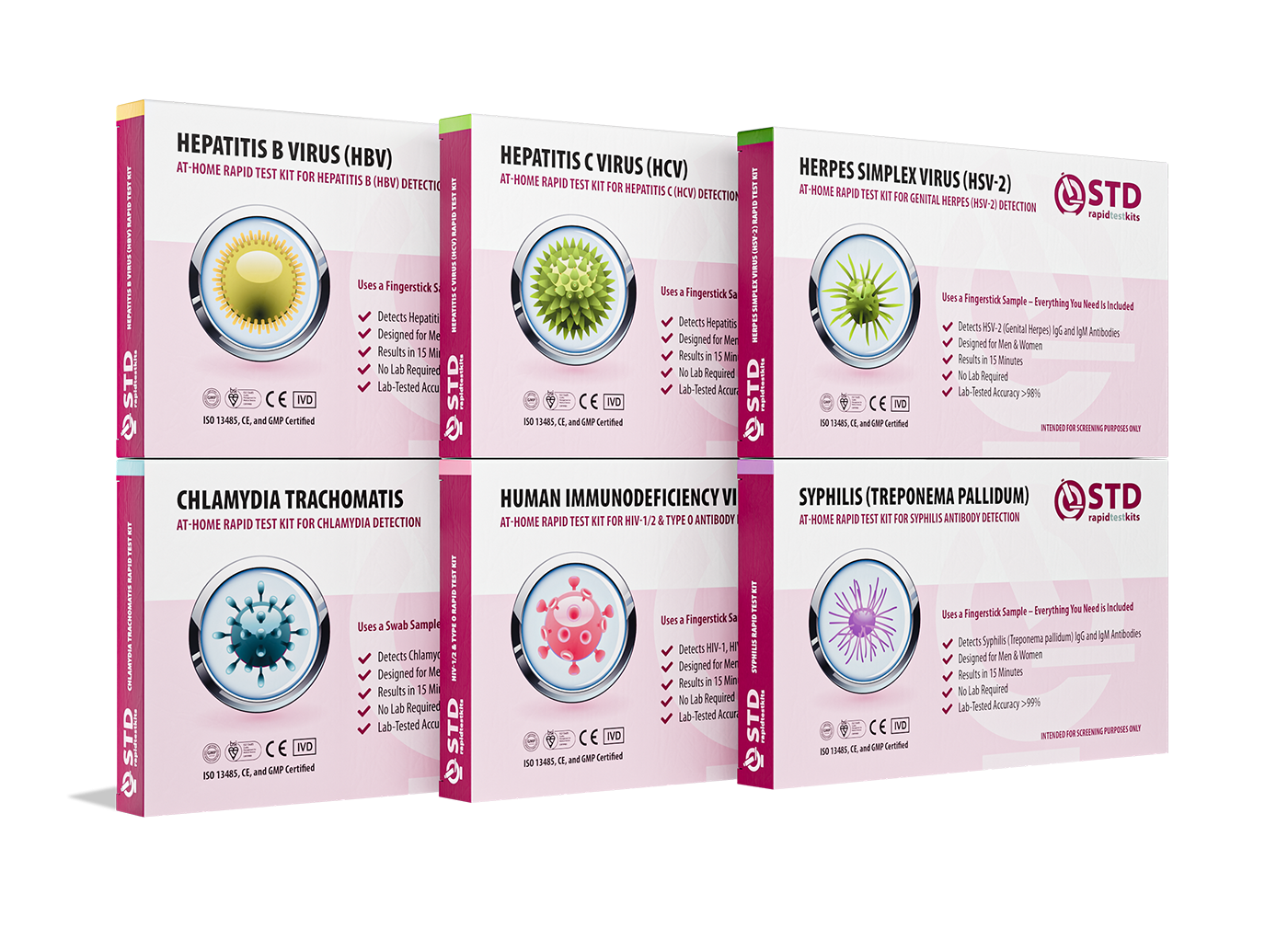 Claim Your Kit TodaySave 60%For Men & WomenResults in MinutesNo Lab NeededPrivate & Discreet
For all 6 tests
Preventive Measures
In terms of multiple infections of STD, there are great needs for preventives to help individuals protect themselves.
Using Protection
Using a dental dam and condom can halve the risks involved.
Screenings
Regular screenings for STDs reduce the chances of encountering risk and harm.
Open Communication
It is very crucial to discuss openly with your lover about sexual health to ensure keeping each other safe.
Possible Treatment
It might be difficult, but treatment for many STDs can be effective with proper care and treatment:
- Antibiotics: Infections like chlamydia and gonorrhea can be cured by antibiotics.
- Antiviral Medications: Persons infected with herpes and HIV require antiviral medication regularly.
- Partner Treatment: All partners should be treated to prevent reinfection.
FAQs
1.- Can you have more than one sexually transmitted disease?
Yes, you can have multiple STDs at the same time, which is called co-infection. You are more likely to get co-infected if you have a weakened immune system or if you have unprotected sex.
2.- How often do certain sexually transmitted infections occur together?
Chlamydia and gonorrhea are commonly co-infected, as are syphilis and HIV, and herpes with other viruses or bacteria.
3.- How can symptoms be affected by co-infections?
Infections at the same time may exacerbate the symptoms or bring new ones altogether.
4.- If you have one STD, are you more at risk for getting others?
A compromised immune system increases susceptibility to other diseases.
5.- What are the symptoms and signs of multiple STDs?
Symptoms include itching, painful urination, unusual discharge, and sores on the genitals.
6.- How does one check for different sexually transmitted diseases?
A full panel of tests can be used to test multiple diseases and can be found at clinics or through over-the-counter STD test kits.
7.- Can I rely on over-the-counter STD test kits to diagnose co-infections?
Many at-home STD test kits offer screening for multiple diseases at a time and are very confidential and easy.
8.- How are co-infections treated?
Bacterial diseases like chlamydia and gonorrhea are treated with antibiotics, while viral diseases like herpes or HIV require antiviral drugs.
9.- What precautions can I take to minimize my chances of catching contagions?
Safe sex practices, reducing the number of sexual partners, and open discussions with partners can prevent infections.
10.- How should I cope if I am diagnosed with many sexually transmitted diseases?
Adhere strictly to your doctor's orders and ensure all sexual partners are educated and treated.
The Importance of Knowledge for Sexual Health
It is important to increase awareness of co-infections as a way of decreasing stigma and increasing proactive care. When people are informed about the risks and encouraged to test regularly, they can better take care of their sexual health.
The significance of routine testing and safe procedures is highlighted by the occurrence of co-infections. Spreading knowledge, getting tested frequently, and thinking about buying an at-home STD test kit for further privacy are all great ways to protect your health.
Sources
1.- Can You Have More Than One STD? (PMC)
2.- Can You Have More Than One STD at a Time? (WellWisp)
3.- Can You Get More Than One STI at the Same Time? (Shim Clinic)


