







Full STD Panel vs Single Test: What You Actually Need
What's Stopping People from Testing?
The problem in a nutshell is the myths and realities of STD testing.
Most people are afraid of the very concept of testing for STDs. The reasons that help in keeping such stigma going include lack of knowledge, misapprehension of privacy concerns, and possible criticism. Various cultural taboos, misinformation, or misconceptions about modes of transmission or testing methods of STDs have been cited as common causes for such apprehension.
Unfortunately, stigma deters many from seeking crucial medical care, contributing to higher transmission rates due to delayed diagnosis. Promoting healthy relationships and ending the stigma placed upon sexual health are the additional motives for getting tested. However, the facilitation regarding such stigma is admitting how the stigmatism initially occurred.

Positive Aspects of Sexually Transmitted Disease Exams: Why You Should Do It
The testing for sexually transmitted diseases is much more than just being ill with one; it's an act of taking charge of one's health. Let me explain:
- Early Diagnosis and Proper Treatment: Chlamydia, for instance, or gonorrhea can give absolutely no signs. Many serious complications of such infections may be prevented or avoided with tests that offer on-time diagnosis and thus on-time treatment.
- Relaxation: When you are in the know, you have control of what will or may happen because you may begin to make appropriate decisions based on your status, therefore decreasing worry.
- Building Confidence in Personal Relationships: Testing promotes responsibility and trust that can enhance free communication with partners.
- Prevention of Rising Transmission Rates: You will help reduce the general prevalence of sexually transmitted infections within your community since early detection will lead to early treatment.
As if getting regular checkups and dental checkups are not enough, regular testing is a part of self-care, too. It is all about dismantling long-standing stigmas while staying on top of your health.
Order Now $119.00 $294.00 Check Your STD Status in Minutes
Test at Home with Remedium
6-in-1 STD Test Kit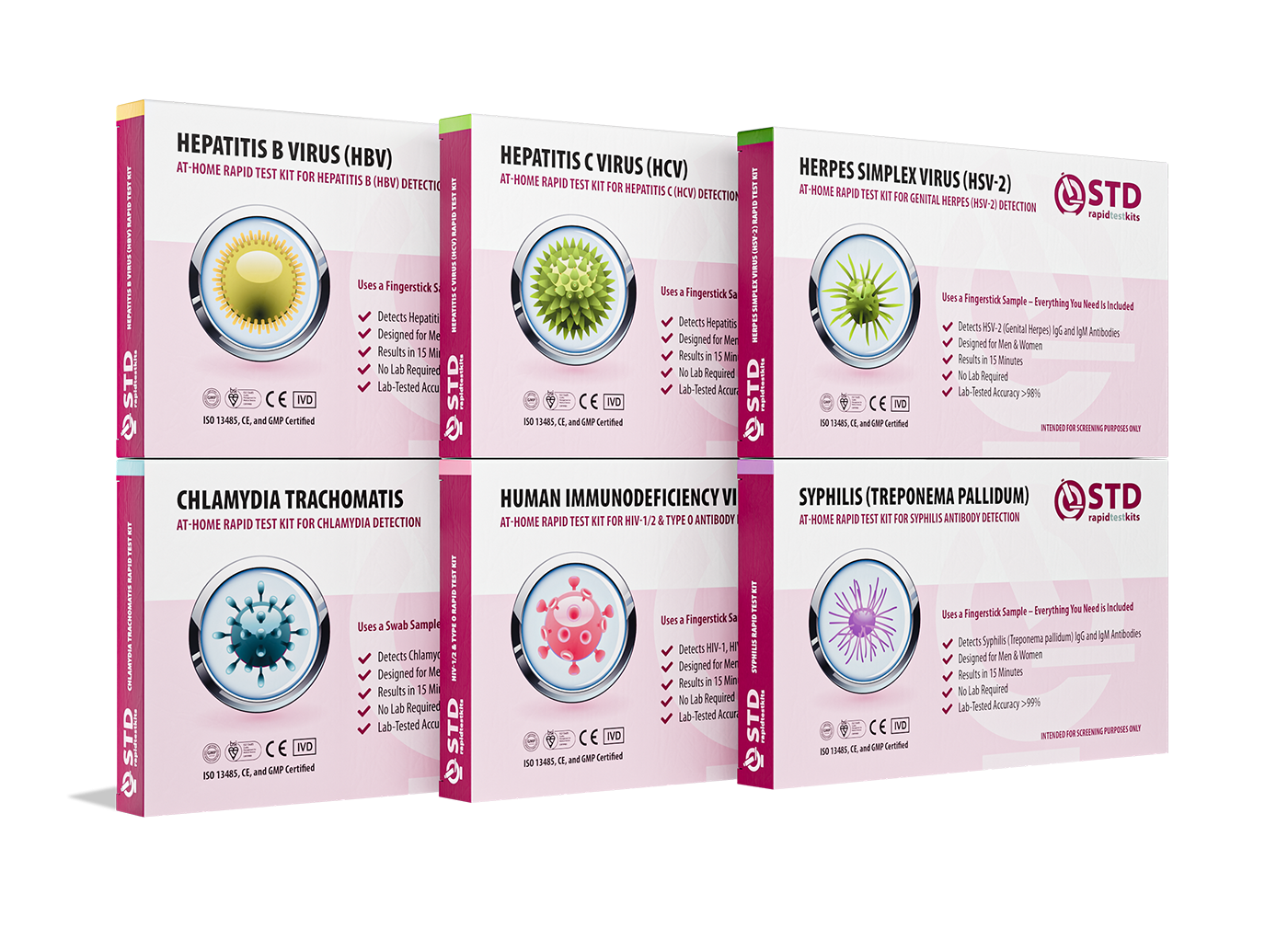 Claim Your Kit TodaySave 60%
 For Men & Women
 Results in Minutes
 No Lab Needed
 Private & Discreet
For all 6 tests
Reasons People Avoid Testing Due to Difficulties and Dangers
Despite the importance of STD testing, many people do not get tested because:
- Social Judgment: Fear of being judged as irresponsible or promiscuous.
- Personal Data Security: Fears of exposure, particularly in less populated regions.
- Fallacies: Incorrect data regarding testing procedures or the number of sexually transmitted infections.
- Cost and Accessibility: Many are discouraged, particularly in the poorest regions, due to cost and lack of testing sites.
Due to these barriers, the number of undiagnosed infections grows as they create reluctance among patients to be tested.
Challenges and Recommendations: Practical Ways of Breaking the Cycle
Here are some pragmatic techniques that can be used during the process of overcoming your anxiety towards getting yourself tested for STDs:
- Get the Right Knowledge: Dispel the myth. Educate yourself with information about sexually transmitted diseases and testing. The CDC and WHO have all the information with them in the form of manuals.
- Test Kits that You Can Use Yourself: These can be tested in the comfort of your home, which again is private and very convenient.
- Get People Talking: Encourage open dialogue about sexual health with romantic partners and friends. In addition to calming individual anxieties, this also contributes to the overall reduction of stigma.
- Join Online Groups and Forums: These are places people can discuss their problems and get assistance from others in a non-judgmental arena.
By doing so, you can contribute to bringing testing into the mainstream and will hopefully infect others with this attitude, too, which will be beneficial to all in terms of health and hygiene.

Statistics Results: What to Expect When Undergoing an STD Testing
- 1 in every 5 persons in the US is infected with STDs, and further infections are left undetected due to social stigma attributed to testing.
- Evidence of this includes studies that have demonstrated that communities making testing a common practice in everyday living can reduce the occurrence of sexually transmitted diseases by up to 50%.
- This growing demand for private testing avenues has also been reflected in the 40% surge in the sales of self-testing STD kits in the recent past.
- Critical Evaluations and Case Studies
Experts' Opinions
Experts say it will take a shift in social mores to eliminate the stigma.
- “Testing for sexually transmitted diseases should be as routine as a visit to the dentist,” says public health advocate Dr. Maria Lopez.
- Case studies from community health programs illustrate that high rates of testing are due in large part to education and testing that is available and affordable.
Real Stories of Success: Testimonials
- "Testing Changed My Perspective" - Emily, 29
I used to have anxiety over tests due to fear of other people's opinions about me. I welcomed the idea of at-home test kits like a weight had been taken off my shoulders. By doing the tests in the comfort of my own home, I was able to take charge of my anxieties about my health. - Carlos, 34, "From Fear to Confidence"
I came from a really conservative family, and even the very thought of going for tests on sexually transmitted infections freaked me out. Well, once a close friend asked me to try using an at-home test kit, I was in for a shock—it felt just so effortless and private. In fact, these have started a custom in my week's course of wellness and urged others to follow suit. - Jenna, 25, "Breaking the Silence with My Partner"
Reading through the importance of testing, my partner and I decided to make this a priority despite initial inhibitions of having to bring up the topic. The use of the at-home test kit brought us closer as a couple and opened up communication regarding health and the need for trust.

History and Evolution of STD Testing
There is a long history of moralistic views on sexuality that add to the stigma of testing for STDs.
- In the early 1900s, testing was primarily associated with "immoral behavior."
- Public health efforts over many decades shifted the discussion away from shame and toward health and personal responsibility.
- New developments, such as at-home test kits, show how far we have come in removing the social stigma associated with testing.
Looking Ahead: A Future Free of Stigma
With the way that telemedicine and public awareness campaigns are catching on, the future of testing for sexually transmitted diseases looks bright.
- Privacy issues will no longer have to be a concern with home testing options.
- Social media is increasingly bringing the conversation of sexual health into the open.
Real-World Applications: What You Can Do
- Avail the most reliable home test kits for STDs today for maximum convenience and privacy.
- Inform your acquaintances about the importance of regular testing.
- Make regular testing for sexually transmitted infections a part of your self-care program.
Order Now $49.00 $98.00 Check Your STD Status in Minutes
Test at Home with Remedium
Chlamydia & Gonorrhea Test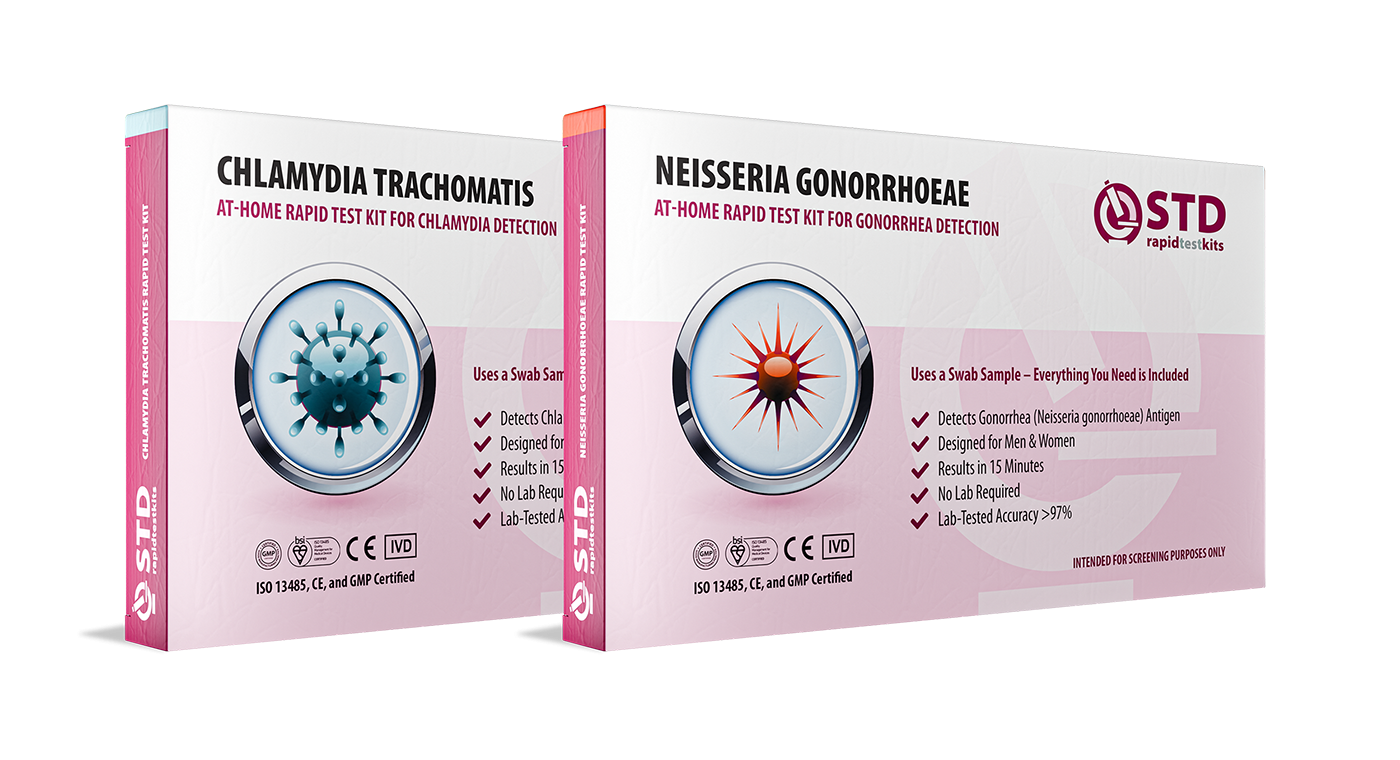 Claim Your Kit TodaySave 50%For Men & WomenResults in MinutesNo Lab NeededPrivate & Discreet
For all 2 tests
The Impact on the Industry: New Perspectives
The health sector is fighting the testing stigma and is aggressively seeking cheaper and easily accessible testing methods.
- Companies selling at-home test kits have been a major force in changing the mindset of the masses regarding STD testing.
Common Myths: Busting Myths
- Fear: Testing for sexually transmitted diseases is invasive and painful.
- Fact: Most of the current diagnostic methodologies require hardly any time and effort.
- Myth: The test is only meant for those who have several partners.
- Fact: Any person who is sexually active, irrespective of the number of partners, needs to get tested.
Frequently Asked Questions
1.- Why is STD testing shamed?
It follows from cultural taboos and misunderstanding about sexual hygiene.
2.- Are the home tests for STDs accurate?
Yes, medically-approved home testing kits results are equivalent to a medical professional's laboratory.
3.- How do I bring it up with my partner?
Bring it up directly, emphasizing that you care about your partner and that you trust them.
4.- When should I get checked?
The CDC recommends that sexually active individuals get tested at least annually, or more frequently if they have risk factors.
5.- What happens when I get my results?
Get treatment right away and tell your partner or partners about it to stop the spread.
6.- Are the results of the tests kept secret?
Confidentiality is guaranteed by both clinics and companies who provide home testing kits.
7.- Are STD tests covered by insurance?
It depends on your insurance plan; to find out, contact your provider.
8.- Does it seem reasonable to be nervous before an exam?
Yes, but you can better prepare yourself, and perhaps set your mind at ease, by learning as much as you can about what to expect.
9.- What are some things I should think about when selecting a test kit?
For optimal results, use only kits that are FDA-approved and from a reliable source.
10.- What about STD information that I find online? Can I rely on it?
For updated and accurate information, rely on accredited sites like CDC or WHO, among others.
Healthy Choices in Your Best Interest
STD testing is an act of self-love and end-of-stigma prevention. Make regular testing part of your health regimen and become an open conversation starter, educating yourself and empowering yourself and others to take charge of your sexual well-being with the use of test kits in the convenience of your home.
Sources
1.- It's Your Sex Life - Your Guide to Safe and Responsible Sex (CDC)
2.- Safe Sex Practices (Healthline)


