






At-Home STD Testing: What the New FDA HPV Screening Approval Means for Sexual Health
Stop the Transmision!
The spread of STDs is an issue in both individual and community health. According to the World Health Organization, every day, more than one million new sexually transmitted diseases are acquired worldwide. Consequently, most sexually transmitted diseases, such as chlamydia and gonorrhea, remain undetected and untreated.
These "silent carriers" magnify outbreaks because they spread diseases without knowing it due to not being tested frequently. Untreated STDs can lead to severe health consequences, including infertility, organ damage, and a heightened risk for HIV. Fears about testing and general unawareness fan the flames of sexually transmitted disease epidemics.
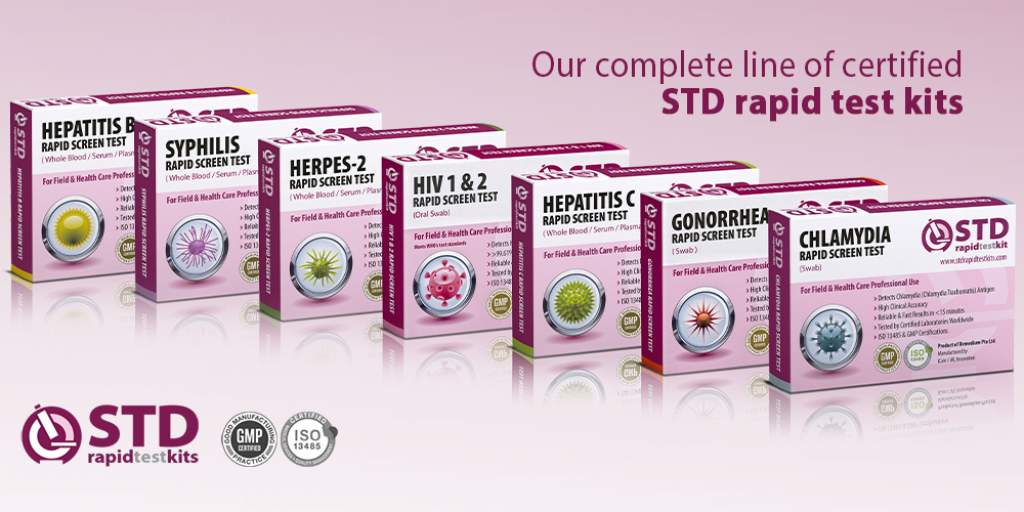
Major Benefits of Regular Testing
Early Detection Saves Lives
Consistent testing offers early detection, often before symptoms can be identified. Early treatment following early detection reduces the risk of complications and the spread of infection.
Disrupting the Network of Transmission
Testing plays a significant role in the disruption of sexually transmitted infection transmission. Knowing your status will help you disrupt the chain of transmission by making informed decisions on treatment and safe sex.
Long-term Health and Fertility
Some of the STIs, if not treated, may result in severe health complications such as infertility and chronic pain. You are securing your reproductive health and your general health when you get tested often.
Fighting the Stigma
Increasing the standard for STD testing contributes to breaking down a lot of the stigma that has traditionally shrouded it. Public health efforts encourage routine testing and a culture of acceptance in which getting tested is considered responsible and healthy.
Improved Health Campaigns
Infection patterns are traced through routine testing by public health officials, who identify high-risk populations and distribute resources more appropriately.
Order Now $129.00 $343.00 Check Your STD Status in Minutes
Test at Home with Remedium
7-in-1 STD Test Kit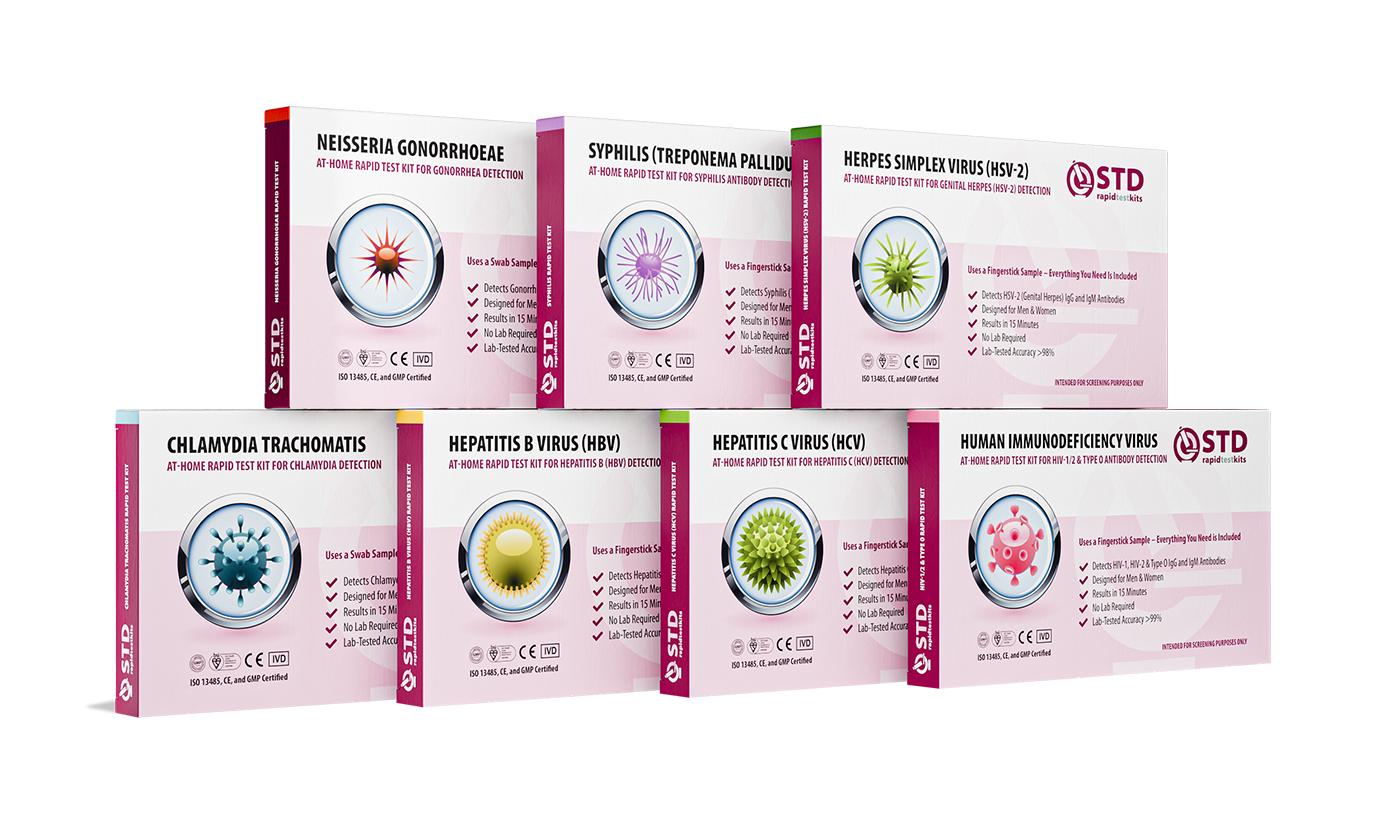 Claim Your Kit TodaySave 62%
 For Men & Women
 Results in Minutes
 No Lab Needed
 Private & Discreet
For all 7 tests
Reasons Why Regular STD Testing Is Difficult
Conscience and Shame
The fear of stigmatization and judgment causes many people to avoid testing. Conservative or tightly-knit societies seem to have this problem more than others.
Low Prices and Easy Access
Unfortunately, not everyone has the financial ability to see a doctor or even free or low-cost clinics to visit for an STD test. This factor affects the most vulnerable groups the most.
Lack of Awareness
Not everyone is aware of the risks associated with sexually transmitted diseases or how often they should be tested. The knowledge gap translates into delayed testing.
Feeling Ashamed
Many cultures still frown on discussing sexual health, which discourages individuals from seeking testing services.

Increasing Access to Testing
Home-Based STD Testing Kits
People who are apprehensive about visiting clinics can have an affordable, discreet, and convenient alternative when they have an at-home STD testing kit. The kits eliminate emotional and practical barriers apart from giving quite reliable results.
Testing Services That Are Both Affordable and Free
The increase in free and inexpensive testing services ensures that individuals from all backgrounds can receive the necessary medical care.
Privacy and Judgement
For healthcare professionals to encourage more individuals to get tested, they must ensure it is a no-judgment zone and maintain patient confidentiality.
Making Testing Part of Routine Check-Ups
Testing for STDs should be standardized and included in routine health checkups to make it more accessible.
Public Health Campaigns
Testing regularly should be advocated for in education drives by governments and other bodies. The use of related messages during the procedure makes it more comfortable.

Improve Testing to Prevent Sexually Transmitted Diseases
By encouraging frequent testing, personal responsibility can be a shared method of defense to prevent sexually transmitted infections. It is a valuable step towards addressing the problem early, the interruption of transmission, and reducing the total prevalence of the sexually transmitted disease. The following are ways how testing stops an epidemic:
Early Detection of Innocent Carrier Status
Most of the STDs are asymptomatic, thus some persons infected with them may not be aware. Such cases include chlamydia, gonorrhea, and HIV. Testing can identify silent carriers to institute treatment and prevent further spread of the disease inadvertently.
Facilitating Timely Intervention
With early detection through testing, people can receive therapy before their condition worsens or spreads further. In bacterial diseases such as syphilis, for example, timely use of antibiotics can eliminate the disease and prevent its spread.
Supporting Notification of Partners
This, in turn, leads to notification of partners as testing encourages possibly exposed persons to get themselves tested and treated, thus by containing the spread of illnesses in populations, it reduces the occurrence of epidemics.
Facilitating the Collection of Public Health Information
The data from routine testing forms the basis upon which public health organizations monitor the rates of infection and identify areas where problems occur. This becomes essential in the implementation of resource allocation, running of educational programs, and mounting of targeted interventions in worst-affected areas.
Nudging Better Habits
People are more likely to use condoms or reduce the number of partners they have, thus reducing the chances of transmission, when they know their status. Normalizing testing as part of public health campaigns helps to remove the stigma associated with it and create an atmosphere of valuing health as a way of being.
Great strides, in fact, can be possible with frequent testing of the STDs as part of health practices and advertising its importance. The practice is quite straightforward and hence effective to improve the safety of the population.
Order Now $119.00 $294.00 Check Your STD Status in Minutes
Test at Home with Remedium
6-in-1 STD Test Kit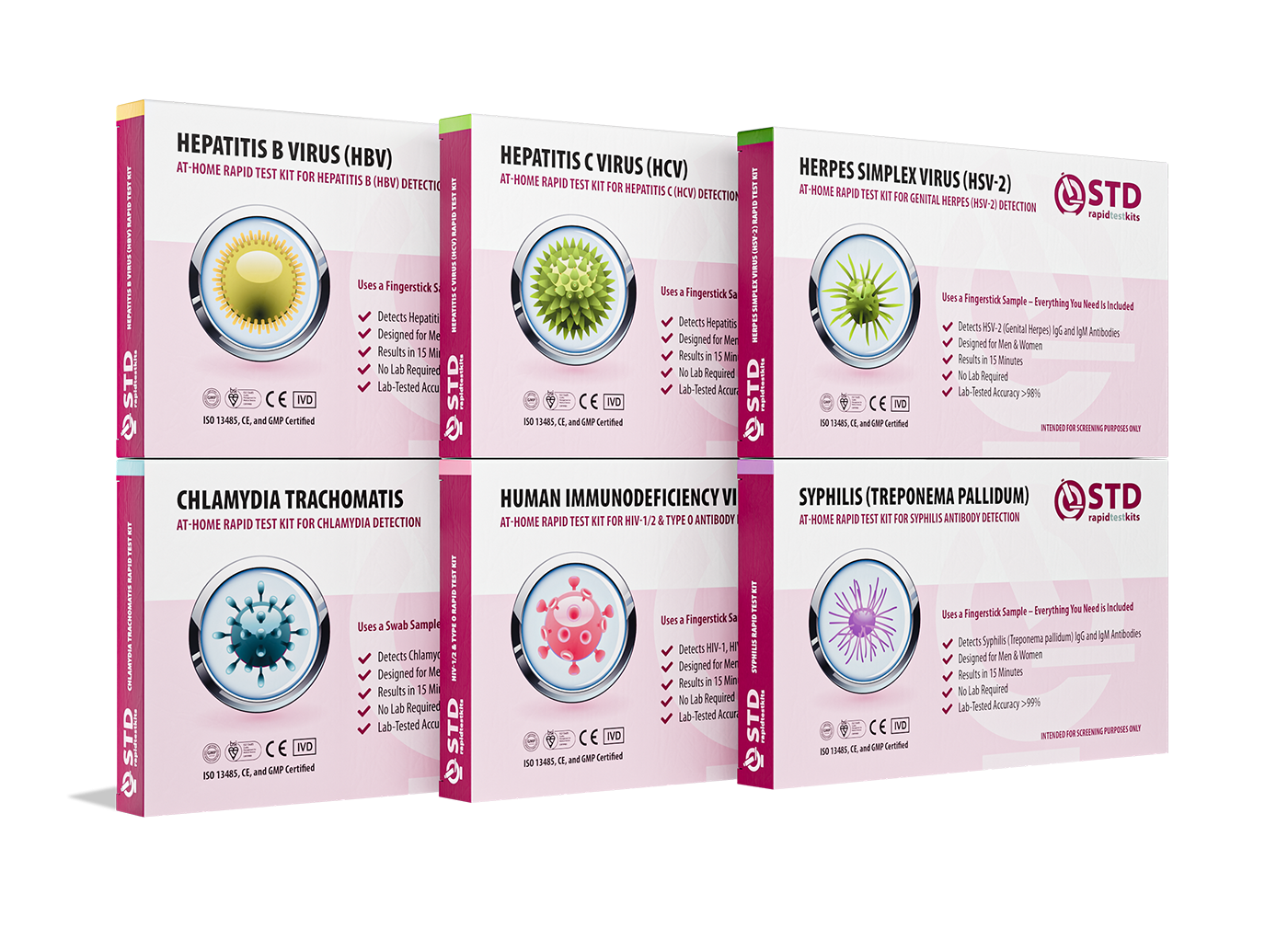 Claim Your Kit TodaySave 60%For Men & WomenResults in MinutesNo Lab NeededPrivate & Discreet
For all 6 tests
Frequently Asked Questions
1.- Why Is STD regular testing important?
Early detection can come through regular tests, which therefore will help a person to inhibit himself and not spread that infection.
2.- Where/ how frequent should I have a check for a sexually transmitted disease?
This will be based on your risk factors and sexual behaviour. Speak to your doctor for certain recommendations, but a good idea for anyone who is sexually active is to consider testing every year.
3.- How accurate are home STD testing kits?
Because they utilize the same testing methods as the clinics, most home test kits are actually quite accurate.
4.- Will the testing catch my symptoms?
In a word, yes. Testing is required regardless of how you feel because most of the STDs do not show any symptoms.
5.- How can I convince my partner to get tested?
Be honest and sensitive. It is very important to discuss testing with your partner as a shared responsibility to take care of one's health.
6.- Who pays for sexually transmitted disease testing?
Results from sexually transmitted disease tests are often covered by health insurance. Details can be found by contacting your provider.
7.- Can I get tested without anyone knowing
The answer is yes; you can get anonymous or confidential testing options at many clinics and online.
8.- What if I test positive; what happens next?
Inform your new partners so that they too can get themselves tested, and do not forget to take the treatment as provided by your doctor.
9.- Can I get a free test?
Yes, many community health centers and other organizations offer free or low-cost testing.
10.- Does routine testing prevent the epidemics?
Indeed, early identification and treatment of infections can prevent outbreaks to a greater extent.
Steps Towards a Healthier Future
Preventing epidemics and saving people from severe health effects, regular testing for STDs is a significant concern of public health. We can make a better, more aware society by promoting common testing and easy options like at-home kits. Get tested, keep yourself educated, and inspire others to do the same; now is the day to take charge of your health.
Sources
1.- Why Regular STD Testing is Essential
2.- Importance of Regular STD Testing: When and Where to Get Tested
3.- The Role of STD Testing in Preventative Health Care
4.- The Importance of Routine STD Testing in Preventing Outbreaks


