






Home Herpes Test Kit: How to Test for Herpes Safely and Privately
Overview of the Virus
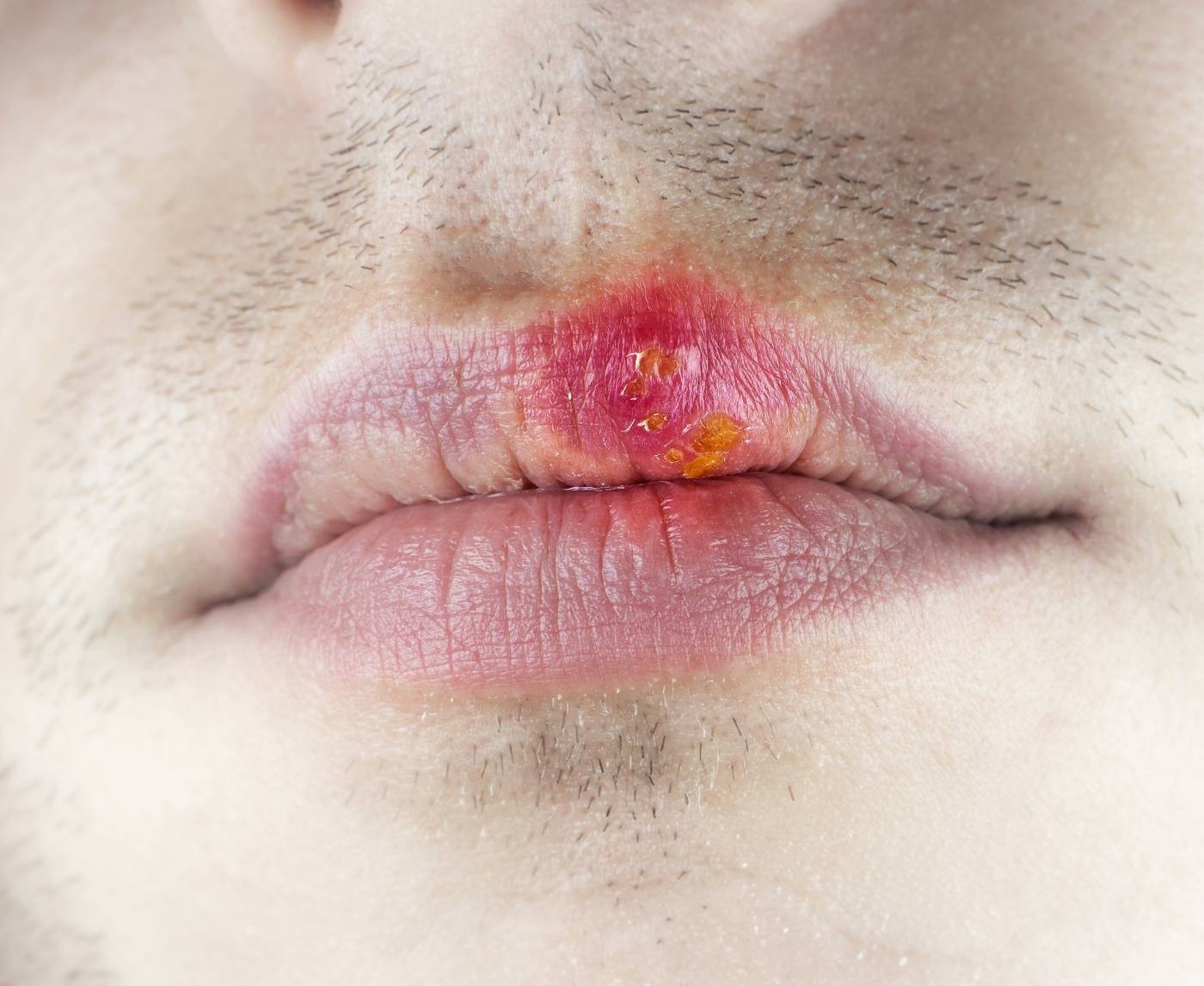
There are two different strains of the herpes simplex virus that commonly infect humans. HSV-1 is generally associated with oral herpes and tends to produce cold sores, or fever blisters, around the mouth, while HSV-2 more often causes vaginal herpes. Vaginal herpes in women and men involves genital ulcers or sores in the vagina and rectum areas. It is important to note that the type of virus appearing in a particular area is determined by the means through which the virus was transmitted.
Differentiating Signs and Symptoms of Herpes Simplex Virus Types 1 and 2
Signs and Symptoms of Herpes Simplex Virus Type 1
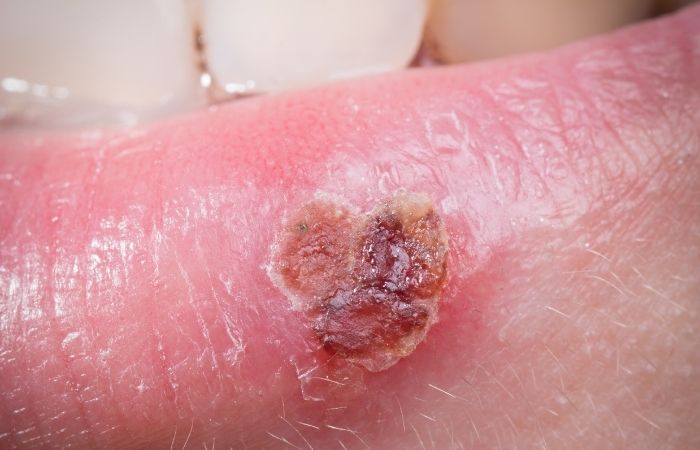
The symptoms generally consist of the reddening, swelling, and pain in the mouth and lips. Patients complain of numbness or a sensation of itchiness/burning sensation, and other areas of the body/face where they may also develop sores.
Order Now $33.99 $49.00 Check Your STD Status in Minutes
Test at Home with Remedium
Oral Herpes Test Kit Claim Your Kit TodaySave 31%
 For Men & Women
 Results in Minutes
 No Lab Needed
 Private & Discreet
Signs and Symptoms of Herpes Simplex Virus Type 2
Symptoms and signs are sores, blisters, or ulcers on the vagina or anus. The initial symptom can also be like signs of flu-like, which include fever, swollen lymph nodes, and discomfort along the body.
Transmission
Type 1 Sexually Transmitted Virus (HSV-1)
Mostly transmitted through kissing and sharing of utensils. Moreover, oral sex can also transfer it to the genitals.
Human Papillomavirus Type 2 (HSV-2)
Spread primarily through oral, anal, or vaginal sexual contact. During an ongoing epidemic, the chances of getting the infection are increased.

Recurrence
HSV-1
Over time, recurrences of HSV-1 become less frequent and may even stop completely.
HSV-2
Though it comes and goes over a lifetime, HSV-2 recurrences do happen more frequently the first year after infection.
Check Your STD Status in Minutes
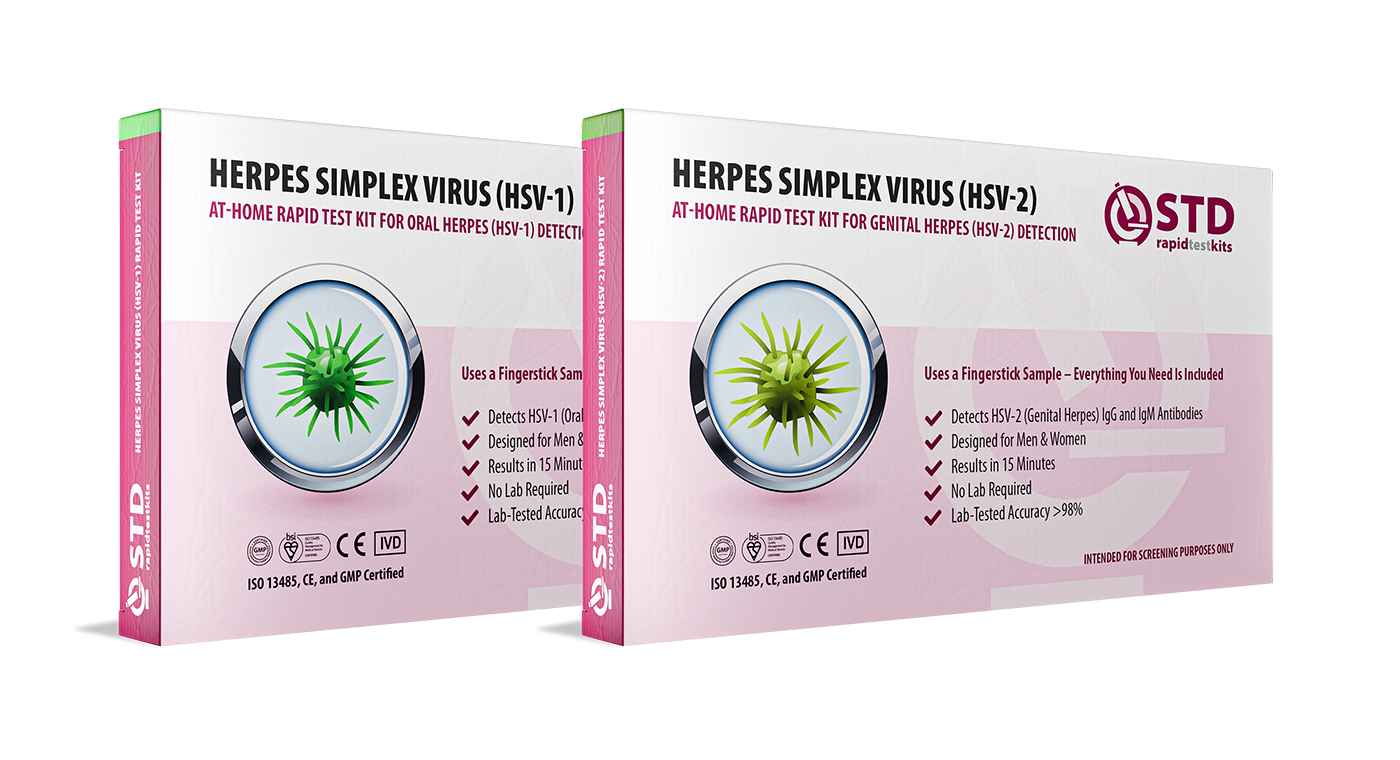
Test at Home with RemediumGenital & Oral Herpes Test Kit
Claim Your Kit Today
Save 23%
For Men & WomenResults in MinutesNo Lab NeededPrivate & DiscreetOrder Now $75.00 $98.00
For all 2 tests
Herpes: How Common Is It?
Herpes is highly prevalent; however, most people are unaware of it since in most instances the virus remains asymptomatic or causes mild symptoms.
- According to the World Health Organization, about 63% of the global population below 50 years carries HSV-1 virus.
- Globally, an estimated 491 million persons aged 15-49 are affected with HSV-2.
Why Testing Is Important
Because herpes usually does not present outward symptoms, testing has to be done. A correct diagnosis better equips someone to live with their disease and to prevent the unwitting transmission of the disease to another party. At-home test kits are available for conveniently and discreetly testing for the presence of HSV-1 and HSV-2 in privacy. These kits are user-friendly, with reliable results for at-home use, enabling one to take responsibility for his or her sexual health.
How to Prevent Herpes from Spreading
The risk of transmitting the herpes virus is greatly reduced when precautions are taken. Thus:
- Prevention is the Better Cure: Wearing condoms and dental dams decreases the risks of transmission, it would not prevent herpes from affecting uncovered areas.
- Stay Away During Outbreaks: When the symptoms occur, kissing and sexual contact should be avoided.
- Testing Regularly: In case of multiple partners, it is of grave importance to test regularly for the possibility of early detection and prevention.
- Antiviral Medications: Medications that suppress the growth of the virus can reduce the intensity and frequency of the outbreaks.

The Most Common Myths About Herpes
"Herpes Can Be Acquired Only from an Infected Person Displaying Symptoms."
It is a fact that one can transmit herpes even at times when visible symptoms have disappeared. The medical term for this type of viral shedding is asymptomatic shedding.
"Herpes Does Not Cause Cold Sores."
Cold sores are caused by the herpes simplex virus type 1.
"Prostitutes Are the Only Ones the Herpes Virus Targets."
The herpes virus is not choosy. It could happen to anyone who has ever had any kind of sexual or oral contact.
Herpes Management: How to Attain a Healthy Lifestyle
Acyclovir, valacyclovir, and famciclovir are antiviral drugs that can help manage symptoms and minimize the risk of transmission of herpes, while there is currently no cure for the virus. Reduce the frequency of outbreaks by keeping your immune system strong with a balanced diet, regular exercise, and effective stress management.
Options for Testing: What Makes Home-Based Testing Kits Revolutionary
An easy and discreet way of checking your health is by using a self herpes testing kit, which can be done at home. These kits are even easy to use by individuals who are not medically trained since they normally come with comprehensive instructions. Quick results mean that action can be taken right away if needed.
Order Now $129.00 $343.00 Check Your STD Status in Minutes
Test at Home with Remedium
7-in-1 STD Test Kit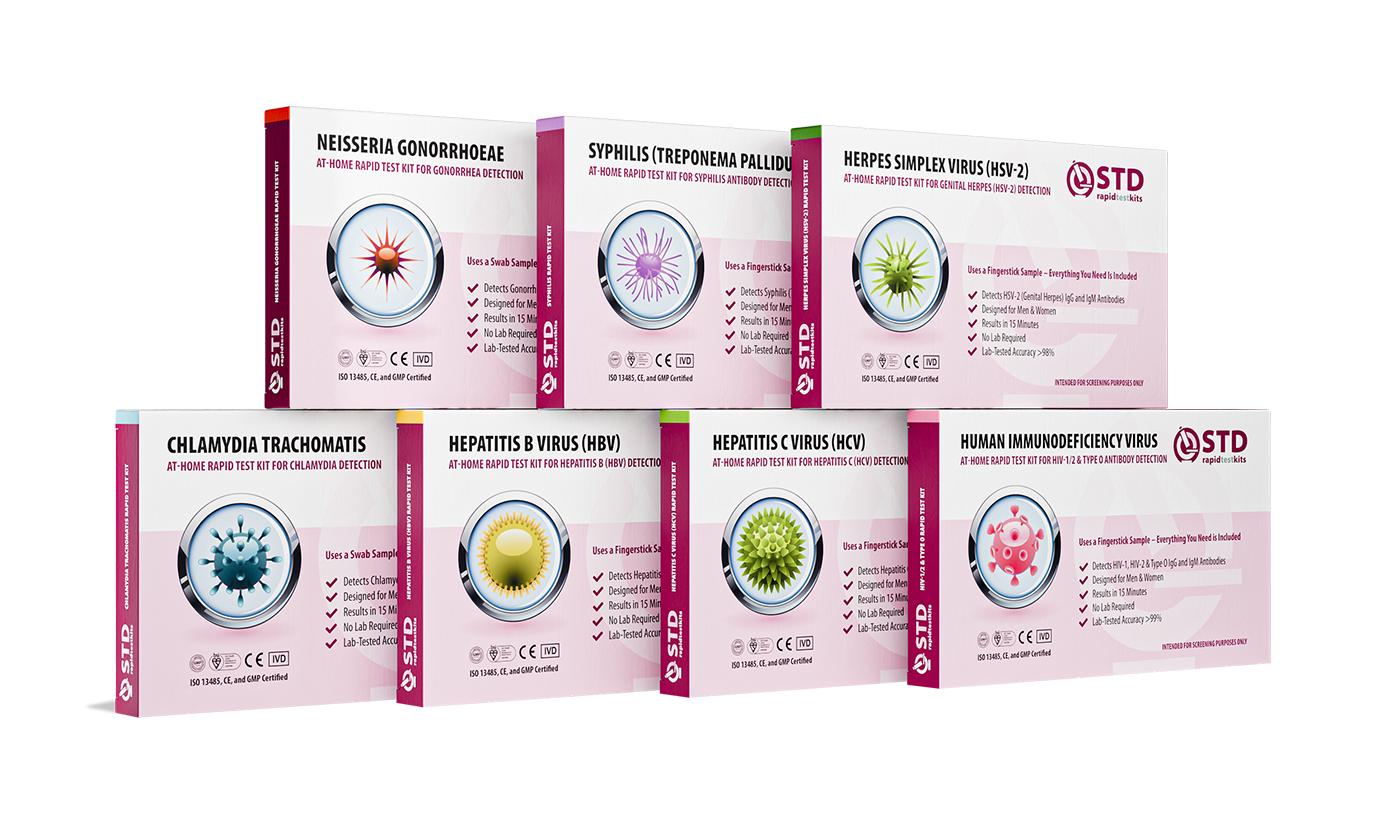 Claim Your Kit TodaySave 62%For Men & WomenResults in MinutesNo Lab NeededPrivate & Discreet
For all 7 tests
FAQs
1.- What Is the Main Difference Between the Herpes Simplex Virus Type 1 and Type 2?
Cold sores around the mouth and genital herpes are generally caused respectively by herpes simplex virus type 1 and herpes simplex virus type 2. But depending on how they are transmitted, either type can affect the mouth and the vagina.
2.- What Are the Symptoms of Herpes?
Even though herpes may cause oral or vaginal sores, blisters, or ulcers, many people do not develop any symptoms. One is only assured of the virus HSV-1 or HSV-2 when they undergo a test.
3.- How Does One Cure Herpes?
There is no cure against herpes, but antiviral medication has been able to suppress symptoms of herpes infection, reduce the frequency of outbreaks, and lower the risk of transmitting the virus.
4.- In Most Cases, Does Herpes Result in Transmission?
Due to its possible asymmetrical cell shedding, herpes can be contracted without symptoms of it showing themselves. In the scenario involved, during an outbreak - the risk is at its lowest.
5.- What About Herpes Diagnosis?
As far as diagnostics go, it is diagnosable in one of three ways including viewing visible symptoms, swab samples from lesions, and blood tests that check antibodies within the blood. Home-test testing for the discreetest of individuals who favor convenience is also available.
6.- Are Cold Sores Caused by Herpes and Herpes Alone?
Actually, the causative agent of cold sore is herpes simplex virus type 1, or HSV-1. They can sometimes be caused by herpes simplex virus type 2 when the virus is transmitted to the mouth.
7.- Can HSV-1 Morph into HSV-2?
There are two different herpes simplex viruses, and the answer is no, but exposure determines which one will ultimately infect the mouth or the genitourinary system.
8.- How Can I Decrease the Frequency of Herpes Outbreaks?
You can lessen the severity of the outbreaks of the virus by learning to deal with your stress, keeping your immune system healthy, and taking your antiviral medication as prescribed.
9.- Can One Have a Healthy Relationship When Living with Herpes?
Of course, one can. A healthy relationship is possible through open communication, frequent testing, and use of protection. Chances of transmission can also be reduced by antiviral drugs.
10.- If the Symptoms Are Not There, Should a Herpes Test Be Taken?
It goes without saying that testing is certainly warranted for anyone who suspects exposure to herpes or for individuals who have had multiple sex partners. Because the vast majority of people infected with the virus show no symptoms, early detection and prevention of herpes depend on testing.
Take Charge of Your Health!
Learning the differences between herpes simplex virus type 1 and type 2 is the first steps one can do in order to control and prevent herpes from spreading and being transmitted. Time to get tested, time to get protected. Efficient at-home STD test kits will help you manage your health by keeping you in the know and motivating you to take action. Protect yourself and loved ones now; it starts with education, then takes action.
Sources
1.- Herpes Simplex - Cleveland Clinic
2.- Herpes Simplex Virus - Springer
3.- Herpes Simplex: An Overview - Verywell Health
4.- HSV-1 and HSV-2 - Johns Hopkins Medicine
5.- Herpes Simplex Virus Fact Sheet - WHO
6.- Differences Between Herpes Viruses - HealthCentral
7.- HSV-1 vs HSV-2: Understanding the Variations - Verywell Health


