







STD Testing After a Vacation Fling: What to Do Before You Fly Home
Hepatitis C's Hidden Perils
The fact that many infected individuals go years without showing any signs of hepatitis C has earned it the nickname "silent" disease. While the virus slowly destroys the liver, there are no symptoms to indicate that it is doing so, which can have devastating effects. Over 70 million individuals worldwide are affected with chronic hepatitis C, making it a major cause of liver disease, according to the World Health Organization (WHO).
Methods of Transmission of Hepatitis C
Contact with infected blood is the main way that hepatitis C spreads. Though it's more commonly linked to contaminated injection equipment or risky injection practices, it can also be classified as a sexually transmitted disease. Although it happens less frequently, sexual transmission can still happen, especially when there are several sexual partners, other sexually transmitted diseases (STDs), or very rough sexual activity that could lead to bleeding.

What Puts the Liver in Danger
The liver is the primary target of the Hepatitis C virus once it has entered the bloodstream. Inflammation and cell damage to healthy liver tissue are symptoms of the virus's infection. Scar tissue, or fibrosis, develops as a result of chronic inflammation. If left untreated, fibrosis can develop into cirrhosis, a condition in which scar tissue replaces healthy liver cells, drastically reducing the liver's capacity to perform its functions.
Cirrhosis: What Is It and Why Is It Harmful?
Chronic liver damage progresses to cirrhosis. Scarring the liver to the point where it can no longer filter toxins, make proteins, or aid digestion is the hallmark of this disease.
Cirrhosis Signs and Symptoms
Although symptoms may not manifest in early stages of cirrhosis, the condition can progress to cause:
- When the skin and eyes turn yellow, it's called jaundice.
- Leg and abdominal swelling
- Weariness and frailty
- Difficulty focusing or being confused (hepatic encephalopathy)
- The tendency to bleed and bruise readily
Cirrhosis and Its Complications
Cirrhosis raises the risk of potentially fatal consequences such as: in addition to reducing liver function,
- Hepatocellular carcinoma
- Hemorrhage within the body
- Critical illnesses
- Kidney failure
Your chances of avoiding cirrhosis and its devastating effects increase the sooner you catch Hepatitis C.
Check Your STD Status in Minutes
Test at Home with RemediumHepatitis C Test Kit
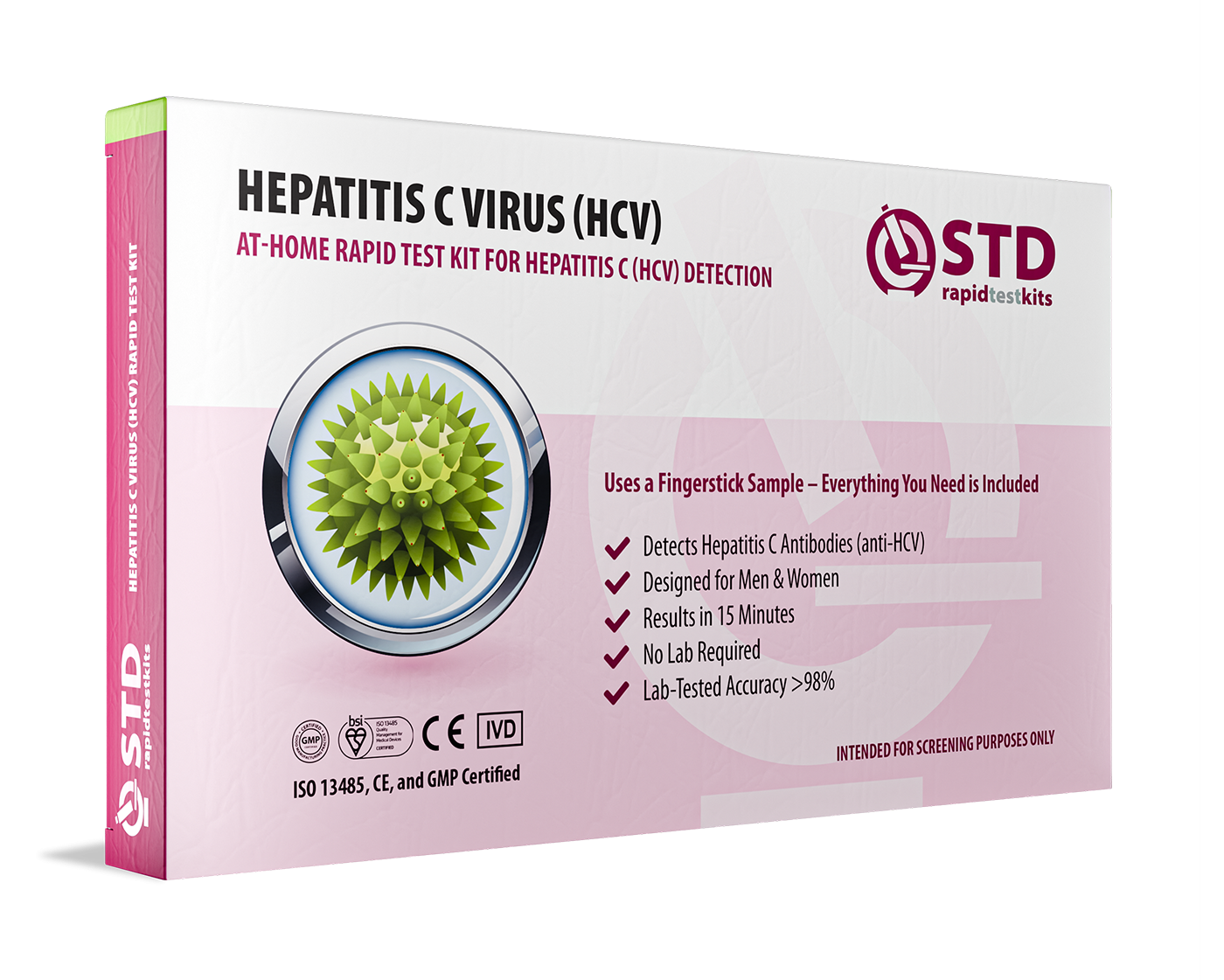
Claim Your Kit Today
Save 31%
 For Men & Women
 Results in Minutes
 No Lab Needed
 Private & Discreet
Order Now $33.99 $49.00
The Value of Prompt Evaluation and Diagnosis
Hepatitis C can be prevented from progressing to cirrhosis if caught early. A lot of people avoid testing for sexually transmitted diseases (STDs) because they either don't know the risks they face or are too embarrassed to do so. That's why home STD test kits are so revolutionary.
Advantages of At-Home STD Testing
- Convenience and Privacy: Take the test without leaving your house or going to an appointment.
- Find Hepatitis C and other sexually transmitted diseases (STDs) early on, before they can do serious damage to your health.
- Accessible and Affordable: Because at-home kits are both inexpensive and simple to use, testing is now within reach of more people.
Who Has to Take the Test?
Hepatitis C testing should be considered if you:
- Experimented with many partners while not wearing protection
- Possess a past of injecting drugs
- Are carrying the virus of more than one sexually transmitted disease
- Had a blood transfusion before to 1992
- Distribute toothbrushes and razors between each other
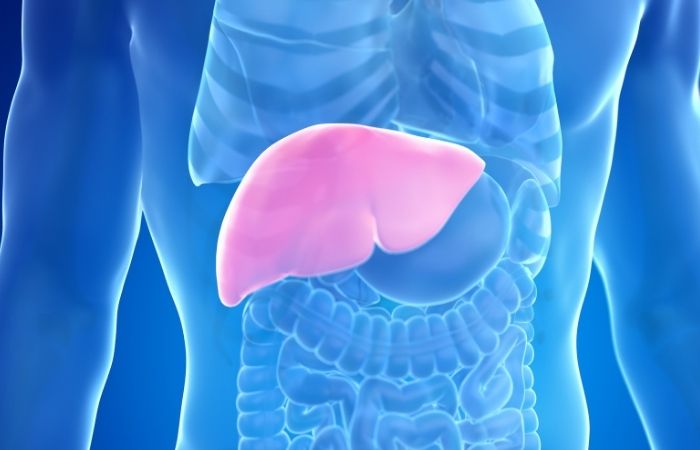
Cirrhosis and Hepatitis C: A Pathology
From infection to cirrhosis, the process is slow but constant. The usual progression is as follows:
- Phase One: In the early stages of an illness, some individuals may encounter moderate symptoms such as lethargy or yellowing of the skin. Nevertheless, this stage is frequently overlooked.
- Hepatitis C that persists over a long period of time causes the liver to deteriorate without anyone noticing.
- Fibrosis: Scar tissue forms as a result of the virus's persistent inflammation.
- Cirrhosis: The liver's ability to function is severely impaired when scar tissue grows and engulfs healthy liver cells.
It is crucial to diagnose and treat cirrhosis early on because, if left untreated, it can progress to liver failure or cancer.
Healing Methods for Cirrhosis and Hepatitis C
There have been remarkable advances in the treatment of Hepatitis C thanks to modern medicine. Over 90% of cases can be cured with antiviral therapy, specifically direct-acting antivirals (DAAs).
Methods for Keeping the Liver Healthy
- Check Yourself: Home STD test kits can detect Hepatitis C and other illnesses.
- Contact a Healthcare Professional for Additional Evaluation and Treatment: If your test results come back positive, it's important to seek the advice of a healthcare professional.
- Follow a Liver-Healthy Routine: Cut back on alcohol, eat right, and stay at a healthy weight to keep your liver in good shape.
- Be Sure to Keep Tabs on Your Health: Imaging tests and checkups can help monitor liver damage and inform treatment choices.
Check Your STD Status in Minutes
Test at Home with RemediumHepatitis B & Hepatitis C Test Kit
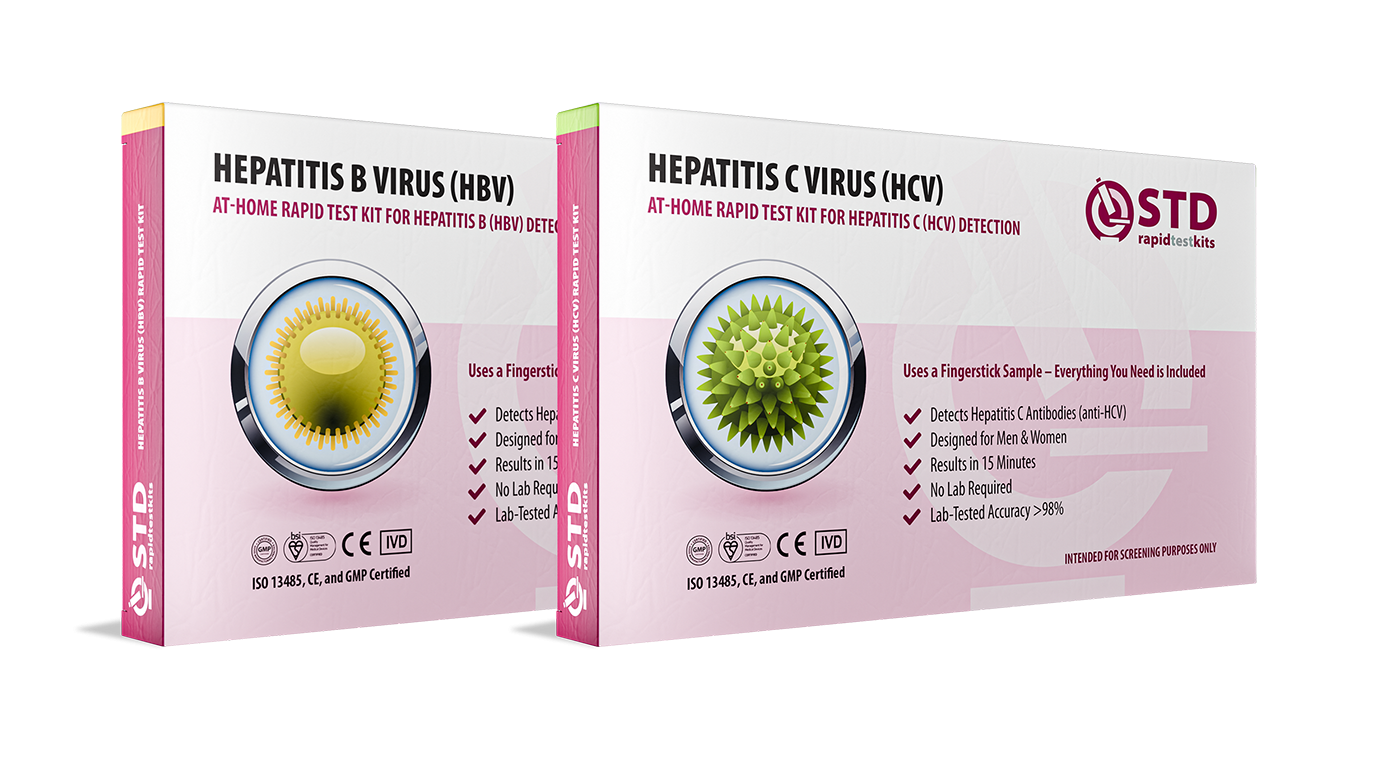
Claim Your Kit Today
Save 50%
For Men & WomenResults in MinutesNo Lab NeededPrivate & DiscreetOrder Now $49.00 $98.00
For all 2 tests
Frequently Asked Questions (FAQs)
1.- Can a person contract Hepatitis C through sexual contact?
Hepatitis C can be shared sexually, especially in situations involving several partners or co-infections with other STDs, even though it is most commonly transmitted by blood.
2.- How does Hepatitis C manifest itself in its early stages?
Although many people with Hepatitis C don't notice any symptoms at first, some may feel weak, jaundiced, or have slight stomach pain.
3.- How is cirrhosis caused by Hepatitis C?
Fibrosis, or scarring, is a result of chronic Hepatitis C inflammation. Cirrhosis develops from this scarring after enough time has passed.
4.- Can Hepatitis C be reliably detected by at-home STD test kits?
When it comes to identifying Hepatitis C, at-home STD test kits are both accurate and handy. A healthcare provider should always confirm a positive result, though.
5-. Who is most vulnerable to Hepatitis C?
Those most at risk include people who share needles, engage in unprotected sexual activity with more than one partner, or had blood transfusions prior to 1992.
6.- Is Hepatitis C cirrhosis curable?
Early treatment of Hepatitis C can stop additional liver damage and enhance liver function, even though cirrhosis itself cannot be undone.
7.- If I have Hepatitis C, what adjustments in my lifestyle can help preserve my liver?
When dealing with Hepatitis C, it's important to follow your doctor's orders about alcohol use, nutrition, and weight maintenance.
8.- How long does it take for Hepatitis C to produce cirrhosis?
Untreated Hepatitis C can lead to cirrhosis in 20-30 years. Factors like drinking alcohol can speed things up.
9.- Can Hepatitis C be cured?
Yes, nearly 90% of Hepatitis C cases can be cured with the right treatment using direct-acting antivirals (DAAs).
10.- Even in the absence of symptoms, why is it crucial to undergo a Hepatitis C test?
Hepatitis C frequently causes no outward signs until the liver has already suffered severe damage. Timely treatment is possible thanks to early diagnostics, which in turn prevents serious consequences like cirrhosis.
Get Healthy on Your Own
Maintaining good health should not be a source of shame or embarrassment. When detected early, hepatitis C is treatable. The first step in preventing liver damage and its terrible effects is to use at-home STD test kits.
Get a handle on your health without leaving your house by ordering your test kit today. Finding diseases early helps prevent mortality.
Sources
1.- World Health Organization - Hepatitis C Fact Sheet
2.- CDC - Hepatitis C Questions and Answers
3.- HepatitisC.net - Cirrhosis and Hepatitis C
4.- National Institutes of Health - Hepatitis C and Cirrhosis Overview


