







STD Window Periods: When to Test and What to Expect
How STDs Affect Fertility
Biological Impact of STDs on Fertility
STDs can cause lasting damage to the reproductive system if untreated. Conditions like pelvic inflammatory disease (PID), often a result of untreated chlamydia or gonorrhea, can lead to scarring of the fallopian tubes in women. This scarring can block the passage of eggs, resulting in infertility or increasing the risk of ectopic pregnancy, a life-threatening condition.
In men, untreated STDs can lead to infections of the epididymis, a coiled tube in the testicles where sperm matures. These infections, known as epididymitis, can cause pain, swelling, and permanent damage, leading to reduced sperm count or complete infertility.

Common STDs Linked to Fertility Issues
1.- Chlamydia
Chlamydia is one of the most common bacterial STDs, especially among young adults. If untreated, it can cause PID in women and inflammation in men, both of which can result in infertility.
2.- Gonorrhea
Like chlamydia, gonorrhea can lead to PID in women and epididymitis in men. It also increases the risk of infertility when left untreated.
3.- Human Papillomavirus (HPV)
While HPV is more commonly associated with cervical cancer, certain strains can cause reproductive complications. Surgical treatments for HPV-related issues can sometimes lead to scarring, which may affect fertility.
4.- Syphilis
Although less common in some regions, untreated syphilis can cause complications during pregnancy, including miscarriages and congenital abnormalities.
5.- Mycoplasma Genitalium
This emerging STD is increasingly recognized as a significant contributor to infertility, particularly in women, as it can cause chronic infections and inflammation.
Order Now $129.00 $343.00 Check Your STD Status in Minutes
Test at Home with Remedium
7-in-1 STD Test Kit Claim Your Kit TodaySave 62%
 For Men & Women
 Results in Minutes
 No Lab Needed
 Private & Discreet
For all 7 tests
Long-Term Consequences of Untreated STDs
The long-term effects of untreated STDs are often silent but devastating. For many individuals, infertility becomes apparent only after years of trying to conceive. By then, the damage caused by the infection may be irreversible.
Infertility in Women
- Pelvic Inflammatory Disease (PID): Approximately 10-15% of women with untreated chlamydia or gonorrhea develop PID, which significantly increases the risk of infertility.
- Tubal Factor Infertility: Scarring or blockages in the fallopian tubes account for nearly 25% of infertility cases in women and are often linked to STDs.
Infertility in Men
- Reduced Sperm Quality: Chronic inflammation caused by STDs can reduce sperm count, motility, and overall quality.
- Obstructions in the Reproductive Tract: Scarring from infections like gonorrhea can block sperm from exiting the testes.

Prevention Strategies: Protecting Fertility Through Awareness
Regular STD Testing
The most effective way to prevent fertility complications from STDs is through regular testing. Many STDs are asymptomatic, meaning individuals may unknowingly carry infections for years. Testing allows for early detection and treatment, significantly reducing the risk of long-term damage.
Safe Sexual Practices
Using condoms consistently and correctly is one of the most effective methods for preventing STD transmission. Barrier methods provide protection against both bacterial and viral infections, safeguarding reproductive health.
At-Home STD Test Kits
For those who value privacy or convenience, at-home STD test kits have emerged as a reliable alternative to clinic-based testing. These kits allow individuals to test for common STDs discreetly and receive results quickly. Early detection through at-home testing can prevent complications and ensure timely treatment.
Order Now $119.00 $294.00 Check Your STD Status in Minutes
Test at Home with Remedium
6-in-1 STD Test Kit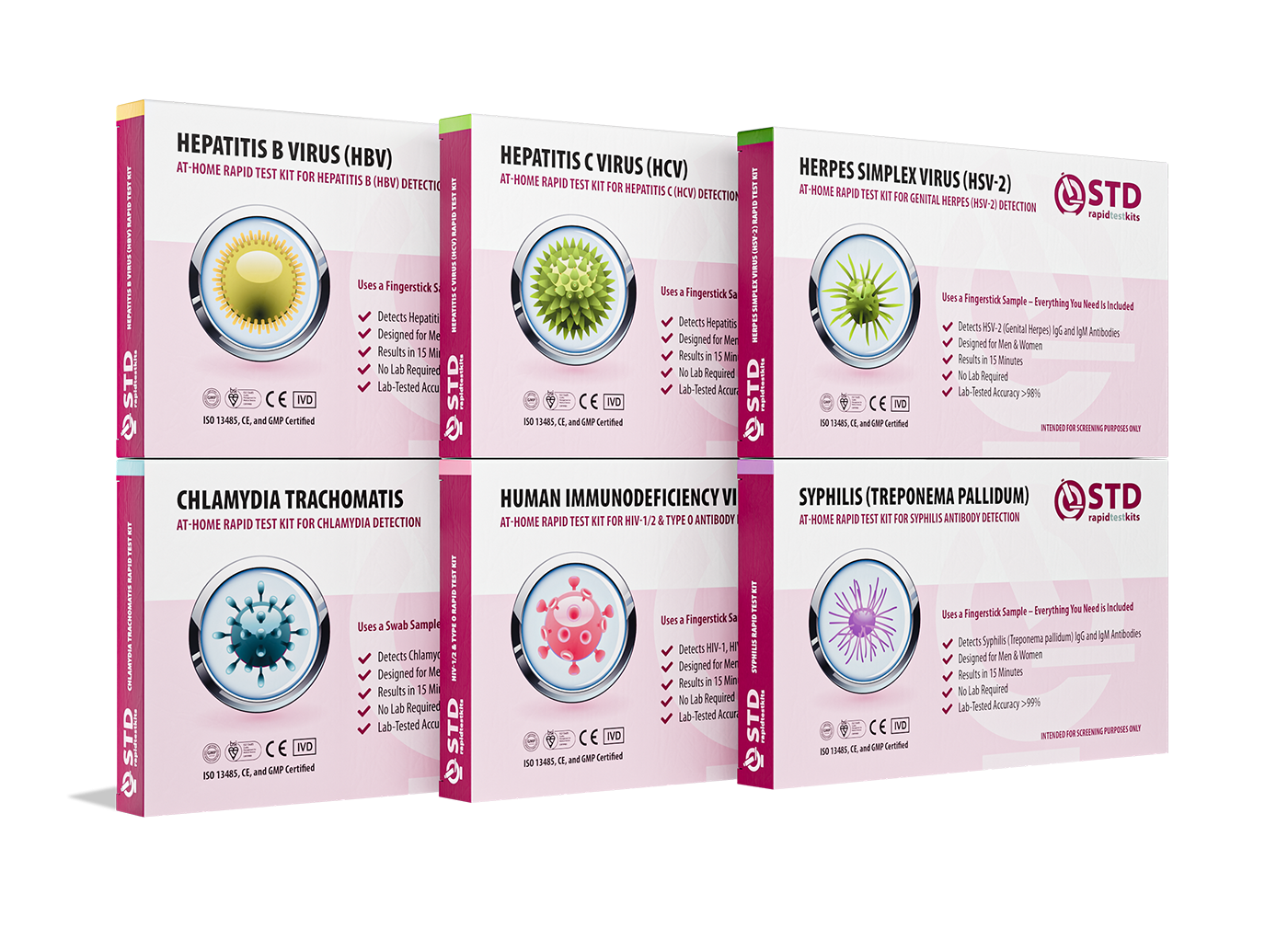 Claim Your Kit TodaySave 60%For Men & WomenResults in MinutesNo Lab NeededPrivate & Discreet
For all 6 tests
Case Studies and Data Insights
The Numbers Speak
- According to the Centers for Disease Control and Prevention (CDC), untreated chlamydia and gonorrhea lead to infertility in at least 20,000 women annually in the U.S.
- Studies show that nearly 50% of individuals with chlamydia are asymptomatic, underscoring the importance of routine testing.
- Research published in BMC Public Health highlights that male infertility caused by STDs accounts for approximately 15% of all male infertility cases globally.
A Real-Life Example
A 32-year-old woman struggled with unexplained infertility for three years before being diagnosed with tubal blockage caused by undiagnosed chlamydia. After undergoing treatment and surgical intervention, she eventually conceived but emphasized the importance of early testing: “I never thought something so silent could have such a big impact on my life.”
Expert Recommendations for Protecting Fertility
Early Diagnosis and Treatment
Healthcare professionals stress the importance of diagnosing and treating STDs early to prevent complications. Regular testing should be a standard part of healthcare for sexually active individuals, especially for those under 25 or with multiple partners.
Dr. Susan Patel, a reproductive health expert, explains:
“Many STDs can be treated effectively with antibiotics if caught early. The key is awareness and proactive healthcare. Fertility preservation often begins with simple preventative steps like routine testing and safe sexual practices.”
Vaccination
Vaccines such as the HPV vaccine can play a crucial role in preventing STDs that may lead to fertility issues. By reducing the risk of HPV infections, individuals can significantly lower their chances of developing reproductive complications.
Partner Testing and Communication
Open communication with sexual partners about STD testing and prevention ensures mutual safety. Encouraging partners to test regularly can break the chain of transmission and protect both parties from potential infertility risks.

Common Misconceptions About STDs and Fertility
Misconception: “I’d know if I had an STD.”
Fact: Many STDs are asymptomatic, meaning they show no noticeable symptoms. Chlamydia, gonorrhea, and Mycoplasma genitalium, for instance, often go unnoticed until complications arise.
Misconception: “I’m safe if I use birth control.”
Fact: Birth control methods like pills, IUDs, or implants do not protect against STDs. Only barrier methods, such as condoms, reduce the risk of transmission.
Misconception: “I’m too old to worry about STDs.”
Fact: Fertility-related complications from STDs can occur at any age. Additionally, older adults who re-enter the dating scene may still contract STDs, risking their reproductive health or the health of potential partners.
Promoting At-Home STD Test Kits as a Solution
At-home STD test kits are transforming the way individuals approach sexual health. These kits provide a private, easy-to-use, and reliable alternative for detecting STDs early. Here’s why they’re a game-changer for fertility protection:
1.- Convenience
At-home kits eliminate the need for clinic visits, making testing accessible to those with busy schedules or limited healthcare access.
2.- Privacy
Individuals can test discreetly in the comfort of their homes, reducing the stigma often associated with STD testing.
3.- Accuracy
Modern at-home kits are highly reliable, with many offering lab-certified results comparable to clinic-based tests.
4.- Empowerment
By enabling individuals to take control of their sexual health, at-home test kits empower users to prioritize early detection and treatment.
Frequently Asked Questions Regarding STDs and Fertility
1.- Can STDs really cause infertility?
Infertility in men and women can result from sexually transmitted diseases (STDs) that go untreated, such as chlamydia, gonorrhea, and Mycoplasma genitalium.
2.- Which STDs are most commonly linked to fertility problems?
The most prevalent ones are chlamydia and gonorrhea, which can cause epididymitis in males and pelvic inflammatory disease (PID) in women. In addition to syphilis, HPV, and Mycoplasma genitalium, other sexually transmitted diseases might impact fertility.
3.- Can an STD lead to infertility if left untreated for an extended period of time?
Complications from some STDs can manifest within a few months; however, this timescale varies. Because many STDs may not create any noticeable symptoms, doing tests on a regular basis is essential.
4.- Is infertility caused by STDs reversible?
Fertility can be restored in some circumstances with treatment and surgical treatments. Scarring and other reproductive system injuries, however, may not heal.
5.- Can men experience infertility due to STDs?
Yes, male infertility can occur as a result of infections caused by sexually transmitted diseases (STDs), such as chlamydia and gonorrhea.
6.- Are there symptoms to watch for that indicate an STD is affecting fertility?
While many sexually transmitted diseases (STDs) cause no symptoms at all, some may manifest as uncomfortable urination, abnormal discharge, or pelvic pain. You should see a doctor right away if you experience any of these symptoms.
7.- How can I protect my fertility from the effects of STDs?
To make sure you catch sexually transmitted diseases (STDs) early and get them treated, use condoms consistently, get vaccinated against HPV and other avoidable STDs, and get tested regularly.
8.- Are at-home STD test kits reliable for preventing fertility issues?
Yes, home test kits are reliable, easy to use, and can detect common sexually transmitted diseases (STDs) that might affect fertility at an early stage.
9.- Can pregnancy complications arise from untreated STDs?
It is crucial to get tested and treated for sexually transmitted diseases before or during pregnancy because, yes, untreated STDs can cause ectopic pregnancies, miscarriages, or birth deformities.
10.- What role does regular testing play in fertility preservation?
Getting tested regularly can help catch sexually transmitted diseases (STDs) early and treat them effectively, reducing the risk of scarring and infections that can have a lasting impact on fertility.
Preserving Fertility Through Awareness and Action
The connection between STDs and fertility underscores the importance of proactive sexual health management. Whether through regular testing, safe practices, or at-home STD test kits, individuals have the tools to protect their reproductive health and future.
By understanding the risks and taking preventative steps, you can reduce the impact of STDs on your life. Remember, early detection is key. Get tested, seek treatment when necessary, and take control of your fertility today. Your future self will thank you!
Protecting your fertility starts with taking action today. With at-home STD test kits, you can easily and privately ensure your sexual health. Don’t let untreated infections jeopardize your future—order your kit today and take the first step toward safeguarding your reproductive health.
Sources:
1.- Can an STD Cause Infertility? (Verywell Health)
2.- Sexually Transmitted Diseases and Infertility (PMC)
3.- Impact of STDs on Female Fertility (AJOG)
4.- STDs and Male Infertility (PMC)
5.- STD-Related Infertility Prevention (CDC)
6.- Long-Term Effects of STDs on Fertility (PubMed)


