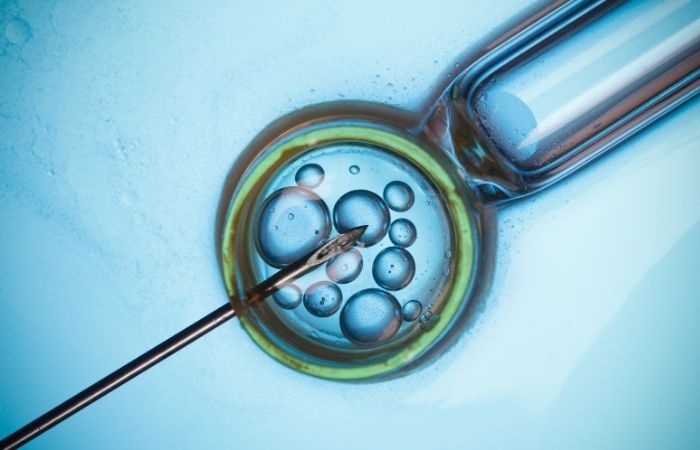
Chlamydia and Egg Quality: Understanding the Silent Threat to Fertility
Every year, millions of people worldwide are infected with chlamydia; it is one of the most common STIs in the world. This is an unusually stealthy threat because it is a silent disease, and symptoms are often absent. If not treated on time, chlamydia can lead to serious health problems of the reproductive system, including damage to the female reproductive system.
In spite of the fact that illnesses such as pelvic inflammatory disease (PID) and obstructed fallopian tubes receive a lot of attention, the influence that chlamydia has on the quality of eggs is still not well studied. The aim of this article is to discuss how chlamydia can affect egg quality, explore the broader implications for fertility, and indicate some prevention measures that can be taken to protect reproductive health.
02 December 2024
7 min read
4502
Chlamydia: What Is It?
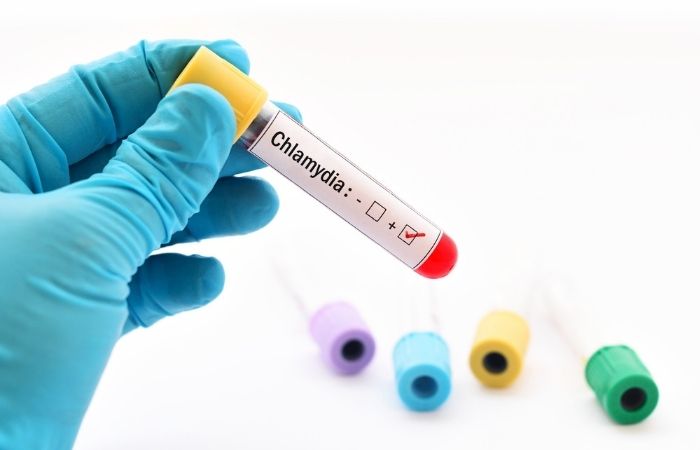
Chlamydia is a bacterial infection caused by the bacteria Chlamydia trachomatis. Sexual contact is the most common mode of transmission, and the infection is most common among sexually active young people. Since chlamydia has no symptoms, it often remains undiagnosed; more than seventy percent of women and fifty percent of men with the infection do not experience any symptoms.
Chlamydia has the potential to spread to the reproductive tract if it is not treated, which can result in inflammation, scarring, and other long-term damaging effects. It is especially likely for women to experience difficulties that have an impact on their fertility.
A Look at the Effects Chlamydia Has on the Reproductive System
Damage to the Fallopian Tubes
Chlamydia commonly leads to inflammation of the fallopian tubes, known as salpingitis. This could result in scarring and blockage of the fallopian tubes. This kind of damage may prevent eggs from migrating into the uterus and increases the chances of ectopic pregnancy.
Pelvic Inflammatory Disease (PID)
PID is an infection that causes a severe inflammation of the uterus, fallopian tubes, and ovaries. Chlamydia is one of the major causes of PID. It can disrupt the process of the environment that the eggs need to mature and release, thus making conception complicated.
Egg Quality
The inflammation caused by chlamydia could spread to the ovaries, and thereby it can alter the microenvironment that is necessary for the proper formation of healthy eggs. Oxidative stress—characterized by ovarian cell damage—and the reduced viability of eggs are present in chronic infections.
Chlamydia Infections: What About Their Impact on Egg Quality?
The health and viability of an egg are referred to as its egg quality. Egg quality is one of the factors that determine whether or not an egg can be fertilized and develop into a healthy embryo.
1. Inflammatory Response
One of the responses of the immune system to chlamydia is the release of cytokines, proteins involved in inflammation. Chronic inflammation can disrupt ovarian function, impacting both the development of eggs and the process of ovulation.
2. Oxidative Stress
An imbalance between free radicals and antioxidants within the body leads to a state known as oxidative stress. A chronic infection of chlamydia in the ovaries may cause oxidative stress that can lead to cellular damage and deterioration in the quality of the oocytes.
3. Hormonal Imbalances
The damage that chlamydia causes to the reproductive system can disrupt the hormonal signaling that is required for the development of eggs and the process of ovulation.
4. Appropriate Aging of the Ovaries
Chronic infection and inflammation might accelerate the aging process of the ovary, thereby reducing the number of healthy eggs available for fertilization.
Some of the effects that chlamydia has on the reproductive system can, over time, create several barriers to reproduction, including damage to the fallopian tubes and ovaries.
2. Miscarriages
Miscarriages may also prevail commonly when the quality of the egg is not good.
3. Ectopic Pregnancy
Scarring of the fallopian tubes predisposes a person to implantation of a fertilized egg outside of the uterus—a situation referred to as an ectopic pregnancy.
4. Poor Response to IVF
It is seen that in people with past histories of chlamydia, the eggs may be inferior in quality and the uterine health not proper, all of which leads to poor IVF results.
Early Identification and Interventions
The good news is that chlamydia can be treated, and finding it early will help prevent most of the problems that it can cause in the long run.
1. Getting Regular STD Tests
Testing regularly is necessary since most of the time, chlamydia has no symptoms. Testing at least once a year for sexually active persons is needed especially those who are below 25 years old or recently entered a relationship.
2. Early Treatment
Treatment of chlamydia can be done effectively by the use of antibiotics. The earlier the treatment begins, the less chance it has to cause permanent damage to the reproductive system.
3. Sexual Behaviors That Are Safe
The risk of developing chlamydia and other sexually transmitted diseases (STDs) can be considerably reduced by using condoms in a consistent and appropriate manner.
4. Keeping an Eye on the State of Fertility
Fertility screening should be considered by women with a history of chlamydia in order to assess the possible effects the infection may have on their reproductive system. HSG, ovarian reserve tests are some of the tests that may provide considerable information.
FAQs
1.- Is there direct destructive action of chlamydia on eggs?
Chlamydia does not alter the genetic composition of the egg, but it is capable of producing an inflammatory environment, at least reducing the reproductive potential viability of oocytes.
2.- After chlamydia infection has been treated, can one get back with good fertility?
It is true that early treatment can prevent long-term consequences. On the other hand, the scarring and inflammation caused by the infections that are not treated may lead to long-lasting effects.
3.- How does chlamydia affect the outcomes of in vitro fertilization?
By impairing egg quality, uterine health, or embryo implantation, chlamydia-induced damage to the reproductive system can inhibit successful IVF.
4.- Chlamydia-induced infertility may be experienced even after therapy has been completed.
Early treatment decreases the likelihood of experiencing infertility. When treatment is delayed, however, there is an increased likelihood that the reproductive impairment will be permanent.
5.- I am advised to go for chlamydia testing periodically.
Testing could be advised for all sexually active people at least once a year. More frequent tests are necessary for those having many sexual partners or who are entering into a new relationship.
6.- How does chlamydia affect a man's fertility?
Yes, untreated chlamydia can cause epididymitis, which is the inflammation of the epididymis. This may affect sperm quality and motility.
7.- What are the symptoms that show chlamydia causes an issue in fertility?
Pelvic pain, irregular periods, or difficulty conceiving may be symptoms of reproductive impairment. You need to see a healthcare provider for an evaluation.
8.- When one has chlamydia, is there any natural way to improve the quality of their eggs?
It may be that the health of the eggs is supported by a healthy lifestyle, antioxidant-rich nutrition, and stress management, but medical checkup is necessary.
9.- Chlamydia can affect pregnancy outcomes.
In the absence of treatment, chlamydia can, in fact, result in premature labor, low birth weight, or infections in the newborn.
10.- Is it possible for women who have a history of chlamydia to freeze their eggs?
Yes, however before storing eggs, you should first confer with a fertility doctor to determine the state of your ovaries.
Don't Risk It!
Chlamydia’s silent nature makes it a significant threat to reproductive health, particularly when it comes to egg quality and fertility. Regular testing and early treatment are essential for preventing long-term complications.
Take control of your sexual health today with regular STD testing and safe practices. Early detection not only protects your fertility but also empowers you to make informed decisions about your future. Don’t wait—prioritize your health now and purchase an at-home STD testing kit.








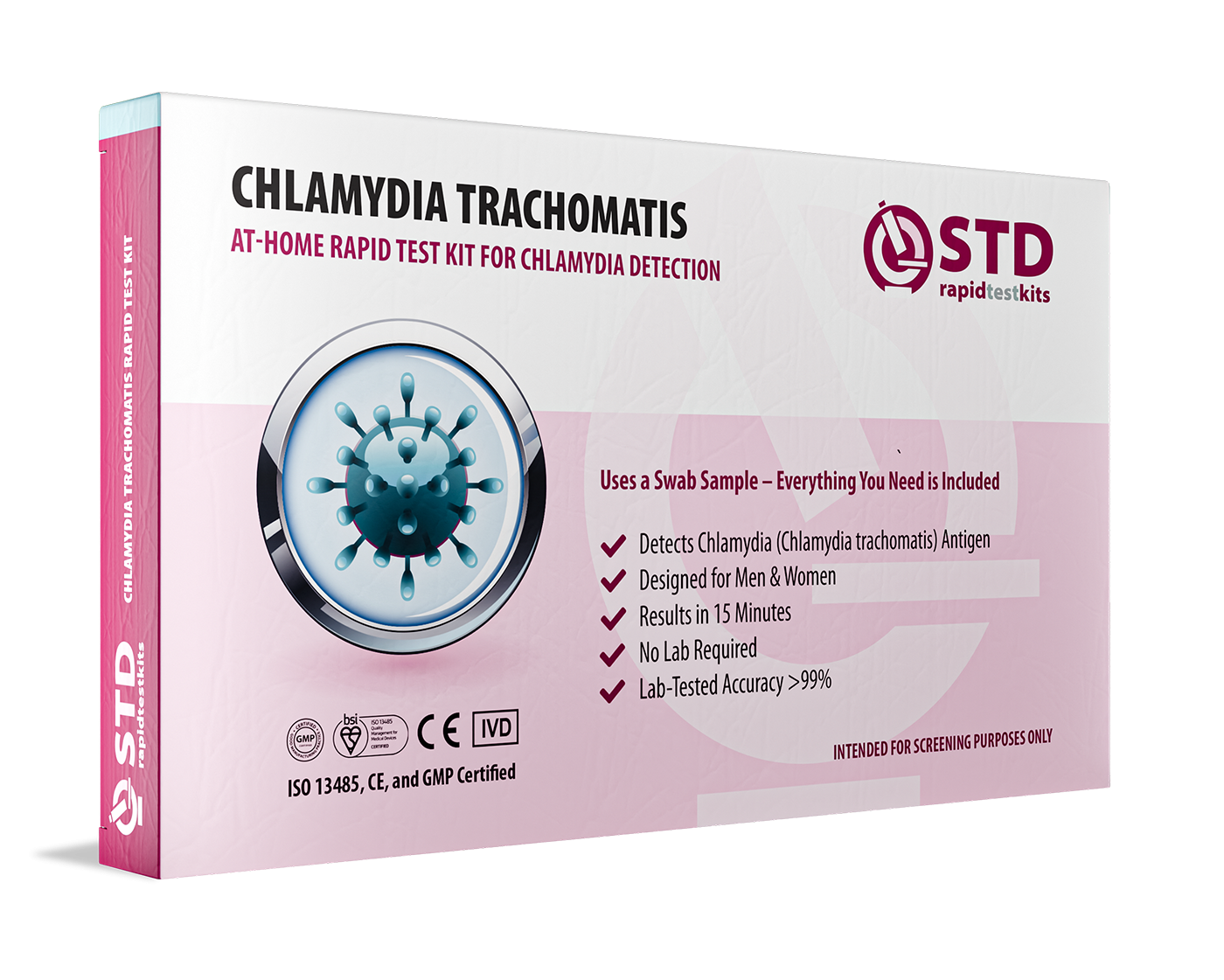
 For Men & Women
 Results in Minutes
 No Lab Needed
 Private & Discreet