Syphilis is an STI of the bacterium Treponema pallidum that has been a concern for centuries. Although its prevalence has gone down in some areas because of awareness and the availability of treatment, syphilis remains one of the major public health concerns globally. One of the major obstacles in the management of syphilis is identifying symptoms, which are modified according to the stage of the disease. This guide will talk about how syphilis manifests, what it looks like, and why early detection is highly important.
23 November 2024
7 min read
2240
The Basics
Syphilis is mostly spread by direct contact with a syphilitic sore, known as a chancre. This usually occurs during sexual activity—both vaginal and anal sex, but also oral sex. It is also passed on from an infected mother to her baby during pregnancy—a condition referred to as congenital syphilis, or at birth.
If left untreated, syphilis goes through its distinct stages, each with different symptoms. However, these signs and symptoms may not be so apparent, which is why regular testing for STIs is an important part of sexual health maintenance.
Syphilis: Stages and Symptoms
Syphilis has four stages: primary, secondary, latent, and tertiary. Each of these stages has its own set of indications and symptoms, and other stages may have no obvious symptoms at all.
1. Primary Syphilis: The Initial Signs
The initial symptom of syphilis is typically a sore or ulcer known as a chancre. The sore usually appears at the site of infection, such as the genitals, rectum, or oral cavity, about 3 to 6 weeks after exposure. Key characteristics of a syphilitic chancre are:
Small, firm, and spherical form.
Painless, but very infectious.
It may heal on its own in a few weeks, even without therapy.
While the chancre heals, the infection remains active and will advance to the next stage if not treated.
2. Secondary Syphilis: Widespread Symptoms
If untreated, primary syphilis progresses to the secondary stage of the disease, which is characterized by more generalized symptoms. Generalized symptoms may include the following:
Skin Rash: The rash, which is characteristic of secondary syphilis, is most commonly seen on the palms of one's hands and the soles of the feet. It might affect other sections of the body as well. Unlike other rashes, it is not typically irritating.
Lesions or ulcers: Mucous patches can occur in the mouth, vagina, or anus.
Symptoms similar to the flu include fever, enlarged lymph nodes, sore throat, headaches, and muscular aches.
Hair loss: A person may experience partial hair loss, particularly on the scalp.
The symptoms go away after a few weeks or months, but if the infection is not treated, it becomes latent.
3. Latent Syphilis: Silent Phase
Latent infection occurs when syphilis is present in the body but produces no obvious symptoms. Syphilis' latent stage might linger for several years. Some patients remain in this stage, and the disease progresses no farther. If left untreated, latent syphilis can proceed to tertiary syphilis, which is even more dangerous.
4. Tertiary Syphilis: Long-Term Effects
Tertiary syphilis, seen in a minority of untreated cases, usually involves complications and serious health problems years or even decades after the initial infection, including the following:
Gummas: Soft tumor-like growths that may appear on the skin, bones, or internal organs.
Cardiovascular damage: Syphilis will damage the heart and blood vessels, leading to life-threatening conditions such as aneurysms.
Neurological problems: Neurosyphilis is the collective name for complications that include difficulty coordinating muscle movements, paralysis, numbness, blindness, and dementia.
Tertiary syphilis rarely occurs but underscores the importance of early diagnosis and treatment.
What Syphilis Looks Like at Different Stages
Syphilis signs and symptoms may be mistaken for those from other diseases, making detection by sight difficult. Here is an overview of what syphilis can look like:
Primary Stage: A single, round, firm, painless sore that often goes unnoticed, especially if it is in the rectum or mouth.
Secondary Stage: Red or reddish-brown skin rashes, typically on the palms and soles, with mucous patches in moist regions such as the mouth or genitals.
Tertiary Stage: Swollen gums, rubbery lumps, and scarring from significant tissue injury.
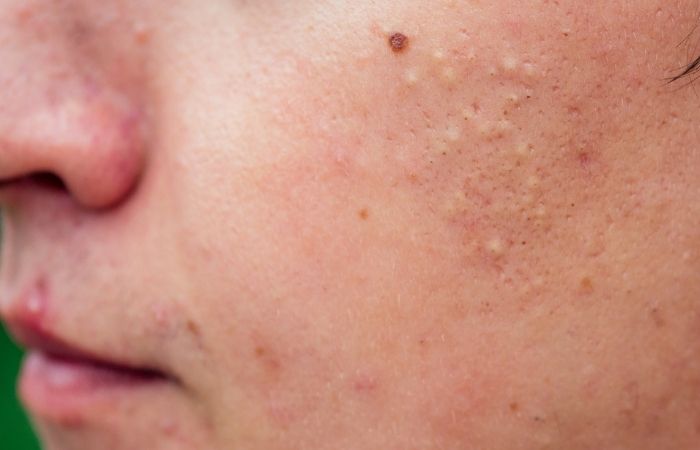
Pictures and diagrams describe syphilitic symptoms, but a medical professional's diagnosis can only be validated if suitable testing is performed.
Early Detection Is Important
Syphilis is easily curable, especially if diagnosed early. A blood test confirms syphilis, and antibiotic treatment, typically penicillin, cures the illness. However, at the tertiary stage, the sickness may have caused irreversible damage to the body.
Prevention of Syphilis
The most effective strategy to prevent syphilis is to practice safe sex and be mindful of one's sexual health. Other preventative methods include the following:
Use condoms or dental dams properly and regularly during sexual intercourse.
Getting regular STI screenings, especially if you had several sexual partners.
Avoid having sexual contact with somebody who has open sores or rashes.
If you believe you have been exposed to syphilis, contact a doctor as soon as possible. The key to preventing congenital syphilis in pregnant women is early prenatal care and STI testing.
Despite all the breakthroughs in medicine, syphilis remains a public health concern. Contributing to this may be the general stigma attached to it, bad access to health treatment, and lack of understanding. Educating the community about syphilis, encouraging regular testing, and avoiding stigma around STI infections are all crucial steps toward infection prevention.
FAQs
1.- How does syphilis look like?
Syphilis might start with a single, painless sore. The secondary stage is distinguished by rash on the palms and soles. The tertiary stage might result in serious tissue damage or tumors.
2.- How is syphilis transmitted?
Syphilis can be spread through direct contact with a syphilitic sore during vaginal, anal, or oral intercourse. It can also be congenital, meaning that the mother passes it on to the baby during pregnancy.
3.- What are the different phases of syphilis?
Syphilis has four stages:
Primary: A painless sore at the site of infection.
Secondary manifestations include rashes, mucous patches, and flu-like symptoms.
Latent: A symptom-free state.
Tertiary: Serious organ damage and problems.
4.- Is syphilis curable?
Yes, syphilis can be treated with antibiotics; penicillin is commonly used. The sooner a diagnosis is made and treatment begins, the lower the risk of consequences.
5.- What should I do if I believe I have syphilis?
If you suspect you have syphilis, see a doctor right away for testing. For more privacy, you can take a STI test at home. Prompt treatment is vital.
6.-How can I protect myself from syphilis?
Use condoms or dental dams appropriately and consistently, prevent contact with obvious sores or rashes, and schedule regular STI examinations if you have many partners.
7.- Can I have syphilis without symptoms?
Yes, syphilis can become latent, meaning there are no symptoms, but the germs continue to thrive inside the body.
8.- What happens if Syphilis is left untreated?
Syphilis, if left untreated, can cause serious health consequences such as damage to the cardiovascular system, brain, and nerve system. It may potentially result in paralysis, blindness, and death.
9.- Does Syphilis Affect Pregnancy?
Yes, syphilis can transfer from an infected woman to her child during pregnancy, resulting in congenital syphilis. Early pregnancy testing and treatment can help to prevent this.
10.- Can I catch syphilis more than once?
Yes, having syphilis once does not result in immunity. If you are exposed again after treatment, you risk being infected again.
Test Today to Avoid Isuses!
Syphilis can be subtle or overt, but if left untreated, it can be fatal to health. When dealing with this infection, it is critical to identify symptoms, seek proper medical assistance as soon as possible, and exercise prevention. If you suspect you have syphilis or other sexual health concerns, consult your doctor or use an at-home testing kit for a quick and private test.
Remember that early intervention can prevent issues and assure a healthy future. Get ahead of syphilis with our discreet at-home STD tests. Early detection is key to preventing complications—test today and take control of your sexual health!








 For Men & Women
 Results in Minutes
 No Lab Needed
 Private & Discreet


