Understanding the Differences Between Chlamydia and Gonorrhea
Chlamydia and gonorrhea are two of the most common sexually transmitted diseases reported worldwide. Both the diseases originate from bacterial infection, and they usually have similar symptoms. Due to this reason, most of the people start self diagnosis and treatment. However, proper differentiation of their distinctive features would be necessary for diagnosis, treatment, and management.
This article dives into the similarities and differences between these two infections, covering causes, symptoms, risks, and preventive measures, helping you take informed steps toward safeguarding your sexual health.
17 November 2024
7 min read
2470
What Causes Chlamydia and Gonorrhea?
Chlamydia
The bacteria Chlamydia trachomatis causes chlamydia. It targets the mucous membranes of the reproductive tract, as well as the rectum, throat, and eyes. Chlamydia most commonly affects sexually active people under the age of 25.
Gonorrhea
Gonorrhea is caused by the bacterium Neisseria gonorrhoeae. It has the potential to harm the reproductive tract, throat, rectum, and eyes, similar to chlamydia. As with chlamydia, there is a high rate of transmission and antibiotic resistance, therefore immediate treatment is critical.
Shared Characteristics: How Are They Similar?
Both chlamydia and gonorrhea:
They are spread by similar modes: during unprotected vaginal, anal, or oral sex with an infected partner. They may also be passed from mother to child at birth.
Asymptomatic patients abound: In many infections, there are no manifestations; therefore, transmission can be brought about without even people knowing it.
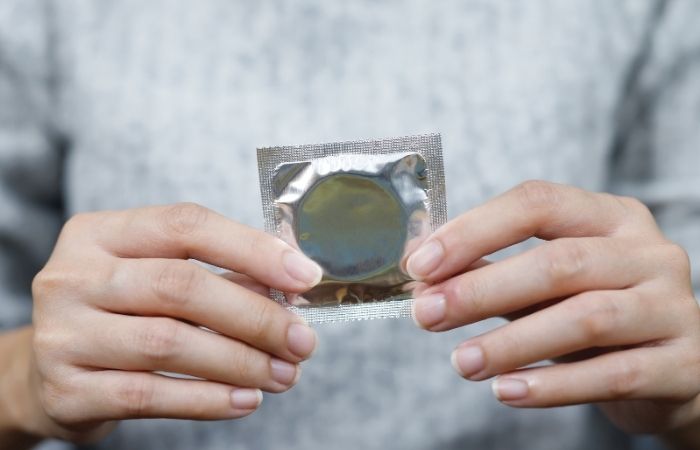
Similar Tactics Avoid: Utilizing the correct use of a barrier method of protection every time, like condoms and dental dams, along with regular testing.
Recognizing Symptoms: How Do They Differ?
Symptoms of Chlamydia
Symptoms may take 1 to 3 weeks to appear following exposure. Symptoms can include:
Painful urination
Abnormal discharge from the genitals, which might be clear or hazy
Painful intercourse
Lower abdomen or pelvic pain
Rectal discomfort or discharge
Gonorrhea Symptoms
Gonorrhea symptoms can emerge anywhere between 2 to 10 days after exposure and include:
Burning or frequent urination
Thick yellow, green, or white discharge from the genitalia
Swollen or painful testicles
Sore throat from oral exposure
Anal irritation, discharge, or bleeding
Although the symptoms are similar, the primary distinction is that gonorrhea is more commonly accompanied by substantial discharge and consequences such as epididymitis in men.
Complications: Why Early Detection Is Crucial
If left unattended, both diseases may lead to some crucial health complications of a patient, which include:
Pelvic Inflammatory Disease: This is a condition more prevalent in women that can cause chronic pelvic pain leading to infertility.
Infertility in Men: If left untreated, gonorrhea or chlamydia may cause scarring in the reproductive system and damage fertility.
Increased Risk for HIV Infection: Both infections compromise mucous membranes and increase vulnerability to HIV infection.
Neonatal infections: Newborn babies from infected mothers can have serious problems such as eye infections, pneumonia, and sepsis.
Testing and Diagnosis
Testing is the only sure way to tell chlamydia from gonorrhea. Here are some common ways of diagnosis:
Urinary Tests: A simple sample can identify bacteria.
Swab Tests: Samples are taken from the throat, rectum, or genitals and are good for more accurate diagnosis.
NAAT: This is a highly sensitive test used in diagnosing bacterial infection and is one of the most common ones.
The FDA recommends screening for sexually active individuals generally, especially for those with multiple or new sexual partners.
Since both infections are curable through antibiotic treatment, the treatment, however, differs in some ways:
Chlamydia: This is usually treated with a single dose or short course of antibiotics such as azithromycin or doxycycline.
Gonorrhea: Due to antibiotic resistance, the recommended treatment is usually dual therapy—an injection of ceftriaxone and oral azithromycin.
The full treatment course must be completed, even when symptoms improve and apparently disappear, to ensure that the bacteria are completely eradicated. Partners should also be notified and treated as well since reinfection may take place.
Prevention: Caring for Yourself and Others
Prevention includes being aware of and taking positive action:
Always Using Condoms: Condoms and dental dams offer considerable protection against infection.
Regular STI Testing: Regular testing often finds infections before symptoms may even appear.
Vaccination: Although there is no vaccine against chlamydia or gonorrhea, vaccines against the virus that causes HPV and hepatitis B virus also prevent the associated sexually transmitted infections.
Communication: Talk with your partner about STI testing and history before starting sexual activity.
When to See a Doctor
If you suspect you’ve been exposed to chlamydia or gonorrhea, or if you experience symptoms like unusual discharge or painful urination, seek medical care promptly. Early diagnosis and treatment prevent complications and reduce the likelihood of spreading the infection.
FAQ
1.- How would I be able to tell that I have chlamydia or gonorrhea since I am not showing symptoms?
Both of them are sexually transmitted and often asymptomatic. It is important to seek regular STI tests, particularly if one is sexually active with multiple partners.
2.- Can I acquire chlamydia or gonorrhea through oral sex?
Yes, both can be transmitted via oral sex, which leads to an infection in the throat. Using protection during oral sex reduces this risk.
3.- How long after exposure should I have these STIs tested for?
Testing can be accurate as soon as one to two weeks after possible exposure.
4.- If I've been treated for chlamydia or gonorrhea, can I get re-infected?
Yes. Your body doesn't build up any resistance to the infection with past treatment. You can get chlamydia or gonorrhea again if you have unprotected sex with an infected partner.
5.- Can I test for chlamydia and gonorrhea at home?
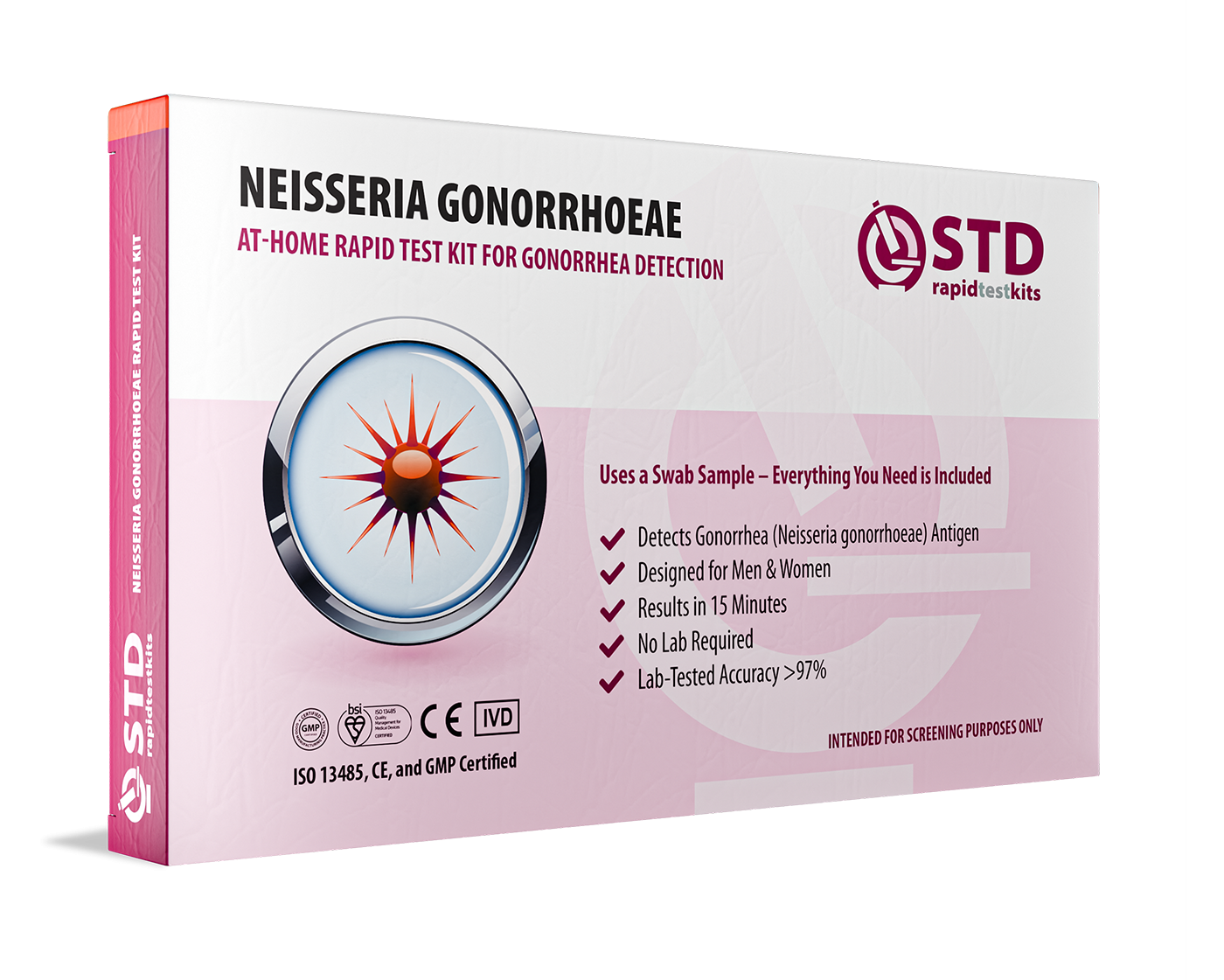
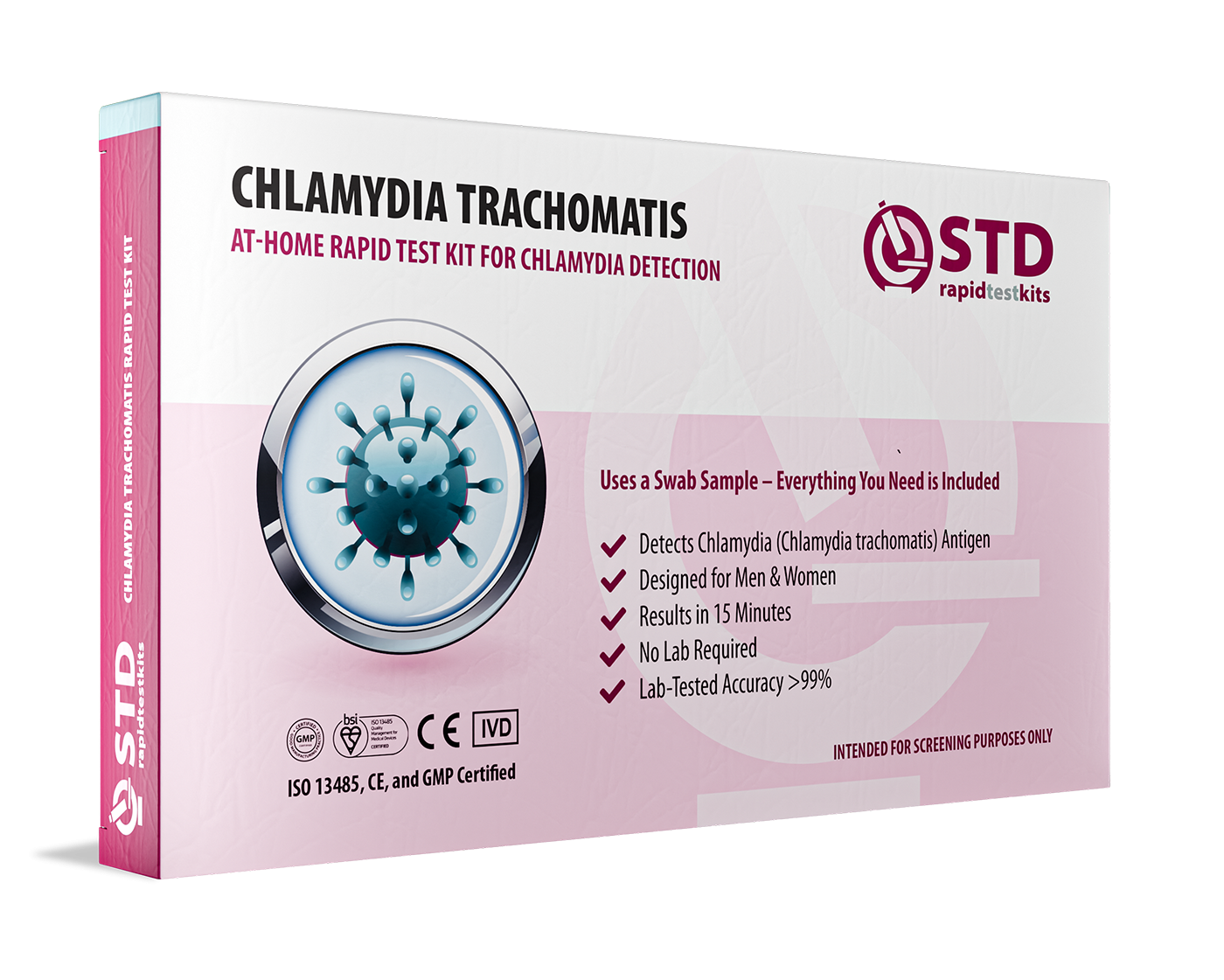
Yes, FDA-approved home testing kits are available. However, positive results should be followed up by confirmatory testing in a clinical setting.
6.- What do I do if my partner tests positive for chlamydia or gonorrhea?
Get tested immediately, even if you don't have symptoms. If positive, treatment is necessary for both you and your partner. You should avoid sex until you have completed treatment.
7.- Can chlamydia or gonorrhea affect my fertility?
Both chlamydia and gonorrhea can lead to complications like PID (pelvic inflammatory disease) in women or epididymitis in men if not treated, either of which might result in infertility.
8.- Is it OK to have sex while being treated for chlamydia or gonorrhea?
No, sex should not be resumed until the complete course of antibiotics has been taken and a health professional has confirmed the infection is cleared.
9.- Does correct use of condoms completely prevent chlamydia and gonorrhea?
While condoms lessen the risk, they don't offer 100% protection. Consistent and correct use is required for maximum effectiveness.
10.- How can I talk to my partner about getting tested for STIs without making them uncomfortable?
Be open and caring in your approach. Speak about mutual health and trust, and suggest getting tested as a shared responsibility for a healthy relationship.
Chlamydia and gonorrhea are two different yet closely related STIs that require attention and care. Knowing the differences between them and taking precautions will protect your sexual health and that of your partners.
Remember, frequent testing, safer behaviors, and timely treatments hold the keys to healthiness and to a reduction in the dispersion of these common infections. Take responsibility for your own health and help others do so, as prevention begins with knowledge and subsequent actions.










 For Men & Women
 Results in Minutes
 No Lab Needed
 Private & Discreet