Coping with an STD Diagnosis: Ways of Emotional Healin
Getting a diagnosis for STDs can be overwhelming—from the fear and confusion to the feelings of guilt and shame. It is one of those moments that seem so lonely and are further magnified by society and your own personal doubts. But you have to remember that having an STD diagnosis does not define you; instead, it is an opportunity to take charge of your health and well-being.
STDs are more common than one might think. In fact, millions of people find out that they have one every year. Whether curable or ongoing, living with an STD begins with learning, accepting, and taking action. In this article, we will lead you through how to cope emotionally, take practical next steps, and make the most of the resources available to help you not just survive but thrive. From dealing with stigma to rapid at-home STD test kits, we'll give you some tools and strategies with which to take back your life.
13 November 2024
8 min read
2502
Psychological Consequences of STD Diagnosis
Common Feelings After Diagnosis
Shame and guilt: In conformance with social stigmatization, some feel guilty and doubt their decisions.
Fear and anxiety: Usually, one is dominated by the questions about long-term health consequences, complications, or relational troubles.
Anger and confusion: Some people feel betrayed—especially in cases where the diagnosis is linked to a partner's dishonesty or infidelity.
Sadness and isolation: A diagnosis can leave individuals feeling isolated, drawing back from loved ones.
Dealing with These Feelings
Acknowledge your feelings: Hiding your emotions away will only delay your anguish. Allow yourself to grieve or cry or talk about it when and as much as you want or need.
Distinguish between yourself and your diagnosis: Remember, an STD is a medical condition, not some type of moral failure.
Seek professional help: They can offer ways to process such emotions and overcome them.
Recovering emotionally doesn't happen overnight, but addressing these feelings head-on helps start the road to healing.
The Most Important Benefits of Taking Action After a Diagnosis
Taking the right steps in connection with an STD diagnosis can turn this potentially devastating experience into an empowering one.
Benefits of Stepping Up
Better health outcomes, as complications are reduced and treatment is timely, with physical health ensured in a better way.
Emotional clarity wherein all fears and uncertainty are replaced by confidence and direction in life.
Better relationships, since being open with your partners about your condition would help in reinforcing their trust in and respect for each other.
Reduced stigma: Facing your diagnosis and doing something about it is already helping to normalize the conversation on sexual health.
Empowerment: The ability to take proactive steps, such as regular testing or the use of at-home STD testing kits, puts you back in control of your health.
Every small action—for example, learning more about your condition or talking with a trusted friend—can create a sense of progress and agency.
Challenges and Risks to Overcome
The Stigma Surrounding STDs
Challenge: Social stigma often brings feelings of shame or isolation. Many people avoid treatment out of fear of judgment.
Solution: Education is the way forward. Remind yourself that STDs are medical conditions affecting millions of people. Find support groups so you can be in contact with others who have gone through the same.
Partner Communication
Challenge: Discussing an STD diagnosis with a partner can seem really intimidating, especially in a new or casual relationship.
Solution: Be open, honest, and prepared. You can reassure them with facts about your diagnosis, how you are managing it, and the steps you are taking to take care of your health and their safety.
Internalized Guilt
Challenge: Too many people blame themselves, which works against emotional recovery.
Solution: Go easy on yourself. An STD diagnosis does NOT reflect your value as a human or your morality.
Being able to identify such challenges and working through them with genuine solutions will lighten the emotional baggage while rebuilding confidence.
Practical Ways of Moving On
Educate Yourself
Knowledge empowers. Understand your condition and treatment options, and how to prevent transmission. For accurate information, trust the following websites: CDC or Planned Parenthood.
Self-Care
Keep a healthy lifestyle and exercise to help improve your mood and well-being.
Practice mindfulness meditation to reduce the levels of stress.
Don't be isolated—stay connected with supportive friends and family.
Know Your Options for Testing
Regular testing means that you'll have regular updates on your health. Home testing kits for STDs are available in private and discreet ways, allowing you to keep tabs on your status without causing alarm.
Find a Supportive Community
Join online communities or support groups in person for people who understand what you're going through.
Share openly with a trusted friend or family member to help alleviate isolation.
Develop a Communication Plan
If you are dating or in a relationship, it is helpful to talk about how you will have this conversation with a sexual partner in terms of commitment and health openness.
Medical Facts and Statistics
Key Data
Frequency of Diagnosis: More than 20 million new cases of STDs are diagnosed every year in the United States.
Curability Rates: Most STDs, such as chlamydia and gonorrhea, are highly treatable and even curable with timely medical help.
Testing Barriers: This study shows that one of the major reasons people do not get tested for STDs is the fear of stigma.
These statistics illustrate the need for frequent testing and timely treatment to keep both body and soul healthy.
As sexual health specialist Dr. Emily Warner puts it: “The difference between a scurrilous STD diagnosis and the reality is the differentiation between a health problem and a moral one. Education, open communication, and access to resources make all the difference.”
Personal Story
Jacob, a 32-year-old living with herpes, remembers being consumed by shame and anger initially. Local support groups and therapy helped him learn about his condition and regain confidence. Today, Jacob openly advocates for discussions about sexual health in his community.
STD Diagnosis Coping FAQs
1.- How common are STDs?
STDs are rampant. The CDC reports that more than 20 million new sexually transmitted disease infections occur every year in this country.
2.- Can an STD diagnosis affect my mental health?
Yes, anxiety, depression, or stress may occur due to stigma or relationship concerns. Therapy or support groups can help.
3.- How do I tell my partner about my diagnosis?
Choose a quiet, private place to talk.
Be open and honest, using simple facts about your infection.
Discuss your treatment and prevention strategies with your partner.
Request that your partner ask questions and seek testing along with you.
4.- Can people with STDs lead normal lives?
Yes. Most individuals with STDs are able to lead happy, healthy, productive lives if they receive proper diagnosis and treatment. Many STDs are curable. Others, such as herpes or HIV, cannot be cured, but effective medications are available to manage symptoms and prevent disease transmission.
5.- Are there any support groups for STDs?
Yes, there are several support groups and online forums sharing experiences, advice, and words of comfort. Useful resources include groups like the American Sexual Health Association (ASHA) and community-based groups.
6.- What are some pros of quick at-home STD tests?
At-home rapid STD kits are a discreet, straightforward method for you to keep tabs on your sexual health. They can be taken from home, and the results typically return within a few days. They are ideal for those patients who wish to test in private or have limited healthcare access.
7.- How can I overcome the stigma associated with an STD diagnosis?
Learn about it: Gathering as much knowledge as possible may serve to fight misinformation and stigma.
Reach out: It can help to talk to others who have had experiences similar to yours.
Practice self-care: Be kind to yourself, and remind yourself that a diagnosis does not define you.
8.- Can most STDs be prevented?
Nothing is 100% risk-free, but the following steps greatly reduce the chances that you will get an STD:
Always use condoms/dental dams.
Get vaccinated for HPV and hepatitis B.
Get tested for STDs regularly, especially with new sex partners.
Have open discussions with sexual partners about testing and prevention.
9.- Where can I get information and support concerning my STD?
Planned Parenthood: Provides educational materials and testing.
CDC: Offers detailed information regarding the prevention and treatment of STDs.
ASHA: Connects individuals with resources and support groups.
Online Forums: Many of these, such as Reddit's r/STD support, provide anonymity for discussing issues openly.
10.- What should I do if I suspect an STD but haven’t been tested?
The first and foremost step is to get tested. Private at-home STD test kits help diagnose a patient's disease quickly and discreetly. After testing, consult with your healthcare provider on the best course of treatment and next steps
Conclusion: Taking Responsibility for Your Health
An STD diagnosis says nothing about your character. Quite to the contrary, millions of people are suffering with that very same diagnosis. Support can be found, and an initial step can be taken in overcoming what an STD diagnosis may evoke in a person's mind and body by using at-home STD test kits.
Do not wait until it’s too late—seize the day for your sexual health. Our at-home STD test kits are reliable and discreet, designed with your peace of mind in focus. Call to order one today and take the first step toward empowerment.









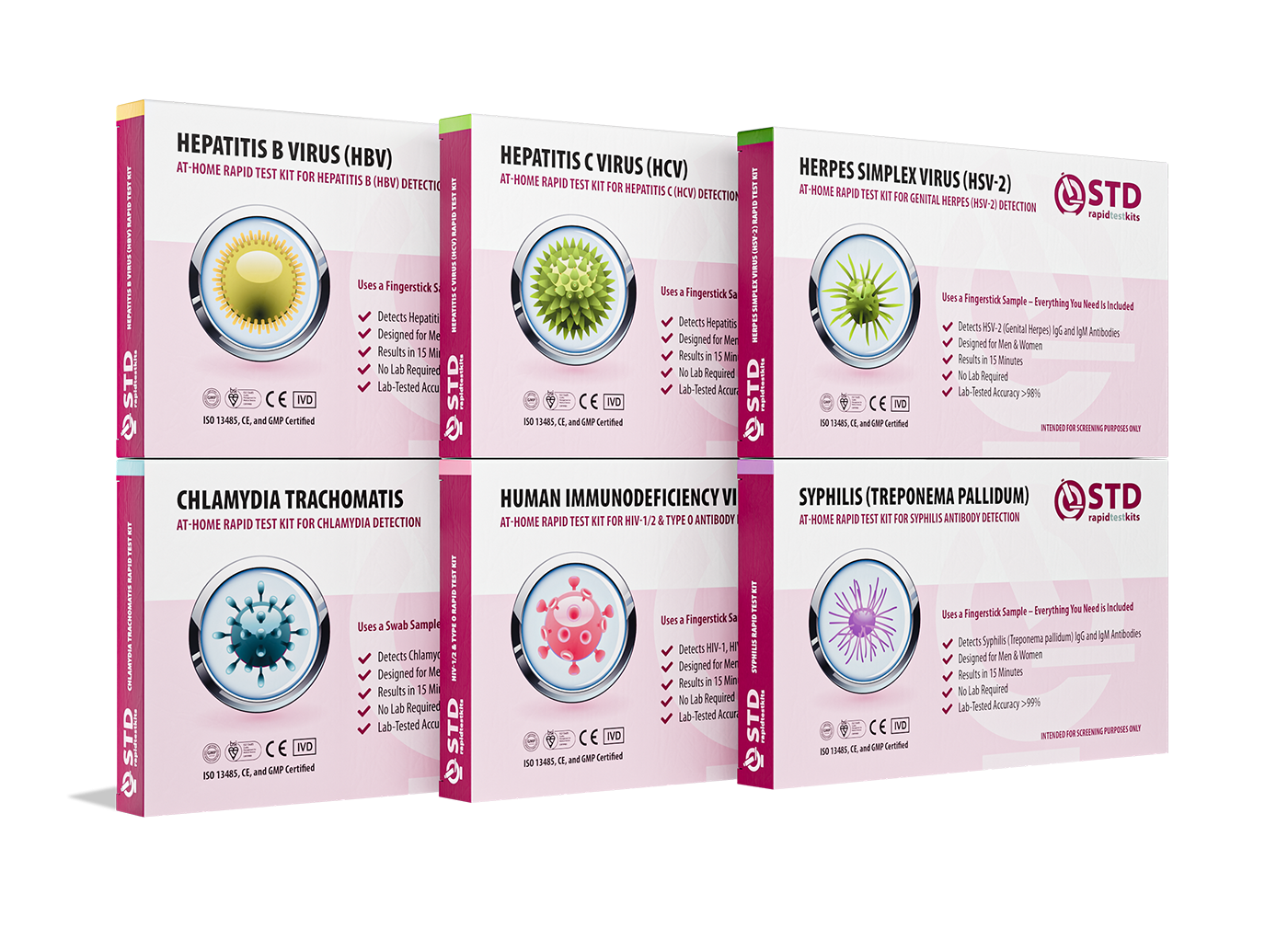
 For Men & Women
 Results in Minutes
 No Lab Needed
 Private & Discreet