







At-Home STD Testing: What the New FDA HPV Screening Approval Means for Sexual Health
The extra benefits of Ozempic go beyond its licensed use and offer hope in managing metabolic disorders associated with HIV, liver health in hepatitis B and C patients, its weight and cardiovascular effects being particularly germane to such individuals. Furthermore, Ozempic has potential with active liver inflammation reduction and fibrosis, thus becoming a subject of interest in hepatology. Despite this, regular testing remains one of the most feasible methods of monitoring disease progression and response to treatment in HIV, hepatitis B, and hepatitis C.
Ozempic: A Game-Changer for HIV and Hepatitis Patients
Overview of Ozempic's mechanism of action
Ozempic is semaglutide, a GLP-1 receptor agonist that was first developed for the treatment of type 2 diabetes. Its mechanism is such that it stimulates a natural hormone, which reduces appetite and regulates insulin and blood sugar levels, slowing stomach emptying. This medicine, in particular, would appear promising for metabolic disorders and weight management and could also be useful in the treatment of people affected with HIV, hepatitis B, and hepatitis C.
Potential benefits for individuals with HIV, Hepatitis B, and C
Ozempic has brought immense benefits to individuals with HIV, hepatitis B, and hepatitis C, in particular with regards to metabolic complications and liver health. For instance, in people with HIV, Ozempic has been shown to decrease liver fat content. This is relevant since up to 30–40% of individuals with HIV are suspected of having MASLD, or metabolic dysfunction-associated steatotic liver disease. Thus, reduction in liver fat may minimize the inflammatory and cellular changes leading to cardiovascular and liver diseases.
This sets Ozempic as a drug of special interest for patients with hepatitis B and C infection, since it may benefit from its potential to reduce inflammation and fibrosis in the liver. Weight management and cardiovascular effects of this medicine are of relevance to the patients infected, since metabolic complications are part of the spectrum of these infections.
Recent studies and clinical trials
Recent clinical trials provided strong evidence for Ozempic's efficacy regarding liver-related complications in people living with HIV and viral hepatitis. In phase IIb, semaglutide was studied in the SLIM LIVER trial for its effects on liver fat in patients with HIV. There was observed a mean reduction of liver fat by 31% following treatment after 24 weeks of intervention. Additionally, resolution of MASLD, as evidenced by a reduction in liver fat to 5% or less of total liver content, occurred among 29% of participants.
The same study cited significant weight changes; namely, the subjects had lost an average of 7.8 kg over the period of 24 weeks. The reduction in liver fat content strongly collocated with this weight reduction and could thus point to a mechanism behind Ozempic's liver-protective actions.
Further, Ozempic has also been noted to decrease inflammation and immune activation in those with HIV. In the semaglutide-testing study, a significant decline of inflammatory markers was noted: a 39.9% decrease in high-sensitivity C-reactive protein and 18.8% interleukin-6. These anti-inflammatory effects could be the underlying method through which general health is seen to improve for individuals infected with HIV and viral hepatitis.
Whereas these findings are encouraging, it should be underlined that in general Ozempic was generally well-tolerated in such trials, with the drug's adverse reactions mainly contributing to gastrointestinal disturbance—nausea and diarrhea. However, the long-term effects and optimization in people living with HIV, hepatitis B, and hepatitis C need further investigation.
Ozempic for the Management of Metabolic Complications in HIV
Ozempic semaglutide has shown favorable actions on metabolic complications of HIV infection. The drug is indicated for type 2 diabetes but it has shown remarkable benefits against insulin resistance, body weight, and CVD risk factors in HIV-positive patients.
Insulin Resistance and Diabetes
HIV infection and ART are commonly associated with insulin resistance and predispose the infected individual to high risk of developing Type 2 Diabetes. Ozempic acts by being a glucagon-like peptide-1 (GLP-1) receptor agonist; therefore, it would affect the regulation of insulin and blood sugar. Indeed, numerous reports indicate that Ozempic improves insulin sensitivity and enhances glucose metabolism in HIV-positive patients. In one recent clinical trial, a notably high improvement in hemoglobin A1C levels was attained by HIV-positive subjects suffering from type 2 diabetes who received GLP-1 receptor agonists, reflecting better long-term control over blood sugar levels.
Weight management and improvement in body composition
Of all the important concerns for people living with HIV and on ART, weight gain and changes in body composition are paramount. In people living with HIV, Ozempic was dramatically effective at facilitating weight loss and improving body composition. A study led by Dr. Jordan Lake at the University of Texas Health Houston records that the HIV-positive patients receiving injections of Ozempic once a week for up to six months had reduced the liver fat content by an average of 31%. Also, 29% of the participants managed to achieve the complete resolution of fatty liver diseases with their liver fat decreasing to 5% or less of the overall liver content.
Especially striking is the weight reduction that has been seen with the administration of Ozempic in HIV-positive patients. Patients in the study lost an average of 7.8 kg (17 lbs) over 24 weeks. The strong correlation of this to reductions in liver fat content suggests a mechanistic explanation for the liver-protective action of Ozempic. More importantly, Ozempic has been demonstrated to reduce visceral adipose tissue, which is strongly associated with cardiovascular disease and other metabolic complications.
Reduction of cardiovascular risk factors
Cardiovascular disease remains one of the main comorbidities in PLWHA, and Ozempic has shown its potential to reduce associated risk factors. This drug has shown the ability to improve lipid profiles by reducing total cholesterol, LDL cholesterol, and triglycerides in patients. Besides that, Ozempic has an anti-inflammatory action that could be part of its potential benefits on cardiovascular health.
A recent study showed that semaglutide treatment was associated with significant reductions in inflammatory markers, including high-sensitivity C-reactive protein by 39.9% and interleukin-6 by 18.8%. Because these inflammatory markers were reduced independently of weight loss, this might indicate that Ozempic has direct anti-inflammatory effects in HIV-positive individuals.
Ozempic and Liver Health in Hepatitis B and C
The medication Ozempic, generic name semaglutide, has emerged in recent times as one of the most promising interventions to improve liver health in both hepatitis B and C patients. Recent literature underlines its potential in reducing liver fat and inflammation, with possible enhancement of liver function tests and synergy with antiviral treatments.
Reduction of Liver Fat and Inflammation
The major benefits offered by Ozempic to both hepatitis B and C patients are the reduction of hepatic fat accumulation. In NAFLD-prone subjects, semaglutide treatment significantly reduced liver fat content. In patients, a relative reduction of 31% in liver fat was recorded after six months of treatment. This reduction in liver fat is significant for the individuals with hepatitis B and hepatitis C, since too much accumulation of fat in the liver is known to exacerbate inflammation and possibly lead to a worsening of liver disease.
Moreover, Ozempic demonstrated anti-inflammatory effects which might also prove to be beneficial in subjects with viral hepatitis. Indeed, in an analysis recently performed, treatment with semaglutide led to significant decreases in a number of inflammatory markers, including high sensitivity C-reactive protein. These anti-inflammatory effects might help mitigate liver damage caused by chronic viral infections.
Potential improvement in liver function tests
Ozempic has shown promising results for the improvement of liver function tests, which are an important marker of liver health in patients suffering from hepatitis B and C. In a study involving type 2 diabetes and NAFLD patient populations, semaglutide therapy significantly reduced liver enzymes ALT, AST, and GGT. Improvement of these liver function tests can indicate a generally positive effect of Ozempic on the liver in patients with viral hepatitis.
Moreover, the study stated that in 70% of the patients, there was a significant improvement in the severity of liver steatosis, as depicted by at least a one-class reduction in ultrasound-based semiquantitative staging. Further, such improvement in liver steatosis is expected to slow down the progression to liver fibrosis and cirrhosis more effectively, particularly among subjects suffering from hepatitis B and hepatitis C.
Synergistic action with anti-viral treatments
Ozempic is not a direct-acting antiviral drug; however, its effects on metabolic health and liver function can provide a supporting role in antiviral treatments against hepatitis B and C. Combinations of DAAs with HTAs or entry inhibitors could give an improvement in the treatment response to HCV. Although not specifically tested with Ozempic, the outcome from these studies strongly points to the fact that combinations of metabolic health interventions and antiviral therapies will have better outcomes on the patients with viral hepatitis.
Besides, Ozempic is able to enhance weight loss and increase insulin sensitivity and may, therefore, indirectly act in support of the action of antiviral remedies. Activity against metabolic complications frequently developing in chronic viral hepatitis may result in better treatment response and liver health outcomes in subjects suffering from hepatitis B and hepatitis C.
Although the understanding of its long-term effects on the livers of patients with hepatitis B and hepatitis C still requires a lot more research, the current evidence suggests that Ozempic may have substantial benefits in terms of fat reduction and inflammation improvement in the liver, while also bringing improvement in liver function. These characteristics, combined with potential synergistic interactions with antiviral treatments, make Ozempic an interesting option for the management of liver health in individuals with viral hepatitis.
Optimising Treatment Outcomes with Regular Testing
Regular monitoring and testing are quite crucial in the optimisation of treatment outcomes for patients living with HIV, hepatitis B, and hepatitis C, especially when on medications such as Ozempic. This will help ensure that the patient receives optimum treatment and healthcare professionals can make timely alterations in the treatment modalities.
Importance of Monitoring HIV and Hepatitis Viral Loads
Monitoring viral load is important in patients with HIV, hepatitis B, and hepatitis C in determining treatment efficacy and clinical disease progression. In all HIV-infected persons, it is recommended that careful monitoring be conducted for at least the first three months after a switch to determine tolerability, viral suppression, adherence, and safety during the new regimen. This most often is done as a clinic visit or telephone call 1 to 2 weeks after the change and a viral load test 4 to 12 weeks after the switch looking for rebound viremia.
In the case of hepatitis B, viral load testing refers to the amount of HBV present in one's blood. The information is helpful in deducing the chances of transmission of the virus, the difference between an acute and a chronic infection, and the possibility of liver disease. In hepatitis C, the regular monitoring of viral loads helps in assessing the progress of treatment to take a suitable course of action.
Monitoring metabolic health markers
Given the potential effect on metabolic health, a range of markers needs to be monitored in patients with HIV, hepatitis B, and hepatitis C while on Ozempic: blood fasting glucose, triglycerides, liver function tests including ALT, and AST. In the recent study, patients in the group treated with Ozempic had significant improvements in weight loss and waist circumference and also in fasting glucose and triglyceride levels.
All these metabolic markers are regularly followed up to understand if Ozempic is indeed at work in mitigating metabolic complications associated with the pathologies of HIV and viral hepatitis. Such monitoring also helps in the identification of any potential side effects or interaction with other medications.
Using Home Testing for Convenience
For this reason, different opportunities for at-home tests have been made available to make testing and monitoring less burdensome. This test can help people living with HIV, hepatitis B, and hepatitis C for whom frequent clinic visits may be a problem. Examples of at-home tests include at-home HIV tests that may give preliminary results in 20 to 40 minutes using oral fluid.
Check Your STD Status in Minutes
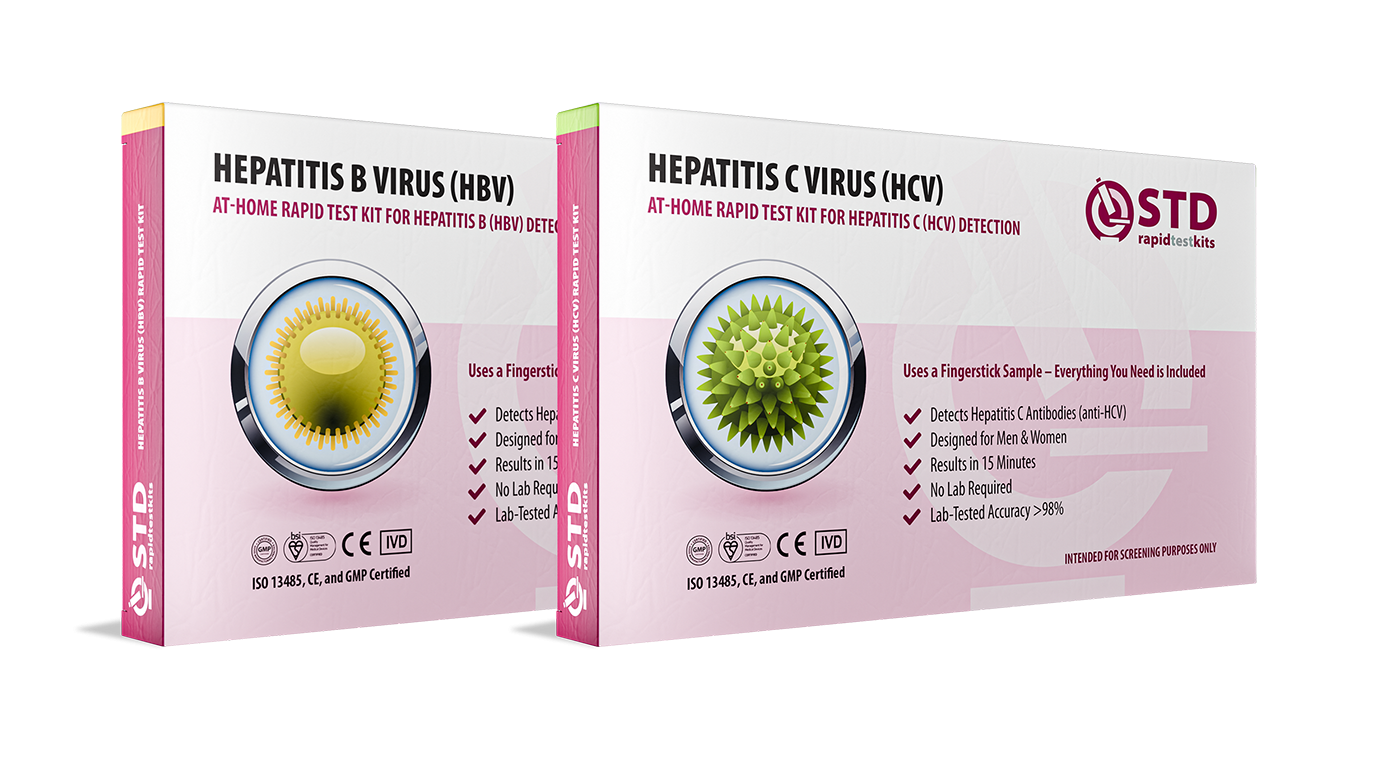
Test at Home with RemediumHepatitis B & Hepatitis C Test Kit
Claim Your Kit Today
Save 50%
 For Men & Women
 Results in Minutes
 No Lab Needed
 Private & Discreet
Order Now $49.00 $98.00
For all 2 tests
However, as convenient as at-home testing may be, it cannot and should not replace treatment by a medical professional. Positive results from at-home tests are subject to confirmation through follow-up testing by a health facility. Users have to consider the possibility of false-negative incidences, as such instances may occur, especially at the onset of infection where the viral load might be low.
The combination of regular clinical monitoring with at-home testing options will enable the patient to monitor their comprehensive health status and treatment progress. In this way, the practice will enable timely intervention and adjustments of the treatment plan for better outcomes in the event of individuals living with HIV, hepatitis B, and hepatitis C using Ozempic as part of their treatment regime.
Check Your STD Status in Minutes
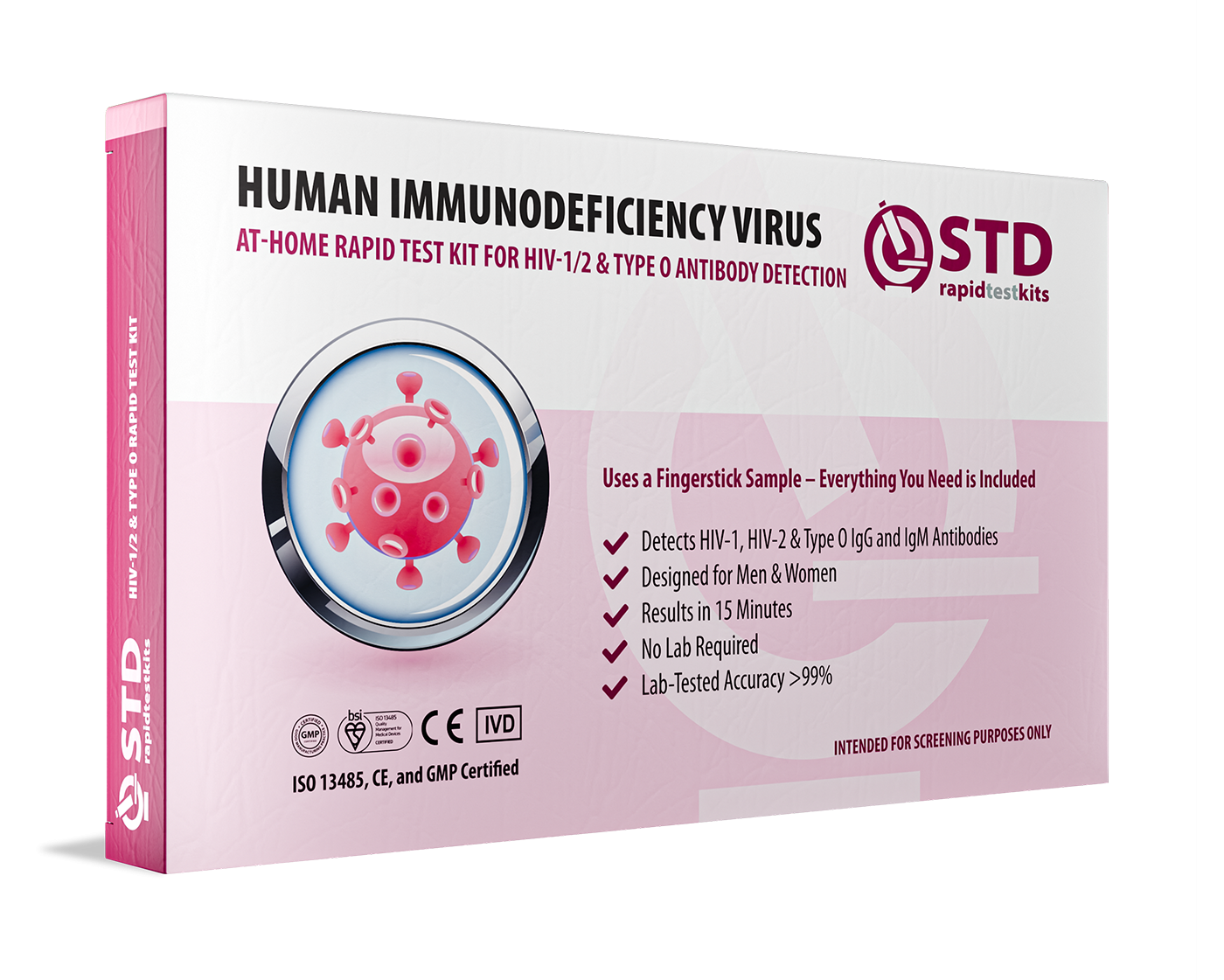
Test at Home with RemediumHIV Rapid Test Kit
Claim Your Kit Today
Save 31%
For Men & WomenResults in MinutesNo Lab NeededPrivate & DiscreetOrder Now $33.99 $49.00
Ozempic has shown great potential in improving the health of those living with HIV, hepatitis B, and hepatitis C through the management of metabolic complications and liver fat accumulation and improvement of cardiovascular risk factors. Thus, Ozempic is giving new hope for those living with these infections. Weight management associated with this medication and anti-inflammatory effects add to the overall benefits of this medication and make it a very promising addition to current treatment strategies.
However, regular monitoring is very important in order to have better success with the treatment and for Ozempic to work in the management of these conditions. Testing kits, available from the likes of stdrapidtestkits.com, enable ordering and self-testing at home with immediate results to stay on top of one's health status. As research continues, Ozempic will no doubt have an expanding role in the lives of individuals with HIV, hepatitis B, and hepatitis C and may well revolutionize the approach to the management of these complex infections.
FAQs
-
Can individuals with HIV use Ozempic?
Yes, Ozempic has been found to potentially improve liver health in individuals living with HIV, according to recent research. -
Is Ozempic beneficial for liver diseases?
Ozempic has shown promise in slowing the progression of liver diseases linked to diabetes. -
What is the relationship between hepatitis and HIV?
Individuals with HIV are at heightened risk of severe disease from hepatitis A virus (HAV) infection if they have underlying liver disease. Additionally, co-infection with hepatitis B virus (HBV) or hepatitis C virus (HCV) can lead to increased liver-related health issues and mortality in those with HIV. -
What medication is effective for treating both HIV and hepatitis B?
The antiretroviral drugs tenofovir alafenamide (TAF) and tenofovir disoproxil fumarate (TDF) are commonly used to treat both HIV and hepatitis B infection. These medications are also utilized as pre-exposure prophylaxis (PrEP) to prevent HIV in people who are not infected.
References


