Common Symptoms of Chlamydia from Having Unprotected Oral Sex
It is one of the common STDs in the world. Infection usually results from the bacterium Chlamydia trachomatis and usually extends to every other region of the body, including the genitals, rectum, and throat. Though chlamydia usually results in genital infections, it can be orally contacted through oral sex, leading to oral chlamydia.
It is, therefore, very important to understand the symptoms and signs of a chlamydia infection after having unprotected oral sex for early detection and treatment. This review glass focuses on manifestations, risks, and the importance of testing upon suspicion.
29 September 2024
5 min read
1562
What is Oral Chlamydia?
This is an oral chlamydia infection which one gets when the Chlamydia trachomatis bacterium infects the throat. They may also be contacted through unprotected oral sexual relations with a person suffering from a genital chlamydia infection. Oral chlamydia infection is less common, relatively to that acquired in the genital area, but very possible and threatening to health unless cured.
Common Signs and Symptoms of Oral Chlamydia
A majority of the people suffering from oral chlamydia do not show symptoms; therefore, the infection is commonly referred to as "silent." Symptoms that may be present include:
Sore Throat The common symptom of oral chlamydia is a continuing sore throat. It may be confused with a sore throat from the common cold or flu. In case a person had unprotected oral sex recently and his or her sore throat does not seem to get better with conventional treatments, then one should suspect chlamydia as the possible cause.
The throat turns red and swells up. Symptoms such as erythema and edema of the posterior pharynx are the most general manifestations of oral chlamydia. This can thus lead to a state of discomfort and tenderness during swallowing. Sometimes, inflammation of the palatine tonsils can also occur, which turns red and swells up.
White patches on the throat Other symptoms that may indicate that one has acquired oral chlamydia include the appearance of white spots or patches in the throat or on the tonsils. These sores are usually mistaken for strep throat. They could, however, be a symptom of chlamydia infection especially if they fail to clear up even after the patient has undergone courses of antibiotics for other ailments.
Swallowing hurts In some incidences of the oral chlamydia, the symptom is an immediate result of the inflammation and irritation of infection caused in the pharynx, and it may present itself as odynophagia, or painful swallowing.
Swollen lymph nodes The other symptoms of oral chlamydia also include swelling of the lymph nodes around the neck area: when immunity is working in the attempt to fight infection, lymph nodes become enlarged in size and may even hurt to touch it.
Fever Much less commonly, chlamydia infections of the mouth result in a low-grade fever that is practically always associated with a sore throat and swollen lymph nodes.
Risks Associated with Untreated Oral Chlamydia
If left untreated, a few complications may arise with oral chlamydia. In this respect, the bacterium can travel upwards to other body parts and thus initiate more critical infections.
“Untreated chlamydia increases the risk of transmitting the infection to sexual partners. It’s also worth noting that having oral chlamydia can increase your susceptibility to other STIs, including HIV.”
Getting Tested: Why It's So Important
Since this is an infection that always leaves a person asymptomatic or develops mild symptoms, usually mistaken for some other disease, testing definitely becomes necessary. The necessity for testing arises after one has had oral sexual contact that is unprotected, with new or multiple partners, even in the absence of symptoms. This will definitely assure you of a timely diagnosis and treatment to avoid complications and reduce the risk of transmission.
How is Oral Chlamydia Diagnosed?
The diagnosis of oral chlamydia is by swab testing. A swab of the back of the throat is taken by the health professional, and diagnosis is made in the laboratory. Serological tests may achieve this in rare instances. Serologic testing depends on the detection of antibodies against chlamydia.
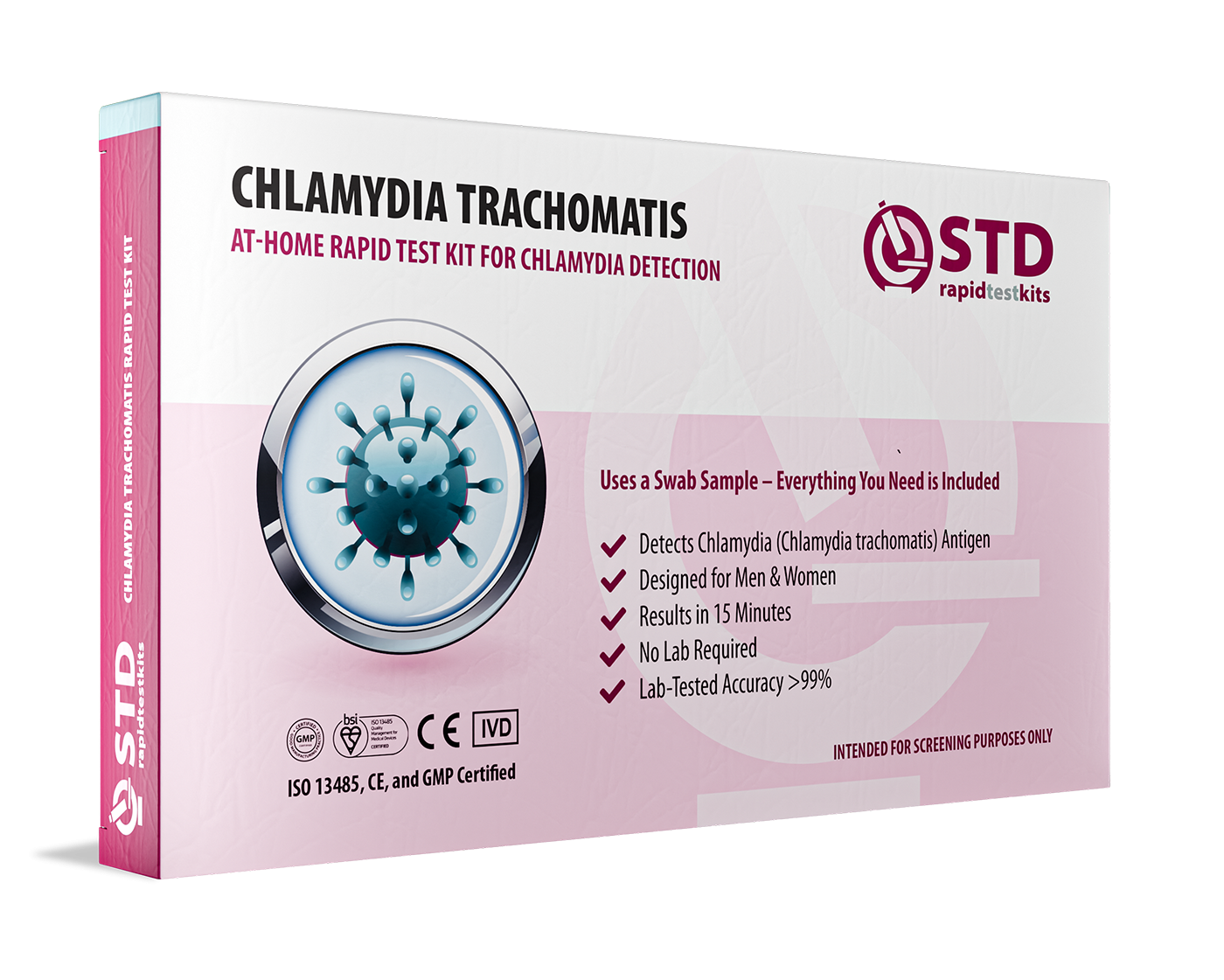
You can also consider testing through the self-testing chlamydia test kit, which is available for use at home and normally gives results in a few minutes. This can be quite fast and private; thus, it acts as an alternative diagnosis method.
More importantly, oral chlamydia can be treated with antibiotics in the forms of azithromycin or doxycycline. Even as symptoms are seen to improve, the complete course of antibiotics needs to be taken. If this isn't done, the infection is often incompletely eradicated, leaving the person vulnerable to complications and at increased risk for its transmission to others.
Preventing Oral Chlamydia
The best means of preventing oral chlamydia, however, is safe sex: the wearing of condoms or dental dams while having oral sex. Regular check-ups for STIs are in order, especially if a person has numerous sexual partners or is not practicing protection. If one has chlamydia—or also in the case of a partner who does—the best avenue would be sexual abstinence until treatment is completed.
Take Control of Your Health
Oral chlamydia is an aggressive infection obtained through unsafe oral sex. Since most of the time its symptoms are mild and sometimes even absent, knowing the signs of the infection must be followed with testing in case one thinks he or she has the infection. Early detection by a simple swab test can lead to easy treatment with antibiotics, hence preventing further health issues and the spread of the infection.
Prioritizing regular STI testing and practicing safe sex are essential steps in maintaining your sexual health and well-being. If you’re concerned about your risk of chlamydia or any other STI, consider getting tested today to take control of your health.








 For Men & Women
 Results in Minutes
 No Lab Needed
 Private & Discreet


