







Quick Answer: When to retest after STD treatment depends on the infection, but most people should wait at least 2–4 weeks to avoid false results, with some infections requiring retesting at 3 months to check for reinfection.
The Moment After Treatment: Why Your Brain Doesn’t Trust “Done”
There’s a very specific kind of anxiety that shows up after treatment. It doesn’t matter if it was Chlamydia, Gonorrhea, or Syphilis. The moment the pills are gone, your brain starts asking questions your doctor didn’t fully answer.
“What if it didn’t work?” “What if I still have it?” “What if I gave it to someone?”
Jordan, 27, described it like this:
“I kept checking my body like something would suddenly confirm I was still infected. Every sensation felt suspicious.”
This is completely normal. And it’s not just emotional, it’s biological and behavioral. You’ve just gone through a health scare tied to intimacy, trust, and your body. Of course your brain wants certainty.
The problem is: testing too soon won’t give you that certainty. In fact, it can make things more confusing.
Why Retesting Too Soon Can Mess With Your Head (and Your Results)
This is where most people go wrong. You finish treatment, wait a few days, and think, “I’ll just test again to make sure.” It sounds logical. It feels responsible. But medically, it can backfire.
Many STD tests, especially for bacterial infections, don’t just detect live bacteria. They detect genetic material. That means even after treatment has successfully killed the infection, your test can still come back positive.
That’s not reinfection. That’s leftover biological debris.
Alex, 31, put it bluntly:
“I tested again after a week and it was still positive. I spiraled. I thought the antibiotics failed. Turns out I just tested way too early.”
This is one of the biggest misconceptions online: a positive result after treatment does not always mean the infection is still active.
It often means your body hasn’t fully cleared the remnants yet.
People are also reading: What’s the Best STD Test for Men to Use at Home?
Retesting Timeline: What Actually Makes Sense
Instead of guessing, let’s anchor this in something concrete. Different infections behave differently, and retesting timelines are based on how long your body takes to clear detectable material, not just symptoms.
| STD | Earliest Retest Time | Recommended Retest Window |
|---|---|---|
| Chlamydia | 3 weeks | 3 months (reinfection check) |
| Gonorrhea | 2 weeks | 3 months |
| Syphilis | 4–6 weeks | 6 and 12 months |
Notice something important here: there are usually two timelines.
The first is about avoiding false positives. The second is about catching reinfection, which is more common than most people realize.
That second test? It’s not about doubt. It’s about reality.
Test of Cure vs Retesting: Not the Same Thing
This is where things get confusing fast. People hear “retest” and assume it always means the same thing. It doesn’t.
A test of cure is done to confirm the infection is gone. A routine retest is done later to make sure you didn’t get reinfected.
| Type | Purpose | When It’s Used |
|---|---|---|
| Test of Cure | Confirm infection is cleared | Pregnancy, persistent symptoms, specific infections |
| Routine Retest | Check for reinfection | Usually 3 months after treatment |
Most people do not need a test of cure for infections like Chlamydia or Gonorrhea unless symptoms continue. But almost everyone should consider a retest later.
Because here’s the uncomfortable truth: reinfection often comes from the same partner who wasn’t treated.
When Symptoms Stick Around (and Why That Doesn’t Mean Failure)
This is the part that really messes with people. You took the medication. But your body doesn’t feel “normal” yet.
That doesn’t automatically mean treatment failed.
Inflammation can linger. Nerve sensitivity can hang around. Your body just went through an infection, it doesn’t reset overnight.
Riley, 24, said it best:
“The discharge stopped, but the irritation didn’t. I thought I still had it. Turns out my body just needed more time.”
Symptoms fading slowly is actually more common than symptoms disappearing instantly.
Testing too early during this phase is what creates confusion, not clarity.
This Is Where At-Home Testing Actually Helps
When you’re stuck in that in-between phase, done with treatment, not fully reassured, access matters. Waiting weeks for a clinic appointment while your anxiety builds isn’t always realistic.
That’s where discreet, reliable options come in.
Get your timeline and peace of mind back. You can use a reliable at-home STD testing service to retest at the right time, without having to deal with the stress of waiting rooms or having to talk about it.
And if you’re unsure what you were exposed to or want a broader check, a combo STD home test kit can cover multiple infections at once.
Because clarity shouldn’t depend on convenience. It should be accessible when you need it most.
So… When Are You Actually “In the Clear”?
This is the question underneath everything else. Not just “when should I retest,” but “when can I stop thinking about this?”
The honest answer is layered. You’re likely no longer contagious within days to a week after completing treatment for most bacterial STDs, assuming you followed the medication correctly and avoided new exposure.
But mentally? That’s a different timeline.
Testing too early can keep you stuck in a loop of uncertainty. Waiting the appropriate 2–4 weeks gives your body time to clear residual material and gives you a result you can actually trust.
And that’s the whole point of retesting, not just information, but closure.
Check Your STD Status in Minutes
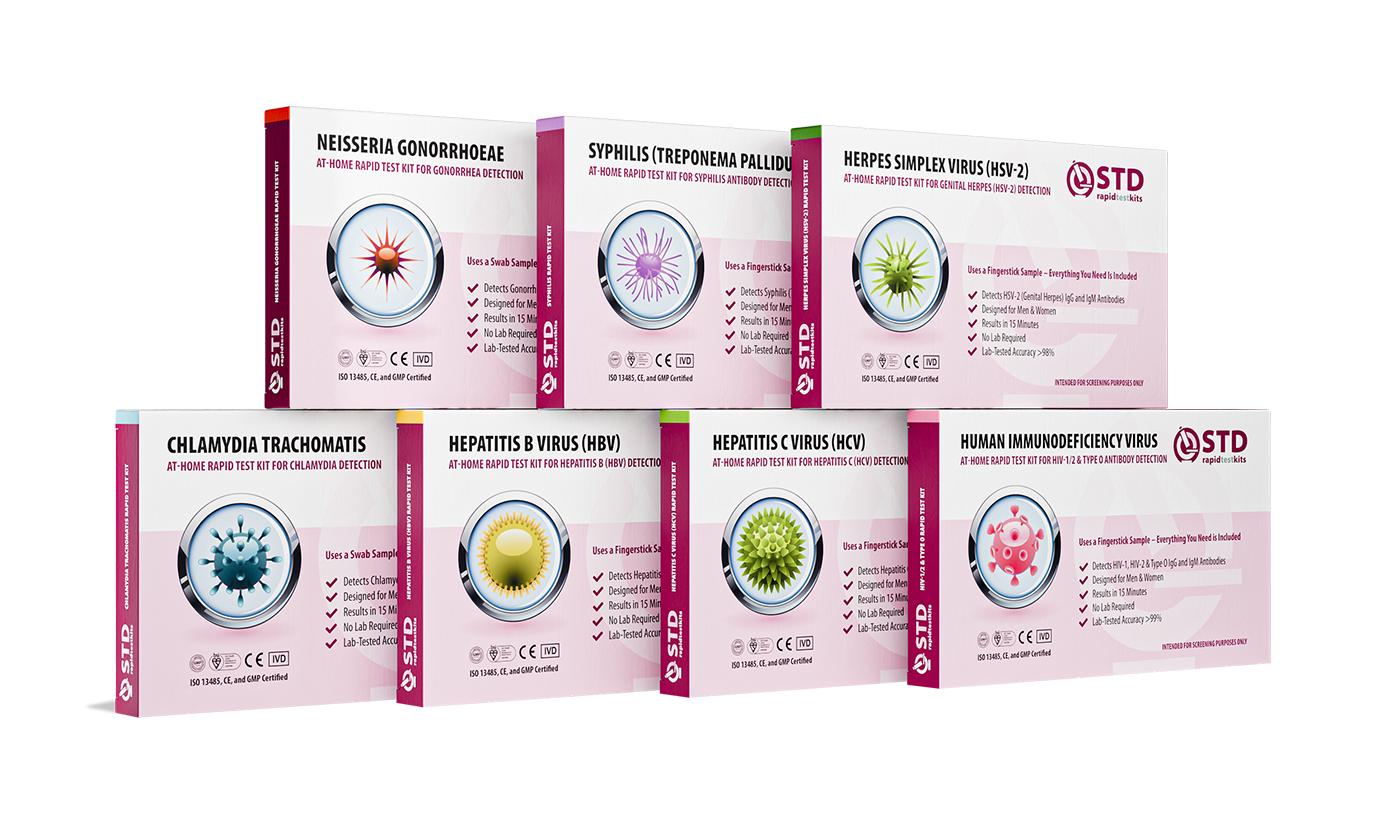
Test at Home with Remedium7-in-1 STD Test Kit
 For Men & Women
 Results in Minutes
 No Lab Needed
 Private & Discreet
Order Now $129.00 $343.00
For all 7 tests
What Happens If You Had Sex Again After Treatment?
This is more common than people admit. You finish treatment, start feeling better, and assume things are back to normal. Then comes the question: did I just undo everything?
The answer depends on timing and whether your partner was treated too.
If you had sex before both of you completed treatment, or within the recommended abstinence window, you may have been re-exposed. This is one of the main reasons reinfection happens, even when people “did everything right.”
In that case, your retesting timeline resets.
Instead of thinking about when you finished antibiotics, think about your last potential exposure. That becomes your new anchor point.
This is also why providers emphasize partner treatment so strongly. It’s not about blame, it’s about breaking the cycle.
The Reinfection Reality No One Likes Talking About
Here’s something that doesn’t get said enough: a large percentage of positive tests after treatment aren’t treatment failures. They’re reinfections.
That doesn’t mean you were careless. It means sexual health happens in real life, not controlled environments.
Maybe your partner didn’t get treated yet. Maybe there was miscommunication. Maybe you trusted the situation to be resolved when it wasn’t fully.
Dani, 29, shared this:
“I thought we were both treated. Turns out he hadn’t picked up his prescription yet. I tested positive again and felt like I’d failed somehow.”
You didn’t fail. The system around sexual health is just imperfect.
This is why retesting at 3 months is recommended across the board. Not because doctors assume the worst, but because they’ve seen how often reinfection happens.
What About At-Home STD Tests After Treatment?
A lot of people wonder if at-home tests are reliable in this phase. The short answer: yes, but timing matters just as much.
Whether you’re testing in a clinic or at home, the same biological rules apply. Testing too soon can still find inactive remnants, and testing too late can make you feel better.
The advantage of at-home testing is control. You can choose the right moment instead of rushing into a test out of anxiety.
Used correctly, they’re not just convenient, they’re strategic.
And when you’re dealing with something as personal as this, having that control matters more than most people realize.
How to Reduce False Results (Without Overthinking It)
You don’t need to become a medical expert to get accurate results. But there are a few simple things that make a big difference.
- Timing: Wait at least 2–4 weeks after treatment unless advised otherwise
- Exposure awareness: Reset your timeline if you’ve had new sexual contact
- Follow instructions: Especially with at-home kits, collection matters
That’s it. You don’t need to micromanage your body or track every sensation.
Most inaccurate results come from testing too soon, not from doing something wrong.
The Quiet Truth: Anxiety Is Part of the Process
No one likes to admit this part, but it matters. Even when everything goes right, treatment works, symptoms fade, timelines are followed, there’s often still a lingering unease.
You went through something vulnerable. Your body felt unpredictable. Your trust in it got shaken.
So of course your brain wants reassurance.
Retesting isn’t just about infection status. It’s about restoring that sense of certainty.
And doing it at the right time is what actually gives you that relief, instead of prolonging the question.

People are also reading: How Chlamydia Shows Up in Men and Women (And When It Doesn’t)
Why Timing Isn’t Just a Suggestion, It’s the Whole Game
People tend to treat retesting like a checkbox. Something you do just to confirm what you already believe. But in reality, timing is the difference between getting a clear answer and accidentally creating more confusion.
STD tests don’t operate on your schedule. They operate on biology. That means your body needs time to fully process what just happened, clearing bacteria, reducing inflammation, and shedding detectable remnants that tests can still pick up.
If you test too early, you’re not being proactive. You’re stepping into a gray zone where results don’t reflect reality yet.
And that gray zone? That’s where anxiety thrives.
The Science Behind “Leftover Positives” (And Why They Freak People Out)
Let’s break this down in a way that actually makes sense. Many modern STD tests, especially NAATs (nucleic acid amplification tests), are incredibly sensitive. That's a good thing. This means they can find infections early and with a lot of accuracy.
But sensitivity has a downside.
These tests don’t just detect live bacteria. They detect fragments of genetic material. So even after treatment has successfully killed the infection, your test might still “see” what’s left behind.
Picture it like a crime scene after it's been cleaned up. The danger is gone, but traces are still detectable if you look closely enough.
This is why someone can feel completely fine, be medically cured, and still get a positive result if they test too soon.
It’s not failure. It’s just timing.
The 2–4 Week Window: What’s Actually Happening in Your Body
That recommended waiting period isn’t arbitrary. It’s based on how long it takes your body to fully clear out the biological remnants that tests can detect.
During those weeks, your immune system is finishing the job. Dead bacteria are being broken down. Inflammation is settling. Tissues are repairing themselves.
You might still notice mild symptoms during this phase. A little irritation. A sensation that doesn’t feel quite normal yet. That doesn’t automatically mean infection is still present.
It often means your body is in cleanup mode.
This is the part people rush through, and it’s exactly why they end up confused by early test results.
Reinfection vs Treatment Failure: The Distinction That Changes Everything
If you test positive again later, your first thought might be: “The treatment didn’t work.”
But statistically, that’s not the most likely explanation.
Most standard treatments for bacterial STDs are highly effective when taken correctly. What’s far more common is reinfection, especially if a partner wasn’t treated at the same time or if sex resumed too early.
This distinction matters because it changes what you do next.
If it’s treatment failure, you may need a different antibiotic or further evaluation. If it’s reinfection, the focus shifts to partner treatment, timing, and prevention.
And emotionally, those are very different stories.
Check Your STD Status in Minutes
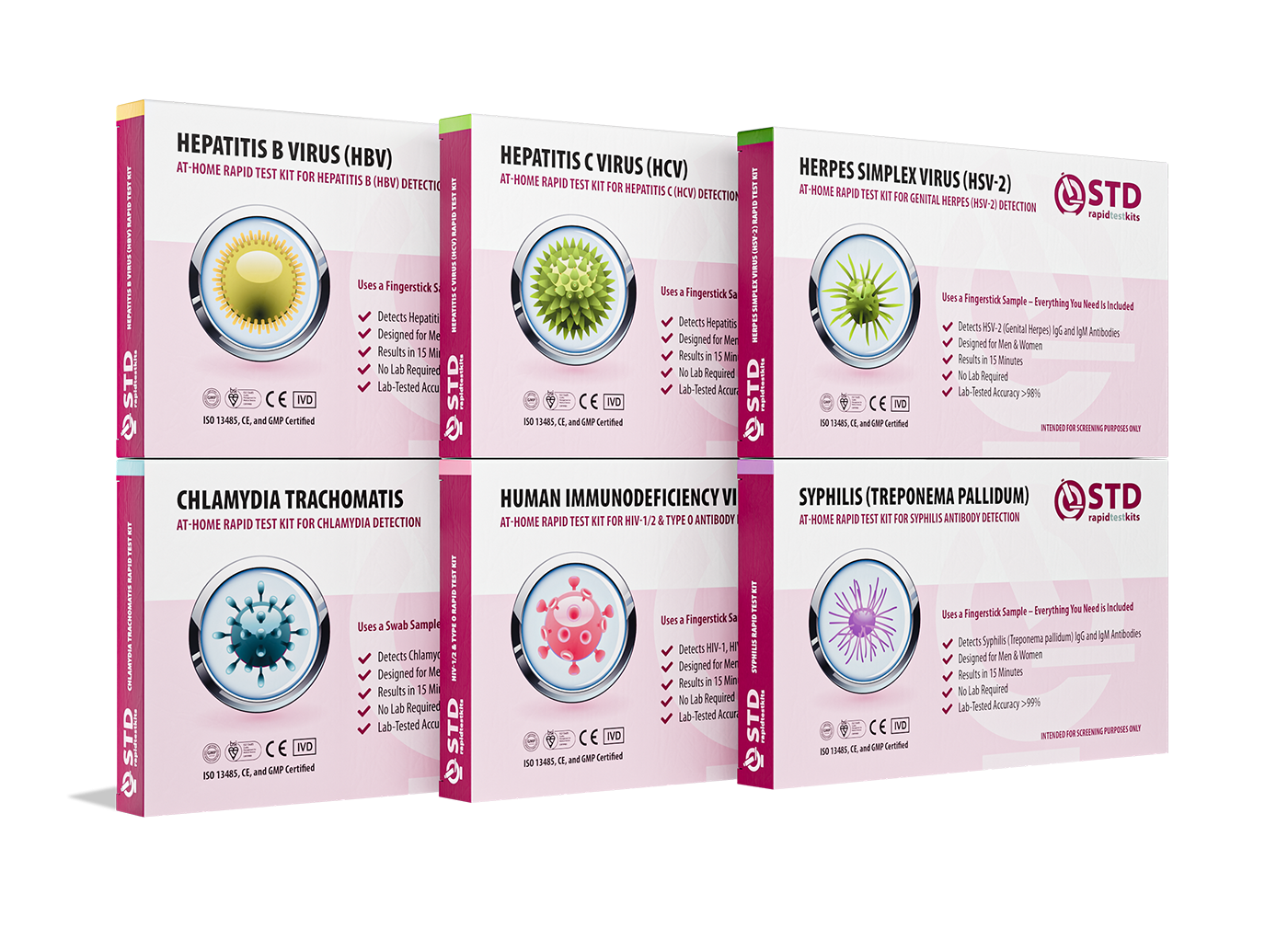
Test at Home with Remedium6-in-1 STD Test Kit
 For Men & WomenResults in MinutesNo Lab NeededPrivate & Discreet
Order Now $119.00 $294.00
For all 6 tests
A Simple Way to Think About Your Timeline
If everything feels messy, here’s a clean way to organize it in your head.
| Situation | What to Do |
|---|---|
| Just finished treatment | Wait 2–4 weeks before retesting |
| Had sex after treatment | Reset timeline from last exposure |
| No symptoms but want reassurance | Retest at ~3 months |
| Symptoms not improving | Consult provider + consider earlier evaluation |
This isn’t about memorizing rules. It’s about understanding your situation and responding accordingly.
Once you see the pattern, the confusion starts to settle.
FAQs
1. I finished treatment… so why am I still thinking about this every day?
Because your brain hates loose ends. You went through something that messed with your body and your sense of control, so it keeps checking for certainty. Retesting at the right time gives you a real answer instead of feeding that anxiety loop.
2. How soon is too soon to retest after antibiotics?
If it’s been less than about 2–3 weeks, it’s probably too soon. Your body can still have leftover bacterial fragments that trigger a positive result, even if the infection is gone. Testing early doesn’t calm you down, it usually does the opposite.
3. Wait… so I can test positive even if I’m cured?
Yeah, and this is where a lot of people spiral. Some tests pick up genetic material, not just live bacteria, so your result can look positive even though treatment worked. It’s not your body failing, it’s just how detection works.
4. I still have symptoms. Does that mean the antibiotics didn't work?
Not always. Your body doesn't go back to normal overnight; it can stay irritated, inflamed, or sensitive for a while. It's usually a good sign if symptoms are getting better, even if it's slowly.
5. What if I had sex again after treatment… did I mess everything up?
Not automatically, but it depends on timing. If it was before both people finished treatment or too soon after, there’s a real chance of reinfection. In that case, your “clock” resets, and your retesting timeline should start from that new exposure.
6. Do I actually need to retest if I feel fine now?
Yes, and this is the part people skip. Feeling fine doesn’t always mean you’re in the clear, especially with infections that can be asymptomatic. That 3-month retest is about catching what you can’t feel.
7. Why do doctors keep saying “3 months”? That feels so long.
It does feel long, but it’s not random. That window is based on how often reinfection happens in real life, partners not treated, timing misaligned, things getting messy. It’s less about doubt and more about being thorough.
8. Are at-home tests actually reliable for retesting?
Yes, if you use them at the right time. The test itself can be accurate, but timing is what makes or breaks your result. Think of it less like “where you test” and more like “when you test.”
9. Can an STD just come back on its own after treatment?
For most bacterial STDs, no. If you test positive again later, it’s usually a new exposure, not the old infection waking back up. It’s frustrating, but it’s also something you can control going forward.
10. What’s the best way to finally feel sure I’m okay?
Give your body enough time, then retest once, properly timed, and trust that result. That’s your clean break from the situation. Not guessing, not symptom-checking, just a clear answer you can move forward with.
You Deserve Clarity, Not Guesswork
Finishing treatment should feel like the end of the story. But for a lot of people, it’s just the beginning of a different kind of stress, the kind where every sensation feels suspicious and every Google search makes things worse. The goal isn’t to panic over every feeling. It’s to understand what your body is actually doing.
If you’ve recently been treated, give your body time before retesting so your results actually mean something. If you’ve had new exposure, reset your timeline and test based on that, not guesswork. And if symptoms are fading but not gone, that’s often your body healing, not failing.
Don’t sit in that in-between space longer than you have to. When the timing is right, get a clear answer with a Combo STD Home Test Kit. It’s private, straightforward, and built to give you certainty, not more questions.
How We Sourced This Article: This guide blends current clinical guidelines on STD treatment and retesting with peer-reviewed research on test sensitivity and post-treatment detection windows. We referenced CDC, WHO, and NHS guidance alongside real-world patient patterns to explain why timing matters and how false positives and reinfection occur. The goal is to translate clinical timing rules into clear, usable advice without losing accuracy.
Sources
1. Centers for Disease Control and Prevention – STD Treatment Guidelines
2. Sexually Transmitted Infections from the World Health Organization
3. NHS – Sexually Transmitted Infections Overview
4. A Look at STD Testing at the Mayo Clinic
5. Research by the National Institutes of Health on STD testing and detection
6. Planned Parenthood – STD Basics and Testing
About the Author
Dr. F. David, MD is a board-certified infectious disease specialist who works with sexually transmitted infections, making sure tests are accurate, and putting the patient first. His approach combines clinical precision with clear, stigma-free guidance that helps people make confident decisions about their health.
Reviewed by: Dr. Michael R. Levin, MD, Infectious Disease Specialist | Last medically reviewed: March 2026
This article is meant to give you information, not to replace professional medical advice, diagnosis, or treatment.


