







Quick Answer: If your partner has chlamydia, you should assume you may have been exposed. Get tested as soon as possible, avoid sex until both of you are treated, and follow up with retesting to prevent reinfection.
The Moment Everything Feels Uncertain
Jordan, 27, described it like this: “I wasn’t even mad at first. I just felt this drop in my stomach like, okay, something just changed.” That reaction is incredibly common. Not because chlamydia is dangerous in the short term, but because it brings up a mix of health anxiety, trust questions, and a lot of unknowns.
Here’s the grounding truth: chlamydia is one of the most common and most treatable STDs. Millions of people get it every year, and most don’t even know they have it. This isn’t a rare or extreme situation, it’s a solvable one.
“I thought I’d feel symptoms immediately,” another patient shared. “But I felt completely normal. That’s what made it scarier.” And that right there is the key, chlamydia is often silent, which is why testing and timing matter more than guessing based on how your body feels.
What To Do in the First 24–72 Hours
This is where clarity beats panic. If your partner tested positive, you don’t need to wait for symptoms, and you don’t need to overanalyze the timeline right away. You just need a plan.
Start with this:
- Assume exposure: Even if you feel fine, you may still have chlamydia.
- Pause sexual contact: This prevents passing it back and forth.
- Plan your test: Timing matters (we’ll break that down next).
- Consider treatment: In many cases, both partners are treated at the same time.
If you’re feeling the urge to Google “do I have chlamydia if my partner does,” that’s completely normal. The honest answer is: not always, but often enough that testing is non-negotiable.
And if you want privacy while figuring this out, you can use a discreet at-home option like a STD Rapid Test Kit. It gives you control over timing, without sitting in a waiting room replaying everything in your head.

People are also reading: What Most STD Kits Miss About Trichomoniasis
When Should You Test? (This Is Where People Get It Wrong)
Testing too early is one of the biggest mistakes people make after exposure. You can test negative and still have the infection, it’s called the window period, and it matters more than most people realize.
| Time After Exposure | What It Means | Recommended Action |
|---|---|---|
| 1–3 days | Too early for accurate detection | Wait before testing |
| 5–7 days | Early detection possible | Test if anxious or symptomatic |
| 10–14 days | High accuracy window | Best time to test |
This is why someone can say, “My partner has chlamydia but I tested negative,” and still need a retest. It’s not that the test failed, it’s that the timing wasn’t right yet.
If waiting feels unbearable, you’re not alone. One patient told me, “The anxiety was worse than anything physical.” In those cases, an early test can give partial reassurance, but always follow it with a properly timed test later.
Symptoms, Silence, and Why Your Body Might Not Warn You
Here’s the part that catches people off guard: most people with chlamydia don’t feel anything at all. No burning, no discharge, no obvious signs. That doesn’t mean nothing is happening, it just means your body isn’t announcing it.
When symptoms do show up, they can look like:
- Burning when urinating
- Unusual discharge
- Pelvic or testicular discomfort
But again, many people have zero symptoms. That’s why searches like “can you have chlamydia and not know” are so common, and the answer is yes, very often.
This is also why relying on how you feel instead of testing is one of the fastest ways people accidentally pass it on or delay treatment.
Table: What Happens If You Ignore It vs Treat It
| Scenario | Short-Term Outcome | Long-Term Risk |
|---|---|---|
| Treated promptly | Clears with antibiotics | Minimal to none |
| Delayed treatment | Infection persists | Higher complication risk |
| Untreated | May remain silent | Fertility issues, pelvic inflammation |
This isn’t about scaring you, it’s about clarity. Chlamydia is easy to treat, but only if you actually deal with it.
Treatment, Timing, and the Part No One Explains Clearly
Once you hear “chlamydia,” your brain jumps straight to treatment, but most people don’t actually know how it works in real life. It’s not complicated, but it is specific. And missing the details is how people end up stuck in a cycle of reinfection.
Chlamydia is treated with antibiotics. That part is simple. What’s less obvious is that both partners usually need treatment at the same time, even if only one person tested positive.
“I thought I could just wait until my results came back,” one patient said. “But my doctor told me, ‘If your partner has it, we treat you now.’ That surprised me.”
That approach, called presumptive treatment, is common because waiting can mean spreading it back and forth without realizing it.
Check Your STD Status in Minutes
Test at Home with Remedium7-in-1 STD Test Kit
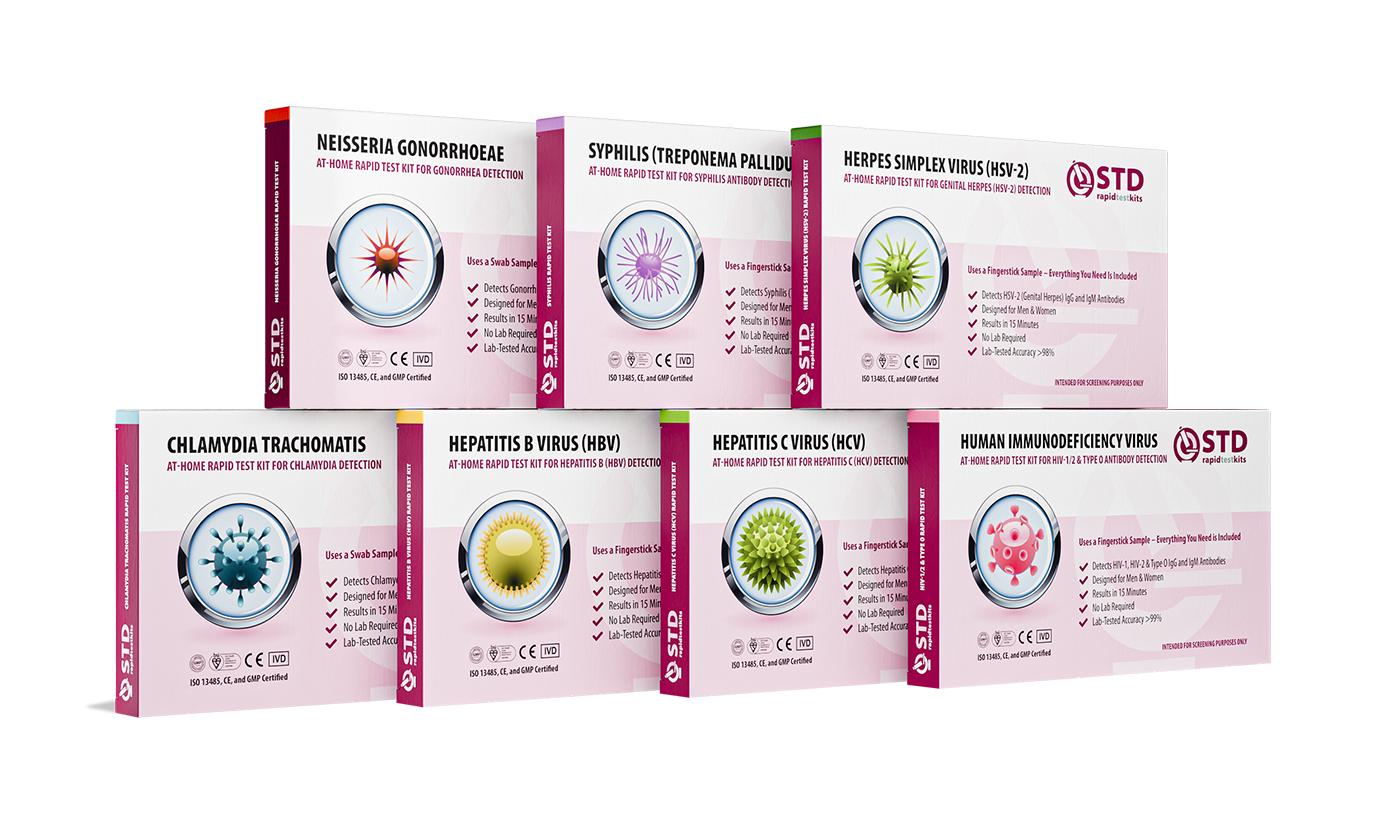
 For Men & Women
 Results in Minutes
 No Lab Needed
 Private & Discreet
Order Now $129.00 $343.00
For all 7 tests
Do Both Partners Need Treatment? Yes, And Here’s Why
If your partner has chlamydia, there’s a strong chance you’ve been exposed. Even if your test hasn’t come back yet, or even if it comes back negative, you may still be in the early window period.
This is where a lot of confusion happens. People assume a negative test means they’re in the clear, but timing can make that result misleading. Treating both partners at the same time helps eliminate that uncertainty.
Here’s what that looks like in practice:
| Situation | Recommended Approach | Why It Matters |
|---|---|---|
| Partner positive, you not tested yet | Treat both immediately | Prevents silent spread |
| Partner positive, you tested negative early | Treat + retest later | Covers window period risk |
| Both positive | Treat both + abstain | Avoid reinfection loop |
This isn’t about assuming guilt or blame. It’s about stopping a bacterial infection from bouncing between two people who didn’t realize what was happening.
The Reinfection Trap (And Why It Happens So Easily)
This is one of the most frustrating parts of chlamydia, and one of the least talked about. You can treat it, feel fine, and then suddenly… it’s back. Not because the antibiotics failed, but because the infection was passed back and forth.
“We both took the meds,” one couple shared. “But we didn’t wait long enough before having sex again. A few weeks later, it was back.”
That’s the reinfection loop. And it usually comes down to timing.
Here’s the rule most people miss: after treatment, you should wait at least 7 days before having sex again, and that includes oral sex. Even if you feel completely normal.
If you’re unsure about timing or want to double-check your status after treatment, a follow-up option like a Combo STD Home Test Kit can help you confirm everything is clear without the stress of scheduling another clinic visit.
“Does This Mean They Cheated?” Let’s Talk About It Honestly
This question shows up in searches constantly, and it deserves a real answer, not a vague one.
The short version: not necessarily.
Chlamydia can exist in the body without symptoms for weeks or even months. That means someone can have it long before a relationship starts, without knowing it. So when a diagnosis appears, it doesn’t automatically point to recent infidelity.
But, and this matters, it also doesn’t automatically rule it out either. Timing alone isn’t always precise enough to confirm when transmission happened.
“I went straight to assuming the worst,” one person admitted. “But after we talked it through, it actually made sense that it could’ve been there before.”
This is where communication matters more than assumptions. Testing gives you medical clarity. Conversations give you relationship clarity. They’re not the same thing, and both deserve space.
What If You Feel Fine? (The Most Misleading Scenario)
One of the most searched questions is some version of: “My partner has chlamydia but I feel fine, what now?”
And here’s the honest answer: feeling fine doesn’t mean anything in this situation. Chlamydia is often completely asymptomatic, especially in the early stages.
That silence is exactly why it spreads so easily. People don’t avoid testing because they’re careless, they avoid it because nothing feels wrong.
So if you’re waiting for symptoms to decide what to do next, you’re waiting on a signal that may never come.
Testing Options: Clinic vs At-Home (And Why People Choose Both)
You’ve got two main paths here, and neither is “better” universally, it depends on what you need right now.
| Option | Best For | Trade-Off |
|---|---|---|
| Clinic testing | Immediate treatment + confirmation | Less privacy, scheduling required |
| At-home testing | Privacy, convenience, fast answers | May still need follow-up care |
For a lot of people, the decision comes down to emotional comfort. One patient put it simply: “I just didn’t want to sit in a waiting room thinking about it.” That’s a completely valid reason to choose a home-based option.
Either way, the goal is the same, get clear answers, get treated if needed, and break the cycle.

People are also reading: Yes, Oral Sex Can Transmit STDs, Here’s What You Need to Know
The Window Period Problem (Why Negative Doesn’t Always Mean Clear)
The window period is the gap between exposure and when a test can reliably detect the infection. During this time, you can have chlamydia, but your test might still say negative.
This is exactly why someone ends up searching “partner has chlamydia but I tested negative” at 2AM. The confusion is real, and the answer depends almost entirely on timing.
| When You Tested | Result Reliability | Next Step |
|---|---|---|
| Under 5 days | Low | Retest later |
| 5–10 days | Moderate | Retest if unsure |
| 10–14 days | High | Reliable result |
If you tested early and got a negative result, that’s not a failure, it’s just incomplete information. Think of it like checking the weather before the storm has fully formed.
False Negatives vs False Positives (What’s Actually More Likely?)
People worry about false positives a lot, but with chlamydia, false negatives are the bigger concern, especially when testing too soon.
A false positive is rare because these tests are designed to detect specific bacterial DNA. A false negative, on the other hand, can happen if:
- The test is taken too early
- The sample isn’t collected correctly
- The infection hasn’t reached detectable levels yet
This is why retesting isn’t overkill, it’s part of doing it right.
“I just wanted one clear answer,” someone said during follow-up. “But what I actually needed was the right timing.” That shift, from urgency to accuracy, is what gets you out of the uncertainty loop.
When to Retest (Even If You Already Tested Once)
Retesting is one of the most important, and most overlooked, steps in this entire process. It’s not just for people who test positive. It’s for anyone who tested early, had ongoing risk, or wants confirmation after treatment.
Here’s how to think about it:
| Scenario | Retest Timing | Reason |
|---|---|---|
| Tested early (under 7 days) | At 10–14 days | Confirm accuracy |
| After treatment | 3 months later | Check reinfection |
| Ongoing symptoms | Immediately | Rule out persistence |
This is especially important if you’re the person thinking, “I already tested once, I don’t want to go through that again.” Retesting isn’t starting over. It’s finishing the process properly.
Common Testing Mistakes (That No One Warns You About)
Most people assume testing is foolproof, but small mistakes can affect results more than you’d expect. Not dramatically, but enough to matter in borderline cases.
Here are a few that come up often:
- Testing too soon after exposure
- Not following sample instructions exactly
- Stopping antibiotics early
- Resuming sex before the 7-day window ends
None of these mean you did something wrong. They’re just the kinds of details people aren’t told upfront, especially in rushed appointments or quick online searches.
Check Your STD Status in Minutes
Test at Home with Remedium6-in-1 STD Test Kit
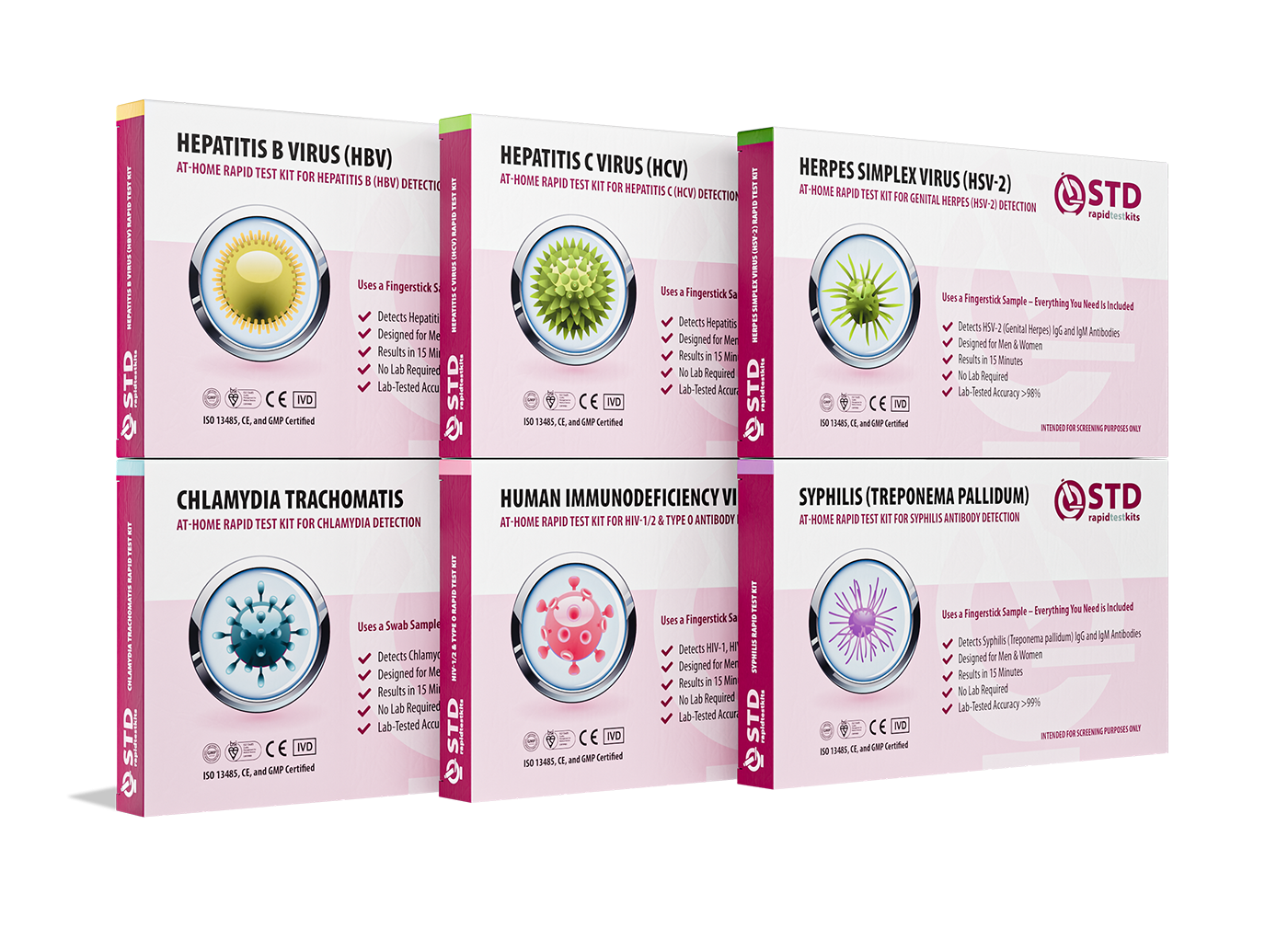 For Men & WomenResults in MinutesNo Lab NeededPrivate & Discreet
Order Now $119.00 $294.00
For all 6 tests
How to Actually Close the Loop (So This Doesn’t Linger)
The goal here isn’t just to get a result, it’s to reach a point where you’re no longer guessing. That means:
You tested at the right time. You (and your partner) completed treatment if needed. You waited the full window before resuming sex. And you followed up with a retest if your situation called for it.
That’s what closure looks like, not just “I took a test,” but “I know where I stand.”
If you want to manage that process privately, without multiple appointments, using something like an at-home STD test kit can help you track your status across those key moments, initial test, follow-up, and confirmation.
FAQs
1. If my partner has chlamydia, does that mean I definitely have it too?
Not automatically, but you’re close enough to the situation that guessing isn’t worth it. I’ve seen plenty of couples where only one tests positive, and others where both do. The problem is you can’t feel your way to the answer, so testing is how you get out of that mental loop.
2. How soon can I test without wasting my time?
I get why people want to test immediately, it feels like control. But if you test too early, you might just get a false sense of relief. Around 10–14 days after exposure is when you’re most likely to get a clear, trustworthy answer.
3. I tested negative… but I still feel weird about it. Should I trust it?
Depends on timing. If you tested really soon after exposure, that result might not mean much yet. If it was closer to that 2-week mark, you can breathe a little easier, but if your gut is still unsettled, a follow-up test is completely reasonable.
4. Do I really need treatment if I feel totally fine?
Yeah, and this is where a lot of people get tripped up. Feeling fine is actually super common with chlamydia, it doesn’t mean you’re clear. Treating it early is what keeps it simple instead of letting it turn into something more complicated later.
6. How strict is that “wait 7 days before sex” rule?
Pretty strict. This is one of those “sounds optional but isn’t” situations. Even one early hookup can reset the whole situation and land you right back where you started.
7. Can it really come back after we both took the medication?
It can, but not because your body failed. It’s usually timing. One person finishes meds, the other starts late, or sex happens too soon. It’s less about the bacteria being stubborn and more about the timing being off.
8. Okay but… does this mean they cheated?
I know that’s the question sitting in the back of your mind. The honest answer is: not always. Chlamydia can hang out quietly for a while, so it doesn’t come with a clean timestamp. It’s frustrating, but medically, it’s not proof of anything by itself.
9. What if I just wait and see if symptoms show up?
That sounds logical, but it’s actually how people miss it. Most cases don’t come with obvious symptoms, so waiting can feel like nothing’s happening when something actually is. Testing is what gives you real clarity.
10. Is an at-home test actually reliable, or am I better off going in?
Both can be solid options. At-home testing is great if you want privacy and control over timing, especially in that awkward “I don’t want to explain this to a receptionist” phase. Clinics are helpful if you want immediate treatment and follow-up in one place.
How do I stop thinking about this nonstop?
You don’t need to pretend it’s nothing, but you also don’t need to stay stuck in it. Once you’ve tested at the right time and handled treatment if needed, you’ve done your part. At that point, it’s not uncertainty anymore, it’s just your brain catching up to the facts.
You Deserve Clarity, Not Guesswork
Finding out your partner has chlamydia hits harder than people expect. Not because of the infection itself, but because of everything it brings with it, questions, assumptions, that quiet mental spiral. The goal here isn’t to panic or pretend it’s nothing. It’s to get out of uncertainty and back into something solid.
If you’ve been exposed, test at the right time. If treatment is needed, take it seriously and finish it. If both of you are involved, move through it together so you don’t end up passing it back and forth. Each step is simple, but together they give you something most people don’t realize they’re missing, clarity.
Don’t sit in the “what if” longer than you have to. If there’s even a small chance of exposure, start with a discreet option like the Combo STD Home Test Kit. No waiting room, no overthinking conversations, just answers you can actually use.
How We Sourced This Article: This guide combines the latest clinical advice on sexually transmitted infections with research that has been reviewed by experts and stories from real patients. We looked over information about how chlamydia spreads, when to test for it, how to treat it, and how often people get it again to make sure it was correct. Major public health organizations and medical literature are some of the sources. They have been translated into clear, useful advice that doesn't use medical jargon.
Sources
1. Fact Sheet on Chlamydia from the Centers for Disease Control and Prevention
2. NHS—A Brief Look at Chlamydia
3. Mayo Clinic – Chlamydia Symptoms and Causes
4. World Health Organization – Sexually Transmitted Infections Fact Sheet
5. Planned Parenthood – Chlamydia Information
6. Cleveland Clinic – Chlamydia Overview
7. CDC – Chlamydia Treatment Guidelines
About the Author
Dr. F. David, MD is a board-certified infectious disease doctor who specializes in preventing, diagnosing, and treating STIs. His direct, sex-positive approach puts clinical accuracy, clarity, privacy, and patient empowerment first.
Reviewed by: Dr. Alicia Moreno, MD, Infectious Disease Specialist | Last medically reviewed: March 2026
This article is not meant to give you medical advice; it's meant to give you information.


