HIV stands for Human Immunodeficiency Virus. It is a very strong virus that can easily bring down the body's immune system beyond recovery. The destruction may take time, after which you become exposed to other diseases. It is the virus that lowers one's immunity to a level where the body cannot fight simple diseases and, when severe, may lead to one's death.
Though there is no cure for HIV at this time, early diagnosis and proper medication suppress symptoms and open ways to a healthier, fuller life. Being aware of how HIV is transmitted and the window period of time between when an individual contracts the virus and when it can be detected in an HIV test is key to prevention of HIV infection of oneself and loved ones.
Knowing more about the nitty-gritty of HIV, its transmission, and, even more importantly, testing itself—with a focus on what STDRapidtestkits.com is storing in their treasure box—can be elaborated in the following attempt.
08 October 2024
5 min read
671
HIV Transmission: How Does It Happen?
Among the body fluids that may contain the virus are blood, semen, vaginal fluids, mucus, and breast milk. Besides sexual contact without protection, other methods of getting the infection include sharing needles or syringes and entry of infected fluids into open cuts or wounds.
It may happen during pregnancy, birth, or through breastfeeding. However, due to medical improvements, mother-to-child infections have become rare.
Of sexual behaviors, unprotected anal and vaginal intercourse are considered to be high-risk activities for HIV transmission. Unprotected anal intercourse is considered the riskiest: The receptive partner, because of the thinness of the lining in the rectal wall, often has microscopic tears that allow entrance into the system. The insertive partner is also at risk if the virus enters through the urethra or small tears/abrasions on the penis.
Vaginal intercourse without protection, although is somewhat less risky, does not present zero risks. If the penis is ejaculating, emits pre-cum or contains open sores it will bring a susceptibility to HIV infection in the vagina due to the mucus membranes. Likewise, when vaginal fluids or blood enter the urethra or through open wounds on the penis, it becomes infected.
Ways HIV Isn't Transmitted
First of all, it's quite important to understand that HIV infection isn't transmitted by casual contact, and such bodily fluids as saliva are not of any danger for those whom a person contacts with. Infection will not appear after kissing, sharing food, or utensils. The virus is also not transmitted through non-sexual physical contact, which includes hugging, holding hands, sneezing, or coughing, or even via a toilet seat.
Risk of HIV Transmission through Oral Sex
One of the most frequent questions is, "Can you get HIV from oral sex?" An infection is possible; however, the overall risk is generally much lower compared to sexual exposure through other methods. For the purposes of this chapter, we will define oral sex as events where one partner's mouth contacts the genital area of the other or their anus.
Because HIV cannot be transmitted through saliva, it is unlikely that a person infected with HIV would transmit the virus to their partner. There is a possible risk if a person infected with HIV, who also has genital sores, ejaculates into the partner's mouth if the latter has bleeding gums, oral ulcers, or other wounds in the mouth. A higher viral load level also heightens the chances of oral sex transmission.
Although it is theoretically possible to acquire HIV infection, or infect a partner, through oral sex, the risk is still considered relatively low. The only protection is safer sex every time a person has any kind of sexual contact. If a person feels they may have been infected, they must see their doctor immediately, or employ an at-home test kit for HIV, as soon as possible.
Knowing the HIV Window Period
Another important concept in testing and diagnosis is the window period of the virus. This is the time between when an individual actually catches the virus and when it can be reliably detected through a test. During this period, one can be infected with HIV and test negative, since the virus is still not at detectable levels in the body. How long this period lasts varies individually and depends on the type of test taken.
Diagnosis of HIV is most definitely reliable with follow-up tests after the first test has turned out to be negative. Especially, this may be the case if you consider the fact that you have been exposed to the virus. After three months, most health professionals insist on repeat tests to ensure that the test is taken properly. In this way, early detection can lead to a timely treatment for preserving further transmissions.
Safety First—Prevention of HIV Transmission
The most effective way of preventing the spread of HIV is through safe sex. This includes the use of condoms every time there is sexual exposure, and this should be done consistently and correctly. During oral sex, dental dams may be used for added safety.
Preventive step also includes not sharing needles or syringes among intravenous drug users. New and sterile needles should always be used when the requirement of injection of drugs arises. All medical facilities have needle exchange programs in order to minimize chances of transmission.
HIV and Pregnancy: Reducing Risk of Transmission
Although a baby may be theoretically at risk of picking up the virus from the mother during pregnancy, childbirth, and when being breastfed, it is now extremely rare as a result of improvements in the treatment of HIV. If the mother has HIV and receives treatment for this during pregnancy, it greatly diminishes the risk of her transmitting this virus to her child. Early testing of pregnant women for their HIV status is of paramount importance for the well-being of both mother and child.
Knowing the status of one's HIV through regular testing is very important. This is the only way one can have an early detection of the virus, which leads to early intervention thus a good prognosis. The home testing kits provided by STDRapidtestkits.com ensure easy usage with fast and accurate results.
Remember, testing is crucial, even if you feel you have had protected sex or have taken no risks. Most people who are infected with HIV do not begin to feel symptoms until the latter stages. Hence, testing can allow for early diagnosis and treatment.
After all, the key to the control of its spread will be grasped if HIV is understood, its mode of transmission understood, and how one can prevent the transmission of this virus. Keep yourself informed, get yourself tested, and never have unsafe sex to keep yourself safe and others around you.








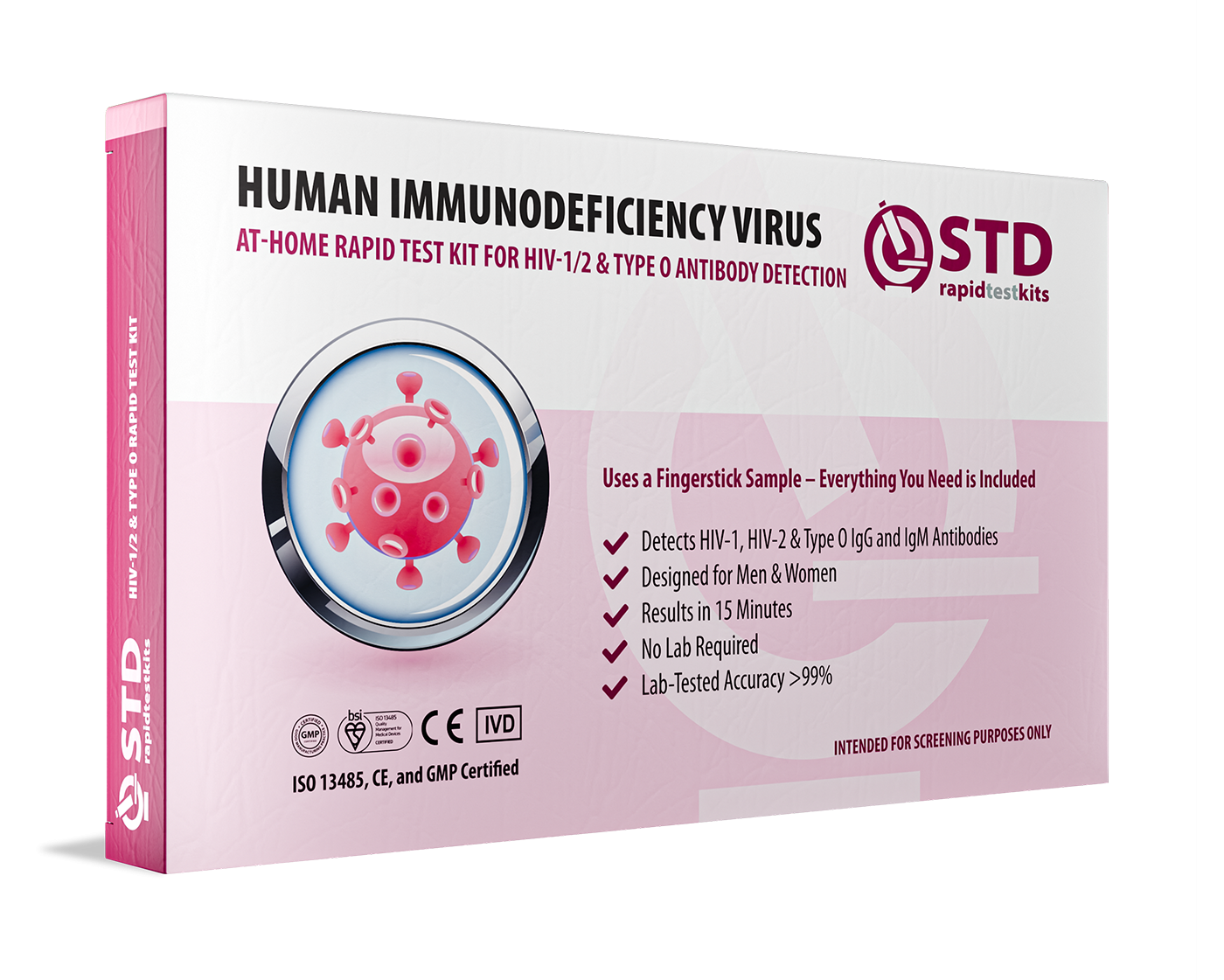
 For Men & Women
 Results in Minutes
 No Lab Needed
 Private & Discreet


