





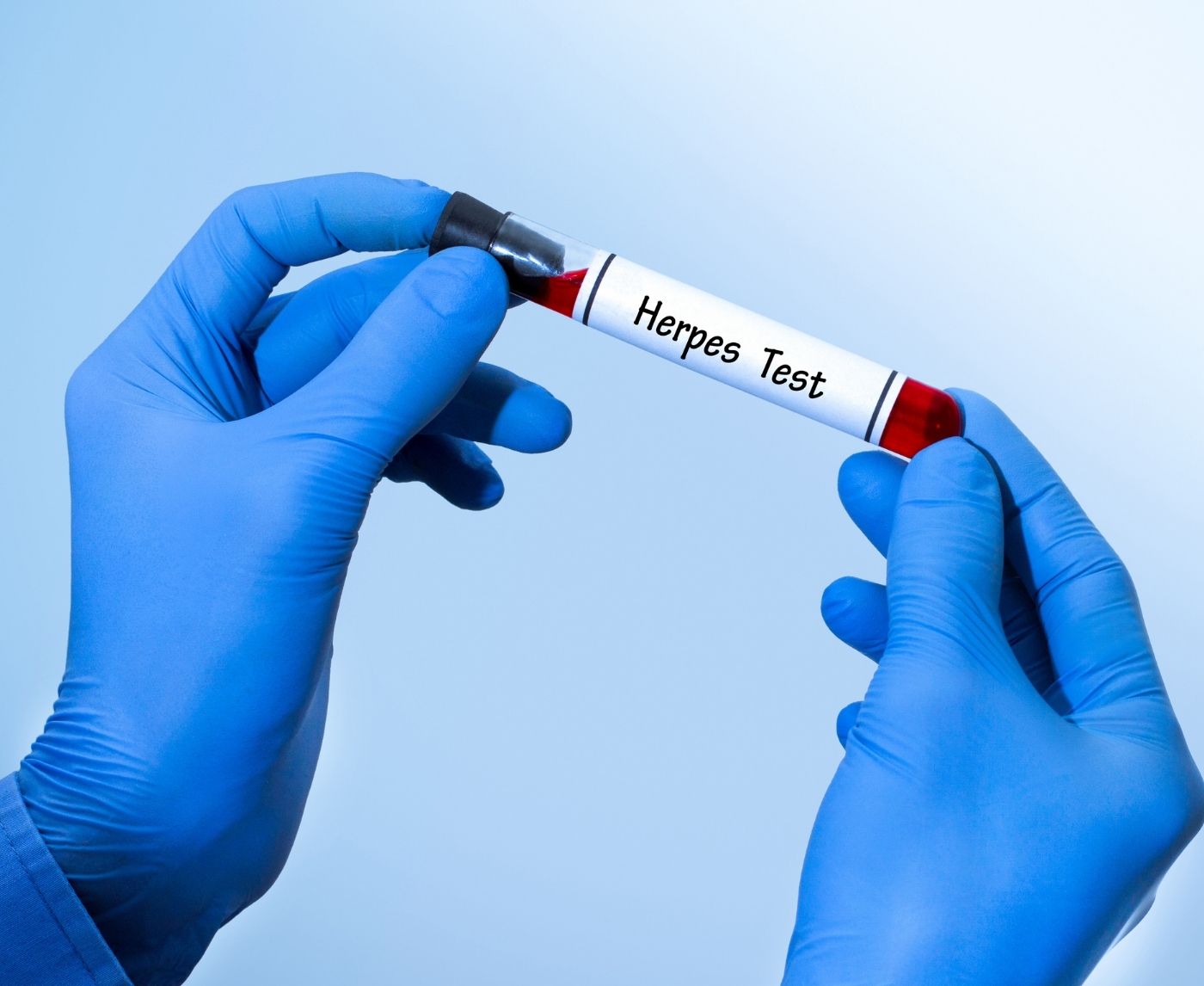

Quick Answer: Swab tests are more accurate when sores are present because they detect the virus directly, while blood tests detect antibodies and can miss early infections. Timing determines which test works best.
This Is Where Most People Get It Wrong
A lot of people assume all herpes tests work the same. That a test is a test, like a pregnancy test, just yes or no. But herpes doesn’t play by those rules. It hides, it waits, and it behaves differently depending on when you test.
Rosa, 27, put it bluntly: “I got a blood test a week after I noticed something weird. It came back negative, so I tried to relax. But the symptoms didn’t match that result. I felt like I was losing my mind.”
She wasn’t. She just tested too early, and used the wrong method for what her body was showing.
Here’s the core issue: herpes testing is not just about if you test, but when and how. A swab test looks for the virus itself. A blood test looks for your immune system’s response to it. Those are two very different timelines.
What a Swab Test Actually Detects (And Why It’s So Powerful Early)
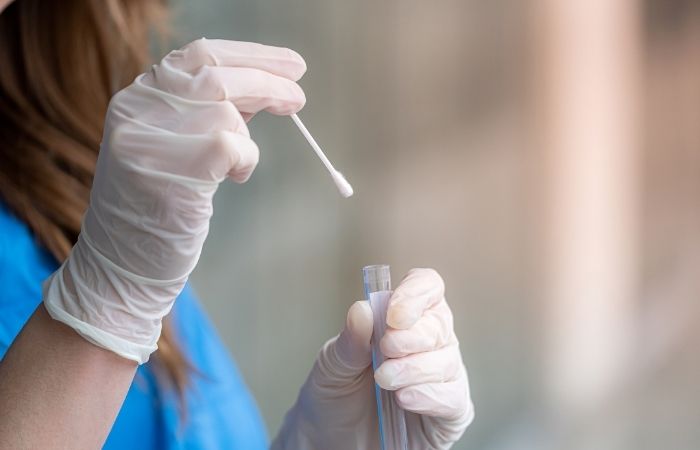
If you have a visible sore, anything that looks like a blister, ulcer, or raw patch, a swab test is your best shot at getting a clear answer. It doesn’t guess. It doesn’t wait for your body to react. It goes straight to the source.
A swab test collects fluid or cells from the lesion and checks for the presence of herpes simplex virus DNA. This is often done using PCR (polymerase chain reaction), which is extremely sensitive.
In real-world terms, that means: if the virus is there, a properly collected swab is very likely to find it.
“The clinic swabbed the sore and I had an answer in two days. It was weirdly a relief after all that uncertainty,”said Imani, 31.
But here’s the catch, swabs only work when there’s something to swab. No lesion, no sample. And timing matters even within that window.
| Stage of Sore | Swab Accuracy | Why It Matters |
|---|---|---|
| Fresh blister | Very High | Virus is actively shedding |
| Open sore/ulcer | High | Still detectable but decreasing |
| Healing/scabbed | Lower | Less viral material present |
| No visible symptoms | Not possible | No sample to collect |
If you wait too long, until the sore starts healing, the virus may not be detectable anymore. That’s where people get false negatives from swabs, not because the test is flawed, but because the timing was off.
People are also reading: Are Dating Apps Behind the Rise in STDs?
Blood Tests: What They Measure (And Why They Lag Behind)
Blood tests for herpes don’t look for the virus itself. They don't look for the virus itself; instead, they look for antibodies, which are proteins your body makes after being exposed to HSV-1 or HSV-2.
This is where things get tricky. Your body doesn’t produce those antibodies immediately. It takes time. Sometimes weeks. Sometimes longer.
So if you test too early, your result can come back negative, even if you were actually infected.
Jared, 34, described it like this: “I tested negative twice. It wasn’t until months later that it showed up positive. That gap messed with my head more than anything.”
That gap has a name: the window period.
| Time After Exposure | Likelihood of Detection | What’s Happening in the Body |
|---|---|---|
| 1–2 weeks | Very Low | Antibodies not yet formed |
| 3–6 weeks | Moderate | Immune response building |
| 6–12 weeks | High | Most infections detectable |
| 3+ months | Very High | Reliable antibody presence |
This is why people ask, “Can a blood test miss herpes?” The answer is yes, especially early on. Not because the test is inaccurate overall, but because your body hasn’t caught up yet.
And this is also why a blood test can be useful in situations where a swab can’t be done, like when there are no symptoms, or when someone wants to know their long-term status.
The Real Difference: You’re Testing Two Completely Different Things
At a glance, “blood vs swab herpes test” sounds like a simple comparison. But underneath that question is a deeper truth: these tests are answering different questions.
A swab test asks: Is the virus present in this lesion right now?
A blood test asks: Has your immune system ever seen this virus before?
Those are not interchangeable.
It’s like trying to confirm a fire by either checking for flames (swab) or checking for smoke damage days later (blood). Both are valid, but only in the right context.
And this is where people get burned. They take a blood test when they have active symptoms, or they wait for a swab when symptoms are gone. The result isn’t clarity, it’s confusion.
When Symptoms Show Up First (And Why Swabs Win Here)
This is the moment most people recognize: something feels off, then something looks off. A tingling sensation. A small blister. Maybe irritation that doesn’t behave like anything you’ve had before. And suddenly, you’re trying to decide how to test while your anxiety is already running ahead of you.
If you’re in this phase, visible symptoms, active changes on the skin, a swab test is almost always the better choice. Not because blood tests are “bad,” but because they’re simply not built for this moment.
Swabs work best when the virus is actively shedding. That means the earlier you test during an outbreak, the more accurate your result is likely to be. Waiting too long can actually reduce your chances of detection.
“I waited five days because I thought it would be more accurate. By the time I went in, the doctor said it was already healing and harder to confirm,” said Daniela, 29.
This is one of the most common mistakes: assuming waiting improves accuracy. With swabs, the opposite is often true.
Here’s how to think about it in real terms. If you’re currently dealing with symptoms, your priority isn’t long-term status, it’s identifying what’s happening right now. And that’s exactly what a swab is designed to do.
When There Are No Symptoms (And Why Blood Tests Step In)
Not everyone gets obvious outbreaks. In fact, a significant number of people with herpes never notice symptoms at all, or they mistake them for something else, ingrown hairs, friction irritation, yeast infections, or even just dry skin.
So what happens when there’s nothing to swab, but the question still lingers?
This is where blood tests come into play. They’re not looking for a current outbreak. They’re looking for evidence that your immune system has encountered the virus at some point in the past.
But here’s where nuance matters. A blood test can tell you if you’ve been exposed, but it can’t tell you when. And it can’t tell you where on your body the infection is located.
“I tested positive on a blood test and spiraled because I didn’t know if it was oral or genital. No one explains that part clearly,” said Andre, 36.
This lack of clarity is one of the biggest emotional challenges with blood testing. It gives you an answer, but not always the context you were hoping for.
And if you test too early after a potential exposure, you may not get an answer at all.
Check Your STD Status in Minutes
Test at Home with Remedium6-in-1 STD Test Kit
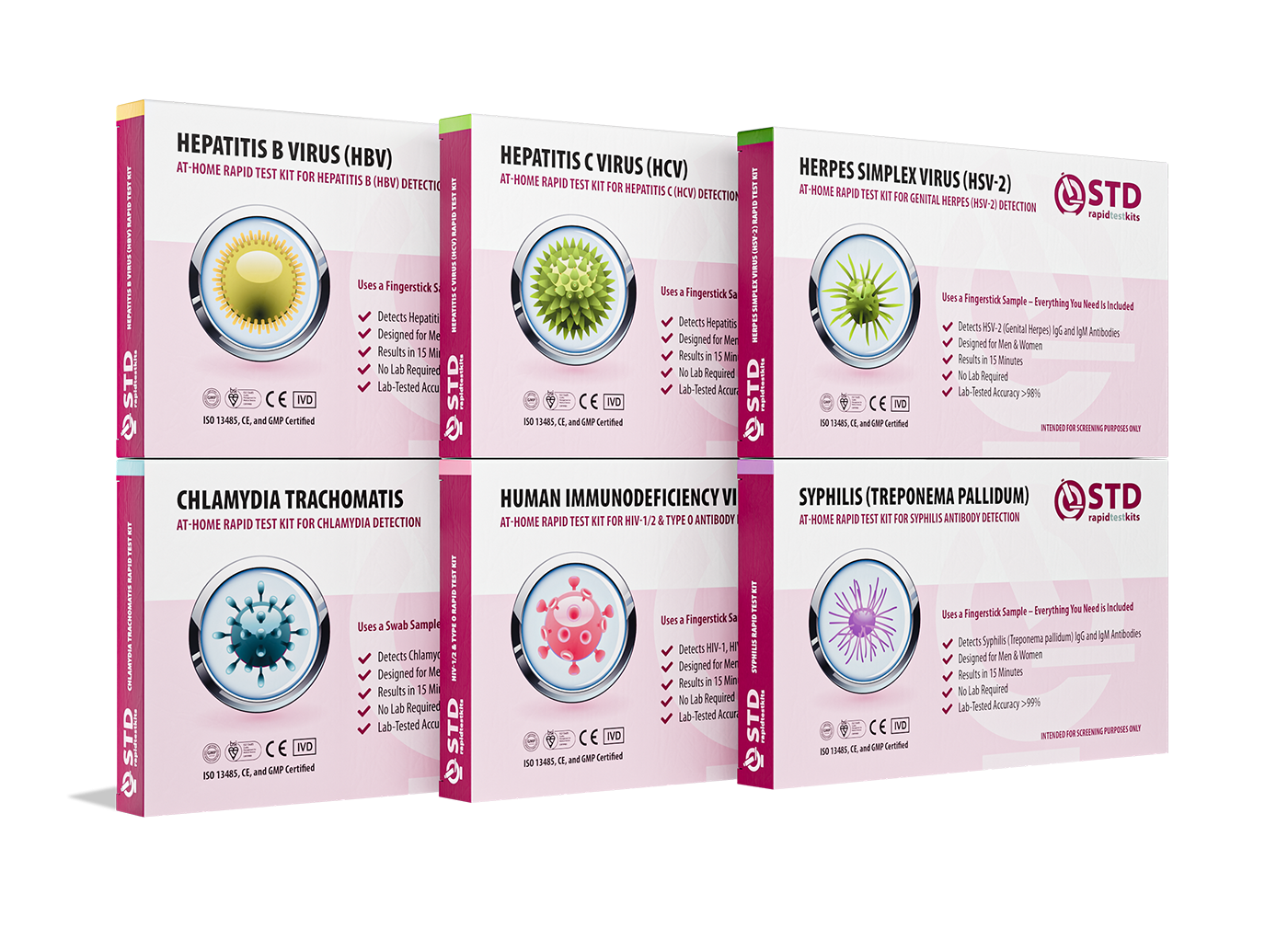
 For Men & Women
 Results in Minutes
 No Lab Needed
 Private & Discreet
Order Now $119.00 $294.00
For all 6 tests
Why Timing Isn’t a Detail, It’s the Entire Strategy
If there’s one thing that separates accurate results from misleading ones, it’s timing. Not brand. Not price. Not whether the test was done at home or in a clinic. Just timing.
Here’s how timing shapes everything:
| Your Situation | Best Test Type | Why |
|---|---|---|
| Active sores present | Swab test | Detects virus directly at site |
| No symptoms, recent exposure (under 3 weeks) | Wait or plan retest | Too early for reliable blood detection |
| No symptoms, 6+ weeks after exposure | Blood test | Antibodies likely detectable |
| Blood test | Swab no longer possible |
This is where many people feel frustrated. They want a single test, one moment, one clear answer. But herpes doesn’t work like that. It requires matching the test to the timeline your body is on.
And if those don’t align, even a “good” test can give you the wrong impression.
False Negatives, Mixed Results, and Why People Lose Trust in Testing
There’s a specific kind of frustration that comes from doing everything “right” and still feeling uncertain. You take a test. You follow the instructions. And then the result doesn’t match what your body is telling you.
This is where a lot of people start questioning the entire system. But most of the time, it’s not that the tests are broken, it’s that they were used at the wrong moment.
False negatives happen in both types of tests, but for different reasons:
- Swab test false negatives: Testing too late in the healing process or improper sample collection
- Blood test false negatives: Testing before antibodies have developed
Understanding this difference is critical. Because if you don’t, you might walk away with a negative result that isn’t actually reassuring.
“I kept thinking, ‘If it’s negative, why do I still feel this way?’ It wasn’t until a second test weeks later that everything made sense,” said Leila, 24.
This is why retesting isn’t a failure, it’s often part of getting a complete picture.
At-Home Testing: Where Convenience Meets Confusion
At-home herpes tests have made things more accessible, but they’ve also introduced a new layer of decision-making. Now you’re not just choosing whether to test, you’re choosing which type of test to order, often without guidance.
Some kits use blood samples (typically finger prick), while others are designed for swabbing active lesions. The challenge is that many people choose based on availability or convenience, not on what their symptoms actually require.
This is where things can go sideways. A blood test taken too early at home can create false reassurance. A missed opportunity to swab an active lesion can delay answers.
And the emotional impact of that delay is real.
If you're not sure which test is right for you, start by being clear, not guessing. Look into things like the at-home herpes test kit that is made for private, accurate screening, and choose based on timing, not just ease of use.
Because the right test at the wrong time can still give you the wrong answer.

People are also reading: Think It’s a Pimple? It Could Be Stage One Syphilis
When You Might Actually Need Both Tests (Yes, Really)
This is the part most articles skip, and honestly, it’s where the real clarity lives. Sometimes it’s not about choosing between a swab or a blood test. Sometimes the most accurate path involves both, just at different points in time.
Think of it like this: one test tells you what’s happening right now, the other tells you what your body has already processed. When those timelines overlap, using both tests strategically can give you a complete picture instead of a partial one.
This tends to happen in situations where symptoms appear early, but confirmation is still needed later.
“They swabbed me during the outbreak, but I still did a blood test later just to confirm everything. It helped me actually accept the result instead of second-guessing it,” said Naomi, 33.
That layered approach isn’t overkill, it’s clarity. Especially when your first result comes during a confusing or emotional moment.
What Doctors Wish People Understood About Herpes Testing
If you talk to clinicians who deal with herpes regularly, there’s a pattern they see over and over again. It’s not that people avoid testing, it’s that they test at the wrong time, with the wrong expectations.
The biggest misconceptions tend to sound like this:
- “A negative result means I’m in the clear.” Not always, especially if testing was done too early.
- “Blood tests are more accurate because they’re ‘deeper.’” Not for active symptoms.
- “If I don’t have symptoms, I don’t need to worry.” Many herpes infections are asymptomatic.
These beliefs don’t come from ignorance, they come from how testing is often explained. Too simplified. Too generalized. And missing the one thing that really matters: timing.
Once you understand that herpes testing is timeline-dependent, everything else starts to make more sense. The confusion fades, and the decisions feel less overwhelming.
How to Decide What to Do, Without Spiraling
Let’s ground this in something practical. If you’re reading this, you’re probably not looking for theory, you’re trying to decide what to do next.
So here’s a straightforward way to think through it, without overcomplicating things:
If something is visible right now, test it directly. That means a swab.
If nothing is visible, but you’re worried about past exposure, consider timing. If it’s been long enough, a blood test can give you useful information.
If you’re in that uncomfortable middle window, too late to swab, too early for blood, plan a retest instead of forcing a result that may not be reliable.
This isn’t about perfection. It’s about reducing uncertainty step by step.
The Emotional Side No One Talks About
Testing isn’t just clinical, it’s emotional. It’s waiting. It’s second-guessing. It’s checking your body in the mirror and wondering if you’re overreacting or missing something important.
And when results don’t line up with what you feel, that emotional tension gets worse. A negative test doesn’t always bring relief. A positive one doesn’t always bring clarity. Especially if the process leading up to it felt confusing.
This is why understanding the difference between swab and blood tests matters beyond accuracy. It gives you a sense of control in a situation that can feel unpredictable.
“Once someone explained the timing part, everything clicked. It wasn’t that the test failed, it was that I didn’t know how to use it properly,” said Elena, 26.
That shift, from confusion to understanding, is what actually reduces anxiety.
Check Your STD Status in Minutes
Test at Home with Remedium8-in-1 STD Test Kit
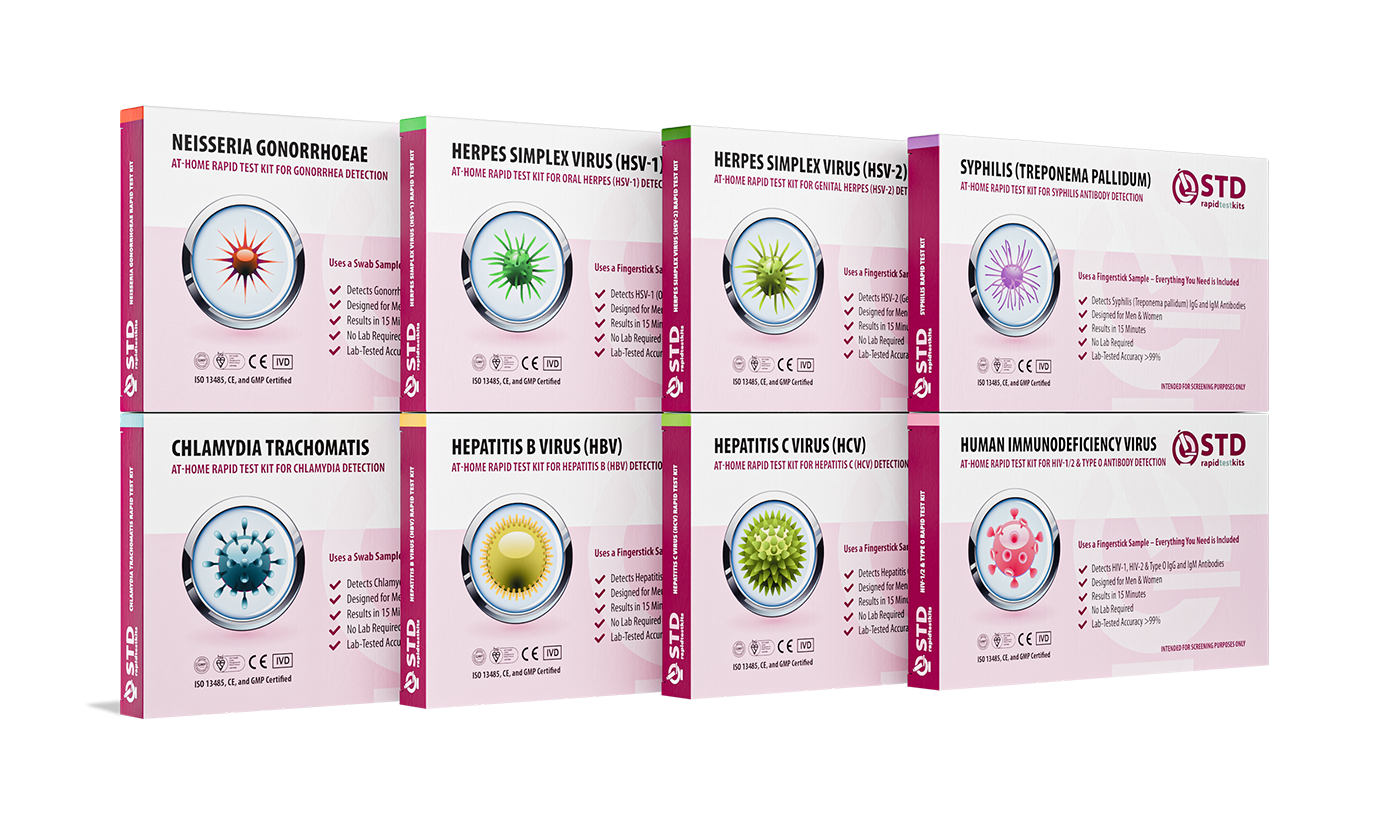 For Men & WomenResults in MinutesNo Lab NeededPrivate & Discreet
Order Now $149.00 $392.00
For all 8 tests
So… Which One Is More Accurate?
This is the question everyone starts with. And the honest answer is: it depends entirely on timing.
A swab test is more accurate during an active outbreak because it detects the virus directly. In that moment, it’s the gold standard.
A blood test is more accurate after the body has had time to develop antibodies. In that phase, it becomes the more useful tool.
So instead of asking which test is better overall, the better question is:
Which test matches where I am right now?
That’s the question that leads to real answers, not just results on paper.
FAQs
1. I have a sore right now, should I even bother with a blood test?
Honestly, no, not yet. If there’s something visible, that’s your moment to swab it. A blood test at this stage is like asking your body a question it hasn’t had time to answer, and you’ll likely just end up more confused.
2. Okay but what if I already took a blood test and it came back negative… can I trust that?
It depends on when you took it. If it was early, like within a few weeks of exposure, that negative result isn’t the full story yet. A lot of people feel relief for a second, then doubt creeps back in because their symptoms don’t match. That’s usually a timing issue, not you overthinking.
3. Do swab tests hurt?
Not really, more awkward than painful. It’s basically a quick rub over the sore, and while it might sting a little if the area is sensitive, it’s over fast. Most people walk away thinking, “That was it?”
4. Why can’t I just take one test and be done with it?
Because herpes doesn’t show up on command. Early on, your body hasn’t built antibodies yet, and later on, symptoms might be gone. So sometimes it’s not about one perfect test, it’s about catching the right moment.
5. I don’t have symptoms, but I’m spiraling after a hookup, what should I actually do?
First, take a breath. If there’s nothing to swab, a blood test can help, but only if enough time has passed. If it’s still early, the smartest move is to wait a bit and test at the right window instead of chasing an answer too soon.
6. Can a swab ever be wrong?
It can, but usually for a reason. If the sore is already healing or the sample wasn’t collected properly, the virus might not show up. That’s why timing (again) matters more than people expect.
7. Why does a blood test not tell me where I have herpes?
Because it’s not looking at a location, it’s looking at your immune system. It can tell you you’ve been exposed, but not whether that exposure is oral, genital, or when it happened. That’s the part that frustrates a lot of people.
8. What if my symptoms disappear before I test?
This happens all the time. If the sore is gone, you’ve missed the swab window, so the next step is usually a blood test later on. It’s not ideal, but it’s still useful for getting answers over time.
9. Is it normal to feel this anxious while figuring this out?
Completely. This is one of those health situations where uncertainty hits harder than the diagnosis itself. You’re not being dramatic, you’re dealing with incomplete information, and that’s uncomfortable for anyone.
10. So what’s the smartest move overall?
Match the test to what your body is doing right now. If something’s there, swab it. If not, wait for the right blood test window. That one shift in thinking saves people weeks of confusion.
You Deserve Clarity, Not Guesswork
Herpes testing isn’t confusing because it’s complicated, it’s confusing because no one explains the timing. One test looks for the virus. The other looks for your body’s reaction. If you use the wrong one at the wrong moment, you don’t get clarity, you get stuck in that loop of “wait… what does this actually mean?”
If something is visible, test it directly. If nothing is there, give your body time and choose the right moment for a blood test. And if your results don’t line up with what you’re feeling, don’t panic, that’s usually a timing issue, not a dead end. Each step isn’t about perfection, it’s about getting closer to a clear answer.
Don’t wait and wonder. If there’s even a small chance you were exposed, start with something discreet and reliable like the Combo STD Home Test Kit. Your results stay private. Your decisions stay yours. And clarity always feels better than guessing.
How We Sourced This Article: This guide has the CDC's recommendations, clinical guidelines for diagnosing HSV, and peer-reviewed studies on blood tests and PCR swabs that look for antibodies. We also included real-life examples of how people get confused and how they decide when to get tested for herpes, especially when it comes to timing and false negatives.
Sources
1. Fact Sheet on Genital Herpes from the Centers for Disease Control and Prevention
2. Genital herpes diagnosis and testing at the Mayo Clinic
3. NHS – Genital Herpes Overview
4. World Health Organization – Herpes Simplex Virus
5. Planned Parenthood – Herpes Overview
6. Johns Hopkins Medicine – Herpes HSV-1 and HSV-2
7. NCBI Bookshelf – Herpes Simplex Virus (HSV) Infections
About the Author
Dr. F. David, MD is a board-certified infectious disease specialist who works on diagnosing STIs, making sure tests are accurate, and putting patients first. His work blends clinical precision with real-world clarity, helping people make informed, stigma-free decisions about their sexual health.
Reviewed by: Board-Certified Infectious Disease Specialist | Last medically reviewed: March 2026
This article is here to guide you, but it shouldn’t replace advice from a qualified healthcare provider.


