





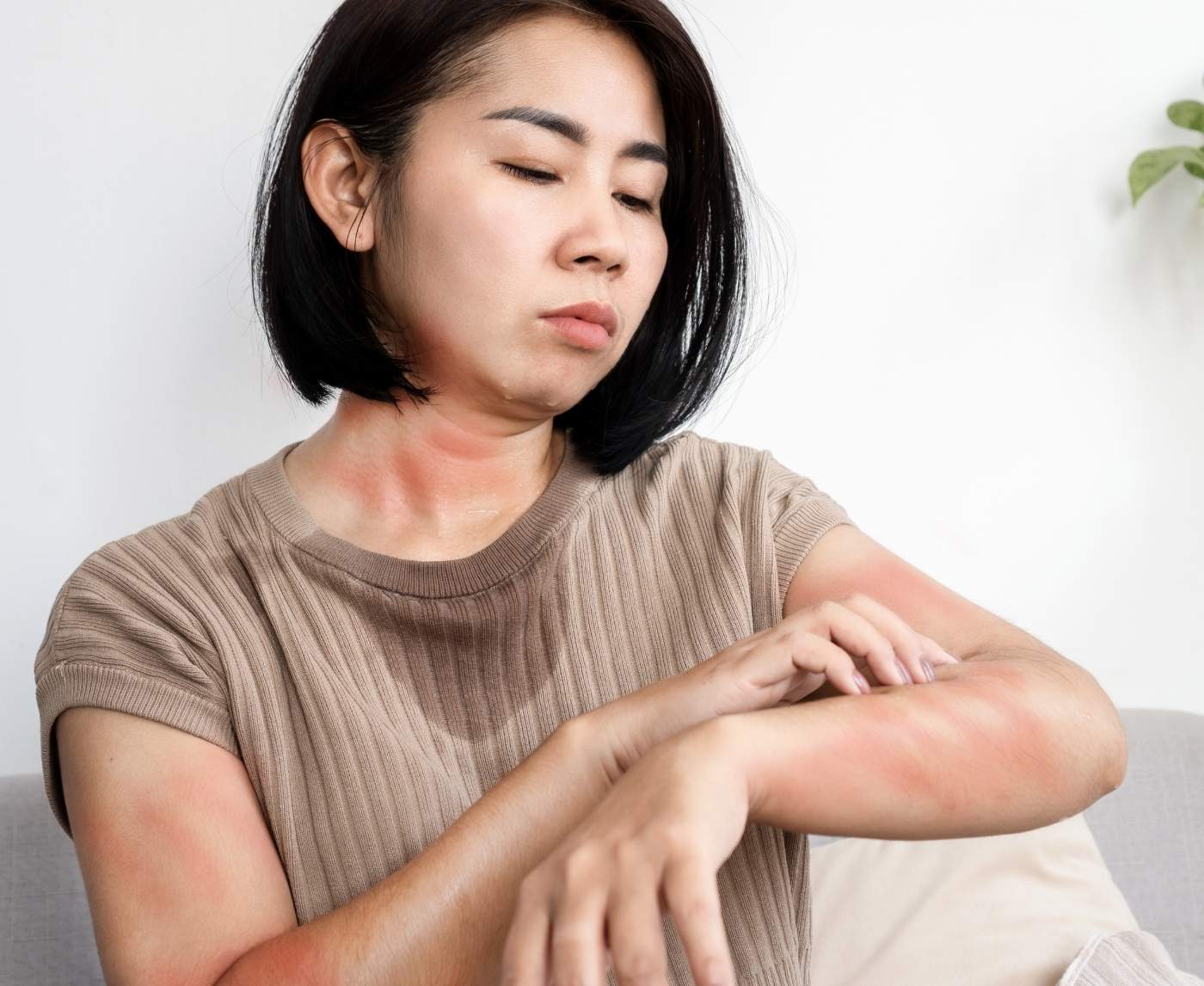

Quick Answer: Syphilis is called the great imitator because its symptoms often look like other conditions, rashes, pimples, allergies, or even flu, making it easy to misdiagnose or ignore.
This Isn’t Just a Skin Thing, It’s a Disguise
There’s a reason Syphilis has confused people for centuries. It doesn’t follow a simple script. Instead, it moves through stages, and each one can look like something completely different. One moment it’s a painless sore. The next, it’s a rash that could pass for eczema. Later, it might feel like nothing at all.
That variability is exactly what makes it dangerous. You’re not ignoring something obvious, you’re interpreting something ambiguous. And most people don’t jump straight to “this could be an STD” when the symptom looks like a minor skin issue or a mild illness.
“I thought it was just irritation from shaving,” one patient shared. “It didn’t hurt. It didn’t itch. I honestly forgot about it.”
This is how Syphilis gets time. And time is what allows it to quietly move deeper into the body.
When a Sore Doesn’t Feel Like a Warning
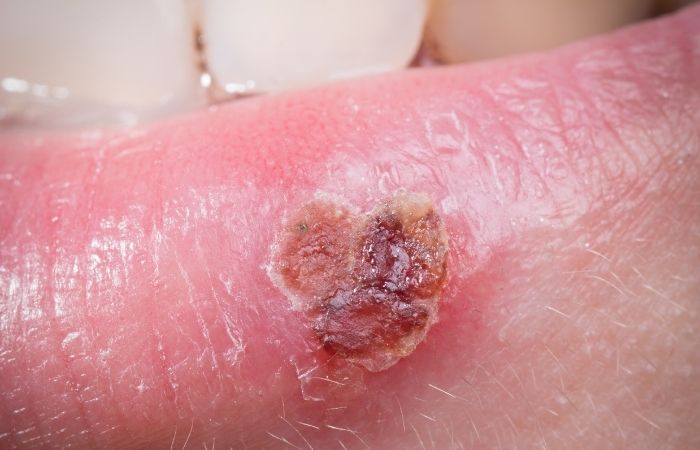
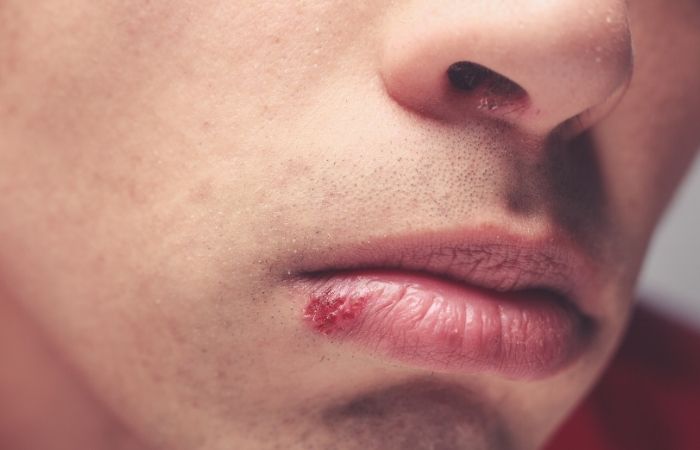
The first stage of Syphilis often begins with something called a chancre, a small sore that appears where the bacteria entered the body. Here’s the part that throws people off: it’s usually painless. No burning. No itching. No urgency.
Most people expect STDs to hurt. That expectation alone causes delays. If it doesn’t hurt, it doesn’t feel serious. If it goes away on its own, it feels even less important. But that disappearance isn’t healing, it’s progression.
| Symptom | Often Mistaken For | Why It’s Misleading |
|---|---|---|
| Painless sore | Ingrown hair or pimple | No pain = low perceived risk |
| Single lesion | Skin irritation | Looks isolated, not systemic |
| Heals on its own | Minor issue resolving | False sense of recovery |
This is the first disguise. And for many people, it’s the moment that gets missed.
People are also reading: What Happens When Syphilis Goes Untreated: One Man’s Story
The Rash That Looks Like Everything Else
Weeks later, Syphilis often comes back, but not in the same way. This time, it can show up as a rash. And not a dramatic one. Not something instantly alarming. It can be faint, scattered, or even easy to ignore.
One of the most classic signs is a rash on the palms of the hands or soles of the feet. But even that doesn’t always trigger concern. People assume allergies, heat rash, or some kind of reaction to soap or fabric.
“I Googled ‘rash on hands’ and got everything except what it actually was,” another patient said. “Syphilis didn’t even cross my mind.”
That’s the pattern. The symptoms don’t scream. They blend.
| Feature | Syphilis Rash | Typical Skin Rash |
|---|---|---|
| Itchiness | Often none | Usually itchy |
| Location | Palms, soles, torso | Varies, often localized |
| Pain | Typically painless | May burn or irritate |
And because it doesn’t behave the way people expect a “serious” symptom to behave, it gets dismissed again.
When It Starts to Feel Like the Flu Instead
At this stage, Syphilis doesn’t just look like a skin issue, it can feel like something else entirely. Fatigue, mild fever, swollen lymph nodes. Symptoms that sound more like a cold or a passing illness than anything sexually transmitted.
This is where the confusion deepens. Because now you’re not just misreading a visible symptom, you’re misreading how your body feels. And most people don’t connect flu-like symptoms to something that started weeks earlier as a painless sore.
“I thought I was just run down,” someone explained. “Work was stressful, I hadn’t been sleeping well. It made sense at the time.”
It always makes sense at the time. That’s why it’s called an imitator, not because it hides completely, but because it tells a believable story.
When Confusion Is the Symptom, Testing Is the Answer
If you’re reading this and thinking, “That could be me,” you’re not overreacting, you’re paying attention. And that’s exactly what matters here. Because with something like Syphilis, guessing isn’t helpful. Clarity is.
Take back control of your health by getting real answers. You can start with a discreet, doctor-trusted option like this at-home STD testing resource, designed to give you fast, private results without the waiting room stress.
Whether it’s a rash, a sore, or just a question that won’t go away, you deserve to know.
What Doctors Mean by “Imitator”, And Why It Matters More Than You Think
When medical professionals call Syphilis “the great imitator,” they’re not being dramatic. They’re describing a real diagnostic problem. This infection can resemble dozens of unrelated conditions, which means even trained clinicians sometimes miss it, especially in early stages.
That’s not because doctors aren’t paying attention. It’s because Syphilis doesn’t follow predictable patterns. It can look like dermatological issues, viral infections, autoimmune responses, or even neurological disorders in later stages. It shifts, adapts, and presents just enough like something familiar to avoid suspicion.
“If you don’t specifically test for it, you can miss it,” one clinician explained. “It’s not always obvious, and patients often don’t come in thinking it could be an STD.”
This is why testing becomes essential. Not because symptoms are always severe, but because they’re often misleading.
It Doesn’t Stay Consistent, And That’s the Problem
Most infections follow a pattern. You get exposed, symptoms appear, they worsen, and then you either recover or seek treatment. Syphilis doesn’t follow that script. Instead, it evolves through stages that can look completely unrelated to each other.
That lack of consistency is what makes people second-guess themselves. A sore disappears, so it feels resolved. A rash appears later, but it doesn’t seem connected. By the time other symptoms show up, the original clue is long forgotten.
This creates a dangerous disconnect between cause and effect. You’re not ignoring symptoms, you’re failing to link them together. And that’s exactly how Syphilis stays under the radar.
| Stage | What It Looks Like | Why It Confuses People |
|---|---|---|
| Primary | Single painless sore | Looks minor, heals quickly |
| Secondary | Rash, fatigue, mild illness | Mimics allergies or flu |
| Latent | No visible symptoms | Feels like nothing is wrong |
| Late | Organ or neurological issues | Disconnected from earlier symptoms |
The infection doesn’t disappear, it just changes its mask.
Check Your STD Status in Minutes
Test at Home with Remedium7-in-1 STD Test Kit
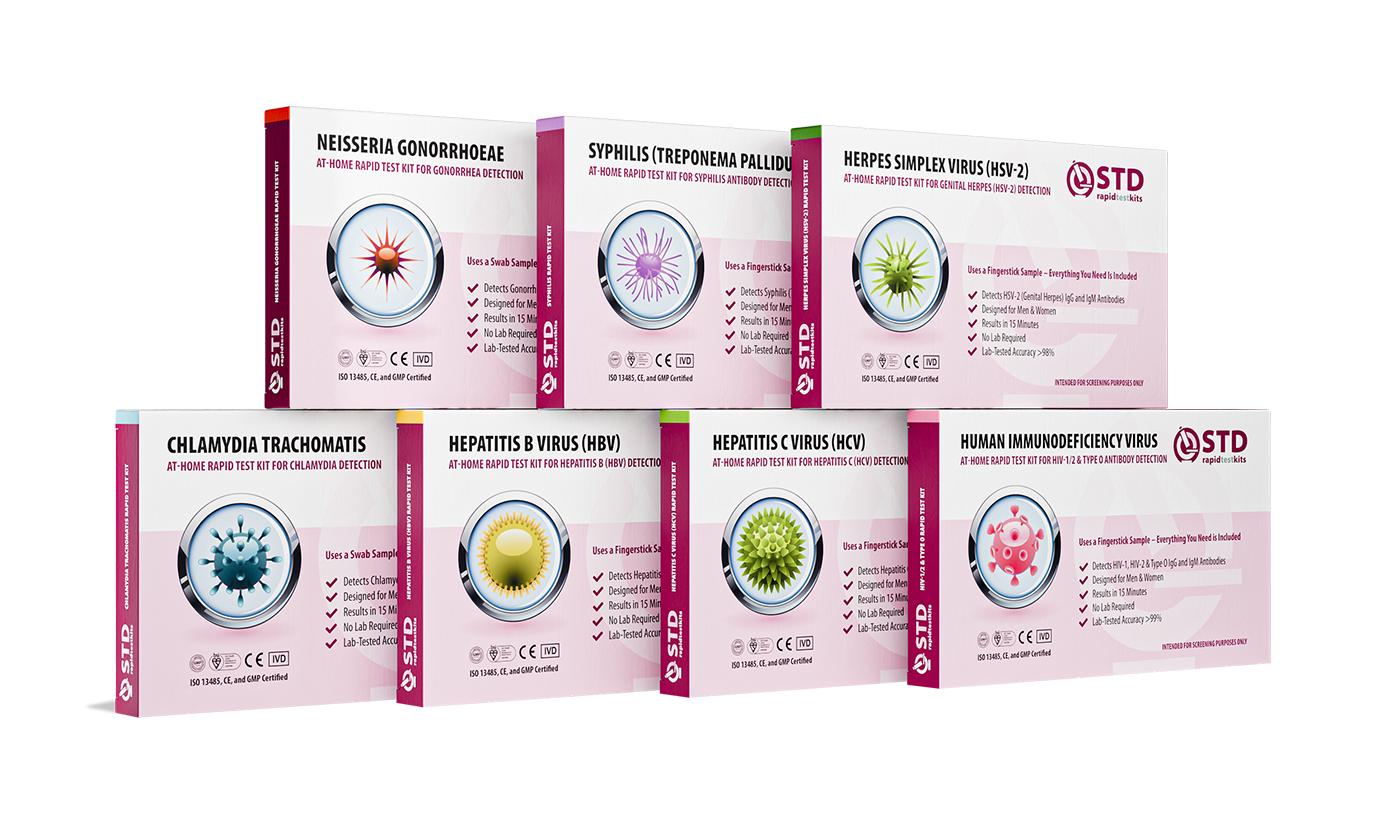
 For Men & Women
 Results in Minutes
 No Lab Needed
 Private & Discreet
Order Now $129.00 $343.00
For all 7 tests
The Silence Stage: When Nothing Feels Wrong
One of the most unsettling parts of Syphilis is what happens after the visible symptoms fade. There’s often a period where everything feels normal again. No rash. No sores. No discomfort.
This is called the latent stage, and it’s where a lot of people assume they’re in the clear. But the bacteria is still present in the body. It’s just not announcing itself anymore.
“I thought whatever it was had passed,” someone shared. “Months went by and I didn’t think about it again, until I got tested for something else.”
This is where the “imitator” becomes invisible. And invisibility creates confidence, the kind that delays testing even longer.
Why People Don’t Connect the Dots
There’s a psychological layer to this, not just a medical one. Most people don’t expect an STD to be subtle. They expect something obvious, uncomfortable, unmistakable. So when symptoms are mild, painless, or inconsistent, they don’t fit that expectation.
That mismatch leads to rational explanations:
- “It’s probably just a rash.”
- “I would feel worse if it were serious.”
- “It went away, so it can’t be anything.”
These aren’t careless assumptions, they’re normal human reasoning. But Syphilis thrives in that gap between expectation and reality.
The infection doesn’t rely on you ignoring it. It relies on you misinterpreting it.
Don’t Let a Disguise Delay Your Answer
If something about your body feels off, even if it’s subtle, even if it doesn’t match what you think an STD “should” look like, that’s enough reason to check. You don’t need certainty to take action. You just need curiosity.
For a fast, discreet option, you can use a Syphilis at-home test kit that gives you clear results without the guesswork. No waiting rooms, no awkward conversations, just answers.
Because the longer something stays unclear, the easier it is to ignore. And you deserve better than guessing.
When It Looks Like Acne, Allergies, or Nothing at All
One of the most unsettling things about Syphilis is how easily it blends into everyday life. It doesn’t always show up as something dramatic or unmistakable. Instead, it borrows the appearance of things people deal with all the time, skin irritation, breakouts, mild illness, or even nothing at all.
This is why so many people end up searching things like “syphilis rash vs allergy rash” or “can syphilis look like acne.” Because what they’re seeing doesn’t feel extreme, it feels familiar. And familiar things rarely trigger urgency.
“I kept treating it like a skincare issue,” someone admitted. “New soap, different detergent, everything except getting tested.”
That’s the trick. Syphilis doesn’t need to be invisible, it just needs to be believable.
The Conditions Syphilis Commonly Imitates
To understand why Syphilis earns its nickname, it helps to look at what it’s commonly mistaken for. These aren’t random conditions, they’re everyday explanations people reach for when something feels off but not alarming.
| Syphilis Symptom | Often Mistaken For | Why the Confusion Happens |
|---|---|---|
| Genital sore | Pimple or ingrown hair | Small, painless, easy to ignore |
| Body rash | Allergic reaction | Non-itchy, mild appearance |
| Fatigue | Stress or lack of sleep | Common, non-specific symptom |
| Swollen lymph nodes | Cold or infection | Feels like a routine illness |
Each of these interpretations makes sense on its own. That’s what makes Syphilis so effective at staying hidden, it doesn’t feel out of place.
The Timing Problem: Why Symptoms Don’t Line Up
Another reason Syphilis confuses people is timing. Symptoms don’t show up all at once, and they don’t follow a clear cause-and-effect pattern. Weeks can pass between stages. Sometimes longer.
This delay makes it hard to connect the dots. By the time a rash appears, the initial sore is gone. By the time fatigue sets in, both earlier symptoms feel unrelated. Your brain treats them as separate events instead of pieces of the same story.
That separation is what allows the infection to move forward unnoticed. You’re not ignoring symptoms, you’re categorizing them incorrectly.
| What Happens | What It Feels Like | Reality |
|---|---|---|
| Sore appears | Minor issue | First stage infection |
| Sore disappears | Problem solved | Infection progressing |
| Rash appears later | Unrelated condition | Second stage infection |
The body isn’t giving mixed signals. It’s giving a sequence that’s easy to misread.
People are also reading: Tested Negative for Chlamydia? You Might Still Have It in Your Throat
“I Didn’t Think It Could Be That”, A Case Study in Missed Signals
Jordan, 27, noticed a small sore a few weeks after a new sexual partner. It didn’t hurt, didn’t itch, and didn’t interfere with anything. So it didn’t feel urgent.
“I assumed it was from friction or something minor,” they said. “It went away on its own, so I forgot about it.”
About a month later, a faint rash appeared on their torso and hands. It wasn’t itchy. It didn’t spread aggressively. It just existed in the background.
“I thought it was a reaction to laundry detergent,” Jordan explained. “I switched products and waited it out.”
Then came the fatigue. Nothing overwhelming, just a sense of being run down. At that point, there were three separate symptoms, spaced out over time, each with a reasonable explanation.
None of them felt connected.
It wasn’t until a routine screening months later that Jordan tested positive for Syphilis.
“Looking back, it seems obvious,” they said. “But at the time, nothing felt serious enough to question.”
This is exactly how the “great imitator” works. Not by overwhelming you, but by giving you just enough reason not to worry.
When Google Doesn’t Help (And Sometimes Makes It Worse)
Most people turn to search engines before they turn to testing. And while that instinct makes sense, it can also add to the confusion. Because when you search symptoms like “rash on hands” or “painless sore,” you’ll get dozens of possible explanations, most of them benign.
Syphilis rarely shows up as the top answer unless you’re specifically searching for it. And if you’re not already considering it, you’re less likely to click on it. This creates a feedback loop where harmless explanations feel more likely simply because they’re more visible.
“Every search result pointed to something minor,” someone shared. “So I assumed it was minor.”
This isn’t a failure on your part. It’s a reflection of how symptoms overlap, and how easily reassurance can delay action.
The Moment It Clicks: Why Testing Changes Everything
There’s usually a moment, sometimes quiet, sometimes urgent, when the uncertainty becomes harder to ignore than the possibility of an answer. It might be after another Google search. Or after a symptom doesn’t go away. Or when you realize multiple things have happened, and they might actually be connected.
This is where Syphilis stops being theoretical and starts becoming personal. Not because something suddenly got worse, but because it finally makes sense to ask the question: “What if this isn’t random?”
“I didn’t feel sick enough to panic,” someone explained. “But I didn’t feel confident enough to ignore it anymore either.”
That middle space, between panic and certainty, is where most people decide to test. And that decision is what breaks the cycle of guessing.
What Testing Actually Does (Beyond Just Results)
Testing for Syphilis isn’t just about confirming a diagnosis. It’s about removing ambiguity. When symptoms can look like anything, clarity becomes the most valuable thing you can get.
A proper test doesn’t rely on how something looks or feels. It detects the infection itself. That means you don’t have to keep comparing your symptoms to photos, forums, or guesswork, you get a direct answer.
And just as important, testing gives you a timeline. It helps you understand whether something recent is connected, whether treatment is needed, and what to do next.
| Without Testing | With Testing |
|---|---|
| Comparing symptoms online | Clear yes or no answer |
| Assuming it’s harmless | Confirmed diagnosis or peace of mind |
| Waiting for symptoms to change | Immediate next steps |
In a situation built on uncertainty, testing is the one thing that doesn’t rely on interpretation.
Check Your STD Status in Minutes
Test at Home with Remedium6-in-1 STD Test Kit
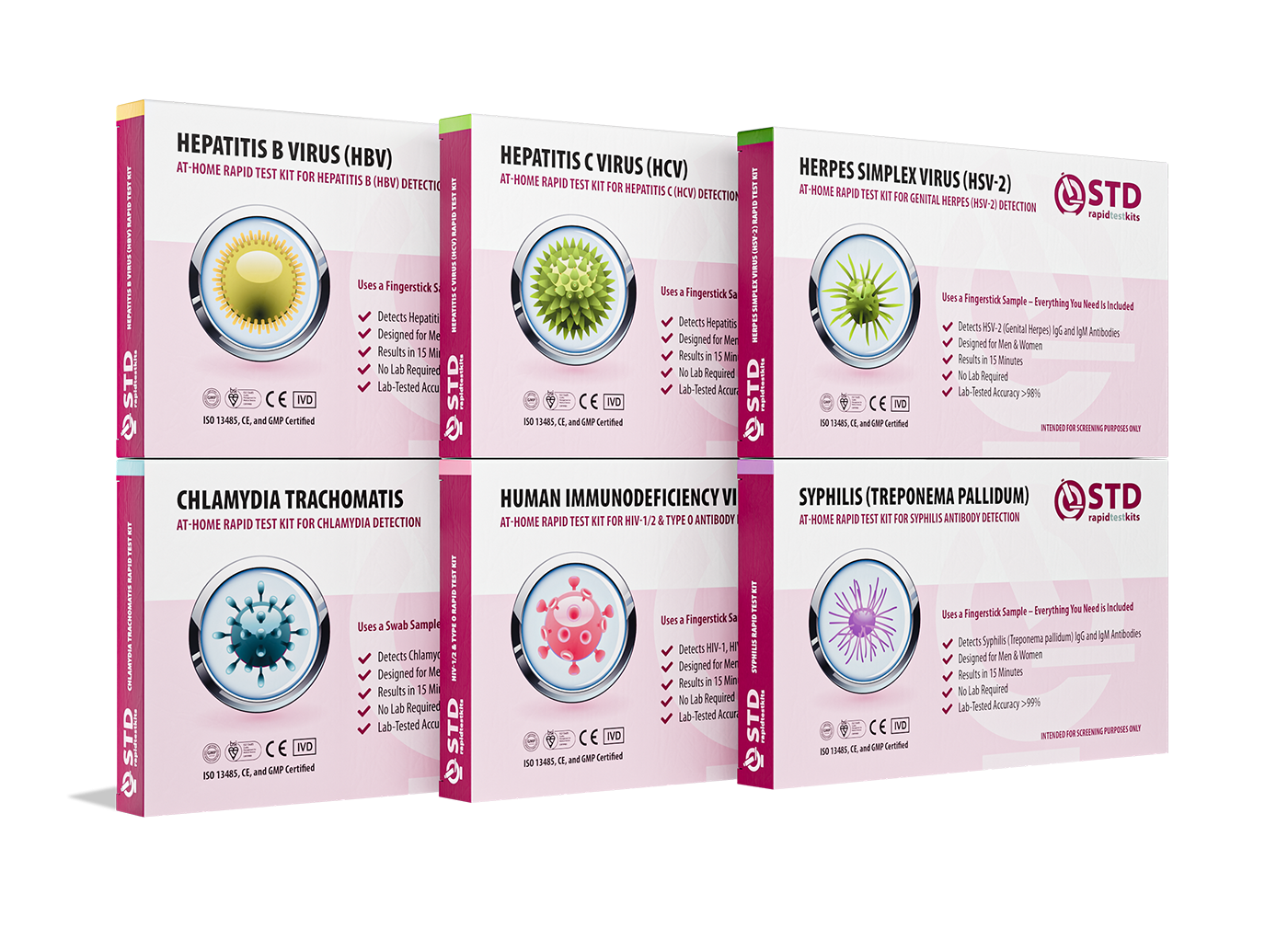 For Men & WomenResults in MinutesNo Lab NeededPrivate & Discreet
Order Now $119.00 $294.00
For all 6 tests
When Should You Actually Test for Syphilis?
This is one of the most common questions, and one of the most important. Because timing matters. Testing too early can miss an infection, while waiting too long keeps you in that uncertain space longer than necessary.
In general, Syphilis can be detected within a few weeks after exposure, but the most reliable results often come slightly later. If you’ve noticed symptoms like a sore, rash, or unexplained fatigue, that’s already enough reason to test, regardless of timing.
You don’t need to be certain. You don’t need multiple symptoms. You just need a reason to wonder.
| Scenario | Recommended Action |
|---|---|
| Recent exposure (within 1–2 weeks) | Test, then retest later if negative |
| Visible symptoms present | Test immediately |
| No symptoms but ongoing concern | Test for reassurance and clarity |
Testing isn’t about proving something is wrong, it’s about confirming whether you’re okay.
FAQs
1. Wait… can syphilis really just look like a random rash?
Yeah, and that’s exactly why it gets missed. The rash from Syphilis is often subtle, not itchy, and easy to brush off as something like dry skin or a reaction to soap. If it doesn’t feel urgent, most people don’t treat it like it is.
2. If the sore didn’t hurt, does that still count as a symptom?
It does, and that’s the part that throws people off. The first sore from Syphilis is usually painless, which goes against everything we expect from something serious. No pain means no alarm, and no alarm means it’s easy to ignore.
3. So if symptoms disappear, does that mean I’m fine?
Not with Syphilis. The symptoms fading is actually part of how it works, it’s not your body clearing it, it’s the infection shifting stages. That “it went away on its own” moment is one of the biggest reasons people don’t catch it early.
4. How long could I have this without knowing?
Longer than most people expect. Syphilis can sit quietly in your body for months, sometimes longer, without obvious symptoms. It’s not loud, it’s patient.
5. Can it really look like acne or just a random bump?
It can, especially early on. A small, painless sore can look like a pimple or ingrown hair, particularly if it shows up in an area where that already happens. Most people don’t stop and think, “This could be an STD.”
6. Do I need symptoms to get tested, or am I overthinking it?
You don’t need symptoms at all. If something feels off, or even if you just can’t shake the thought, it’s enough reason to test. Peace of mind counts just as much as visible signs.
7. What if I only had one symptom and it went away?
That’s actually a really common pattern with Syphilis. One thing shows up, disappears, and then something completely different happens later. It doesn’t feel connected in the moment, but it often is.
8. Is at-home testing actually legit, or should I go to a clinic?
If privacy is important to you, testing at home is a good choice for syphilis. Using a good kit and following the timing instructions are the most important things to do so you don't test too soon.
9. What happens if I just ignore it?
It doesn’t stay the same, it progresses. Over time, untreated Syphilis can affect your nerves, brain, and organs. That sounds intense, but the important part is this: early treatment is simple and effective.
10. Why do people call it the “great imitator” like it’s some kind of trickster?
Because it kind of is. Syphilis doesn’t show up in one obvious way, it borrows symptoms from other conditions, changes over time, and sometimes disappears completely before coming back differently. It doesn’t hide. It just blends in.
You Deserve Answers, Not Assumptions
Syphilis doesn’t announce itself. It blends in, changes shape, and gives you just enough reason to explain things away. A rash that doesn’t itch. A sore that doesn’t hurt. Symptoms that show up, disappear, and come back looking like something else. That doesn’t make you careless, it means the infection did exactly what it’s known for.
The goal isn’t to panic every time something looks off. The goal is to stop guessing. If something doesn’t fully make sense, if it lingers, shifts, or just feels a little too easy to dismiss, that’s your signal to get clarity, not reassurance.
Don’t wait and wonder. If there’s even a small chance, start with a discreet option like the at-home syphilis test kit. Private, fast, and built for moments exactly like this, when you’d rather know than keep second-guessing your own body.
How We Sourced This Article: We built this guide using trusted medical sources like the CDC, WHO, and NHS, alongside current research and real-world patient experiences. The goal was simple: explain how Syphilis actually shows up in everyday life, how it changes over time, why people miss it, and why it’s so easy to mistake for something else.
Sources
1. Centers for Disease Control and Prevention – Syphilis Fact Sheet
2. World Health Organization – Syphilis Overview
4. Mayo Clinic – Syphilis Overview
5. National Institutes of Health – Syphilis Research Database
6. Planned Parenthood – Syphilis Guide
About the Author
Dr. F. David, MD is a board-certified infectious disease specialist focused on STI diagnosis, prevention, and treatment. His work centers on making complex sexual health information clear, stigma-free, and actionable for real people navigating real concerns.
Reviewed by: Board-Certified Infectious Disease Specialist | Last medically reviewed: March 2026
This article is only for informational purposes and should not be used instead of professional medical advice, diagnosis, or treatment.


