





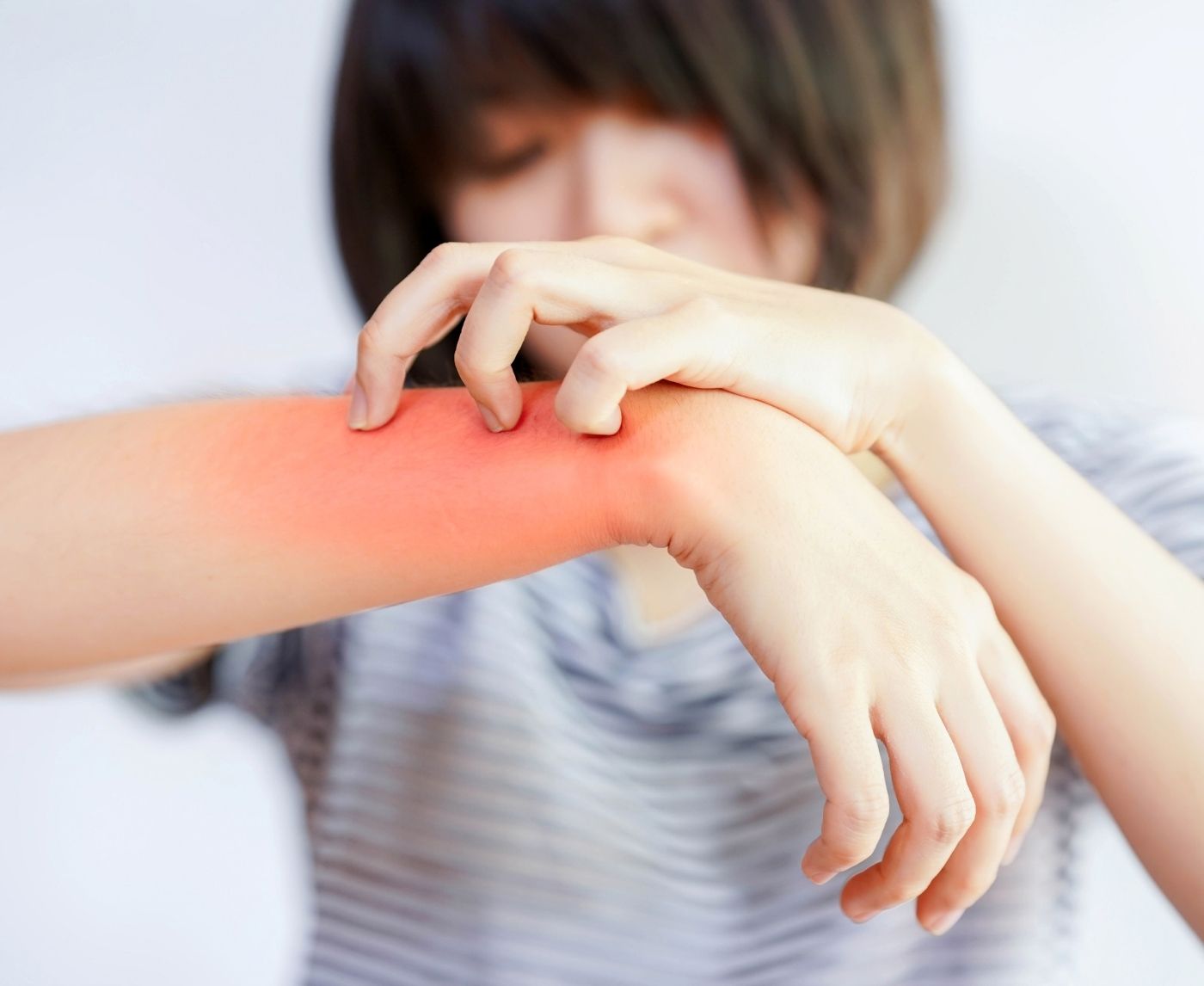

Quick Answer: STD rashes can look like contact dermatitis, but they often persist, evolve, or come with additional symptoms like sores, bumps, or unusual sensations. If a rash doesn’t improve with basic care or appears after sexual contact, testing is the only way to know for sure.
This Is Where Most People Get It Wrong
There’s a moment a lot of people don’t talk about. It’s not the hookup. It’s not even the symptoms. It’s that in-between phase where you’re staring at your own skin, trying to convince yourself it’s nothing serious.
“I kept thinking it was just irritation,” one patient told me. “I changed soaps, stopped shaving, even switched underwear. It never crossed my mind it could be something else.”
This is exactly where contact dermatitis and STD symptoms overlap. Both can show up as redness, itching, or mild inflammation. Both can feel manageable at first. And both can make you delay doing anything about it.
But here’s the problem: your skin doesn’t label the cause. It reacts. And different triggers, friction, allergens, viruses, bacteria, can all produce similar-looking results at the start.
That’s why so many people Google things like “STD rash vs dermatitis” at 2AM. They’re not being dramatic. They’re noticing that something doesn’t feel quite right.
When a “Rash” Starts Acting Like Something Else
This is the pivot point. The moment where something that looked harmless starts behaving differently.
Maybe the redness turns into small bumps. Maybe the itching becomes a tingling or burning sensation. Maybe nothing changes visually, but it just doesn’t go away.
“It wasn’t getting worse, but it wasn’t getting better either,” another patient said. “That’s what made me nervous.”
STDs don’t always arrive dramatically. In fact, some of them are subtle enough to blend into everyday skin irritation, especially early on.
Here’s where the overlap gets real.
| Feature | Contact Dermatitis | Possible STD |
|---|---|---|
| Onset | Soon after exposure to irritant | Days to weeks after sexual contact |
| Progression | Improves when trigger removed | May evolve (bumps, sores, spread) |
| Sensation | Itchy or mildly irritated | Burning, tingling, or painless lesions |
| Response to creams | Usually improves | Often unchanged |
If you’re reading that table and thinking, “mine doesn’t quite fit the dermatitis side,” you’re not overthinking. You’re paying attention.
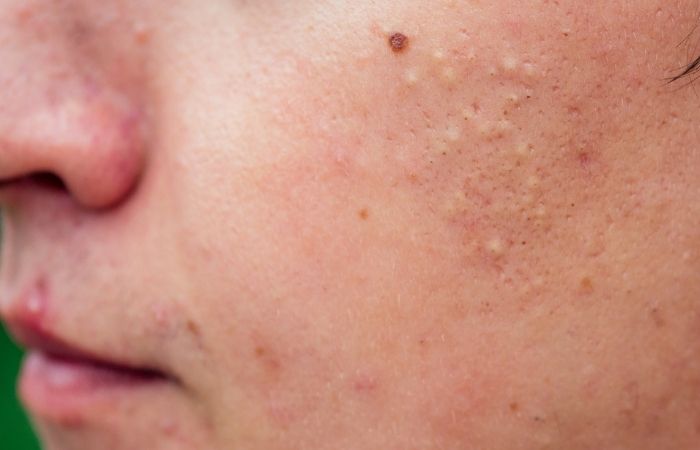
People are also reading: Can You Get an STD from a Public Toilet? Here’s the Truth
What “Contact Dermatitis” Actually Feels Like (And Why It’s So Convincing)
Contact dermatitis is basically your skin saying, “I don’t like this.” It’s an inflammatory reaction to something external, soap, latex, lubricant, detergent, even certain fabrics.
And here’s why it tricks people: it can show up in the exact same places where STD symptoms appear. Genitals, inner thighs, buttocks, mouth area. Places where skin is sensitive and exposed.
Most cases of dermatitis follow a pattern. It shows up relatively quickly after exposure to an irritant. It tends to feel itchy or slightly burning. And importantly, it usually improves when you remove the trigger.
That last part matters more than people think. Real dermatitis fades. It responds to basic care. It doesn’t slowly evolve into something else.
If anything, it becomes less dramatic over time, not more.
The Specific STDs That Most Often Get Misread as “Just Irritation”
Not all STDs look like dramatic textbook cases. Some start quietly. Some don’t hurt. Some don’t itch much at all. And those are the ones that get mistaken for dermatitis the most.
Herpes is one of the biggest culprits. Early on, it can feel like irritation, just redness or sensitivity. But then it shifts. Small blisters or sores show up, often in clusters. That transition is the giveaway.
Syphilis is even trickier. The first symptom is often a painless sore that people don’t notice. Later, it can cause a rash that doesn’t itch, which makes people assume it’s something mild or unrelated.
HPV can start as tiny, almost invisible bumps. Not painful. Not itchy. Just slightly different skin texture. Easy to ignore. Easy to mislabel as irritation.
Molluscum contagiosum is another one that flies under the radar. Small, smooth bumps that don’t hurt much. People often think it’s shaving irritation or clogged pores.
The pattern here isn’t about severity. It’s about subtlety. These infections don’t always announce themselves clearly.
“I Tried Creams and Nothing Changed” , Why That Matters
This is one of the biggest real-world clues.
If something is truly contact dermatitis, your skin usually responds when you remove the trigger or use basic treatments. It calms down. It fades. It doesn’t just sit there unchanged.
“I used hydrocortisone for a week,” someone shared. “It looked exactly the same. That’s when I realized I needed to get tested.”
When a rash doesn’t respond to typical skin care, it’s your body telling you that the cause isn’t external, it’s internal. And that’s where infections, including STDs, come into the picture.
This is also where people lose time. Weeks go by. Sometimes months. Not because they’re careless, but because the symptoms never felt urgent enough.
What Timing After Sex Can Tell You (That Google Images Can’t)
One of the most overlooked details isn’t how something looks, it’s when it shows up.
If irritation appears immediately after sex, friction or a reaction to products is more likely. But if something shows up days later, or even a couple of weeks later, that’s a different story.
Many STDs have what’s called an incubation period. That means there’s a delay between exposure and symptoms. And during that time, everything feels normal, until it doesn’t.
This is why so many people dismiss early signs. They disconnect the timeline. They think, “That was weeks ago, so it can’t be related.”
But biologically, that delay is completely normal.
When to Stop Guessing and Actually Test
There’s a point where guessing stops being helpful.
If a rash sticks around longer than expected, changes in appearance, or shows up after a sexual encounter, testing becomes the next logical step, not because something is definitely wrong, but because uncertainty is worse.
And here’s the part people don’t say out loud: waiting doesn’t make it less real. It just makes it less clear.
Getting tested isn’t an overreaction. It’s information. It’s clarity. It’s the difference between guessing and knowing.
Take back control of your health. You can start with a discreet, reliable option like at-home STD testing kits that let you check without the stress of a clinic visit.
Check Your STD Status in Minutes
Test at Home with Remedium7-in-1 STD Test Kit
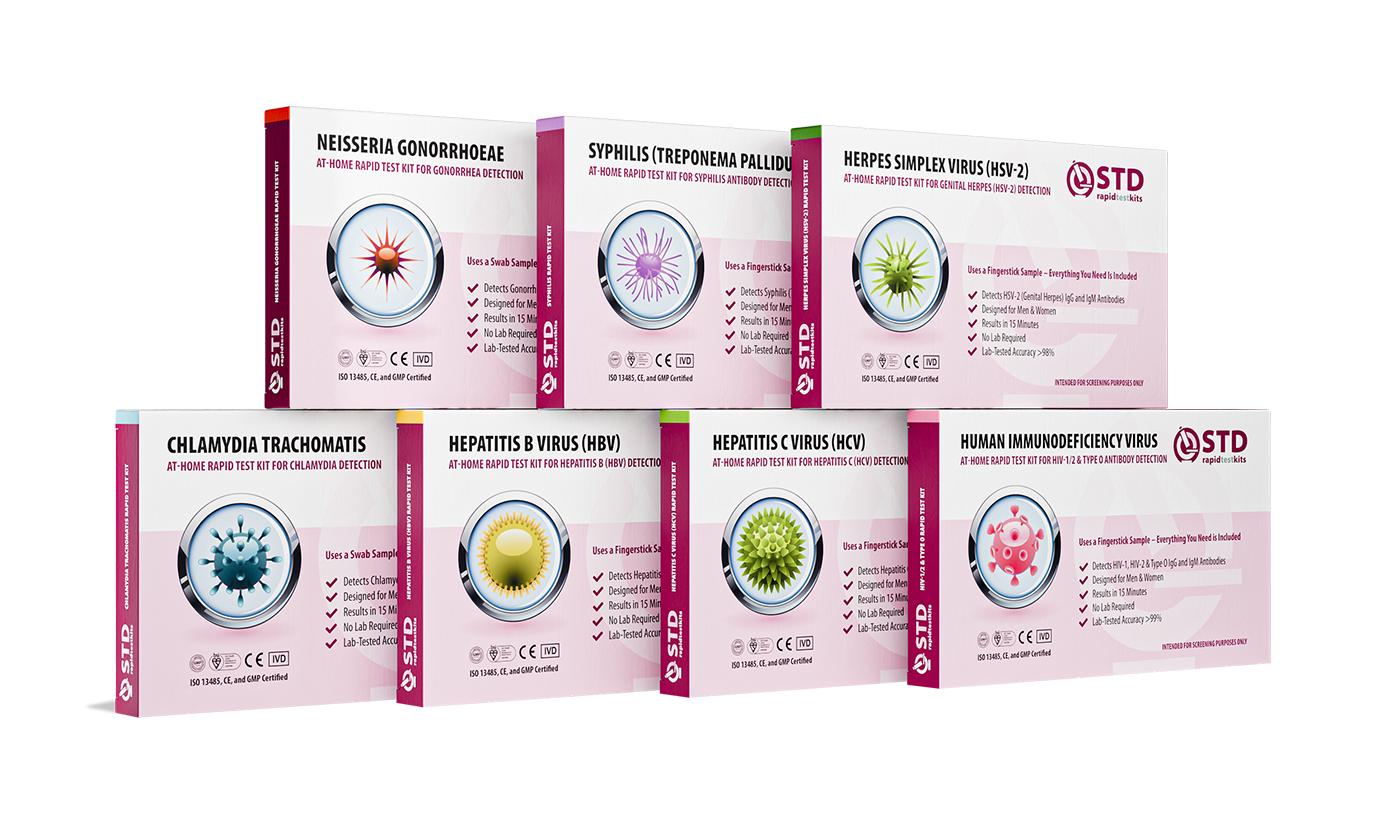
 For Men & Women
 Results in Minutes
 No Lab Needed
 Private & Discreet
Order Now $129.00 $343.00
For all 7 tests
What No One Tells You About “Mild” STD Symptoms
There’s this assumption that if something were serious, it would feel serious. Painful. Obvious. Impossible to ignore. But a lot of sexually transmitted infections don’t follow that script at all.
Some of the most commonly missed STDs start off feeling like nothing more than slightly irritated skin. No dramatic pain. No intense itching. Just a subtle sense that something is “off.”
“I thought an STD would hurt. That’s why I ignored it,” one patient admitted. “It just felt like dry skin or irritation. I didn’t think it qualified as anything serious.”
This is where people get misled. They assume severity equals importance. But in reality, some infections are quiet at first, and that’s exactly why they stick around longer than they should.
The “Location Clue” Most People Miss
Where a rash shows up can tell you a lot, but only if you know how to read it. Contact dermatitis usually appears exactly where the irritant touched your skin, like where a condom, soap, or fabric made contact.
But the symptoms of STDs don't always follow that pattern. They can show up in places that weren't directly irritated, or they can spread to other places.
For instance, a rash that shows up on the inner thighs, genitals, or even the buttocks days after sex might not be explained by a simple irritation, especially if nothing new was added from the outside.
This doesn’t mean every unusual rash is an STD. But when the location doesn’t match a clear external cause, it’s worth paying closer attention.
| Pattern | More Likely Dermatitis | More Concerning for STD |
|---|---|---|
| Exact contact area | Yes | Sometimes |
| Spreading beyond initial area | Uncommon | More likely |
| Recurring in same spot | Possible | Common (e.g., herpes) |
| Appears without clear trigger | Less likely | More likely |
Again, none of this is about jumping to conclusions. It’s about noticing patterns your body is already showing you.
Why “It Doesn’t Hurt” Isn’t Reassuring
This is one of the most common myths that keeps people stuck in the guessing phase. The idea that if something doesn’t hurt, it can’t be serious.
But several STDs are known for being painless, especially early on. That includes syphilis, which often starts with a sore that doesn’t hurt at all, and HPV, which can cause growths that feel like nothing more than normal skin.
Even herpes, which is often associated with pain, doesn’t always start that way. Some people experience only mild irritation or sensitivity before anything more obvious appears.
“I kept waiting for it to hurt,” someone shared. “When it didn’t, I assumed I was fine. I wish I hadn’t waited.”
Pain is a signal, but the absence of pain isn’t a guarantee.
What Changes Over Time (And Why That’s a Big Deal)
One of the clearest differences between simple skin irritation and an STD is how things evolve.
Contact dermatitis usually follows a predictable arc. It appears, peaks, and then fades, especially if you stop exposing your skin to whatever caused it.
STD-related symptoms don’t always follow that pattern. They might change form. Redness can turn into bumps. Bumps can turn into sores. Or something that looked stable can suddenly spread.
This evolution doesn’t always happen fast. Sometimes it’s subtle. But if you notice change, any change, it’s worth taking seriously.
Stable irritation tends to calm down. Changing symptoms tend to tell a different story.
When “Waiting It Out” Stops Being a Good Strategy
There’s a natural instinct to wait. To give your body time. To see if things resolve on their own. And sometimes, that instinct is valid.
But when it comes to symptoms that could be STD-related, waiting can blur the picture instead of clarifying it.
The longer something lingers, the harder it becomes to connect it to a specific cause. And the more time an infection, if that’s what it is, has to persist or spread.
This doesn’t mean you need to panic. It means you need to shift from passive observation to active clarity.
Don’t wait and wonder. If something feels off and isn’t resolving, a comprehensive at-home STD test kit can give you real answers without the guesswork.

People are also reading: Toilet Seats, Towels, and STDs: What You Really Need to Worry About
The Emotional Side No One Prepares You For
Let’s be honest for a second. This isn’t just about skin. It’s about what that skin might mean.
There’s a specific kind of anxiety that shows up when you don’t know what’s going on with your body. It’s not loud. It’s not dramatic. It’s persistent.
You start replaying things. Wondering about timelines. Questioning decisions. Even if nothing is confirmed, the uncertainty alone can be heavy.
“I wasn’t even scared of having something,” one person said. “I was scared of not knowing.”
And that’s the part worth addressing. Because clarity, whatever the result, is always easier to handle than ambiguity.
Testing isn’t just medical. It’s emotional relief. It’s closing the loop on a question your brain keeps reopening.
So… What Should You Actually Do If You’re Not Sure?
This is the part where most articles either panic you or brush things off. Neither is helpful. What you need is a clear, grounded way to move forward without spiraling or ignoring it.
If you’re dealing with a rash that could be irritation, or could be something more, the goal isn’t to diagnose yourself perfectly. The goal is to reduce uncertainty step by step.
Start with observation. Has anything changed recently? New products, new partners, more friction than usual. Then look at timing. Did symptoms show up immediately, or days later? That distinction matters more than most people realize.
And then ask the simplest, most honest question: is this improving, staying the same, or evolving?
A Practical Reality Check You Can Use Right Now
If you’re stuck in that “maybe it’s nothing” loop, this kind of breakdown can help you get unstuck without overreacting.
| What You’re Noticing | More Likely Irritation | Consider Testing |
|---|---|---|
| Appeared right after sex or product use | Yes | Less likely |
| Showed up days later | Unlikely | More likely |
| Not improving after 5–7 days | Less typical | Stronger signal |
| Changing (bumps, sores, spreading) | Rare | Important sign |
| No clear external trigger | Less common | More concerning |
You don’t need every box on the right side to be checked. Even one or two is enough to justify getting clarity instead of guessing.
The Quiet Risk of Mislabeling It as “Nothing”
Here’s the part people don’t love hearing, but it matters.
When something is misread as simple dermatitis, it doesn’t just delay answers, it can delay treatment. And with some infections, that delay can make things more complicated than they need to be.
Not because you did anything wrong. But because the symptoms didn’t look urgent enough to act on.
“If I had known how subtle it could be, I would’ve tested sooner,” one person said. “I wasn’t ignoring it, I just didn’t think it qualified.”
That word, qualified, comes up a lot. People assume symptoms have to meet some dramatic threshold to “count.” But your body doesn’t work like that. Subtle symptoms still matter.
You Don’t Need to Be Certain to Take Action
This might be the most important shift in thinking.
You don’t need to be 100% sure something is an STD to justify testing. You just need enough uncertainty that guessing is no longer helping you.
Testing isn’t a last resort. It’s a tool. And in situations like this, where symptoms overlap heavily, it’s often the only way to separate assumption from reality.
Whether the result is negative or positive, you move forward with actual information instead of speculation.
That alone changes everything.
Check Your STD Status in Minutes
Test at Home with Remedium6-in-1 STD Test Kit
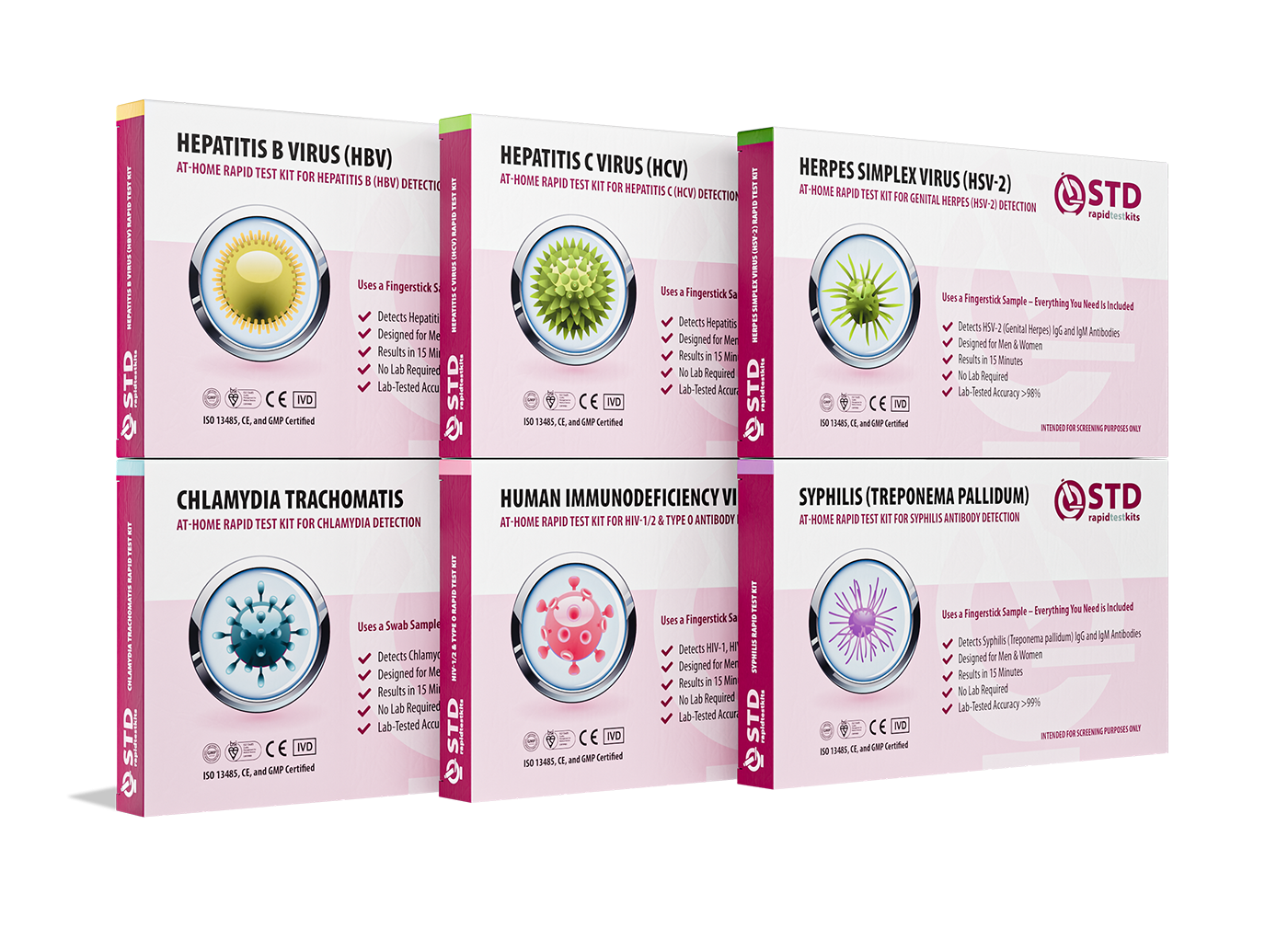 For Men & WomenResults in MinutesNo Lab NeededPrivate & Discreet
Order Now $119.00 $294.00
For all 6 tests
Before You Spiral, Here’s What Actually Matters
If your brain is running through worst-case scenarios, pause for a second. Most rashes are still non-STD related. Skin is reactive. It gets irritated easily. Not everything is a sign of something serious.
But the key difference is this: harmless irritation fades. Persistent or evolving symptoms deserve attention.
You don’t need to panic. You just need to stay honest about what you’re seeing.
And if that honesty leads to testing, that’s not fear, that’s taking care of yourself.
When You’re Ready for Clarity (Not Guesswork)
You don’t have to sit in uncertainty or wait for things to get worse. If something feels off and isn’t resolving, you’re allowed to want answers now, not weeks from now.
That’s where simple, private options come in. You can check for common infections from home, on your own timeline, without overexplaining anything to anyone.
Start here: browse discreet at-home STD test options and choose what fits your situation. It’s fast, confidential, and designed for exactly this kind of “I’m not sure” moment.
You don’t need certainty to take the next step. You just need enough awareness to stop guessing.
FAQs
1. Can an STD really look like something as basic as contact dermatitis?
Yeah, frustratingly, it can. Early on, your skin doesn’t care about labels, it just reacts. So redness, mild itching, or irritation can look identical whether it’s a reaction to soap… or something you picked up during sex. The difference usually shows up later, when it either fades like normal irritation, or starts doing something weird.
2. How do I know if I’m overthinking a rash?
Honestly? Most people ask this right before they realize they weren’t overthinking at all. If you’ve noticed it more than once, checked it in different lighting, or keep coming back to it mentally, that’s your signal. Overthinking usually fades, persistent doubt doesn’t.
3. If it doesn’t itch or hurt, can it still be an STD?
It absolutely can. Some of the most commonly missed infections are the quiet ones. Syphilis is famous for this, people often don’t feel anything at all. So “it doesn’t hurt” isn’t the green light people think it is.
4. What if it showed up days after sex, does that mean anything?
That timing matters more than people realize. Irritation from friction or products usually shows up fast, like same day or next day. If something shows up a few days later, your body is probably reacting to something inside, not just an irritation on the surface.
5. I used cream and it kind of helped… so I’m fine, right?
Not necessarily. Creams can calm the surface of your skin, but they don’t fix infections. So things might look better for a bit, then stall, or come right back. It’s like putting a filter over the problem instead of solving it.
6. What is the most obvious sign that it isn't just dermatitis?
Change. That’s the word to remember. If it starts as redness and then turns into bumps, or spreads, or just refuses to go away, that’s when it stops behaving like simple irritation.
7. Can sex itself cause a rash that looks like an STD?
Definitely. Friction, longer sessions, or even certain positions can leave your skin irritated. But that kind of rash usually calms down pretty quickly, like within a few days. It doesn’t keepevolving or hanging around like an uninvited guest.
8. Which STD gets mistaken for skin irritation the most?
Herpes, easily. Especially early on, it can feel like nothing more than sensitivity or mild irritation. People often don’t clock it until blisters show up, and by then, they’re like, “oh… okay, this is different.”
9. How long is too long to wait and see?
If you’re still looking at the same rash a week later and having the same internal debate, that’s your answer. Skin irritation doesn’t usually drag things out like that. At that point, testing isn’t dramatic, it’s practical.
10. Do I really need to get tested if I’m not sure?
You don’t need certainty, you just need enough doubt that guessing isn’t working anymore. Testing isn’t an admission that something’s wrong. It’s just you deciding you’re done playing detective with your own body.
You Deserve Clarity, Not Guesswork
A rash in that part of your body hits differently. It’s not just physical, it gets in your head. You start replaying timelines, second-guessing choices, wondering if you’re overreacting or missing something important. The goal isn’t to panic over every patch of skin. The goal is to figure out what your body is actually telling you.
If it showed up right after friction or a new product and fades quickly, that’s one story. If it lingers, shifts, or shows up days later, that’s another. You don’t need to diagnose it perfectly, you just need to recognize when guessing isn’t working anymore.
Don’t wait and wonder. If there’s even a small chance it could be more than irritation, start with a private screen like the Combo STD Home Test Kit. It’s discreet, fast, and gives you something way better than anxiety, an actual answer.
How We Sourced This Article: This guide combines clinical guidance from major public health authorities with peer-reviewed research on STD symptom presentation and dermatologic conditions. We reviewed literature on herpes, syphilis, HPV, and inflammatory skin reactions, alongside real-world patient patterns, to reflect how these symptoms actually appear outside textbook cases. The goal is accuracy without losing the lived experience of how people notice and interpret these signs.
Sources
1. Centers for Disease Control and Prevention – STD Symptoms Overview
3. Fact sheet from the World Health Organization about sexually transmitted infections
4. PubMed – Research on STI and Dermatological Manifestations
5. Planned Parenthood—Signs and Tests for STDs
6. Centers for Disease Control and Prevention – Syphilis Fact Sheet
7. Johns Hopkins Medicine – Genital Herpes
About the Author
Dr. F. David, MD is a board-certified infectious disease specialist focused on sexually transmitted infections, early symptom recognition, and accessible testing. His approach blends clinical accuracy with direct, judgment-free guidance so patients can make informed decisions without shame or confusion.
Reviewed by: Board-Certified Infectious Disease Specialist | Last medically reviewed: March 2026
This article is only for informational purposes and should not be used in place of professional medical advice, diagnosis, or treatment.


