







Quick Answer: Yes, you can mistake an STD for a yeast infection. Antifungal treatments may help with irritation for a short time, but they won't get rid of infections like chlamydia, gonorrhea, or herpes, which can make it harder to get the right diagnosis and care.
This Isn’t Just a Mix-Up, It Happens All the Time
People confuse yeast infections and STDs constantly, and not because they’re careless. It’s because the symptoms overlap in frustrating, almost deceptive ways. Itching, burning, redness, unusual discharge, these aren’t exclusive to one condition.
Alicia, 27, thought she knew her body. She’d had yeast infections before, and this felt familiar enough. She used an over-the-counter antifungal and waited. “It calmed down for a few days,” she said. “I thought, okay, I caught it early.”
“Then it came back worse. That’s when I finally got tested, and it was chlamydia.”
This kind of delay isn’t rare. It’s one of the most common ways STDs go undiagnosed longer than they should. Not because symptoms are invisible, but because they’re misread.
Why Antifungal Treatments Can Be Misleading
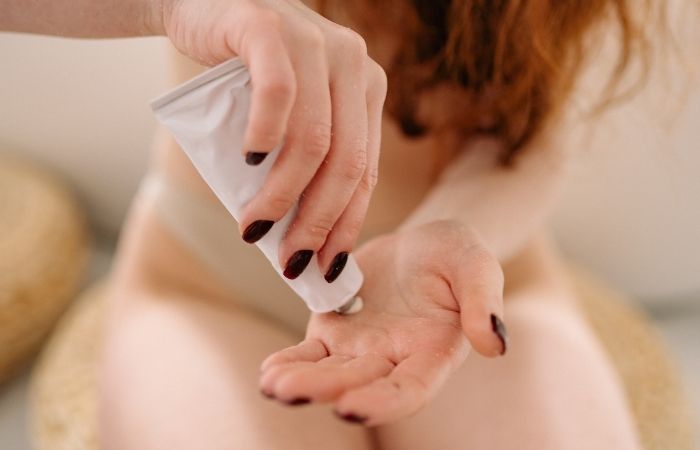
Antifungal creams don’t treat bacterial or viral infections. But they can still make things feel better temporarily. That’s where the confusion starts.
When you apply an antifungal, you’re often also soothing the skin. Many creams reduce inflammation, calm irritation, and moisturize sensitive tissue. So even if the root cause isn’t yeast, you might feel relief.
That doesn’t mean the infection is gone. It just means the surface symptoms have been softened.
Think of it like putting ice on a sprained ankle without realizing it’s actually fractured. The swelling might go down a little, but the underlying issue is still there, waiting.
| Condition Type | Cause | Does Antifungal Help? | What’s Actually Needed |
|---|---|---|---|
| Yeast Infection | Fungus (Candida) | Yes | Antifungal medication |
| Chlamydia | Bacteria | No | Antibiotics |
| Gonorrhea | Bacteria | No | Antibiotics |
| Herpes | Virus | No | Antiviral medication |
The key takeaway? Relief doesn’t equal resolution. And antifungals can absolutely blur the signal your body is trying to send.
People are also reading: How to Tell a Partner You Might Have Given Them an STD
When Symptoms Feel the Same (But Aren’t)
This is where things get tricky, and honestly, a little unfair. Because your body doesn’t label symptoms for you. It just reacts.
Both yeast infections and STDs can cause:
- Itching: External or internal irritation
- Burning: Especially during urination or sex
- Redness: Inflamed or sensitive skin
- Discharge changes: Different texture, color, or smell
But the differences are subtle, and easy to miss if you’re trying to self-diagnose at home.
| Symptom | Yeast Infection | Possible STD |
|---|---|---|
| Discharge | Thick, white, clumpy | Yellow, green, or unusual |
| Odor | Usually none | May be strong or fishy |
| Pain | Mild irritation | Pelvic or testicular pain possible |
| Sores or lesions | No | Possible (herpes, syphilis) |
Still, even these differences aren’t foolproof. Some STDs have mild or nearly invisible symptoms. Some yeast infections don’t follow the “textbook” pattern. That gray area is where most people get stuck.
The Moment It Should Click: “This Isn’t Working”
There’s usually a turning point. Not dramatic, but persistent. The moment when you realize something isn’t responding the way it should.
Maybe the itching never fully goes away. Maybe it disappears and comes back after sex. Maybe the discharge changes again, or new symptoms show up that don’t quite match what you expected.
Jordan, 31, described it this way:
“I kept thinking I didn’t use the cream long enough. So I tried again. And again. At some point, I had to admit, it wasn’t fixing anything.”
That’s the signal. Not panic, but clarity. When antifungal treatment doesn’t resolve symptoms fully, it’s not a failure on your part. It’s information.
And it usually means one thing: it’s time to test.
Don’t Guess, Test (Without the Waiting Game)
This is the part most people put off. Not because they don’t care, but because testing feels like a bigger step. More real. More loaded.
But here’s the truth: testing is what turns uncertainty into something manageable. It replaces “what if” with actual answers.
If you’re dealing with symptoms that aren’t responding to antifungals, the smartest move isn’t another round of cream, it’s clarity.
You can start that process right now, privately and quickly, with a trusted at-home STD testing option. No waiting rooms, no awkward conversations, just real information you can act on.
And if you want broader coverage, a combo STD home test kit can check for multiple infections at once, which is especially helpful when symptoms overlap like this.
Because guessing might feel easier in the moment, but it’s testing that actually moves you forward.
Check Your STD Status in Minutes
Test at Home with Remedium7-in-1 STD Test Kit
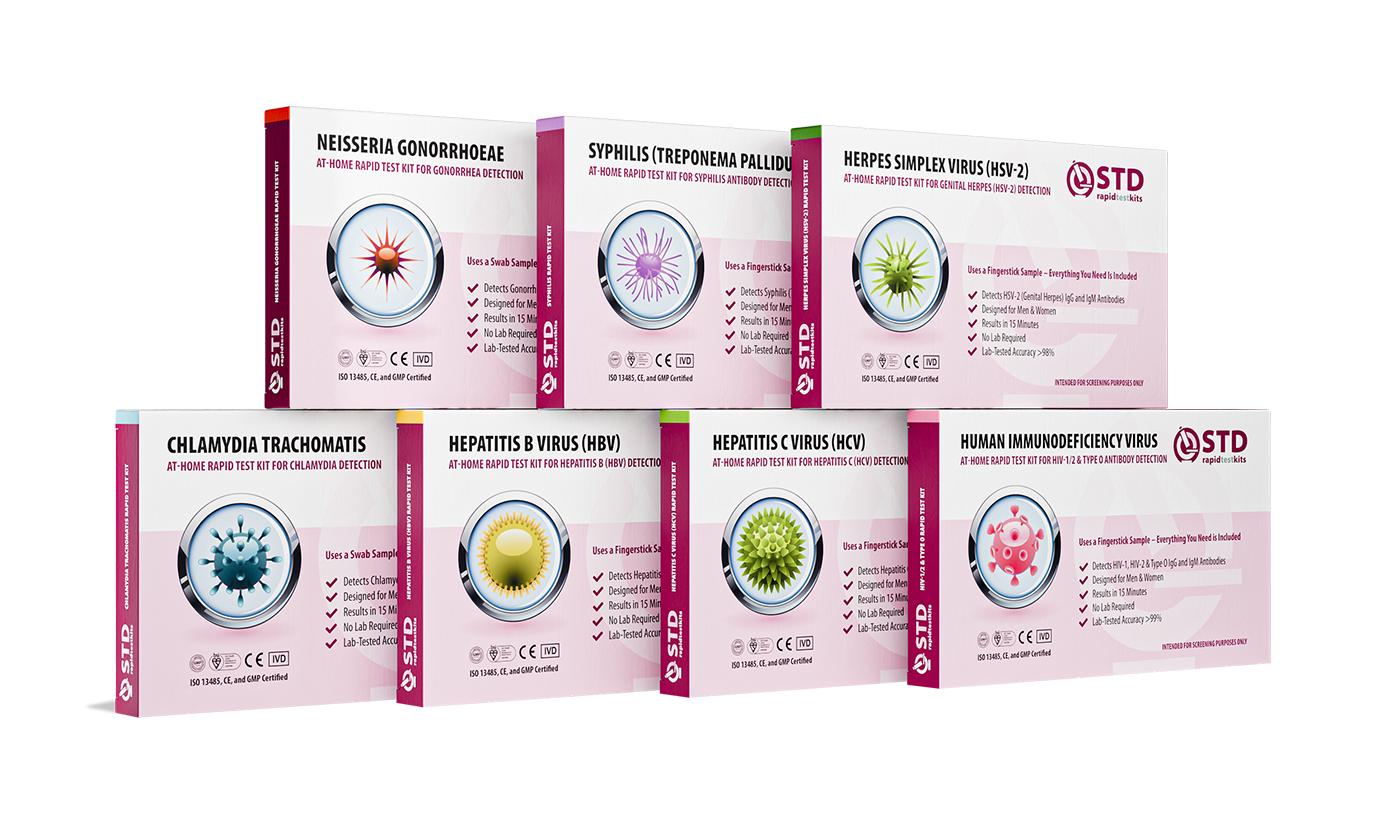
 For Men & Women
 Results in Minutes
 No Lab Needed
 Private & Discreet
Order Now $129.00 $343.00
For all 7 tests
What No One Tells You About “Partial Relief”
One of the most confusing parts of this whole experience is when symptoms don’t fully disappear, but they soften just enough to make you second-guess yourself. The itching fades a little. The burning isn’t as sharp. Things feel… manageable.
That’s often where people stop investigating. Not because they’re careless, but because the urgency fades. If it’s not getting worse, it must be getting better, right?
Not necessarily.
Some STDs, especially bacterial ones like chlamydia and gonorrhea, can fluctuate in how they feel. Symptoms can come and go. They can feel mild one week and more noticeable the next. When you layer antifungal treatment on top of that, it can create the illusion that you’re “treating something,” when in reality, you’re just easing irritation.
“It never felt bad enough to panic,” one patient shared. “Just annoying enough to keep treating it like something minor.”
This is how infections linger. Not loudly, but quietly enough to be ignored.
When It’s Not Just Yeast: The Infections That Get Overlooked
There are a few STDs that show up in ways that can easily be mistaken for a yeast infection, especially early on or when symptoms are mild.
Chlamydia is one of the biggest offenders. It often causes minimal symptoms, but when it does, they can include burning during urination or unusual discharge, things people commonly associate with yeast or even a UTI.
Gonorrhea can look similar, though it’s more likely to cause noticeable discharge changes. Still, without testing, the difference isn’t always obvious.
Herpes is a different kind of confusion. Early outbreaks can start with itching or tingling before any visible sores appear. Some people treat that initial irritation as a yeast infection, especially if they’ve never had herpes before and don’t know what to expect.
The problem isn’t just mislabeling, it’s timing. Because while you’re treating the wrong thing, the actual infection continues untreated.
Why Symptoms Coming Back Is a Red Flag (Not Bad Luck)
Recurring symptoms are often brushed off as “just another yeast infection.” Maybe stress triggered it. Maybe antibiotics threw things off. Maybe your body is just sensitive right now.
And yes, sometimes that’s true.
But when symptoms keep returning after antifungal treatment, especially within a short window, it’s worth pausing. Because yeast infections typically respond clearly to treatment. They don’t usually disappear and reappear in cycles unless something else is going on.
This is especially important if symptoms seem to flare after sex. That pattern, feel better, then worse again, can point toward an underlying infection being reintroduced or never fully addressed.
It’s not about assuming the worst. It’s about recognizing patterns your body is trying to show you.
The Cost of Waiting (And Why It’s Not Just Physical)
Delaying testing doesn’t just affect your body, it affects your head. The uncertainty stretches out. You keep wondering if it’s nothing… or something you should have caught earlier.
Physically, untreated STDs can lead to complications over time. Some infections can affect fertility, cause chronic pain, or increase the risk of other infections. But most of those outcomes are preventable with early detection.
Emotionally, it’s the not knowing that tends to weigh heavier. That quiet loop of “should I be worried?” that doesn’t quite go away.
Getting tested breaks that loop. Not by creating fear, but by replacing uncertainty with something solid.

People are also reading: Still Worried After Treatment? When to Retest for Every STD
How to Move Forward Without Overthinking It
If you’re here, you’re already paying attention. That matters more than you think.
You don’t need to diagnose yourself perfectly. You don’t need to be 100% sure something is wrong before you act. You just need to recognize when something isn’t resolving the way it should.
That’s your cue.
Testing doesn’t mean you’ve done something wrong. It means you’re taking care of yourself in a situation where symptoms overlap and guesswork isn’t reliable.
And if the result comes back negative? That’s still valuable. It gives you a clear direction, maybe it really is yeast, maybe it’s something else entirely, but at least you’re not stuck in uncertainty anymore.
If it comes back positive, you’re not starting from scratch, you’re starting from clarity. And that’s always easier to work with than doubt.
Either way, you’re moving forward.
What Testing Actually Looks Like (And Why It’s Easier Than You Think)
For a lot of people, the hesitation around testing isn’t about denial, it’s about friction. Time, privacy, awkward conversations, not knowing where to go. It feels like a bigger step than just trying another treatment.
But testing today doesn’t look like what most people imagine.
You don’t have to sit in a clinic waiting room replaying your last sexual encounter in your head. You don’t have to explain yourself to anyone if you’re not ready. You can test from home, on your own time, with clear instructions and fast results.
That shift matters, especially in situations like this, where symptoms are confusing, and you’re not even sure what you’re dealing with yet.
Using a discreet at-home STD test lets you skip the guesswork entirely. And if your symptoms could point to more than one infection, a combo test kit gives you broader answers without needing multiple appointments.
This isn’t about assuming the worst. It’s about removing uncertainty in the simplest way possible.
The Window Period Problem Most People Don’t Realize
Even when people decide to test, timing can trip them up. There’s something called a “window period”, the time between exposure and when a test can reliably detect an infection.
That means if you test too early, you might get a negative result even if something is there. And if you’re also using antifungal treatments during that time, it can make things feel even more confusing.
Here’s a simplified look at how timing plays into accuracy:
| STD | Earliest Detection | Best Time to Test |
|---|---|---|
| Chlamydia | 1–2 weeks | 2+ weeks after exposure |
| Gonorrhea | 1 week | 2 weeks after exposure |
| Herpes | 2–12 days (symptoms) | When sores appear |
If your symptoms showed up recently, it’s okay to test, and then retest if needed. The goal isn’t perfection. It’s staying informed as your body changes.
Check Your STD Status in Minutes
Test at Home with Remedium6-in-1 STD Test Kit
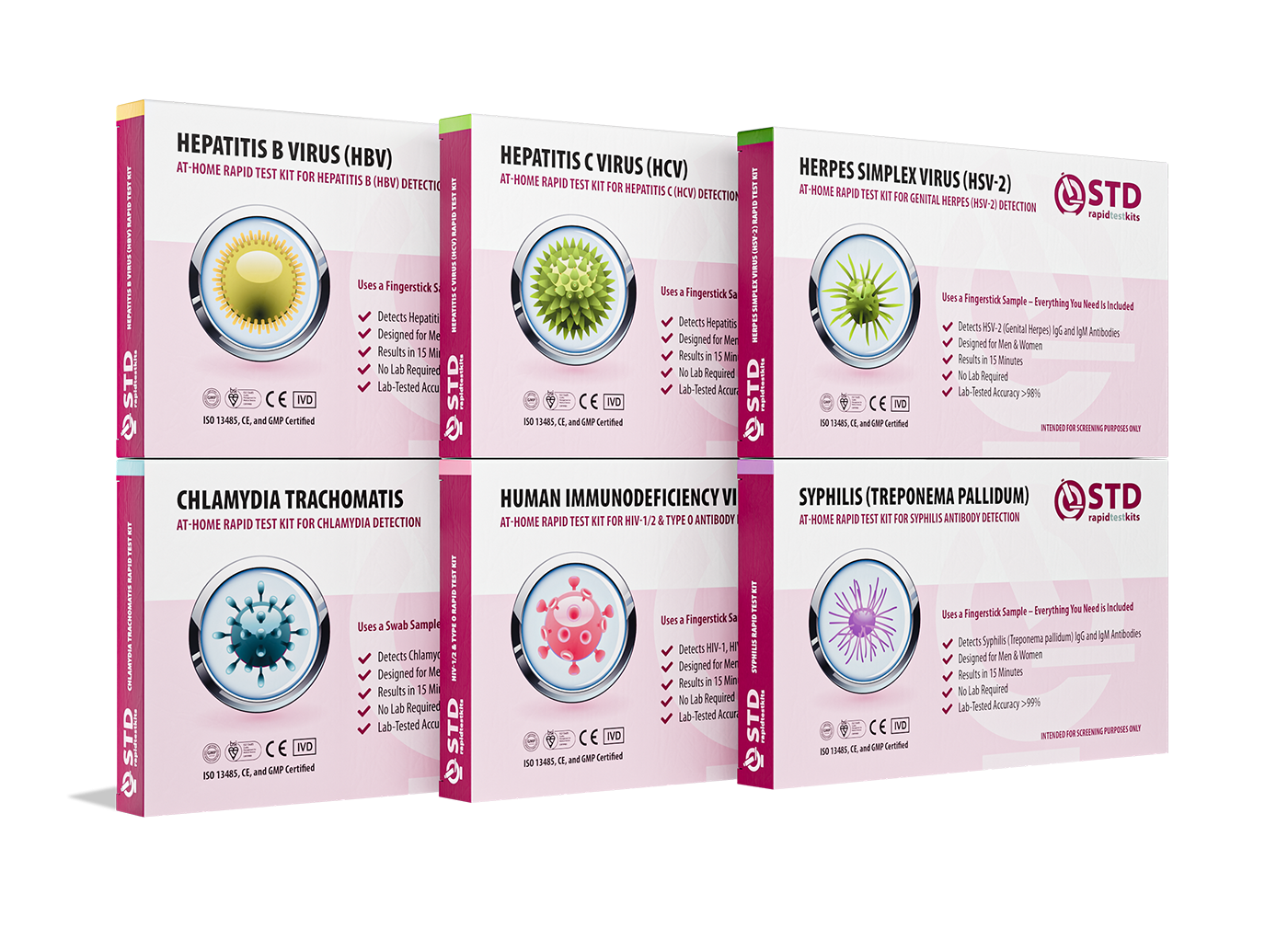 For Men & WomenResults in MinutesNo Lab NeededPrivate & Discreet
Order Now $119.00 $294.00
For all 6 tests
So… Can Antifungals Actually Mask an STD?
Here’s the honest answer: they don’t treat STDs, but they can absolutely make the situation harder to read.
They can help with inflammation, ease irritation, and make symptoms feel less bad. That can delay testing, create false reassurance, or lead you to repeat treatments that aren’t addressing the real issue.
But they don’t eliminate infections like chlamydia, gonorrhea, or herpes. Those require completely different treatments.
So while antifungals don’t “hide” an STD in a medical sense, they can blur the signals enough that people wait longer than they should to get answers.
And in this context, that distinction matters.
When Your Body Feels “Off” but Not Urgent
There’s a very specific kind of discomfort that doesn’t push you into action, it just lingers. Not painful enough to stop your day. Not intense enough to feel like an emergency. Just… off. And that’s exactly where a lot of STD symptoms live.
It might be a slight itch that comes and goes. A different kind of discharge you can’t quite describe. A feeling that something has shifted, even if you can’t point to one clear symptom. That gray area is where people tend to self-treat, wait it out, or convince themselves it’s something minor.
“I kept thinking, if it was serious, I’d know,” one patient said. “But it never got bad enough to force me to deal with it.”
The problem is, a lot of infections don’t announce themselves clearly. They stay subtle. They blend in. And when you combine that with treatments that partially relieve symptoms, like antifungals, it becomes even harder to read what your body is actually saying.
This is why patterns matter more than intensity. Something that doesn’t fully go away. Something that shifts but never resolves. Something that keeps you just aware enough to keep thinking about it. That’s not something to ignore, it’s something to clarify.
FAQs
1. Can antifungal cream actually hide an STD?
Not in a “make it disappear” way, but it can absolutely throw you off. The cream calms irritation, so things feel better for a bit, and your brain goes, “okay, handled.” Meanwhile, the actual infection is still there, just not screaming as loudly.
2. Why did I feel better after using yeast infection treatment if it wasn’t yeast?
Because your skin got a break. Most antifungals soothe inflammation, so even if the cause isn’t fungal, the area feels less angry. It’s like putting aloe on a sunburn, you feel relief, but you haven’t fixed what caused it.
3. How do I know if this is more than just a yeast infection?
If you’ve treated it and it’s still hanging around, or it disappears and comes back, that’s your clue. Yeast infections usually respond pretty clearly. When things get vague, stubborn, or repetitive, it’s time to stop guessing and start testing.
4. Can chlamydia or gonorrhea really feel that mild?
Yeah, and that’s what trips people up. Some people expect STDs to feel dramatic or obvious, but a lot of them are subtle, just a little burning, a slight change in discharge, nothing that screams “emergency.” That’s why they’re easy to misread.
5. Is it dumb to try antifungal treatment first?
Not at all, it’s actually really common. The issue isn’t trying it once. The issue is staying stuck in that loop when it’s clearly not working. One round makes sense. Three rounds without answers? That’s when it’s time to pivot.
6. What if I’m just overthinking normal irritation?
Maybe you are, but testing settles that fast. Instead of spiraling for days or weeks, you get a clear answer and move on. Peace of mind is part of taking care of yourself, not overreacting.
7. Can you have a yeast infection and an STD at the same time?
You can, and that’s part of why this gets confusing. You might treat the yeast and feel slightly better, but something still feels off. That “almost better but not quite” feeling is worth paying attention to.
8. How long should I wait before deciding the treatment didn’t work?
Most yeast treatments start improving things within a few days. If you’re hitting day 5–7 and thinking, “why is this still here?”, that’s your moment. You don’t need to wait it out forever.
9. What if I’m nervous about testing?
That’s completely normal. Most people don’t feel chill about it. But the experience is usually way easier than the buildup in your head, and the relief of knowing is immediate, whether the result is positive or negative.
10. What’s the smartest next step if I’m unsure?
Don’t double down on guessing. Just test. That one step replaces all the “what ifs” with something real, and once you have that, everything else gets a lot simpler.
You Deserve Clarity, Not Guesswork
That in-between feeling, the “it’s probably nothing… but why is it still here?”, is where most people get stuck. Not because they’re ignoring their health, but because the symptoms don’t feel urgent enough to act on. Just persistent enough to stay in the back of your mind.
If antifungal treatment didn’t fully resolve things, that’s not failure, it’s information. It means your body is still trying to tell you something. The goal isn’t to panic or assume the worst. It’s to stop guessing and start narrowing things down.
Don’t wait and wonder. If there’s even a small chance it could be an infection, get clear answers with a Combo STD Home Test Kit. It’s private, straightforward, and gives you something better than reassurance, certainty.
How We Sourced This Article: This article blends clinical guidance from major health authorities with peer-reviewed research on STD symptom overlap and misdiagnosis patterns. We also included real-life patient experiences and discussions of symptoms to show how people really understand irritation, discharge, and recurring symptoms when they are not in a clinical setting.
Sources
1. Centers for Disease Control and Prevention – STDs Overview
2. NHS Guide to Sexually Transmitted Infections
3. Planned Parenthood: Teaching about STDs
4. PubMed – STI Symptom Research Database
5. World Health Organization – STI Facts
6. CDC – Sexually Transmitted Infections Treatment Guidelines
About the Author
Dr. F. David, MD is a board-certified infectious disease specialist focused on STI diagnosis, treatment, and prevention. His work centers on making complex sexual health information clear, stigma-free, and actually usable in real life.
Reviewed by: Board-Certified Infectious Disease Specialist | Last medically reviewed: March 2026
This article is only for informational purposes and should not be used instead of professional medical advice, diagnosis, or treatment.


