





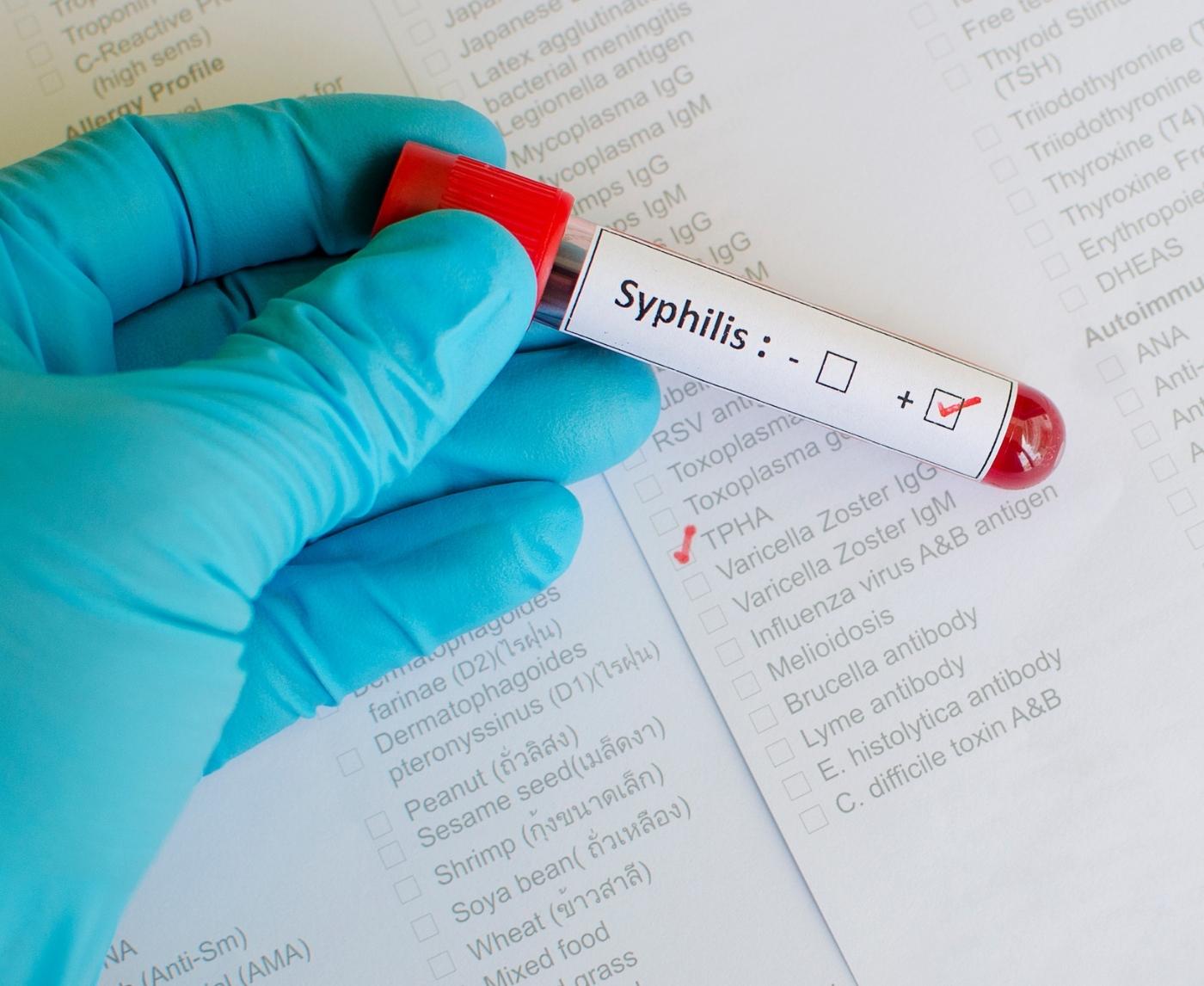

Quick Answer: Syphilis usually becomes detectable on blood tests about 3 to 6 weeks after exposure. Some early infections may appear around 2 weeks, but the most reliable test results typically occur around 6 weeks. If you test earlier and the result is negative, doctors often recommend retesting later to confirm.
Why Timing Matters More Than Most People Realize
Syphilis is caused by the bacterium Treponema pallidum. Once it enters the body, it doesn’t instantly trigger a positive test result. Your immune system slowly learns about the organism and makes antibodies as it starts to grow. Most routine blood tests for syphilis look for antibodies instead of the disease-causing bacteria.
This means that the test result depends less on the exact time of exposure and more on when your immune system makes enough detectable markers. Testing too soon is one of the most common reasons people get a negative result even though they were infected.
It’s frustrating because the anxiety window, the period when someone worries they might have been exposed, often arrives days or weeks before a test becomes reliable. Understanding the biological timeline can remove a lot of that uncertainty.
The Syphilis Testing Timeline After Exposure
The timeline below reflects typical antibody development and the window period most clinicians reference when recommending testing. Individual immune responses vary slightly, but the general pattern is consistent across populations.
| Time After Exposure | What’s Happening in the Body | Test Reliability |
|---|---|---|
| 1–7 days | Bacteria begin multiplying silently | Testing usually too early |
| 10–14 days | Early immune response may begin | Some infections detectable |
| 3–4 weeks | Antibody levels rise | Many infections detectable |
| 6 weeks | Antibodies clearly detectable | Most reliable testing window |
| 3 months | Infection fully detectable | Definitive confirmation window |
This doesn’t mean testing earlier is pointless. If symptoms appear or risk is high, clinicians often test immediately and repeat the test later to confirm. The key is understanding that early negative results sometimes require follow-up testing.
People are also reading: Tested Positive? Here’s How to Tell a Partner Without Shame
What the First Weeks of Syphilis Infection Actually Look Like
Many people expect sexually transmitted infections to announce themselves dramatically. In reality, early syphilis is subtle enough that people often miss the signs completely.
The classic early symptom is a painless sore called a chancre. It typically appears at the location where the bacteria entered the body, genitals, anus, mouth, or throat. The tricky part is that it doesn’t hurt and often heals on its own, which leads many people to ignore it.
One patient described it this way during a clinic interview:
“I thought it was an ingrown hair or something. It didn’t hurt at all. Two weeks later it was gone and I forgot about it.”
That quiet disappearance is exactly what makes early syphilis deceptive. The infection keeps spreading internally even when the visible sign fades.
Because symptoms can be so subtle, or absent entirely, testing often becomes the only reliable way to know what’s happening.
When Symptoms Appear vs When Tests Turn Positive
One of the confusing things about syphilis is that symptoms and testing windows don’t always line up neatly. A sore can appear before antibodies reach detectable levels, which means someone might have visible symptoms but still test negative during the earliest stage.
The general timeline looks like this:
| Stage | Typical Timing | Common Signs | Testing Notes |
|---|---|---|---|
| Primary stage | 10–90 days | Single painless sore | Blood tests may still be early |
| Secondary stage | 6–12 weeks | Rash, fatigue, fever | Tests usually positive |
| Latent stage | Months to years | Often no symptoms | Blood tests remain positive |
Because early symptoms can disappear quickly, people sometimes assume the problem resolved itself. In reality, the infection may simply have moved into a different stage.
The Most Reliable Time to Test
If you want a clear, practical answer: testing around six weeks after a potential exposure is usually the point when most modern blood tests become reliably accurate. By that time, the majority of infected people will have developed detectable antibody levels.
That said, medical providers often take a layered approach to testing when risk is significant.
A common strategy looks like this:
- Initial test: around 2–3 weeks after exposure
- Follow-up test: around 6 weeks
- Final confirmation: around 3 months if earlier tests were negative
This staggered approach catches infections that appear later in the antibody timeline while also providing earlier reassurance if the first result is negative.
Some people choose to test at home in private with discreet kits, like those sold by STD Rapid Test Kits. These kits let people check for infections without going to a clinic. These options are great for people who want quick answers and plan to take another test later.
Rapid Syphilis Tests vs Laboratory Blood Tests
Not all tests for syphilis work the same way. Some tests are quick screenings that give results in a few minutes, and others are blood tests done in a clinic or diagnostic lab. Both tests look for antibodies that your immune system makes after you come into contact with syphilis, but they work differently in terms of sensitivity, processing, and how early they can reliably find infection.
The core principle remains the same: your body must produce enough antibodies for a test to identify them. Whether you use a rapid test at home or a lab test ordered by a clinician, the window period still applies. No test can reliably detect the infection immediately after exposure because the immune response hasn’t developed yet.
For a lot of people, the choice comes down to privacy, speed, and ease of use, not just accuracy. Rapid tests are good for quick screening, but laboratory tests can confirm results with more detail and sometimes find infections a little earlier, depending on the method used.
| Test Type | How It Works | Typical Timing Window | Advantages |
|---|---|---|---|
| Rapid antibody test | Finger-prick blood sample | 3–6 weeks after exposure | Fast results, private testing |
| RPR blood test | Detects antibodies linked to infection | 3–6 weeks | Widely used clinical screening |
| Treponemal test | Detects antibodies specific to the bacteria | 3–6 weeks | Highly specific confirmation |
Many clinicians use two different tests together. One identifies the possibility of infection and another confirms it. This layered approach helps avoid both false negatives and false positives.
Check Your STD Status in Minutes
Test at Home with Remedium7-in-1 STD Test Kit
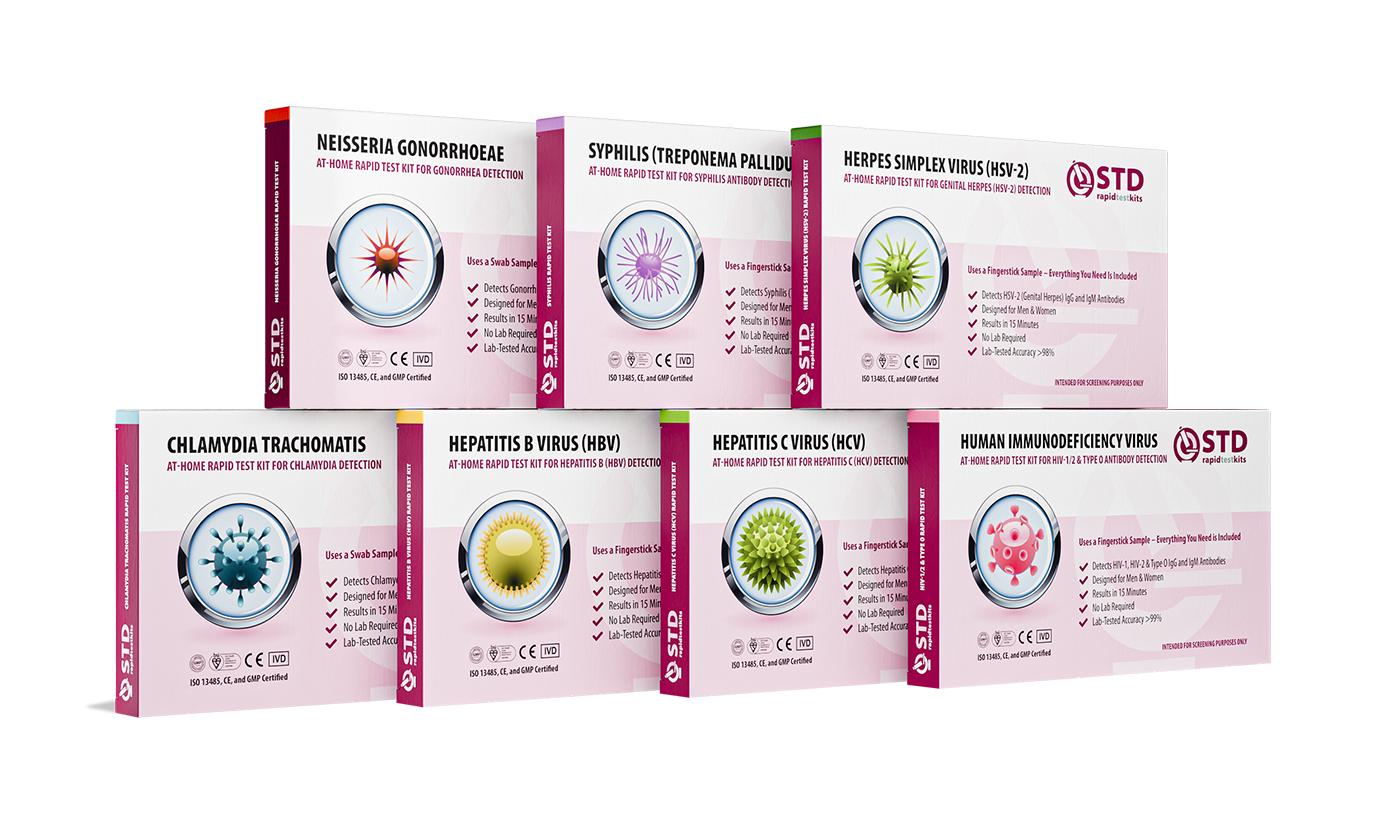
 For Men & Women
 Results in Minutes
 No Lab Needed
 Private & Discreet
Order Now $129.00 $343.00
For all 7 tests
Why Early Tests Sometimes Show a False Negative
One of the hardest parts of STI testing is the psychological gap between risk and certainty. Someone might test just days after a potential exposure hoping for immediate reassurance. When the result comes back negative, it feels comforting, but that early result may not reflect the full picture.
False negatives usually happen because the immune system simply hasn’t produced enough antibodies yet. The bacterium is present, but the markers that tests detect haven’t reached measurable levels.
This is why many sexual health professionals recommend repeat testing when the initial test occurs during the early window period. A negative result early on is helpful information, but it isn’t always definitive.
A clinician from a public health clinic once explained it this way:
“Testing too early is like checking the oven before the cake is finished baking. The ingredients are there, but the result isn’t ready yet.”
That analogy captures the biology pretty well. The infection must progress far enough for the body’s immune response to become measurable.
Real Exposure Scenarios and Testing Decisions
Most people don’t search for syphilis testing timelines in the abstract. They look because something happened, like a hookup, a condom that broke, or a new partner whose status they didn't know about. Knowing how risk works in real life can help you make better decisions about testing.
Consider a few common situations:
Unprotected vaginal or anal sex
Direct sexual contact with an infected partner can transmit syphilis through microscopic skin breaks. In this situation, many clinicians recommend testing around three weeks after exposure and again at six weeks.
Oral sex exposure
Transmission can occur through oral contact, particularly if sores are present. Because oral infections can be asymptomatic, people may not realize they were exposed. Testing at the standard antibody window remains the safest approach.
Visible sore on a partner
If a partner had a suspicious sore during contact, testing earlier and repeating later may be advised. Early detection becomes more important in these cases.
These examples show why doctors often pay less attention to the exact act and more to the timing of exposure and symptoms when they suggest testing.
Reducing Testing Mistakes at Home
At-home testing has become a popular option for people who prefer privacy or convenience. While these tests can be very useful, improper handling or misunderstanding the timeline can lead to confusing results.
You can make results more reliable by following a few simple rules:
- Follow timing instructions carefully. Rapid tests require precise reading times.
- Use clean sampling techniques. Proper blood collection ensures accurate detection.
- Respect the window period. Testing too early is the most common mistake.
- Repeat testing if recommended. Follow-up tests confirm early results.
Many people choose combination screening options such as the Combo STD Home Test Kit, which checks for multiple infections at once. This approach can make sense because different infections have overlapping risk factors and testing windows.
Testing doesn’t have to be dramatic or stressful. In many ways, it’s simply part of responsible sexual health, the same way routine checkups are part of general healthcare.
The Emotional Side of Waiting for the Test Window
One thing rarely discussed in clinical articles is the psychological experience of waiting to test. The window period can feel long when someone is worried about possible exposure.
People often cycle through the same thoughts: replaying the encounter, analyzing every sensation, checking their body for symptoms that may or may not be real. This kind of hyper-awareness is incredibly common.
One person shared their experience during a sexual health interview:
“I checked the spot every morning for weeks. I kept thinking maybe I missed something. The hardest part wasn’t the test, it was the waiting.”
Knowing the real testing timeline can ease some of that stress. Instead of guessing, people can plan a testing schedule that matches how the infection actually develops.

People are also reading: Took Antibiotics for an STD, But Are You Really Cleared?
What Happens If a Syphilis Test Comes Back Positive?
Seeing a positive result on a test can feel like the floor drops out for a moment. People often imagine worst-case scenarios or long-term health consequences. But the reality is much calmer than the panic most people experience in that first minute.
If you catch syphilis early, it's one of the easiest sexually transmitted infections to treat. Penicillin is the most common antibiotic used to treat this condition. It has worked well for decades. If you treat the infection early, it can be cleared up before it causes major problems.
The first step after a positive result is confirmation. Many clinicians use a two-test system: an initial screening test followed by a confirmatory treponemal test. This ensures the diagnosis is accurate before treatment decisions are made.
A public health nurse once explained the process to a patient this way:
“The test result isn’t the end of the story. It’s the beginning of getting it treated and moving on.”
For most people, the timeline from diagnosis to treatment is short. Antibiotics are highly effective, especially during the early stages of infection.
Why Early Treatment Makes a Huge Difference
Early treatment matters because syphilis progresses through stages if left untreated. These stages can span months or even years, gradually affecting different parts of the body.
In the early stages, antibiotics usually get rid of primary and secondary syphilis completely. After treatment, the bacteria stop growing, and the symptoms slowly go away.
If treatment is delayed for years, the infection can enter the tertiary stage. At that point, complications may affect the heart, nervous system, or other organs. Fortunately, this stage is rare in countries where testing and antibiotics are accessible.
Early detection through testing prevents nearly all of those long-term complications. That’s one reason sexual health experts emphasize testing timelines and routine screening.
Retesting After Treatment or Possible Exposure
There isn't always just one result from testing. Retesting checks to see if the treatment worked and if there have been any new exposures.
After treatment, doctors often recommend follow-up blood tests to make sure that the levels of antibodies are going down. These follow-up tests measure how the body responds after antibiotics clear the infection.
| Follow-Up Time | Purpose | What Doctors Look For |
|---|---|---|
| 3 months | Early follow-up | Antibody levels dropping |
| 6 months | Progress monitoring | Continued decline in markers |
| 12 months | Final confirmation | Stable recovery |
These follow-up tests don’t mean treatment failed. Instead, they confirm that the infection is resolving properly and that no reinfection occurred.
Protecting Partners and Preventing Reinfection
One part of managing syphilis that people rarely talk about openly is partner notification. If someone tests positive, partners who may have been exposed should also be tested. This isn’t about blame, it’s about stopping the infection from spreading silently.
Many health departments offer anonymous notification tools that allow someone to inform partners without revealing their identity. These services exist because sexual health is a shared responsibility.
Preventing reinfection usually involves a few simple steps:
- Testing partners before resuming sexual contact
- Completing the full antibiotic treatment
- Routine screening when entering new relationships
These steps aren’t about fear. They’re about maintaining trust, communication, and health within relationships.
Check Your STD Status in Minutes
Test at Home with Remedium6-in-1 STD Test Kit
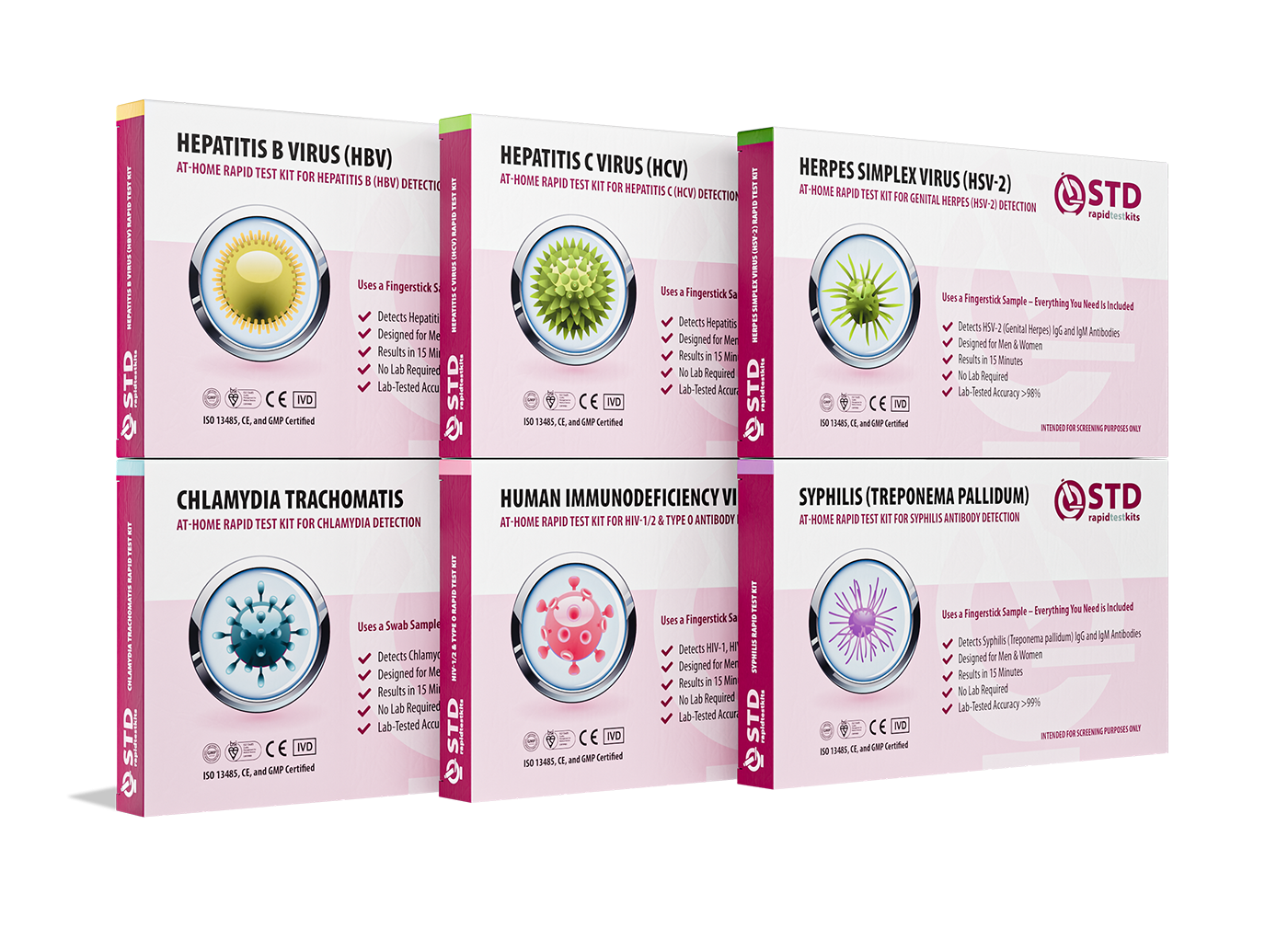 For Men & WomenResults in MinutesNo Lab NeededPrivate & Discreet
Order Now $119.00 $294.00
For all 6 tests
When to Test Again After a New Exposure
Even after treatment, people sometimes face new situations where testing becomes relevant again. A new partner, an uncertain encounter, or a condom failure can raise the same questions about testing timelines.
The testing schedule generally resets after a new exposure. The same window period applies because the immune system must respond again to a new infection.
In practical terms, that means following the same general pattern:
- Initial screening around 2–3 weeks
- More reliable testing around 6 weeks
- Final confirmation if needed around 3 months
This predictable pattern is why sexual health professionals often emphasize routine screening. When testing becomes a normal habit rather than a reaction to anxiety, people feel far more in control of their health.
FAQs
1. Can I test for syphilis a week after a hookup, or is that pointless?
You can test that early, but it’s a bit like checking the scoreboard before the game has really started. In the first week after exposure, your immune system usually hasn’t produced the antibodies that most syphilis tests detect. If someone had a risky encounter last weekend and tests today, a negative result might just mean it’s too early. Most clinicians suggest testing around three weeks and again closer to six weeks if you want a clearer answer.
2. How long does it actually take for syphilis to show up on a blood test?
For most people, the body needs about three to six weeks to build enough antibodies for a blood test to catch. Think of it as your immune system slowly turning the lights on in a dark room. Around the six-week mark, those lights are bright enough that most modern tests can clearly detect infection if it’s there.
3. What’s the “window period” everyone keeps talking about?
The window period is simply the gap between exposure and when a test becomes reliable. With syphilis, that window usually runs from roughly three weeks up to six weeks. During that stretch, the infection could technically be present even if a test says “negative,” which is why repeat testing sometimes matters.
4. Is it possible to have syphilis but test negative?
Yes, and it happens most often when someone tests too soon. Imagine your body sending out a distress signal to the immune system; the signal just hasn’t been loud enough yet for the test to hear it. Once antibodies build up, the same test would likely turn positive.
5. How soon do symptoms show up if someone has syphilis?
The first sign is usually a small sore that doesn't hurt called a chancre. It usually shows up 10 days to three months after being exposed. The tricky part? It often doesn’t hurt and may disappear on its own. Plenty of people mistake it for an ingrown hair or a minor skin irritation and move on without realizing what it was.
6. Do at-home syphilis tests really work, or are clinics better?
At-home tests can absolutely work when used correctly. They detect the same antibodies many clinic tests look for. The real key isn’t where you test, it’s when you test. If you use a kit during the right window period and follow the instructions carefully, the results can be very useful.
7. Can you get syphilis from oral sex?
Yes, and this surprises a lot of people. Syphilis spreads through contact with an infected sore, and those sores can appear in the mouth or throat as well as the genitals. If someone had oral sex with a partner who had an unnoticed sore, transmission is possible, even if everything else looked normal.
8. If my first test was negative, do I really need another one?
Sometimes, yes. If the test happened early, say two weeks after exposure, it might have been taken during the window period. Many clinicians suggest a second test around six weeks just to be certain. Think of it as a follow-up photo after the first blurry snapshot.
9. How often should people get tested for syphilis in general?
Once a year is a good starting point for many adults who are sexually active. But if someone has new partners, more than one partner, or is part of a group that is more likely to be exposed, it makes sense to get tested more often. Routine screening isn't about being suspicious; it's about stopping infections that don't always show symptoms.
10.Is syphilis actually curable?
Yes. Despite all the anxiety around it, syphilis is very treatable with antibiotics, especially when caught early. Most people receive penicillin, the infection clears, and life moves on. The key is simply catching it before it has time to progress.
Before You Spiral, Here’s the Practical Timeline
If you’re worried about possible exposure, the most useful thing you can do is focus on the timeline rather than the fear. The bacteria that cause syphilis take time to trigger detectable antibodies, which is why testing schedules matter.
In simple terms, the most accurate results seem to come about six weeks after exposure. Testing earlier can still give you useful information, but you may need to confirm it later. Knowing that timeline makes a vague fear into a clear plan.
And if you’re looking for privacy or convenience, testing options like the at-home combo STD test kit allow people to check for several infections discreetly while following recommended testing windows.
Sexual health isn’t about shame or panic. It’s about information. Once you understand the timing, the process becomes much more straightforward.
How We Sourced This Article: This guide combines current clinical guidelines on syphilis testing with peer-reviewed infectious disease research and real-world sexual health practice. We looked at medical research on how antibodies form, how long it takes to get serologic tests, and how STIs spread to figure out when testing is reliable after exposure. The testing timelines and clinical explanations provided here were based on research that had been reviewed by peers and public health agencies that are well-known.
Sources
1. Centers for Disease Control and Prevention – Syphilis Fact Sheet
2. Centers for Disease Control and Prevention: Guidelines for Treating Syphilis
3. Fact Sheet on Syphilis from the World Health Organization
4. Mayo Clinic: What Causes and Symptoms of Syphilis
6. Planned Parenthood – Syphilis: Symptoms, Testing, and Treatment
7. Medscape – Syphilis Clinical Overview
8. StatPearls – Syphilis (NCBI Bookshelf)
About the Author
Dr. F. David, MD is a board-certified infectious disease specialist focused on STI prevention, diagnosis, and treatment. His work centers on translating complex medical guidance into clear, stigma-free information that helps people make confident decisions about their sexual health.
Reviewed by: Laura Kim, MD, Infectious Disease | Last medically reviewed: March 2026
This article is for informational purposes and does not replace professional medical advice.


