





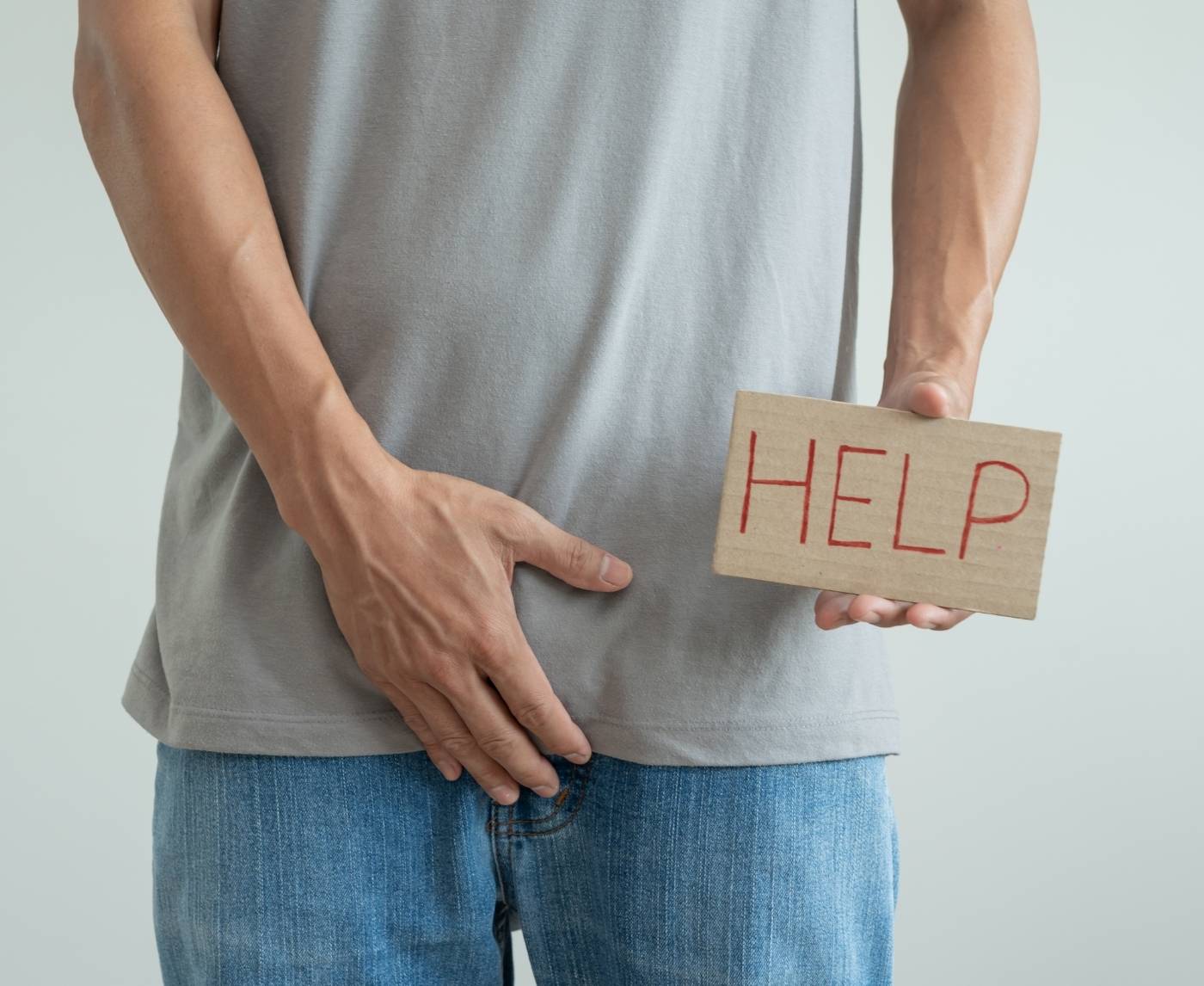

Quick Answer: Pelvic pain after sex can sometimes be caused by STDs such as chlamydia or gonorrhea, especially if they lead to pelvic inflammatory disease. But many cases are linked to non-STD conditions like ovarian cysts, endometriosis, urinary tract infections, or pelvic muscle tension. Testing is the only way to rule out an infection.
Why Pelvic Pain After Sex Happens in the First Place
Sex involves far more than just surface contact. During penetration, the cervix, uterus, pelvic floor muscles, and surrounding ligaments all move slightly. For most people this movement isn’t noticeable. But when something in the pelvis is irritated, inflamed, or already sensitive, intercourse can amplify that discomfort.
Doctors sometimes refer to painful sex as dyspareunia. It’s a clinical term, but the real experience varies wildly. Some people describe a deep cramp afterward. Others feel a sudden stabbing sensation in the lower abdomen. Some notice lingering pressure that lasts for hours.
Those sensations can originate from several places in the body:
| Source of Pain | What It Feels Like | Common Causes |
|---|---|---|
| Cervix | Deep internal pressure or soreness | Infections, cervical inflammation |
| Uterus | Cramping similar to menstrual pain | Endometriosis, fibroids |
| Ovaries | Sharp or one-sided pain | Ovarian cysts |
| Pelvic floor muscles | Tightness or aching after sex | Muscle tension or spasms |
| Fallopian tubes | Deep pelvic pain that worsens over time | Pelvic inflammatory disease |
The important takeaway is that pain alone rarely points to one specific cause. That’s why so many people jump straight to STD fears, because the symptoms are vague enough that it’s hard to rule anything out immediately.
When Pelvic Pain After Sex Is Caused by an STD
Not every sexually transmitted infection causes pelvic pain. In fact, many of the most common STDs cause no symptoms at all in their early stages. But a few infections can eventually irritate the reproductive organs enough to create discomfort during or after sex.
The two infections doctors worry about most in this situation are chlamydia and gonorrhea. Both bacteria infect the cervix and can spread upward into the uterus and fallopian tubes if they go untreated.
When that spread happens, it can trigger a condition called pelvic inflammatory disease (PID). According to the CDC, PID affects more than a million people in the United States every year and is one of the leading causes of pelvic pain associated with sexually transmitted infections.
Here’s where the timeline becomes important. Many people don’t feel anything when they first contract an infection. Weeks or even months later, they might notice subtle signs that something isn’t right.
| Possible Symptom | Why It Happens |
|---|---|
| Pain during or after sex | Inflammation of the cervix or reproductive organs |
| Unusual vaginal discharge | Bacterial infection affecting the cervix |
| Bleeding between periods | Cervical irritation |
| Lower abdominal pressure | Inflammation in the uterus or fallopian tubes |
| Burning when urinating | Infection spreading to nearby tissues |
Even with these clues, diagnosing an STD based on symptoms alone is unreliable. Many infections stay silent, while others mimic everyday conditions like urinary tract infections.
That’s why testing matters. If pelvic pain appears after a new partner or a possible exposure, taking an at-home screening test can provide quick answers without the stress of scheduling a clinic visit. Options like the STD Rapid Test Kits homepage provide discreet testing that can check for multiple infections at once.
Testing isn’t about assuming the worst. It’s about removing the uncertainty that keeps people stuck in that spiral of “what if?”
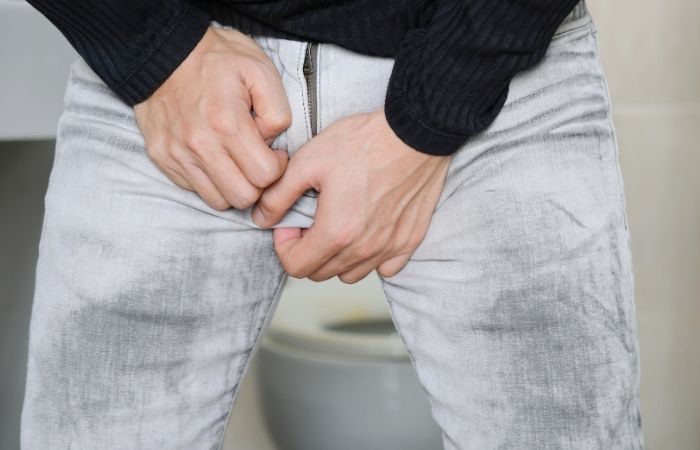
People are also reading: From Oral Sex to Cancer: The Silent Danger of HPV in Men
If It’s Not an STD, What Else Could Be Causing the Pain?
Here’s something most people don’t realize: a large percentage of pelvic pain after sex has nothing to do with sexually transmitted infections. The pelvis is one of the most crowded neighborhoods in the body, organs, muscles, ligaments, and nerves all sitting close together. When something in that system gets irritated, sex can sometimes trigger pain even if infection isn’t involved.
That’s why doctors often think in terms of patterns rather than single symptoms. The timing of the pain, whether it’s sharp or dull, and what other symptoms appear alongside it can point toward completely different explanations.
Several non-STD conditions are especially common.
Ovarian Cysts: The Sudden Sharp Pain Many People Feel
One of the most frequent reasons people feel a sudden stabbing pain after sex is an ovarian cyst. These small fluid-filled sacs form on the ovaries as part of the normal menstrual cycle. Most disappear on their own without ever causing symptoms.
But if a cyst becomes large or shifts slightly during intercourse, it can create a sudden, very noticeable sensation. People often describe it as a sharp jab on one side of the lower abdomen.
A typical description sounds something like this:
“It felt like someone poked me from the inside. It was quick but intense, and then it turned into a dull ache afterward.”
Unlike STD-related pain, cyst discomfort usually:
- Appears on one side of the pelvis
- Happens suddenly
- Doesn’t usually come with discharge or fever
If the pain becomes severe or persistent, a medical evaluation is important, but many cysts resolve without treatment.
Endometriosis: When Sex Triggers Deep Internal Pain
Another common cause of pelvic pain during or after sex is endometriosis. This happens when tissue that is similar to the lining of the uterus grows outside of it, usually on the ovaries, fallopian tubes, or walls of the pelvis.
During the menstrual cycle, those patches of tissue respond to hormones, which can make the pelvis inflamed and sensitive. When sex moves those parts a little, it can cause deep pain inside.
People with endometriosis often describe a different kind of discomfort than infection-related pain.
“It wasn’t sharp, it was this deep cramping pressure that lingered for hours.”
Other clues that endometriosis might be involved include:
- Painful periods
- Chronic pelvic aches
- Pain during bowel movements or menstruation
Endometriosis doesn’t always appear immediately after sex, but intercourse can aggravate the sensitive areas where the tissue has developed.
Check Your STD Status in Minutes
Test at Home with Remedium6-in-1 STD Test Kit
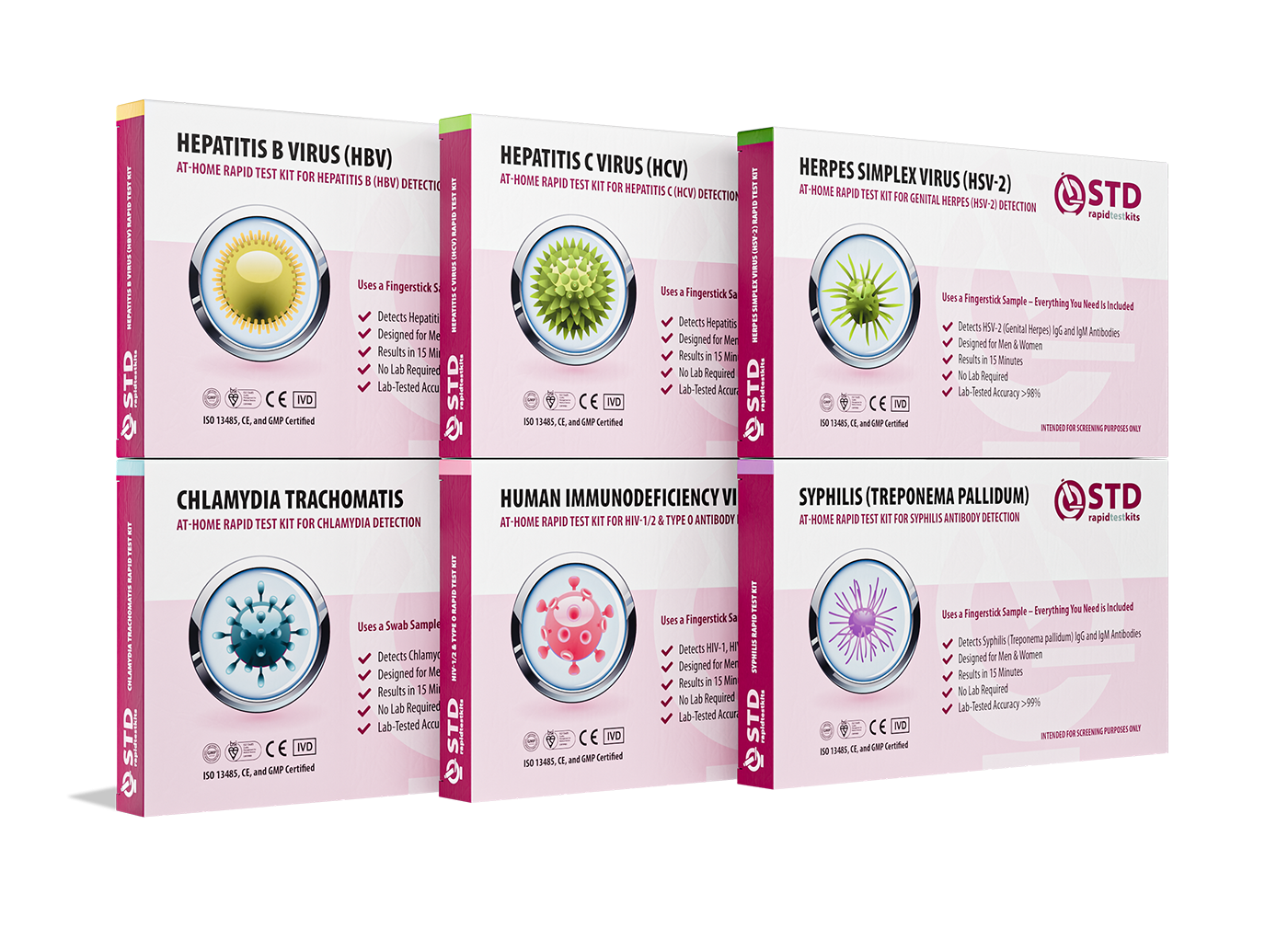
 For Men & Women
 Results in Minutes
 No Lab Needed
 Private & Discreet
Order Now $119.00 $294.00
For all 6 tests
Urinary Tract Infections Can Mimic STD Pain
Another condition that frequently gets confused with STD symptoms is a urinary tract infection. UTIs occur when bacteria enter the urinary system, often through the urethra.
Sex can sometimes push bacteria toward the bladder, which is why some people develop UTIs shortly after intercourse.
The discomfort can feel surprisingly similar to pelvic pain linked to infections in the reproductive system. The key difference is where the irritation originates.
| Feature | UTI | STD Infection |
|---|---|---|
| Burning when urinating | Very common | Sometimes present |
| Pelvic pressure | Common | Possible |
| Abnormal discharge | Rare | More common |
| Bleeding after sex | Unusual | Sometimes occurs |
Both conditions deserve attention, but UTIs are usually treated quickly with antibiotics and tend to improve within a few days.
Pelvic Floor Muscle Tension: The Overlooked Cause
Sometimes pelvic pain after sex isn’t coming from organs at all. It’s coming from muscles.
The pelvic floor is a group of muscles that support the bladder, uterus, and rectum. Like any other muscles in the body, they can tighten, strain, or spasm.
If those muscles are already tense, something that can happen with stress, anxiety, or previous painful experiences, penetration may cause them to contract more strongly. After sex, the muscles can remain sore or tight.
This kind of discomfort often feels different from infection pain. People frequently describe it as:
- A deep aching sensation
- Pressure rather than stabbing pain
- Discomfort that improves with relaxation or warmth
Pelvic floor physical therapy has become one of the most effective treatments for this type of issue, though many people never hear about it until years after symptoms begin.
The Moment the Worry Starts: “What If This Is an STD?”
For many people, pelvic pain after sex isn’t just physical. It triggers a very specific mental spiral. The moment discomfort appears, the brain starts replaying recent sexual encounters, wondering whether something might have been transmitted.
That reaction is incredibly common, especially after a new partner or an experience where protection wasn’t used. But one of the most confusing things about sexually transmitted infections is how quietly they often behave.
Many infections cause no symptoms at all in their early stages. According to the CDC’s guidance on chlamydia, a large percentage of infections show no noticeable signs. The same is true for gonorrhea, which means people often discover the infection only through routine testing.
Pelvic pain, when it appears, usually isn’t the very first sign. Instead, it tends to show up later if inflammation spreads upward into the reproductive organs.
That’s why context matters. Just because you had one episode of pain doesn't mean you have an infection. But in some cases, testing is a good idea.
Situations Where Pelvic Pain After Sex Should Trigger STD Testing
Doctors often recommend testing when pelvic pain appears alongside specific risk factors. These clues don’t guarantee an infection, but they increase the possibility enough that checking becomes the safest option.
| Situation | Why Testing Helps |
|---|---|
| New sexual partner | Exposure risk may be unknown |
| Unprotected sex | Barrier protection wasn't used |
| Unusual discharge or odor | Possible bacterial infection |
| Bleeding after intercourse | Cervical irritation can occur with infection |
| Pain that worsens over several days | Inflammation may be spreading |
If any of these factors are present, testing becomes less about panic and more about simple information. If you know your status, you won't have to guess, and treatment can start right away if necessary.
You can check for several common infections at home with the Combo STD Home Test Kit. You can do it in private or at your own pace
These tests don’t replace medical care, but they can provide an early answer that helps guide the next step.

People are also reading: Got a Positive STD Test? Here’s What Doesn’t Happen Next
Timing Matters: When to Test After Possible Exposure
One of the biggest mistakes people make is testing too soon. Every infection has a window period, the amount of time it takes after exposure for a test to reliably detect it.
If someone tests immediately after sex, the result might appear negative even if an infection is present. Waiting the right amount of time improves accuracy significantly.
| Infection | Earliest Reliable Test Time | Best Testing Window |
|---|---|---|
| Chlamydia | 5–7 days | 2 weeks |
| Gonorrhea | 5–7 days | 2 weeks |
| Syphilis | 3 weeks | 6 weeks |
| HIV | 2 weeks | 6 weeks |
This timeline is why many doctors recommend testing about two weeks after a possible exposure and repeating tests later if symptoms continue.
A Quick Real-World Scenario
Lena, 27, noticed a deep cramp in her lower abdomen after sex with a new partner. It wasn’t severe, but it lingered the next morning, which immediately made her nervous.
“I kept Googling pelvic pain after sex and every result mentioned STDs. I convinced myself I had one within about fifteen minutes.”
She decided to test two weeks later. The results were negative. A follow-up visit with her doctor revealed the real culprit: a small ovarian cyst that had likely shifted during intercourse.
“I realized how quickly fear can jump ahead of reality. Testing gave me peace of mind.”
Stories like this happen every day. Sometimes pelvic pain does turn out to be an infection that needs treatment. But just as often, it turns out to be something entirely different.
When Pelvic Pain After Sex Is a Signal to See a Doctor
Occasional pelvic discomfort after sex can happen for many harmless reasons. But there are situations where pain is your body’s way of saying something more serious is going on.
Doctors usually pay close attention to pelvic pain when it appears alongside certain warning signs. These symptoms don’t automatically mean an STD, but they do suggest inflammation or infection that deserves medical attention.
| Symptom | Why It Matters |
|---|---|
| Fever or chills | Possible infection spreading through the pelvis |
| Severe abdominal pain | Could indicate cyst rupture or advanced inflammation |
| Heavy bleeding after sex | May signal cervical irritation or infection |
| Pain that worsens over several days | Possible pelvic inflammatory disease |
| Nausea or vomiting with pelvic pain | Possible ovarian torsion or serious cyst problems |
If you see any of these signs, you should see a doctor right away. Getting treatment early can stop problems from getting worse and make the pain go away much faster.
Check Your STD Status in Minutes
Test at Home with Remedium8-in-1 STD Test Kit
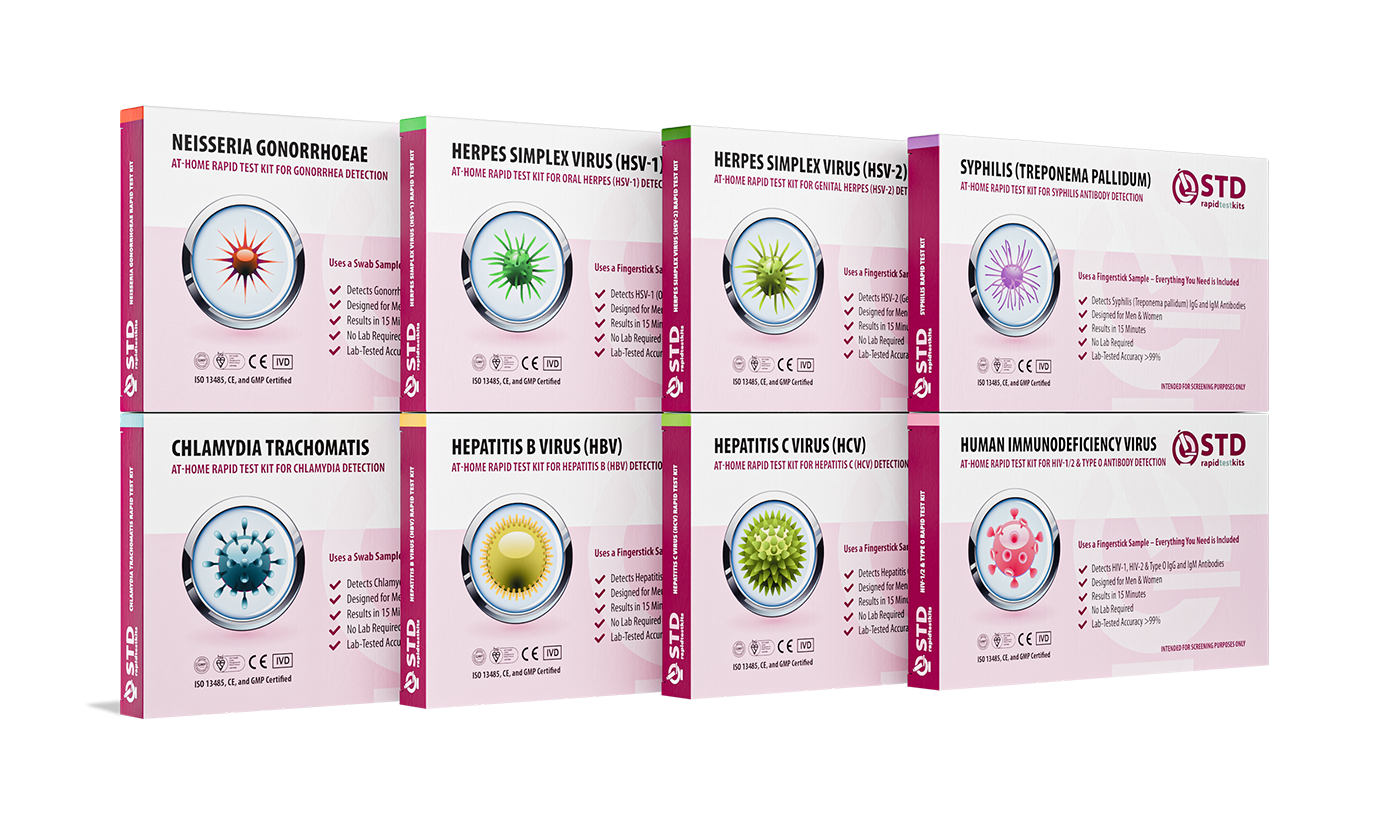 For Men & WomenResults in MinutesNo Lab NeededPrivate & Discreet
Order Now $149.00 $392.00
For all 8 tests
When Post-Sex Pelvic Pain Is Usually Temporary
Not every ache after sex signals a problem. Most of the time, the pain goes away in a few hours and doesn't come back. That pattern usually means that something is bothering you for a short time instead of being sick.
Some normal situations that can cause brief pelvic soreness include deeper penetration, longer sexual activity than usual, or sex during certain phases of the menstrual cycle when the cervix is more sensitive.
Hormonal shifts can also make the pelvis more reactive. Around ovulation, for example, the ovaries may already be slightly swollen. Intercourse can amplify that sensation briefly.
Temporary discomfort often improves with simple steps such as resting, using warmth on the lower abdomen, or adjusting sexual positions in the future.
FAQs
1. Can an STD actually cause pelvic pain after sex?
It can, but it’s not the most common reason. Infections like chlamydia or gonorrhea can irritate the cervix and, if untreated, lead to pelvic inflammatory disease. When that happens, sex can press on already inflamed tissue and trigger pain. But plenty of non-STD issues, like ovarian cysts or muscle tension, can feel almost identical at first.
2. I had pelvic pain after sex once. Should I panic?
No. One isolated episode usually isn’t a red flag. Sometimes the cervix just gets bumped a little harder than usual, or the pelvic muscles tighten during sex and complain afterward. If it keeps happening, gets worse, or shows up with things like unusual discharge or fever, that’s when it’s worth checking in with a doctor or taking a test.
3. What STD is most likely to cause pelvic pain?
The two doctors think about first are chlamydia and gonorrhea. Not because they always cause pain, they often don’t, but because untreated infections can move upward into the reproductive organs and cause pelvic inflammatory disease. That’s when deeper pelvic aches or pain during sex can start showing up.
4. Can ovarian cysts really cause pain after sex?
Absolutely. Ovarian cysts are actually one of the most common explanations. If a cyst gets nudged during intercourse, you might feel a sudden sharp jab on one side of your pelvis followed by a dull ache. It can be alarming, but many cysts shrink and disappear on their own.
5. Why does it sometimes feel like cramps after sex?
The uterus can contract a little during orgasm or deep penetration, which can lead to cramps afterward, kind of like mild period pain. Around the time of ovulation, the ovaries may be more sensitive, which can make sex painful in the pelvis for a short time.
6. Could this just be a UTI instead of an STD?
Yes, and it happens more often than people realize. UTIs can cause pelvic pressure, burning when you pee, and discomfort after sex because bacteria sometimes move toward the bladder during intercourse. The symptoms can overlap enough with STDs that testing is sometimes the only way to tell them apart.
7. If I have pelvic pain after sex because of an STD, would I have other symptoms?
Sometimes, but not always. Some people notice unusual discharge, bleeding after sex, or burning when urinating. Others feel completely normal except for pelvic discomfort. That’s why relying on symptoms alone isn’t reliable; many infections stay quiet for a long time.
8. When should I actually get tested?
If the pain started after sex with a new partner, after unprotected sex, or alongside symptoms like discharge or bleeding, testing is a smart move. Even if the result comes back negative, it gives you clarity, and peace of mind, which is worth a lot when your brain starts running worst-case scenarios.
9. How do I know if pelvic pain after sex is bad?
Be aware of the timing and intensity. Pain that goes away in a few hours is usually just an annoying thing. But if it becomes severe, keeps coming back, or shows up with fever, heavy bleeding, nausea, or worsening cramps, that’s your cue to get medical help sooner rather than later.
10. Is pelvic pain after sex something people just have to live with?
Definitely not. Pain is information, not something to ignore. Whether the cause turns out to be an infection, a cyst, endometriosis, or even tight pelvic floor muscles, there are treatments and solutions available. The hardest part is usually just figuring out what your body is trying to tell you.
You Deserve Clarity, Not Guesswork
Pelvic pain after sex can be scary because you don't always know what's causing it. It could just be a temporary annoyance or a sensitive time in your cycle. Sometimes, your body is trying to tell you that something more serious, like an infection, inflammation, or an ovarian problem, needs your attention.
The goal isn’t to assume the worst every time your body reacts. The goal is to separate signal from noise. If the pain was a one-time thing and fades quickly, it may not mean much. But if it keeps happening, appears after a new partner, or shows up alongside symptoms like unusual discharge or bleeding, that’s your cue to investigate.
Don’t sit in the uncertainty longer than you have to. If infection is even a small possibility, start with a discreet screen like the Combo STD Home Test Kit. Your results stay private. Your next steps become clear. And clarity always feels better than guessing.
How We Sourced This Article: This guide has all the peer-reviewed gynecological research, clinical advice on STIs and pelvic pain, and public health resources you need in one place. We looked at medical research on pelvic inflammatory disease, dyspareunia, ovarian cysts, and pelvic pain patterns that are linked to infections to make sure the information was correct and easy to understand. The clinical distinctions articulated in this article were derived from data provided by organizations such as the CDC, Mayo Clinic, NHS, and WHO.
Sources
1. Centers for Disease Control and Prevention – Chlamydia Fact Sheet
2. Centers for Disease Control and Prevention – Gonorrhea Fact Sheet
3. Centers for Disease Control and Prevention – Pelvic Inflammatory Disease (PID)
4. Mayo Clinic – Chronic Pelvic Pain Overview
5. World Health Organization – Sexually Transmitted Infections Fact Sheet
7. NHS – Pelvic Inflammatory Disease (PID)
About the Author
Dr. F. David, MD is a board-certified infectious disease specialist focused on sexually transmitted infections, testing accessibility, and prevention. His work blends clinical expertise with clear, stigma-free education designed to help people make informed decisions about their sexual health.
Reviewed by: Michael R. Levin, MD, Gynecology | Last medically reviewed: February 2026
This article is for informational purposes only and does not replace professional medical advice.


