





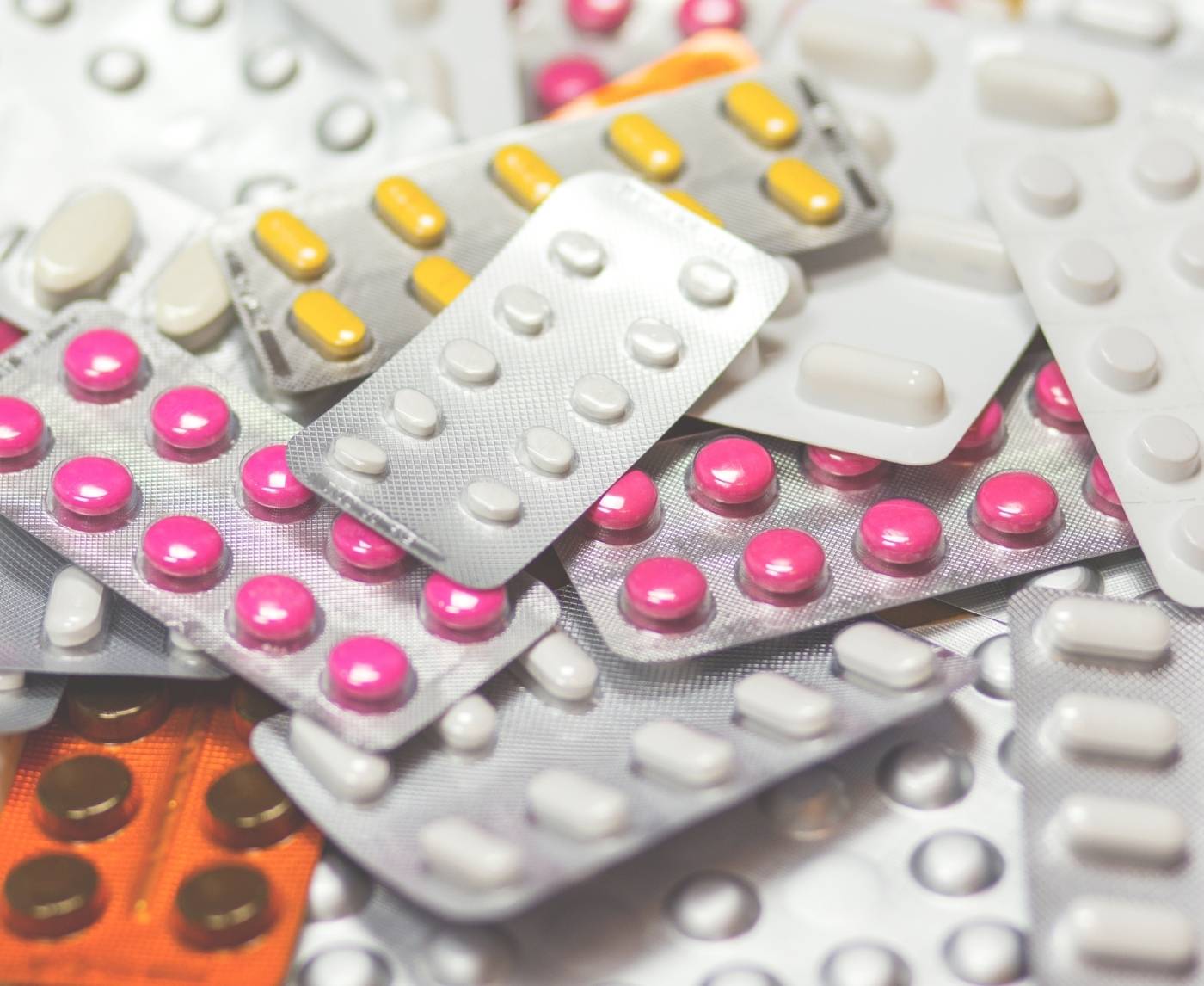

Quick Answer: Yes, antibiotics can sometimes reduce bacteria enough to affect certain bacterial STD test results, especially if taken shortly before testing. They do not affect viral STD tests like HIV or herpes, but they may increase the chance of a false negative for infections like chlamydia or gonorrhea if timing is off.
The Short, Honest Truth About Antibiotics and STD Testing
Antibiotics do not magically erase infections overnight. They also do not make your body invisible to testing. What they can do, depending on the infection, the type of antibiotic, and the timing, is temporarily lower the amount of bacteria in your system.
Most modern tests for chlamydia and gonorrhea use NAAT technology, which looks for genetic material from the bacteria. That means the test is not checking whether you “feel sick.” It is looking for the organism’s DNA. If enough bacteria are still present, the test will detect it. If antibiotics have already reduced the bacterial load significantly, detection becomes less predictable.
That is where the false negative fear comes from. It is not that antibiotics flip a switch and hide infection. It is that partial treatment can muddy the waters if you test too soon.
Now here is the grounding part: this only applies to bacterial STDs. Viral infections like HIV, herpes, and hepatitis B are not affected by antibiotics at all. Antibiotics do not touch viruses. They cannot suppress them, disguise them, or interfere with how viral antibody or antigen tests work.
What Actually Changes When You Take Antibiotics Before Testing?
Imagine this scenario. Marcus wakes up with mild discharge three days after a new partner. He panics, calls his cousin who once had chlamydia, and takes leftover azithromycin. Two days later, the discharge fades. He feels relieved, and confused. A week later he tests negative. Did he cure it? Did the antibiotic hide it? Did he just get lucky?
The answer depends on when and how much you take. A full, correct course of antibiotics for a confirmed infection is meant to get rid of it. But giving the wrong amount of medicine or not enough of it may only lower the number of bacteria without getting rid of the infection completely. A false negative can happen when the number of bacteria drops below the level that the test can find.
Here is how different categories of STDs behave in the presence of antibiotics:
| Infection Type | Examples | Are Antibiotics Effective? | Can Antibiotics Affect Test Results? |
|---|---|---|---|
| Bacterial | Chlamydia, Gonorrhea, Syphilis | Yes | Yes, if taken shortly before testing and bacterial load decreases |
| Viral | HIV, Herpes, Hepatitis B | No | No impact on antibody or antigen tests |
| Parasitic | Trichomoniasis | Sometimes (specific meds required) | Unlikely unless correct treatment was taken |
The biggest risk of a false negative happens when someone takes antibiotics in the early stage of a bacterial infection and tests during that gray zone where bacteria are suppressed but not eradicated.
And this is important: symptom relief does not equal cure. Antibiotics can reduce inflammation quickly. Discharge might stop. Burning might calm down. That does not guarantee the infection is gone.
People are also reading: No Symptoms, Still Positive: How HIV Hides in Plain Sight
The Timing Problem Most People Don’t Think About
There are two clocks running when it comes to STD testing: the incubation period and the window period. Most people only hear about one of them. Both matter.
The incubation period is the time between exposure and when symptoms appear. The window period is the time between exposure and when a test can reliably detect infection. Antibiotics complicate this if taken during early incubation, because they can interfere with bacterial replication before the test window fully matures.
Picture Ava. She has sex on Friday. She starts amoxicillin on Monday for a sinus infection. On Wednesday she feels slight pelvic discomfort and schedules an STD test for Thursday. If she contracted chlamydia, the bacteria may not yet be present in high enough numbers for reliable detection. Add antibiotics to that mix, and the chances of an early false negative increase.
That doesn’t mean testing was pointless. It means timing might need adjustment.
| STD | Earliest Reliable Detection | Peak Accuracy Window | Antibiotics May Interfere? |
|---|---|---|---|
| Chlamydia | 7 days post exposure | 14 days+ | Yes, if taken before testing |
| Gonorrhea | 7 days post exposure | 14 days+ | Yes, if taken before testing |
| Syphilis | 3 weeks | 6 weeks+ | Possibly, depending on stage |
| HIV | 10–33 days (RNA); 18–45 days (Ag/Ab) | 6 weeks+ | No |
The most common mistake is testing too early, then assuming antibiotics caused the negative result. In reality, it may have been the window period alone.
Rapid Tests vs Lab Tests After Antibiotics: Does Accuracy Change?
When people worry about a false negative STD test after antibiotics, what they’re really asking is whether one type of test is “stronger” than another. The truth is more nuanced. It is not about strength. It is about what the test detects and when.
Most clinic and mail-in lab tests for chlamydia and gonorrhea use NAAT technology. These tests are highly sensitive because they amplify bacterial genetic material. Even small amounts can be detected if present in the sample. Rapid antigen-based tests, on the other hand, detect proteins produced by the bacteria. If bacterial levels have dropped due to partial antibiotic treatment, antigen detection may be less reliable.
But here is the grounding detail that matters: if antibiotics have fully cleared the infection, both tests should be negative. If antibiotics have only partially suppressed it, either test could theoretically miss it depending on timing and bacterial load.
Picture Jordan sitting in his car outside a pharmacy parking lot, staring at a rapid test cassette. He took doxycycline for acne all week. He had unprotected sex two weeks ago. The test reads negative. His brain whispers, “Did the doxy mess this up?” The better question is this: Was there enough time after exposure for the infection to become detectable in the first place?
| Test Type | What It Detects | Sensitivity to Low Bacterial Levels | Impact of Recent Antibiotics |
|---|---|---|---|
| Rapid Antigen Test | Bacterial proteins | Moderate | May miss infection if bacterial load reduced |
| NAAT / PCR Lab Test | Bacterial genetic material | High | Less likely to miss low levels, but early timing still matters |
| Viral Antibody/Antigen Test | Immune response or viral proteins | High | No impact from antibiotics |
The takeaway is not that rapid tests are unreliable. It is that timing always outranks test type. Testing too soon after exposure, especially after starting antibiotics, is the bigger variable.
If you need structured timing and discretion, options like the Combo STD Home Test Kit allow you to plan testing around accurate windows instead of testing impulsively during peak anxiety.
Check Your STD Status in Minutes
Test at Home with Remedium7-in-1 STD Test Kit

 For Men & Women
 Results in Minutes
 No Lab Needed
 Private & Discreet
Order Now $129.00 $343.00
For all 7 tests
Specific Antibiotics People Worry About (And What They Actually Do)
There are three medications that show up in Google searches more than any others when people type “antibiotics affect STD test.” Doxycycline. Azithromycin. Amoxicillin. Each one deserves clarity.
Doxycycline is commonly prescribed for acne and is also part of first-line treatment for chlamydia. If someone is already taking doxycycline daily and contracts chlamydia, the medication could reduce bacterial replication. That does not mean the infection disappears instantly. It means testing during that suppression phase may require follow-up testing to confirm clearance.
Azithromycin used to be a common one-dose treatment for chlamydia. A single leftover pill, however, is not equivalent to a prescribed therapeutic dose. Partial dosing may reduce symptoms without reliably curing infection, increasing confusion when a test comes back negative too early.
Amoxicillin is where UTI confusion often begins. It is prescribed for sinus infections, ear infections, dental procedures. It is not considered first-line treatment for most STDs. People often assume any antibiotic will wipe out an STD. That is not how it works. Taking amoxicillin for a sinus infection does not reliably treat gonorrhea or chlamydia, though it could potentially alter bacterial levels temporarily.
Think of antibiotics like turning down the volume, not necessarily shutting off the music. If the test listens during that quiet moment, detection becomes less predictable. But if the infection persists, the music comes back up.
If You Already Tested Negative After Antibiotics, Here’s How to Think Clearly
This is the moment where most people need steady reassurance, not panic. A negative result after antibiotics does not automatically mean it is wrong. It means you need to evaluate timing.
Ask yourself three questions. How long after exposure did you test? Were you still taking antibiotics at the time of testing? And did you complete a full therapeutic course designed for that specific STD?
Let’s walk through a grounded scenario. Nina had sex on June 1st. She started doxycycline on June 3rd for acne. She tested for chlamydia on June 10th and received a negative result. That is nine days post exposure. While early detection can occur at seven days, peak accuracy is closer to fourteen days. The most reasonable course here is retesting at the two-week mark for confirmation, not spiraling into worst-case assumptions.
On the other hand, if someone tested four weeks after exposure and completed a proper antibiotic regimen, a negative result is far more reassuring.
This is why structured retesting matters. If uncertainty is lingering, testing again at the peak window provides clarity instead of doubt. And clarity is what actually quiets anxiety, not guessing.
When Retesting Is the Smart Move
Retesting is not an admission that you did something wrong. It is a way to confirm biological reality. Most clinical guidelines recommend retesting for bacterial STDs around three months after treatment to check for reinfection, but earlier confirmation testing may be appropriate if antibiotics were taken before the initial test.
Imagine someone who took leftover azithromycin two days after exposure, tested at day eight, and received a negative result. In that case, retesting at day fourteen to twenty-one offers a much more reliable answer. The difference between day eight and day fourteen may not feel dramatic emotionally, but biologically it is significant.
The body operates on replication cycles, not panic timelines.
If you want testing that aligns with those windows instead of racing ahead of them, STD Rapid Test Kits provides discreet options that let you choose the right moment rather than the most anxious one.
People are also reading: Confused About PEP and PrEP? Here’s the One You Might Need Today
The Spiral: “Did I Ruin My Test?”
This is where the emotional part hits hardest. It’s not just about bacteria or detection thresholds. It’s about regret. It’s about that moment when you think, “If I had just waited… if I hadn’t taken that pill… if I didn’t panic.”
I’ve seen this pattern over and over. Someone takes antibiotics because they feel scared and want control. Then they test. Then the negative result doesn’t feel like relief, it feels suspicious. Instead of calm, they feel stuck in uncertainty.
Here is what matters most: taking antibiotics before a test does not permanently damage your ability to get accurate results. It does not make your body unreadable. It does not create some invisible STD stealth mode.
It can change timing. That’s it.
When people understand that the issue is about when to test, not whether testing works, the panic usually softens. This becomes less about “I ruined everything” and more about “Okay, I need to retest at the right time.” That is a solvable problem.
What Antibiotics Do NOT Affect (And This Is Important)
Let’s anchor something clearly because anxiety loves to blur categories. Antibiotics do not affect viral STD tests. Not a little. Not indirectly. Not in a “maybe” way.
If you are worried about HIV, antibiotics do not alter RNA tests, antigen/antibody tests, or antibody-only tests. These tests detect viral material or your immune response. Antibiotics do not interfere with either mechanism.
The same applies to herpes antibody tests and hepatitis B screening. Those rely on immune markers. Your immune system does not forget how to respond because you took amoxicillin for a sinus infection.
Sometimes people bundle all STDs into one mental category. But biologically, they behave very differently. The bacteria that cause chlamydia and gonorrhea respond to antibiotics. Viruses do not. That distinction removes a massive amount of unnecessary fear.
If your primary concern is HIV exposure, antibiotics taken afterward do not cause false negatives. Timing relative to exposure is what determines HIV test accuracy, not antibiotic use.
The Risk of Partial Treatment (And Why It’s Not Just About Testing)
There is another layer here that rarely gets discussed openly. Partial treatment does not just complicate testing. It can complicate the infection itself.
Antibiotics given at doses that are not strong enough to kill all bacteria may not work. The symptoms may get better for a while. But if you don't finish your treatment, the bacteria that are still alive can stay alive. In some cases, this contributes to antibiotic resistance, which is already a serious concern, particularly with gonorrhea.
Think about that for a moment. The bigger risk is not that you “hid” the infection from a test. The bigger risk is that incomplete treatment allowed it to linger.
That is why self-medicating with leftover antibiotics is not ideal. It feels proactive, but it is rarely precise. STD treatment guidelines are specific for a reason. Dose matters. Duration matters. Confirmation matters.
This is not about shame. It is about clarity. If you suspect exposure, the cleanest path is accurate testing followed by proper treatment if needed. When that sequence stays intact, both your health and your test results are easier to trust.
Check Your STD Status in Minutes
Test at Home with Remedium8-in-1 STD Test Kit
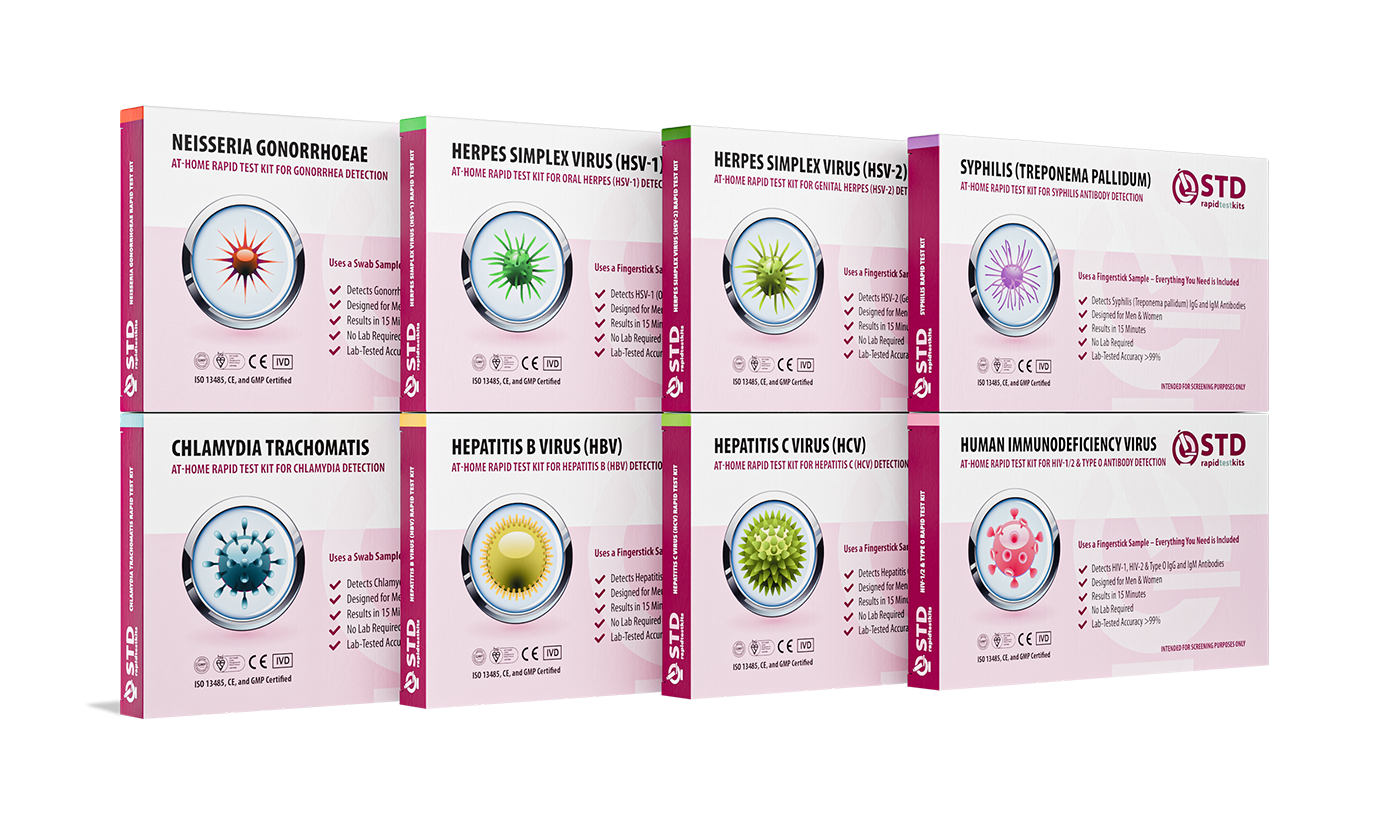 For Men & WomenResults in MinutesNo Lab NeededPrivate & Discreet
Order Now $149.00 $392.00
For all 8 tests
Putting It All Together Without Panic
If you took antibiotics before your STD test, here is the grounded summary. For bacterial infections like chlamydia and gonorrhea, recent antibiotic use can potentially reduce bacterial load and slightly increase the chance of a false negative if testing occurs very early. For viral infections like HIV or herpes, antibiotics do not affect results at all.
The variable you control is timing. If your initial test was within the early detection window or during active antibiotic use, retesting at the peak window provides reassurance grounded in biology, not fear.
Clarity is powerful. Guessing is not.
If uncertainty is keeping you awake at night, choosing a properly timed test through STD Rapid Test Kits allows you to retest discreetly and confidently. Peace of mind should not require another clinic visit if you do not want one. It just requires the right timing.
FAQs
1. Okay, be honest. Can antibiotics actually cause a false negative STD test?
They can, but only in specific situations. If you took antibiotics that treat bacterial STDs, like doxycycline for chlamydia, and you tested very early after exposure, the medication might lower bacterial levels enough to affect detection. That doesn’t mean the infection is magically invisible. It just means timing matters more than most people realize.
2. I took antibiotics before I even had symptoms. Did I mess everything up?
You didn’t ruin anything. You changed the timeline. That’s it. If you tested too soon after exposure while on antibiotics, the smartest move is simply to retest at the peak window. This is a biology issue, not a moral failure.
3. If my symptoms went away after antibiotics, doesn’t that mean I’m cured?
Not necessarily. Symptoms are dramatic. Bacteria are quieter. Antibiotics can reduce inflammation fast, which makes discharge or burning calm down. But symptom relief doesn’t guarantee full eradication. A properly timed test is what confirms that.
4. What about HIV? I took amoxicillin, could that mess up my HIV test?
No. Antibiotics do not interfere with HIV testing. HIV tests look for viral particles or your immune response. Amoxicillin doesn’t touch either of those systems. If you’re worried about HIV, your focus should be on testing window periods, not antibiotics.
5. I tested negative after taking doxycycline. Should I trust it?
Trust it based on timing, not fear. If your test was done two or more weeks after exposure for chlamydia or gonorrhea, it’s generally reliable. If you tested at day five while still on antibiotics, retesting gives you stronger confirmation. Confidence comes from alignment with biology, not blind faith.
6. Can taking leftover antibiotics make an STD harder to treat later?
Incomplete or incorrect dosing can contribute to antibiotic resistance, especially with infections like gonorrhea. That doesn’t mean one pill doomed you. It means proper medical treatment matters. If you’re unsure, testing and following current treatment guidelines keeps you protected.
7. Do rapid tests get affected more than lab tests?
Sometimes rapid tests are slightly more sensitive to low bacterial levels because they detect proteins instead of amplified genetic material. But the real driver is still timing. A perfectly timed rapid test is far more reliable than an early lab test taken in panic.
8. I’m spiraling. How do I know if I need to retest?
If you tested very early after exposure, or while actively taking antibiotics that treat bacterial STDs, retesting at the recommended window is reasonable. If you tested weeks later and completed appropriate treatment, you can breathe. The goal is clarity, not perfection.
9. Can antibiotics prevent an STD from showing up on a test forever?
No. They cannot permanently hide an infection. Either the bacteria are gone, in which case the negative result is accurate, or they’re still present, and properly timed testing will detect them. There is no stealth mode.
10. What’s the smartest move if I’m unsure?
Pause. Check your exposure date. Count forward to the reliable testing window. Then test with intention instead of urgency. Peace of mind isn’t about rushing, it’s about choosing the right moment.
You Deserve Clarity, Not Guesswork
Taking antibiotics before an STD test does not mean you ruined your results. It means you may need to adjust timing. That is manageable. That is solvable.
If doubt is lingering, the strongest move is simple: retest at the appropriate window. The Combo STD Home Test Kit checks for multiple common infections discreetly, allowing you to confirm results without added stress. Your health is not a moral issue. It is a practical one. And practical problems have practical solutions.
How We Sourced This Article: This article was built using current clinical guidelines from major public health authorities, peer-reviewed infectious disease research, and real-world patient concerns frequently raised in testing settings. We focused on how antibiotics interact with bacterial detection methods, current STD testing window recommendations, and treatment standards.
Sources
1. CDC Sexually Transmitted Infection Treatment Guidelines
2. CDC's advice on NAAT testing for STDs
3. World Health Organization STI Fact Sheet
4. Sexually Transmitted Infections (STIs) – NHS
7. Gonorrhea: Diagnosis and Treatment – Mayo Clinic
8. Sexually Transmitted Infections – National Institute of Allergy and Infectious Diseases (NIH)
About the Author
Dr. F. David, MD is a board-certified infectious disease specialist focused on STI prevention, diagnosis, and treatment. He combines clinical precision with a sex-positive, judgment-free approach to help readers make informed decisions about their health.
Reviewed by: A. Martinez, PA-C | Last medically reviewed: February 2026
This article is for informational purposes and does not replace medical advice.


