





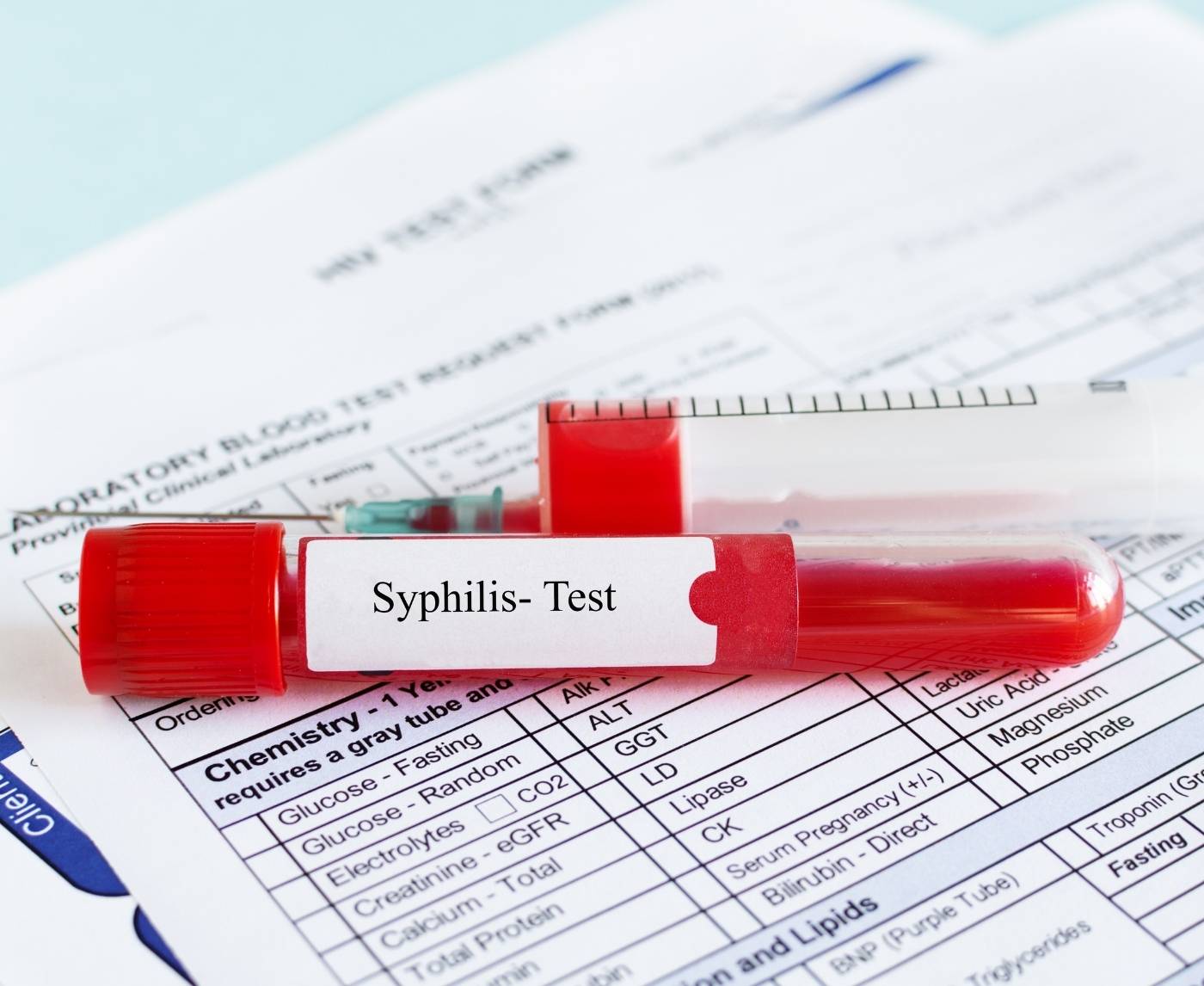

Quick Answer: Syphilis treatment usually involves one or more penicillin injections, depending on the stage of infection. Early syphilis is typically cured with a single shot, while later stages may require three weekly injections, followed by blood tests to confirm the infection is resolving.
The Moment You Find Out: Panic, Shame, and a Lot of Questions
When people hear “You tested positive for Syphilis,” the reaction is rarely calm. I’ve seen it in clinic rooms. I’ve heard it in whispers on the phone. There’s often a flash of embarrassment, then fear, then a sudden replay of every sexual encounter from the last year.
One patient once told me, “I felt like the word itself was medieval. Like I’d caught something from a history book.” That reaction is common. The name carries stigma, even though today it’s a treatable bacterial infection caused by Treponema pallidum.
What matters now is this: syphilis is curable, especially when caught in early stages. Treatment works. The key is timing, adherence, and follow-up.
How Is Syphilis Treated? The Shot Everyone Worries About
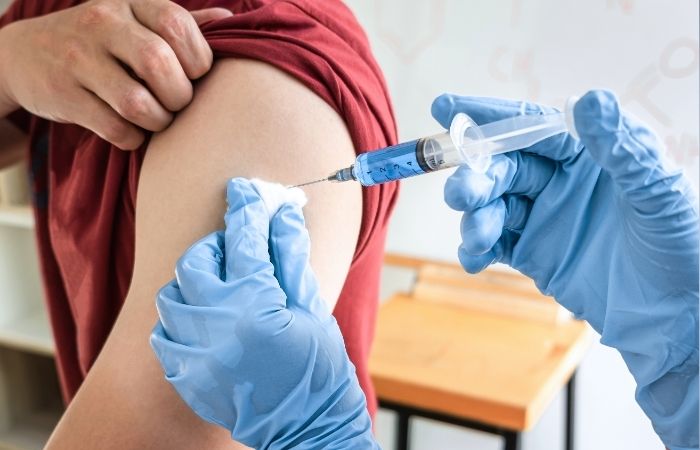
Let’s talk about the thing most people fixate on: the penicillin injection. Yes, it’s a shot. Yes, it goes into a large muscle, usually the upper outer buttock. And yes, it can feel sore afterward. But it is not a punishment, and it is not unbearable.
For early-stage Syphilis, primary, secondary, or early latent, the standard treatment is a single intramuscular injection of benzathine penicillin G. That’s it. One visit. One shot.
For late latent syphilis or infection of unknown duration, treatment usually involves three injections given once weekly for three weeks. The schedule matters because the bacteria replicate slowly, and sustained antibiotic exposure ensures complete eradication.
| Stage of Syphilis | Typical Treatment | Number of Injections | Follow-Up Needed |
|---|---|---|---|
| Primary | Benzathine penicillin G (IM) | 1 | Blood tests at 6 and 12 months |
| Secondary | Benzathine penicillin G (IM) | 1 | Blood tests at 6 and 12 months |
| Early Latent | Benzathine penicillin G (IM) | 1 | Blood tests at 6 and 12 months |
| Late Latent | Benzathine penicillin G (IM) | 3 (weekly) | Blood tests at 6, 12, and 24 months |
The injection itself takes seconds. The soreness can last a day or two. Some people describe it as a deep muscle ache. One patient laughed afterward and said, “I was way more scared than the shot deserved.” That’s often the case.
People are also reading: The Condom Illusion: Why “Protected” Sex Doesn’t Guarantee Safety
What the Shot Feels Like (And What It Doesn’t)
You’ll likely be asked to lie on your side. The nurse cleans the area. The medication is thick, so it’s delivered slowly. You might feel pressure more than sharp pain. Afterward, the muscle may feel heavy or tender, like you did a tough leg workout.
What it doesn’t feel like is instant relief. Antibiotics begin working quickly at a cellular level, but symptoms may take days or weeks to fully resolve. If you had a rash from secondary Syphilis, it won’t disappear in an hour. Healing takes time.
And here’s something many people aren’t warned about: you might feel flu-like symptoms within 24 hours. That’s called the Jarisch-Herxheimer reaction. It’s temporary. Fever, chills, body aches. It means bacteria are dying off. It usually resolves within a day.
How Long Until It’s Gone? Understanding the Timeline
This is the question people ask in hushed voices: “Does syphilis go away immediately after treatment?” The bacteria stop multiplying quickly once antibiotics are administered, but your body still needs time to clear remnants and inflammation.
Symptoms often improve within days to weeks. Blood tests, however, tell the real story. Doctors measure titers, which should gradually decline over months. You don’t watch the rash alone. You watch the numbers.
| Time After Injection | What’s Happening Internally | What You Might Notice |
|---|---|---|
| 24–48 hours | Bacteria begin dying | Possible fever or fatigue |
| 1–2 weeks | Inflammation decreases | Rash or sores improve |
| 3–6 months | Antibody levels decline | No visible symptoms |
| 6–12 months | Titers drop significantly | Follow-up blood confirmation |
You’re generally considered non-contagious after completing treatment and once lesions have healed, but your healthcare provider will guide you. Follow-up testing is not optional. It’s how we confirm cure.
Can Syphilis Come Back After Treatment?
This fear is real. And it deserves clarity. Syphilis does not “come back” on its own if properly treated. However, you can become reinfected if exposed again. The bacteria doesn’t grant immunity just because you’ve had it before.
I’ve seen couples navigate this. One partner gets treated. The other hasn’t tested yet. They resume intimacy too soon. Months later, another positive result appears. That isn’t treatment failure. It’s reinfection.
Partner testing and treatment are critical. Healing isn’t just about your body. It’s about your network.
What If You Found Out Through an At-Home Test?
Many people first learn their status through an at-home STD testing kit. It’s discreet. It’s private. And for some, it’s the only accessible option. If you used an at-home syphilis rapid test and saw a positive result, confirmatory testing with a healthcare provider is essential before treatment begins.
If your anxiety is spiraling, remember this: clarity is power. If you haven’t tested yet but are worried about exposure, a Combo STD Home Test Kit can screen for multiple infections privately and quickly. Peace of mind is one test away.
Check Your STD Status in Minutes
Test at Home with Remedium6-in-1 STD Rapid Test Kit

 For Men & Women
 Results in Minutes
 No Lab Needed
 Private & Discreet
Order Now $119.00 $294.00
For all 6 tests
The Emotional Aftermath: You’re Still You
One patient told me quietly, “I thought this meant I was reckless.” But infections are about biology, not morality. You can use protection. You can be careful. You can still get exposed. That’s how transmission works.
Treatment is medicine, not judgment. And once it’s done, you move forward informed, not stained. Most people who receive prompt syphilis treatment never experience long-term complications.
The real danger isn’t the shot. It’s delaying care because of shame.
When Are You No Longer Contagious?
This is one of the first questions people ask after the injection. Not because they’re reckless, but because they care. They’re thinking about partners. They’re thinking about disclosure. They’re thinking about whether a kiss, a hookup, or even skin-to-skin contact could still pass something on.
In general, after appropriate syphilis treatment and once any visible sores have healed, the risk of transmission drops dramatically. However, doctors typically recommend abstaining from sexual contact for at least 7 days after treatment and until all lesions are fully resolved. If you’re in the middle of the three-week injection schedule for late-stage infection, that waiting period stretches accordingly.
I once had a patient sit in their car after treatment and text their partner: “I got treated today. Let’s pause until my follow-up.” That pause wasn’t weakness. It was responsibility. And that’s what stops reinfection cycles.
Follow-Up Blood Tests: The Part Nobody Talks About
The injection is dramatic. The follow-up labs are quiet. But they matter just as much. Syphilis is monitored through blood tests that measure antibody titers. These numbers don’t drop overnight. They decline gradually over months.
Doctors usually schedule follow-up testing at 6 and 12 months for early-stage infections. For late latent cases, monitoring can extend to 24 months. What clinicians look for is at least a fourfold decline in titers, which signals successful treatment.
Here’s where anxiety creeps in: sometimes titers remain detectable at low levels even after cure. That doesn’t mean active infection. It can reflect immune memory. This is why interpretation should always happen with a healthcare provider who understands your baseline levels.
| Stage Treated | First Follow-Up | Second Follow-Up | Expected Titer Change |
|---|---|---|---|
| Primary or Secondary | 6 months | 12 months | Fourfold decline |
| Early Latent | 6 months | 12 months | Fourfold decline |
| Late Latent | 6 months | 12 & 24 months | Gradual decline |
Think of it like watching a bruise fade. It doesn’t vanish instantly. It lightens slowly. The numbers follow a similar arc.
People are also reading: I Was on the Pill and Still Got an STD, What I Wish I Knew
What If You’re Allergic to Penicillin?
This is less common than people think, but it’s important. If you have a true penicillin allergy, alternative antibiotics may be used in some cases. However, for pregnant individuals or certain stages of Syphilis, penicillin remains the gold standard.
In pregnancy especially, desensitization to penicillin is often recommended because it’s the only proven treatment to prevent congenital syphilis. That process sounds intimidating, but it’s done under medical supervision and has been safely used for decades.
The key is honesty. Tell your provider about previous reactions. Not every childhood rash was a true allergy. And not every allergy eliminates treatment options.
Pregnancy and Syphilis Treatment: Higher Stakes, Clear Plan
If you're pregnant and test positive, you might feel even more scared. Now it’s not just about you. It’s about the baby. But here’s the grounded truth: prompt syphilis treatment during pregnancy dramatically reduces the risk of transmission to the fetus.
The earlier treatment happens, the better. Monitoring will be more frequent. Follow-up blood work matters even more. But the path forward is clear and medically well established.
I’ve watched patients go from tears to relief in a single appointment once they understood that treatment protects both bodies. Knowledge replaces panic.
What Happens If You Delay Treatment?
This isn’t meant to scare you. It’s meant to be factual. Untreated Syphilis can progress through stages. Early symptoms like sores and rash may disappear on their own, but the bacteria can remain active internally.
Years later, untreated infection can affect the heart, brain, or nervous system. That’s called tertiary syphilis. It’s far less common today precisely because testing and antibiotics are accessible. Early treatment prevents these complications.
The biggest risk isn’t the medication. It’s silence.
Reinfection vs. Treatment Failure: Clearing the Confusion
If you test positive again months later, your first thought might be, “The treatment didn’t work.” In reality, true treatment failure is rare when antibiotics are administered correctly.
More often, a new exposure occurred. Maybe a partner was untreated. Maybe there was a new partner. Reinfection doesn’t mean irresponsibility. It means bacteria found a route back in.
This is why open communication and partner testing matter just as much as your own injection appointment.
The Quiet Relief After Treatment
There’s a moment many people describe but rarely talk about. It happens later. Maybe you’re home. Maybe you’re alone. The shot is done. The plan is in place. The spiral has stopped.
One patient once told me, “I thought I’d feel dirty. I actually felt relieved.” Relief is common. Because action replaces uncertainty. And uncertainty is what really fuels fear.
If you haven’t tested yet but you’re worried about exposure, don’t sit in limbo. Visit STD Rapid Test Kits to explore discreet testing options. Knowing your status is an act of self-respect, not confession.
Check Your STD Status in Minutes
Test at Home with Remedium7-in-1 STD Test Kit
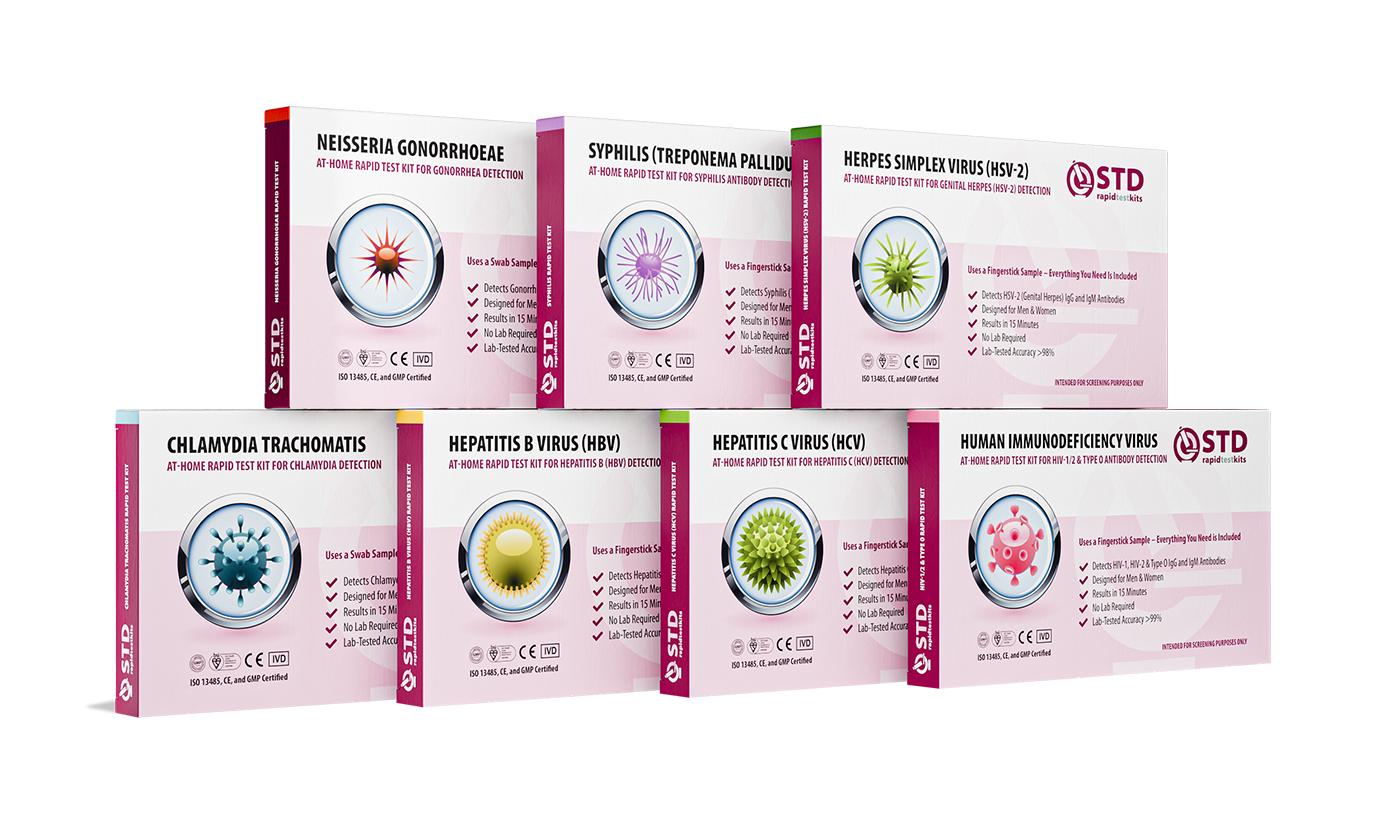 For Men & WomenResults in MinutesNo Lab NeededPrivate & Discreet
Order Now $129.00 $343.00
For all 7 tests
What Treatment Does Not Do
It does not erase the past. It does not repair broken trust if that’s part of your story. And it does not grant immunity from future exposure.
But it does eliminate the bacteria from your body. It does stop disease progression. And it does protect your long-term health when followed by proper monitoring.
You are not your diagnosis. You are someone who sought care. That distinction matters.
FAQs
1. I just tested positive for syphilis. Am I going to be okay?
Yes. I’m going to say that first because your brain is probably jumping ten steps ahead. Syphilis is treatable and curable in most cases, especially when caught early. The plan is clear: antibiotics, follow-up labs, and communication with partners. This is manageable. It is not a life sentence.
2. Be honest… how bad does the syphilis shot hurt?
It’s not a spa treatment, but it’s also not medieval torture. The medication is thick, so you’ll feel pressure as it goes in. Your hip or butt muscle may feel sore for a day or two, like you did too many lunges. Most people walk out saying, “That’s it?” The anxiety beforehand is usually worse than the injection itself.
3. How fast does syphilis treatment start working?
Fast at a microscopic level, slower in ways you can see. The bacteria begin dying within hours, but rashes and sores can take days or weeks to fade. Blood test numbers decline gradually over months. Think of it less like flipping a switch and more like watching a dimmer slowly lower.
4. When can I have sex again?
This is where responsibility meets reality. Doctors usually recommend waiting at least seven days after treatment and until any sores are fully healed. If you needed three weekly shots, that waiting window extends. And if your partner hasn’t been tested yet, pause. Protecting each other now prevents a frustrating reinfection loop later.
5. Will I always test positive now?
Not exactly. Some antibody tests can stay weakly positive for years because your immune system “remembers” the infection. What doctors look for is a significant drop in titers, not total disappearance. So if you see a lingering positive on paperwork, don’t spiral. Context matters.
6. Can syphilis come back on its own?
No. It doesn’t hide and randomly reawaken after proper treatment. What can happen is reinfection if you’re exposed again. Different situation, same bacteria. That’s why partner testing isn’t optional, it’s part of closing the loop.
7. I feel embarrassed telling my partner. What do I even say?
Start simple. “I got tested and something came back positive. It’s treatable, but we both need to get checked.” You don’t need a dramatic speech. You need clarity. Most adults respond better to honesty than secrecy. And if they don’t? That tells you something important too.
8. What if I ignored symptoms and waited too long?
First, you’re not alone. Syphilis symptoms can disappear on their own, which tricks people into thinking the infection is gone. Treatment still works in later stages, but it may require more injections and longer monitoring. The best time to treat was earlier. The second-best time is now.
9. Does treatment fix everything immediately?
It eliminates the bacteria, yes. But emotional fallout, trust issues, anxiety, stigma, that part may take longer. Healing isn’t just physical. If you need space to process, take it. Getting treated was step one. Regaining calm is step two.
10. I tested at home. Should I still see a doctor?
Yes. At-home tests are powerful screening tools, and they give you privacy and speed. But a positive syphilis result needs confirmatory testing and prescription antibiotics. Think of the home test as the flashlight. The clinic is where you finish the job.
You Deserve Answers, Not Assumptions
A positive Syphilis result can feel like a verdict. It isn’t. It’s information. And information, especially when it comes to your body, is power.
Treatment is clear. The plan is structured. One shot for early infection. Three for later stages. Follow-up blood work to confirm the numbers are falling. That’s it. No mystery. No moral scorecard. Just medicine doing what medicine does.
If you’re reading this before testing because you’re scared to know, hear me gently: anxiety grows in silence. Whether it was a condom break, a new partner, or a “maybe that rash is nothing” moment, clarity changes everything. You can’t treat what you won’t test.
If you need discreet, fast answers, start with a reliable at-home option. Visit STD Rapid Test Kits to explore private testing solutions, including multi-panel screening that checks for several infections at once. Your results are yours. Your next step is yours.
And if you already tested positive? You did the hardest part. You faced it. You got treated. You followed through. That’s not reckless. That’s responsible. That’s someone who cares about their health and the people they sleep with.
You deserve facts. You deserve treatment. You deserve peace of mind.
How We Sourced This Article: This guide draws from current clinical guidelines from the Centers for Disease Control and Prevention, the World Health Organization, and peer-reviewed infectious disease research.
Sources
1. CDC Sexually Transmitted Infections Treatment Guidelines – Syphilis
2. World Health Organization – Syphilis Fact Sheet
3. Mayo Clinic – Syphilis Diagnosis and Treatment
4. Penicillin Treatment Outcomes in Early Syphilis – Peer-Reviewed Study
5. Planned Parenthood – Syphilis Overview
6. NHS – Syphilis Treatment Information
About the Author
Dr. F. David, MD is a board-certified infectious disease specialist focused on STI prevention, diagnosis, and treatment. He combines clinical expertise with a sex-positive, stigma-aware approach to patient education.
Reviewed by: A. Martinez, RN, BSN | Last medically reviewed: February 2026
This article is meant to give you information, not to give you medical advice.


