







Quick Answer: Gonorrhea in the throat (pharyngeal gonorrhea) can be transmitted through oral sex and often causes no symptoms at all. If symptoms appear, they may feel like a mild sore throat. Testing is typically most accurate 7–14 days after exposure.
Yes, Oral Sex Can Transmit Gonorrhea, And Most People Don’t Realize It
There’s a stubborn myth that oral sex is “safer” in a way that makes STDs unlikely. Safer than unprotected vaginal or anal sex? Often, yes. Risk-free? Not even close.
Gonorrhea spreads through contact with infected mucous membranes. That includes the throat. If someone has genital gonorrhea and you perform oral sex on them, the bacteria can settle in the back of your throat. No penetration required. No ejaculation required. Just exposure.
A 24-year-old patient once described it like this: “I didn’t even think oral counted. I thought if anything happened, it would be down there.” He tested positive for throat gonorrhea during a routine screening. He had zero symptoms. Not even a tickle.
This is the part that catches people off guard. Throat infections are frequently silent. You can carry and transmit gonorrhea without feeling sick at all. That’s not a character flaw. That’s biology.
What Does Gonorrhea in the Throat Actually Feel Like?
Here’s where anxiety and reality start to blur. A mild sore throat after oral sex does not automatically mean you have an STD. Throat irritation is common. Dehydration, allergies, acid reflux, vaping, even enthusiastic sex can leave your throat feeling raw.
But pharyngeal gonorrhea can cause symptoms. They just tend to be subtle.
| Symptom | Throat Gonorrhea | Typical Viral Sore Throat |
|---|---|---|
| Mild throat discomfort | Sometimes present | Very common |
| White patches | Occasionally | Possible (strep or viral) |
| Fever | Rare | Common |
| Swollen lymph nodes | Uncommon | Common |
| No symptoms at all | Very common | Less common |
The key difference? Throat gonorrhea is often boring. No dramatic fever. No body aches. No obvious “this is bad” signal. Just nothing. Or something mild enough to ignore.
That’s why relying on symptoms alone is unreliable. If you’re Googling because your throat feels off, that’s understandable. But the absence of symptoms does not mean the absence of infection.

People are also reading: HIV Treatments in 2025: The New Discoveries That Are Making a Difference
The Silent Infection Problem
In public health circles, throat gonorrhea is often described as a reservoir. That sounds clinical, but here’s what it means in real life: people carry it unknowingly and pass it along.
One woman told me, “I tested because my partner had symptoms. I felt completely fine. I almost didn’t go.” Her throat swab came back positive. She never would have guessed.
This is why routine testing matters if you’re sexually active with new or multiple partners. Not because you’re reckless. Because you’re human.
Throat infections are particularly common among people who engage in oral sex frequently, including heterosexual couples and men who have sex with men. The bacteria can live in the throat without causing inflammation strong enough to feel.
How Soon Can You Test for Gonorrhea After Oral Sex?
Timing matters more than panic.
Testing too early can give you a false sense of security. The bacteria need time to replicate to detectable levels. Most throat gonorrhea infections become reliably detectable between 7 and 14 days after exposure.
Here’s how that window plays out.
| Days After Oral Sex | What Testing Means | Recommendation |
|---|---|---|
| 1–3 days | Too early for reliable detection | Wait |
| 4–6 days | Possible but higher false-negative risk | Retest later |
| 7–14 days | Most accurate detection window | Optimal testing time |
| 14+ days | High accuracy if untreated | Test if not already done |
Imagine this scenario. It’s day three. You’re anxious. You test. It’s negative. Relief washes over you. But if the exposure was recent, that negative result might simply mean it’s too early.
That’s not failure. That’s biology. And it’s why timing is part of responsible testing.
If you want discreet, accurate options, you can explore at-home throat testing kits directly through STD Rapid Test Kits. Testing at home doesn’t mean guessing. It means controlling the process.
How Is Throat Gonorrhea Diagnosed?
Diagnosis typically requires a throat swab. Not urine. Not blood. A swab of the back of the throat where bacteria reside.
The most accurate tests use nucleic acid amplification testing, often called NAAT. These tests detect the genetic material of Gonorrhea bacteria and are highly sensitive. That’s why many clinics and at-home lab kits use this method.
The swab itself takes seconds. It’s mildly uncomfortable. Think quick gag reflex, not pain. Results can return within minutes for rapid tests or a few days for lab-based mail-in options.
If you’re choosing an at-home option, make sure it specifically includes a throat swab if your exposure was oral. A urine-only kit will not detect throat infection.
What Happens If It’s Positive?
First, breathe.
Throat gonorrhea is treatable. Standard treatment usually involves antibiotics prescribed by a healthcare provider. Most people respond quickly. Symptoms, if present, resolve within days.
One man described sitting in his car after getting his positive result. “I thought it meant something about me,” he said. “Like I’d done something wrong.” What it actually meant was he needed medication. That’s it.
Treatment isn’t punishment. It’s routine healthcare.
If you test positive, you should also notify recent sexual partners so they can get tested and treated. That conversation can feel awkward, but it’s an act of care, not accusation.
If you’re unsure where to begin, starting with a Gonorrhea Rapid Test Kit can give you clarity before taking next steps.
Check Your STD Status in Minutes
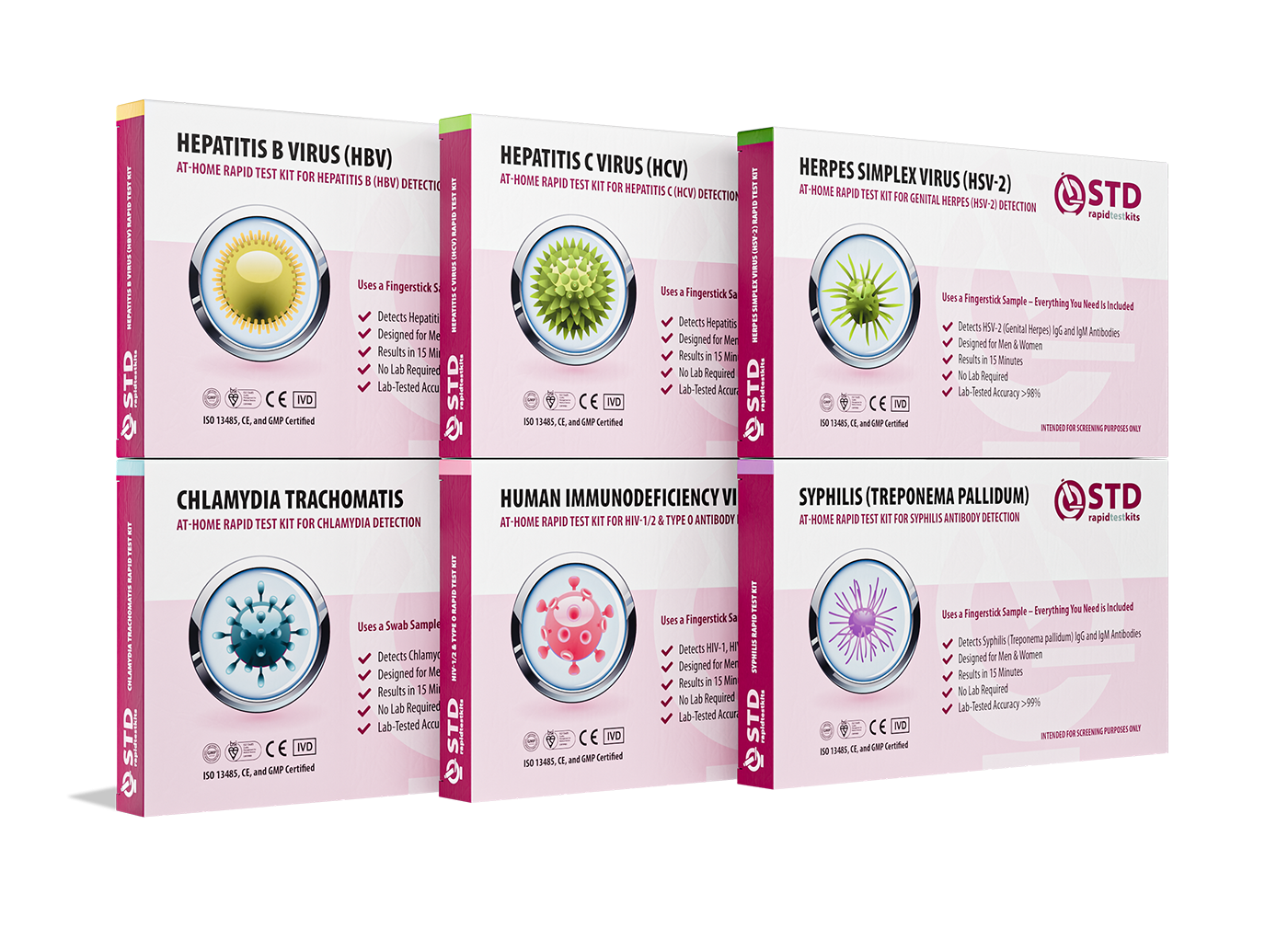
Test at Home with Remedium6-in-1 STD Test Kit
 For Men & Women
 Results in Minutes
 No Lab Needed
 Private & Discreet
Order Now $119.00 $294.00
For all 6 tests
Throat Gonorrhea vs. Strep: How to Tell the Difference
You’re standing in front of the bathroom mirror with your phone flashlight pointed into your mouth. You see redness. Maybe a faint white patch. Now you’re toggling between search tabs: “strep throat symptoms” and “gonorrhea in throat symptoms.”
This is the part where anxiety gets loud. But let’s slow it down and separate what feels scary from what’s statistically likely.
Most sore throats are viral. Many are related to allergies, post-nasal drip, or even dry air. Strep throat tends to come with fever, swollen glands, and significant pain when swallowing. Throat Gonorrhea, on the other hand, often comes quietly or not at all.
That doesn’t mean it can’t cause symptoms. It just means dramatic throat pain is less typical.
| Feature | Strep Throat | Throat Gonorrhea |
|---|---|---|
| Onset | Sudden and painful | Often mild or unnoticed |
| Fever | Common | Uncommon |
| Severe swallowing pain | Common | Rare |
| Sexual exposure link | No | Yes, recent oral sex |
| Spontaneous resolution | Possible (viral) | Unlikely without treatment |
The most important differentiator is exposure history. If you’ve had recent unprotected oral sex with a partner whose status you don’t know, testing makes sense regardless of symptoms.
If you haven’t had sexual exposure and you have a high fever and severe pain, strep or a viral infection is statistically more likely. Context matters. Your body does not exist in isolation from your behavior.
How Common Is Gonorrhea in the Throat?
It’s more common than most people think, particularly among sexually active adults with multiple partners.
Public health data consistently show rising rates of Gonorrhea nationwide. Throat infections are especially common among people who engage in oral sex frequently, and many cases are only discovered during routine screening.
A college student once told me, “I get tested down there every year. I didn’t even know they could swab your throat.” That gap in awareness is exactly how throat infections continue to circulate.
The throat is not an immune shield. It’s mucous membrane tissue just like the genitals. Bacteria don’t care which part of the body they land on.
Can You Pass Throat Gonorrhea to Someone Else?
Yes. And this is where things get quietly important.
If you have gonorrhea in your throat and perform oral sex on a partner, you can transmit the bacteria to their genitals. In some cases, it may also spread through deep kissing, though this route is less clearly defined than oral-genital transmission.
This isn’t about blame. It’s about biology. You can transmit an infection you don’t know you have. That’s why regular screening protects not just you, but your partners too.
Testing isn’t suspicion. It’s maintenance.
Antibiotic Resistance: Why Throat Infections Matter
Here’s the gritty public health reality. The throat is one of the environments where Gonorrhea bacteria can exchange genetic material with other bacteria. That increases the risk of antibiotic resistance developing.
This doesn’t mean treatment won’t work. It means proper diagnosis and full completion of prescribed antibiotics matter more than ever.
Stopping treatment early or ignoring a positive result allows bacteria to persist. Resistant strains develop gradually. Responsible treatment prevents that progression.
In other words, taking care of yourself also protects the broader community. That’s not moralizing. That’s microbiology.
What If You Have No Symptoms at All?
This is the most common scenario.
You feel fine. Your throat feels normal. You only test because a partner mentioned something or because you’re proactive. The result surprises you.
That surprise doesn’t mean you were careless. It means asymptomatic infections are common.
One patient said, “I almost didn’t open the results email because I felt totally normal.” When it came back positive, she was stunned. But within a week of treatment, the situation was resolved.
No drama. No visible illness. Just a quiet infection that needed antibiotics.
If you want peace of mind without clinic waiting rooms, you can order discreet testing through STD Rapid Test Kits. Privacy isn’t secrecy. It’s control.
Protecting Yourself Without Giving Up Pleasure
Let’s be honest. Oral sex is common. It’s intimate. It’s part of many healthy relationships. The solution is not fear-based abstinence. The solution is informed protection.
Barrier methods like condoms or dental dams reduce transmission risk during oral sex. Regular testing reduces silent spread. Open conversations reduce stigma.
Being sex positive doesn't mean ignoring risk. It means knowing what it is and making choices that are good for your health and comfort.
Think of testing like brushing your teeth. Routine. Preventive. Not a confession of wrongdoing.

People are also reading: Chlamydia Swab Tests Explained: Accuracy, Pain, and Home Kit Options
When to Seek Immediate Medical Care
Most throat gonorrhea cases are mild or asymptomatic. But if you experience high fever, severe difficulty swallowing, neck swelling, or breathing problems, that’s not a wait-it-out situation.
Those symptoms warrant urgent evaluation, regardless of sexual history. Severe throat pain is more likely to be strep, tonsillitis, or another acute infection, but it should always be assessed.
If symptoms are mild but persistent and you’ve had recent oral exposure, testing remains the most reliable next step.
What Most People Get Wrong About Throat Gonorrhea
They assume they would “know.”
They assume oral sex doesn’t count.
They assume absence of discharge means absence of infection.
They assume testing is only necessary if something feels dramatic.
In reality, throat gonorrhea often operates quietly. That’s not sinister. That’s simply how this bacterium behaves in pharyngeal tissue.
Testing is clarity. Treatment is routine. Shame is optional.
What Happens If You Ignore It?
This is the question most people don’t ask out loud. They test the waters with Google searches instead. “Will throat gonorrhea go away on its own?” “Can your body fight it off?” “What if I just wait?”
Here’s the grounded, no-drama answer. Throat Gonorrhea is unlikely to reliably clear without antibiotics. Some infections may fluctuate or temporarily feel like they disappear, but untreated bacteria can persist in the throat and continue to transmit to partners.
Picture this. You decide not to test because the soreness fades. A month later, you’re with someone new. You feel fine. They develop symptoms. Now you’re both dealing with something that could have been handled early and easily.
This is not about blame. It’s about trajectory. Early detection keeps small problems small.
Reinfection Is More Common Than You Think
Treatment works. But reinfection is surprisingly common, especially if partners are not treated at the same time.
One patient completed antibiotics, felt completely fine, and assumed it was over. A few weeks later, they tested positive again. It wasn’t treatment failure. It was re-exposure from an untreated partner.
This is why clinicians recommend partner notification and, in many cases, retesting about three months after treatment. Not because treatment is weak. Because sexual networks overlap in ways people don’t always realize.
Reinfection doesn’t mean irresponsibility. It means communication gaps happen. Testing closes them.
How Accurate Are At-Home Throat Tests?
Accuracy depends on the method. Rapid antigen tests are good for screening because they give quick answers. Laboratory-based NAAT tests are the best way to find Gonorrhea DNA because they are very sensitive.
The key variable is proper sample collection and correct timing. A poorly swabbed throat or testing too early after exposure can reduce accuracy. When instructions are followed carefully and the timing falls within the 7–14 day window, detection rates are strong.
For many people, privacy determines whether they test at all. A discreet, well-designed home kit can remove the barrier of clinic anxiety. If convenience is what makes testing possible for you, that matters.
You can explore discreet options like the Gonorrhea Rapid Test Kit, which allows throat screening in the privacy of your own space.
Check Your STD Status in Minutes
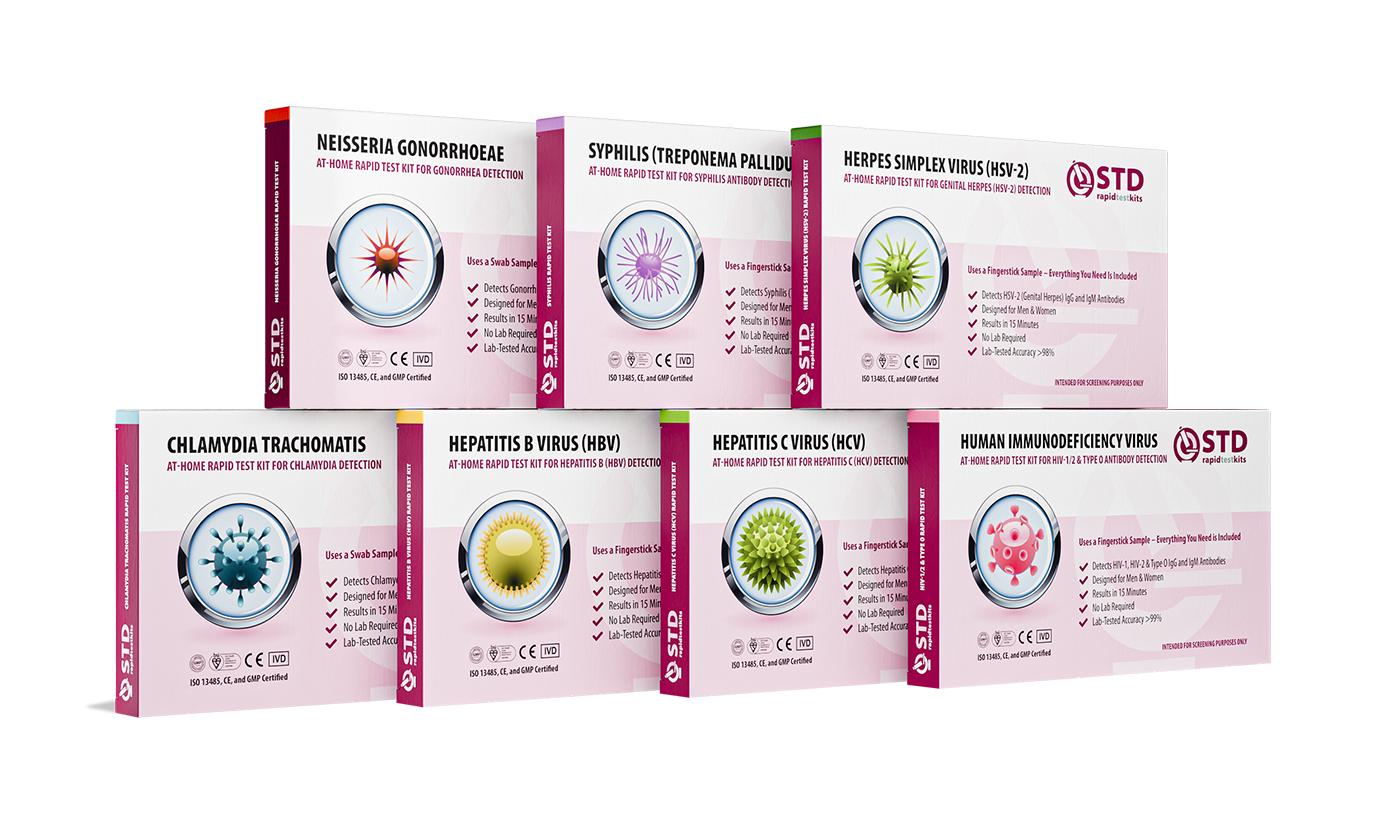
Test at Home with Remedium7-in-1 STD Test Kit
 For Men & WomenResults in MinutesNo Lab NeededPrivate & Discreet
Order Now $129.00 $343.00
For all 7 tests
Testing After Oral Sex: A Realistic Timeline Scenario
Let’s walk through a realistic example.
Friday night: oral sex with a new partner. No condom. No visible symptoms on them. You feel fine the next day.
Monday: mild scratchiness in your throat. You panic. You Google. You consider testing immediately.
Day four: still mild discomfort. You test. It’s negative. You feel relief but also uncertainty.
Day ten: you retest within the optimal window. If it’s negative again, that’s strong reassurance. If it’s positive, treatment is straightforward and effective.
That timeline is responsible. Not paranoid. Responsible.
The Emotional Spiral (And How to Step Out of It)
Anxiety after sexual exposure is common. It doesn’t mean you did something reckless. It means vulnerability is uncomfortable.
I’ve seen people catastrophize a mild throat tickle into worst-case scenarios in minutes. That mental leap is understandable. But symptoms alone rarely tell the full story.
Testing brings clarity. And clarity quiets anxiety far more effectively than obsessive searching ever will.
If you’re stuck in that spiral right now, take a breath. Check the timing. Choose the appropriate test. Follow through. Then let the data guide you.
FAQs
1. “I gave oral sex once. Is that really enough to get gonorrhea in my throat?”
Yes, it can be. Transmission doesn’t require ejaculation, dramatic symptoms, or multiple encounters. It just requires exposure to infected mucous membranes. That said, “possible” doesn’t mean “guaranteed.” One encounter can transmit it, but many don’t. The only way to know which side of that coin you’re on is testing within the right window.
2. “My throat is sore after oral sex. Does that automatically mean it’s gonorrhea?”
No. A sore throat is one of the most common human complaints on Earth. Allergies, dehydration, reflux, loud concerts, even enthusiastic sex can leave you scratchy the next day. Throat Gonorrhea is often mild or silent. The key question isn’t “Does it hurt?” It’s “Was there exposure, and has enough time passed to test accurately?”
3. “What if I feel completely fine? Should I still test?”
This is where most people get tripped up. Pharyngeal infections are frequently asymptomatic. You can feel normal, eat normally, talk normally, and still test positive. If you’ve had unprotected oral sex with a new or non-monogamous partner, routine screening is smart, not paranoid. Think of it like changing your oil. Maintenance, not drama.
4. “Can I just wait and see if symptoms show up?”
You can, but that strategy misses most throat infections because many never show obvious symptoms. Waiting might feel easier emotionally, but it doesn’t provide clarity. If it’s been 7–14 days since exposure, testing gives you an answer instead of a maybe.
5. “If I tested negative on day three, am I in the clear?”
Probably not yet. Day three is usually too early for reliable detection. That negative result may simply reflect timing, not absence of infection. Retesting within the optimal window gives you much stronger reassurance. Early testing isn’t wrong. It just sometimes needs a follow-up.
6. “Can I spread throat gonorrhea even if I don’t have symptoms?”
Yes. And that’s the quiet part most people don’t realize. Asymptomatic infections can still transmit during oral sex. That doesn’t make you reckless. It makes testing part of caring for your partners as well as yourself.
7. “Is throat gonorrhea harder to treat than genital gonorrhea?”
Treatment guidelines are similar, but throat infections can be slightly more stubborn in some cases, which is why following your provider’s instructions and completing antibiotics matters. Most people respond quickly. You take the medication. The infection clears. Life continues.
8. “I’m embarrassed to ask for a throat swab at a clinic. What do I do?”
You are not the first person to feel that way. Not even close. If clinic anxiety is the barrier, an at-home throat swab kit can remove that friction. Privacy isn’t avoidance. It’s access. The important part is getting tested, not where you stand while it happens.
9. “Does using a condom during oral sex eliminate the risk?”
Barrier methods significantly reduce risk. They don’t make transmission impossible, but they lower the odds. Dental dams and condoms during oral sex are protective tools, not mood killers. The more normalized they become, the fewer silent infections circulate.
10. “I tested positive. Does this mean something about me?”
It means bacteria were present. That’s it. It does not define your cleanliness, your morality, your relationship worth, or your intelligence. STDs are infections, not personality traits. You treat it. You inform partners. You move forward. Shame is optional.
Before You Panic, Here’s What to Do Next
If you’ve had oral sex and you’re worried about throat gonorrhea, pause and ground yourself in facts. Exposure plus time equals testable clarity. Symptoms or no symptoms, the 7–14 day window provides reliable answers.
You deserve information without judgment. You deserve healthcare without shame. And you deserve options that fit your life.
Don’t wait and wonder. Order a discreet at-home test from STD Rapid Test Kits and take charge of your sexual health on your own terms.
How We Sourced This Article: This article integrates current clinical guidance from leading public health authorities, peer-reviewed infectious disease research, and real-world patient experiences to provide balanced, stigma-aware education. The information about testing windows, transmission routes, and treatment recommendations shows what doctors currently agree on when it comes to screening and treating pharyngeal gonorrhea.
Sources
1. Centers for Disease Control and Prevention – Gonorrhea Fact Sheet
2. CDC STI Treatment Guidelines – Gonorrhea
3. World Health Organization – Sexually Transmitted Infections
4. Mayo Clinic – Gonorrhea Overview
5. Planned Parenthood – Gonorrhea Information
6. Gonorrhea – Cleveland Clinic
About the Author
Dr. F. David, MD is a board-certified infectious disease specialist focused on STI prevention, diagnosis, and treatment. He combines clinical precision with a sex-positive, stigma-free approach to help patients make informed decisions.
Reviewed by: J. Carter, NP-C | Last medically reviewed: February 2026
This article is meant to give you information, not to give you medical advice.


