







Quick Answer: STD symptoms like herpes, syphilis, or HPV can appear as subtle discoloration, flat bumps, or texture changes on brown and Black vulvas, often missed or misread due to lack of visual resources and medical bias.
“It Wasn’t Just an Ingrown Hair”
Ayana, 24, thought it was a stubborn ingrown. She'd shaved two days before, and her tight jeans had left friction marks before. But this time, the area felt sore longer than usual. There was no obvious “pimple” or swelling, just a slightly raised, darkened patch. It didn’t match any photos online. She waited another few days. That’s when she noticed a clear fluid leak, tiny, not dramatic, but enough to trigger panic. She went to urgent care, where a white provider barely looked and dismissed it as "just irritation." A week later, a sexual health clinic confirmed it was herpes.
Why was it missed? Because on melanated skin, herpes doesn’t always show up as blisters. It might look like:
A patch of skin that’s slightly shinier than normal. A line of dry cracks that sting when touched. A change in pigmentation or a faint cluster of flat, reddish-brown spots. And unless a provider is trained to spot these subtleties, or better yet, unless you know your own skin well enough to clock what’s changed, it’s easy to overlook.
This happens constantly. Black women and nonbinary folks often report misdiagnoses or dismissals when early symptoms don’t match the “classic” photos taught in med school textbooks. Most of those images? White vulvas. Pink tissue. Highly visible contrast. That’s not how it works on Black and brown bodies.
What Herpes and Syphilis Actually Look Like on Darker Skin
Let’s be blunt: most STD photos online are not made for Black and brown people. A 2021 study found that over 87% of dermatologic training images are on white skin, with fewer than 5% on darker tones. That means many providers, and patients, are flying blind when it comes to recognizing early signs of infections like herpes, syphilis, or HPV on melanated skin.
Herpes (HSV-2) often starts as a tingle or itch, without any visible sign at all. When lesions do appear, they may show up as darkened patches, not red welts. They can blend into the surrounding skin, especially on labia majora, inner thighs, or around the perianal area. They may crack, crust, or remain flat and painful to the touch. What they often don’t do? Look like textbook bubbles.
Syphilis (primary stage) may present as a single sore or ulcer, but that sore can be painless and mimic friction trauma. On darker skin, the border of the ulcer may appear hyperpigmented or even lighter than the surrounding area, depending on skin undertones and healing phase. Syphilitic rashes in later stages can look like flaky, dry patches, not the “copper penny” rash often described.
Here’s a side-by-side comparison to help:
| STD | Classic Symptom (on white skin) | Common Appearance on Dark Skin |
|---|---|---|
| Herpes (HSV-2) | Grouped red blisters on pink vulva tissue | Flat or shiny dark patches, tender to touch, may crack or crust |
| Syphilis (Primary) | Round, red sore with clear edges | Flat ulcer or pigment change, may appear lighter or darker |
| HPV (Warts) | Raised, flesh-colored growths | Small, skin-tone or slightly darker bumps; may be mistaken for skin tags |
| Trichomoniasis | Yellow-green discharge, irritation | Discharge may appear darker in color; external irritation may be less visible |
Figure 1. STD symptoms often appear differently on melanated vulvas, leading to missed or delayed diagnoses. Always trust changes you feel, even if they’re not visibly dramatic.

People are also reading: STD Bump or Shaving Bump? How to Tell the Difference
Doctors Miss It Too: Why Bias Delays Diagnosis
It’s not just you. Providers miss this stuff all the time. One CDC study found that Black women are five times more likely to have undiagnosed herpes compared to white women, despite reporting similar symptoms. Why? Because the signs are more subtle, and most clinicians weren’t trained to see them.
Racism in medicine isn’t always overt. Sometimes it looks like never having been shown what an outbreak looks like on Black skin. Or assuming a patient is “fine” because the lesion isn’t red. Or worse, blaming “hygiene” for discoloration or pain when the real issue is infection.
Kia, 32, had a partner ghost her after a weekend hookup. A week later, she felt burning when she wiped, but no discharge. The urgent care NP told her it was likely “normal irritation.” It wasn’t. A week later she took an at-home test and followed up with a telehealth provider: chlamydia and HSV-1, positive. “They didn’t believe me when I said it hurt,” she said. “They just didn’t look.”
You deserve better than that. You deserve providers who listen, and tests that don’t require permission. If that hasn’t been your experience, consider starting with an at-home option. It’s discreet, private, and skips the disbelief.
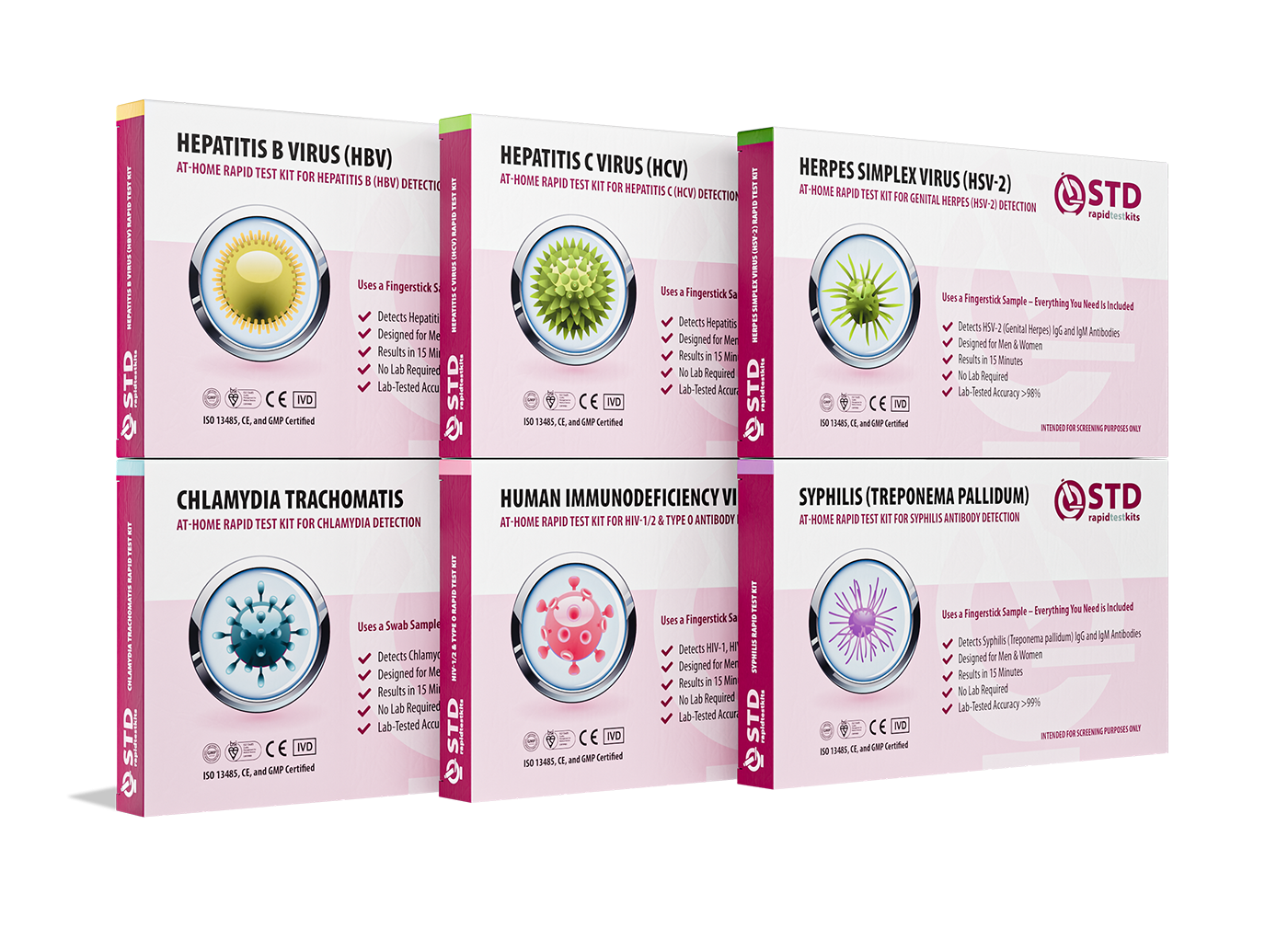
This combo STD test kit checks for multiple common STDs with a fingerstick and swab, no waiting rooms, no second-guessing.
Check Your STD Status in Minutes
Test at Home with Remedium6-in-1 STD Test Kit
 For Men & Women
 Results in Minutes
 No Lab Needed
 Private & Discreet
Order Now $119.00 $294.00
For all 6 tests
From Burning to Bumps: What to Watch For
Let’s slow down and talk about what symptoms actually feel like, not just what they look like. Because if you’re Black or brown, the visual cues might not scream “STD,” but the sensations can tell a deeper story.
Jade, 27, noticed a faint burning near her inner labia four days after a new partner. No odor. No discharge. Just heat and soreness when she peed. There were no visible sores. Just a bit of dryness and a faint color shift. She waited. A week later, a small open spot appeared, painful and cracked. Still not red. Still not what she thought herpes looked like. But it was.
These moments are scary. You check the mirror five times a day. You try every Google search: “Herpes on brown skin,” “STD burning no bump,” “dark spot near vulva STD?” And what do you get? Stock photos and judgmental forums. That ends here. Here's how some common symptoms may show up, or not, on darker vulvas:
| Symptom | On Lighter Skin | On Darker Skin | Possible STD Cause |
|---|---|---|---|
| Red Rash or Itch | Pink or red rash, flaky patches | Grayish or dark brown areas, dry or leathery | Trichomoniasis, herpes, allergic reaction |
| Raised Bumps | Bright pink, blistered appearance | Skin-colored or darker than baseline, sometimes flat | HSV-2, HPV warts, molluscum contagiosum |
| Discoloration | Red patches or bruised appearance | Hyperpigmentation or lightened streaks | Syphilis, irritation from friction or chemicals |
| Open Sores | Pink, moist ulcers with defined edges | Flat or dry lesions, may scab without blistering | Herpes, syphilis, trauma + secondary infection |
Figure 2. Symptom comparison between lighter and darker vulvas. Visual cues are often more subtle on melanated skin. Sensation, timing, and context matter.
Trust what you feel. A sharp sting during urination. A burning spot that wasn’t there last week. Soreness after a hookup that doesn’t fade. These are all reasons to test, not to panic, but to protect yourself and your partners.
When It’s Not an STD, But Still Scary
Let’s get real: not every bump, itch, or dark spot means an STD. But that doesn’t mean it’s nothing, or that your concern isn’t valid.
Tenaya, 30, was sure she had trich. Her discharge changed color, she had internal itching, and a red mark showed up after sex. She rushed to the clinic, scared and ashamed. The swabs? Negative. The diagnosis? Latex sensitivity. Turns out, her new partner had used a cheap flavored condom that irritated her vaginal tissue and caused a superficial burn, followed by post-inflammatory hyperpigmentation.
This is common. Especially for folks with melanin-rich skin, inflammation can linger as dark marks long after the irritation fades. You might notice:
- A dark stripe near the inner labia
- A flat, brown mark that wasn’t there before
- Peeling or cracking without visible redness
These signs can come from:
- Razor burn or dull blade trauma
- Nickel allergy in underwear snaps
- Friction from tight clothes or pad adhesives
- Yeast overgrowth (which can present without cottage-cheese discharge)
And yes, many of these can mimic early STD signs. That’s the trap. Because there’s overlap, and because most sexual health education wasn’t designed with Black or brown bodies in mind, it becomes easy to miss something serious or over-freak about something harmless.
Bottom line? It’s okay to not know. But it’s powerful to ask.

People are also reading: No Symptoms, Still Infected: The Silent Rise of Gonorrhea in NC
Testing Without the Shame Spiral
You're in the car, debating whether to drive to urgent care. You haven’t told anyone. You're Googling “how to test for herpes without going to a doctor” and trying not to cry. You keep checking your underwear for discharge, your mirror for changes. You want answers, but you don’t want the stare, the judgment, the awkward “well maybe if you’d used protection…”
This is where at-home testing becomes more than convenience. It becomes care on your own terms.
You can choose between:
1. At-Home Rapid Tests: Finger-prick or swab-based kits that give results in minutes. Useful for infections like HIV, syphilis, or sometimes chlamydia.
2. Mail-In Kits: Lab-grade accuracy, often with deeper panel options (herpes, trich, etc.). Swab yourself at home, mail it in, get results in 2–3 days.
3. In-Clinic Testing: Needed if you’re pregnant, immunocompromised, or have symptoms that need direct evaluation. But it’s okay to wait until you're ready, or to start with home first.
| Test Type | Privacy | Speed | Accuracy | Best For |
|---|---|---|---|---|
| At-Home Rapid | Very High | 10–20 minutes | Moderate to High | Immediate peace of mind, no mailing |
| Mail-In Lab Kit | High | 2–3 days | High (lab-analyzed) | Wider range of STDs, no in-person visit |
| Clinic Testing | Moderate | Varies (same day to a week) | Very High | Complicated symptoms, urgent care, or treatment |
Figure 3. Testing comparison, use what fits your life, your schedule, and your comfort. There’s no “one right way.”
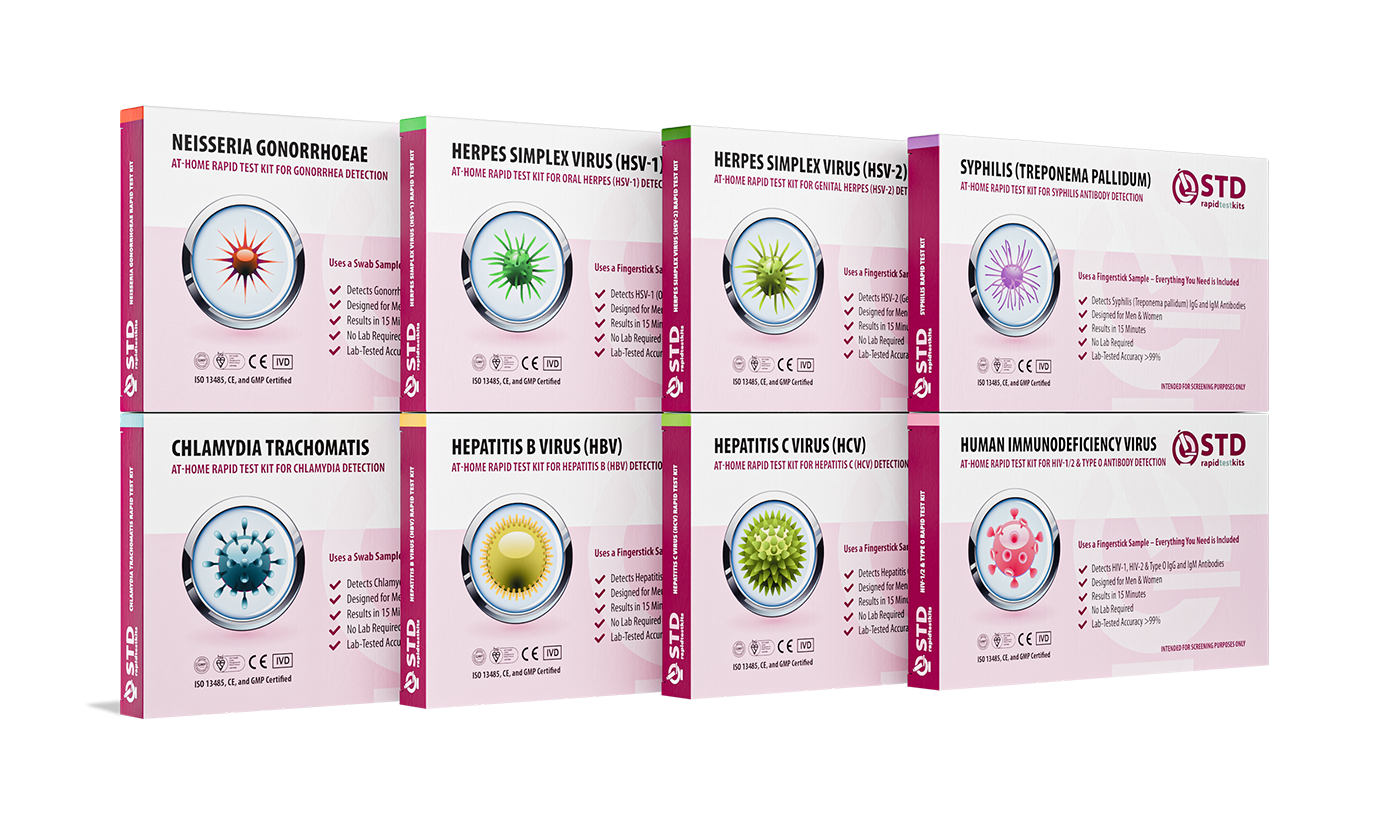
Whether it’s burning, discoloration, or just a gut feeling, you don’t need to justify your decision to test. STD Rapid Test Kits offers options that let you move at your own pace, with no waiting rooms, no lectures, and no insurance hoops.
Check Your STD Status in Minutes
Test at Home with Remedium8-in-1 STD Test Kit
 For Men & WomenResults in MinutesNo Lab NeededPrivate & Discreet
Order Now $149.00 $392.00
For all 8 tests
Healing and Skin Aftercare for Brown Vulvas
So you tested. Maybe it was herpes. Maybe it was nothing. Maybe it was trich, or an old infection you didn’t even know you had. But now your body is healing, and your skin is changing again. And if you’re Black or brown, you might be staring at a mark that wasn’t there before and wondering: “Did the infection cause this? Or is it just my skin reacting?”
Lena, 35, remembers the sting of the diagnosis almost more than the symptoms. She had HSV-2, confirmed by a mail-in test after two weeks of confusion. After treatment and rest, the lesion healed. But the mark it left, a flat, oval-shaped patch of darker skin, haunted her. “It didn’t hurt anymore, but it still looked… different,” she said. “And no one told me that was normal.”
This is the part nobody prepares you for. Post-inflammatory hyperpigmentation (PIH) is extremely common on melanated skin. After trauma, whether from infection, irritation, or scratching, the body floods the area with melanin. That can mean:
- Dark patches where sores used to be
- A line or band of discoloration along the inner labia
- Splotchy tone differences after healing from yeast, herpes, or BV
- Sometimes, even lighter skin patches if the melanocytes were damaged
These marks aren’t new infections. They don’t mean you’re contagious. But they can be deeply triggering, especially when they’re unexpected. The medical system rarely explains this part. And most healing guidance is written for lighter skin, where scars fade differently.
What helps:
- Let the skin breathe, loose underwear, no synthetic liners
- Fragrance-free soothing agents: aloe, calendula, or even cold chamomile compress
- Avoid scrubbing or exfoliating pigmented patches
- Consider speaking with a provider who specializes in skin of color dermatology if scars persist
But above all: don’t panic. Don’t spiral into shame. You are not “ruined.” You are healing, and melanin has its own rhythm. Trust your body.
FAQs
1. Can herpes really just look like a dark spot?
Totally. On brown or Black vulvas, herpes doesn’t always do the whole “red blister” routine. Sometimes it’s just a flat, itchy patch or a sore that blends in with your skin tone. If it stings when you pee or touch it, even if it doesn’t look dramatic, listen to your body. It’s valid.
2. What if it’s just a bump from shaving?
Then great, but let’s be sure. Razor bumps usually show up right after shaving and calm down in a few days. If it’s tender, lingers longer, or changes shape or color, that’s your cue to test. People confuse herpes and ingrowns all the time. No shame in checking.
3. Do STDs cause discoloration on dark skin?
Sometimes. Infections like herpes and syphilis can trigger skin trauma, which leads to darker patches once things heal. It’s called post-inflammatory hyperpigmentation, and it’s super common on melanated skin. You’re not dirty. You’re just healing differently than the textbooks show.
4. I don’t see anything, but it still burns. What gives?
That happens more than you'd think. Some STDs start with internal symptoms, burning, pressure, a weird tingle, before anything shows up outside (if it ever does). Trich, herpes, even chlamydia can fly under the visual radar. If your gut says something’s off, test. You don’t need visible proof to take care of yourself.
5. Why did my doctor say it’s nothing, but I still feel off?
Because too many providers are trained on pink skin and textbook cases. They might miss subtle signs on darker vulvas, or dismiss your pain because they don’t see the “classic” symptoms. Trust yourself. If something feels wrong and you’re not getting answers, take an at-home test or find a provider who sees you.
6. Can I get a herpes outbreak without having sex?
Yes, and no. Herpes spreads through skin-to-skin contact, not just penetration. That means fingers, mouths, toys, grinding, if there was intimate contact, even without full-on sex, it counts. A first outbreak can also appear weeks or months after exposure, which messes with the timeline in your head.
7. Why does my skin scar so easily down there?
Melanin-rich skin often reacts to any inflammation, friction, infection, allergic reactions, by depositing extra pigment. That’s why you might see dark marks after healing from a sore or even just irritation. It’s not a sign of something bad. It’s your skin doing what it does. Time (and TLC) usually fades them out.
8. How long should I wait to test after a hookup?
It depends on the infection. Herpes might show up in 2–12 days. Chlamydia takes 1–3 weeks. Syphilis sores often appear after 3 weeks. The sweet spot for most accurate testing? Around 14–21 days after exposure. But if you’re feeling symptoms sooner, test now, then again later if needed.
9. Can I test from home even if I’m not sure what I have?
Yes. That’s actually the point. A good combo kit will check for the most common STDs without needing you to self-diagnose. Just swab or prick, mail it in (or read it at home if it’s rapid), and get results. Zero waiting rooms. Zero lectures.
10. Does itching always mean something bad?
Not always. Itching could be from dry laundry detergent, new lube, sweat, or just plain friction. But if the itch comes with odor, swelling, or lasts more than a few days, it’s time to rule out things like trich or yeast. You don’t have to panic, just don’t ignore it if it keeps hanging around.
You Know Your Body, Trust It
You don’t need anyone’s permission to get tested. You don’t need blisters to prove pain. You don’t need to match Google images of pink skin to justify what you feel in your own melanated body. Your vulva, your experience, your symptoms, they matter, even when medicine hasn’t caught up.
STD symptoms on Black and brown skin can look different. That’s not a flaw, it’s a failure of the system to see you. But you can reclaim that power. Whether it’s a bump, a patch, a burn, or just a vibe that something isn’t right, you deserve answers.
Don't sit around and wonder; get the answers you need.This at-home combo test kit quickly and discreetly checks for the most common STDs. No gatekeeping. No shame. Just results, in your hands.
How We Sourced This Article: We combined current guidance from leading medical organizations with peer-reviewed research and lived-experience reporting to make this guide practical, compassionate, and accurate.
Sources
1. CDC: Genital herpes symptoms and how to tell if you have it
2. Planned Parenthood – Herpes Overview
3. Screening for Genital Herpes (CDC)
4. Sexually Transmitted Disease (STD) Symptoms (Mayo Clinic)
6. Syphilis – Symptoms & Causes (Mayo Clinic)
8. Trichomoniasis – Symptoms & Causes (Mayo Clinic)
9. Genital Herpes Overview (NCBI Bookshelf)
About the Author
Dr. F. David, MD is a board-certified infectious disease specialist focused on STI prevention, diagnosis, and treatment. He blends clinical precision with a no-nonsense, sex-positive approach and is committed to expanding access for readers in both urban and off-grid settings.
Reviewed by: Dr. L. Marquez, MPH | Last medically reviewed: February 2026
This article is for informational purposes and does not replace medical advice.


