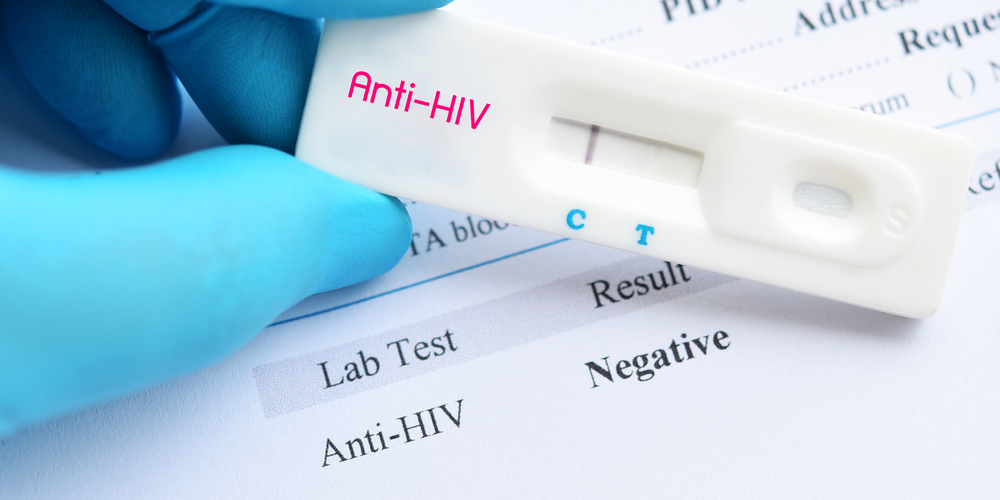
Sexually transmitted infections are one of the big health concerns worldwide. In the war against the effects such infections have, rapid STI tests were introduced, changing the game in the manner in which we approach STIs. This paper will outline the effectiveness of such tests with regard to the accuracy of at-home testing and potential implications of test results.
05 October 2024
5 min read
134235906
Why Rapid STI Tests?
The development of rapid STI tests was needed to respond to crucial challenges in the prevention and control of STIs. In this regard, these tests address the need of those people who can potentially be at risk due to these infections, including gonorrhea, chlamydia, human immunodeficiency virus, among others. In essence, with quicker results, these tests aim at facilitating one major problem currently found in most STI clinics: most people do not return after taking the test to receive the results, and this is largely attributed to fear of the results. It means that the main principle of these fast STI tests is to make this process faster and easier to prevent as many possibly untreated infections and further transmission of infection.
Assortment of Rapid STI Tests: Which Infections Can Be Diagnosed?
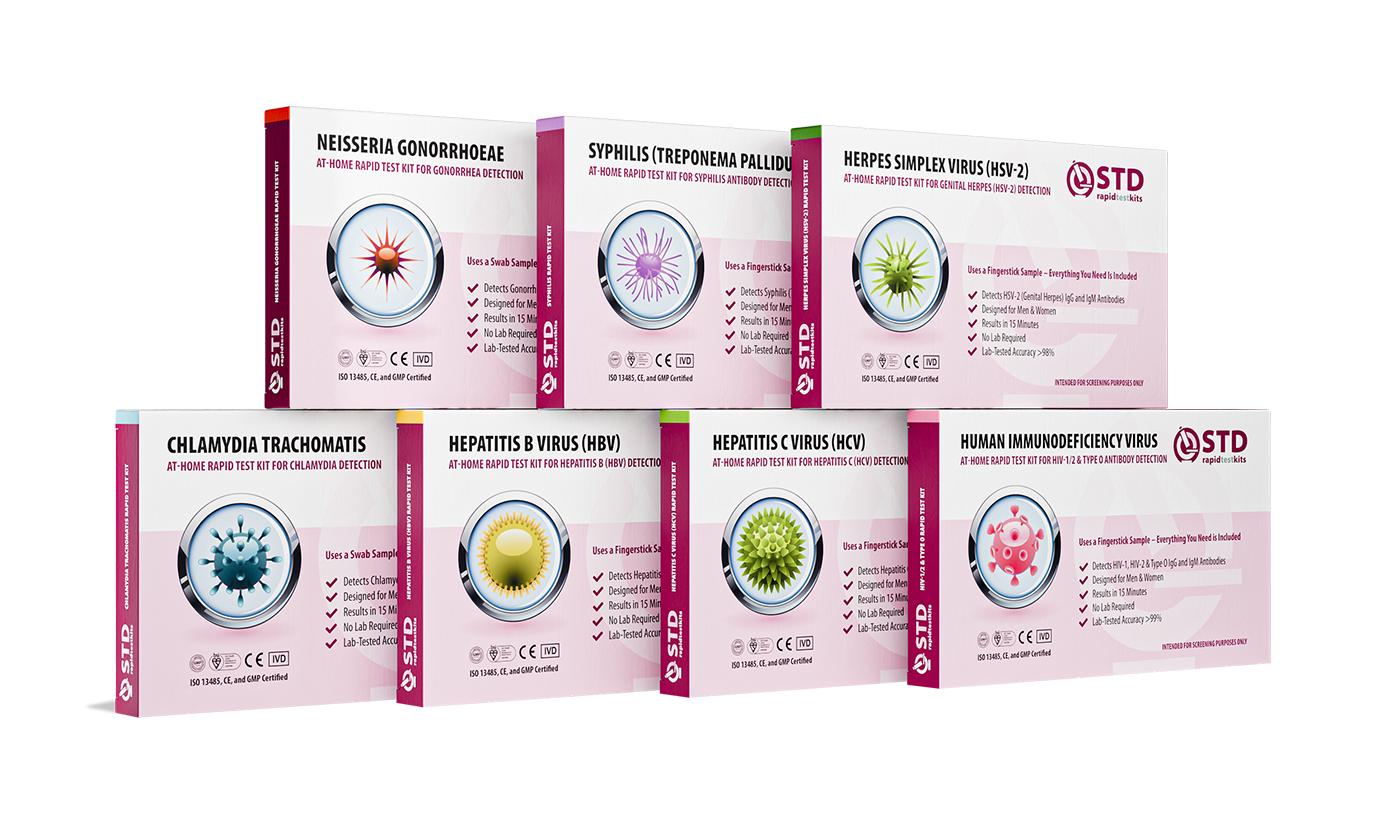
At-home tests are designed for the detection of everything from Chlamydia to Syphilis. Testing kits range from Chlamydia, Gonorrhea, Hepatitis B (HBV), Herpes simplex, HIV, Human papillomavirus (HPV), to Syphilis. The early detection capability of these tests is critical in preventing serious complications that include everything from infertility to neurological damage.
Choosing the Right Test: Which At-Home HIV Test Is Best?
With all these options, choosing an accurate at-home test is necessary to ensure reliable results. They are each designed differently, which means using different levels of sensitivity and specificity. When you want to choose one, consider aspects related to, but not limited to, ease of use, rapidity of results, and accuracy based on prior experiments.
The Accuracy of the Tests: Going Deeper into Rapid STIs
The accuracy of rapid STI tests relies on two factors: sensitivity, or the ability to detect true positives; and specificity, or the reliability of positive results. On average, these tests offer the following accuracies:
HIV (at-home, oral swab): 92% sensitivity, 99% specificity
Human papillomavirus (HPV): 87% sensitivity, 94% specificity
Syphilis: 85% sensitivity, 91% specificity
Advantages of Rapid STI Tests
Among the essential advantages of rapid STI tests is the time taken to give results; one does not develop anxiety from waiting for days to get a diagnosis. These tests also accord some level of privacy and evade the probable embarrassment that comes with clinical tests. In addition, the rapid detection may lead to immediate treatment which in some disease like HIV is critically needed.
Shortcomings of Rapid STI Tests
Despite the advantages of rapid STI tests, a number of limitations exist. The major disadvantage with all of these tests is the possibility of false negatives since the sensitivity rates are lower. This is to say that one may conduct a test and the results come out negative, yet this is not the case. This is important to note in using such tests.
What to Do After Testing: Confirming Your Results
While a home-testing kit may return positive for an STI, the critical next step is a confirmatory test with a healthcare provider. If the individual is found to be infected, treatment should begin immediately.
Summary of the Role of Home STI Tests
At-home STI tests represent a convenient and discreet way of screening for a number of sexually transmitted infections. While they may not bear the accuracy of tests by professionals, they are an important first step into early diagnosis and treatment. It is necessary to speak with your healthcare provider about any concerns you might have with self-testing, either before or after the process.
Risks and Limitations: A Word of Caution
While home STI tests are convenient and faster, they are not perfect. Poor sample collection or testing at a time when the window of detection for the infection is very tiny could lead to false negatives. That is a situation where, even though the person is infected, it may not show up. That, therefore, means that any positive, inconclusive, or suspiciously negative test result will have to be confirmed at a health facility through in-office tests.
Unveiling the Options: The Best At-Home STD Tests
Countless at-home STD tests are available on the market; each boasts different features and options. These shall form the very important aspects to consider as you choose your test. Among these are the range of STIs it can detect, the time it takes to show results, clarity on instructions, and brand reliability. Look for kits that boast clear instructions, discreet packaging, customer support, and lab-certified results.
The Worth of Quick STI Tests to Modern Healthcare
Rapid STI tests are one of the most invaluable innovations in the war against sexually transmitted infections. With their promise of quick, confidential, and easy testing, testing kits stand to promote the testing culture and minimize the chances of spreading infections. However, full consideration of their limitations and further consultation with a medical professional are necessary for confirmation and further treatment. With these tests becoming increasingly popular, rapid STI tests become highly relevant in the present context for creating awareness about sexual health and precautionary healthcare measures.
By understanding the benefits and potential shortcomings of these tests, individuals can take ownership of their sexual health and work towards a healthier society. While home tests are an excellent starting point, they cannot take the place of regular visits to healthcare professionals, specifically for those with a history of high risk factors. The key to the prevention of serious health outcomes is early diagnosis and the management of STIs through treatment; tests for rapid STIs have an important role in this effort.







 For Men & Women
 Results in Minutes
 No Lab Needed
 Private & Discreet


