







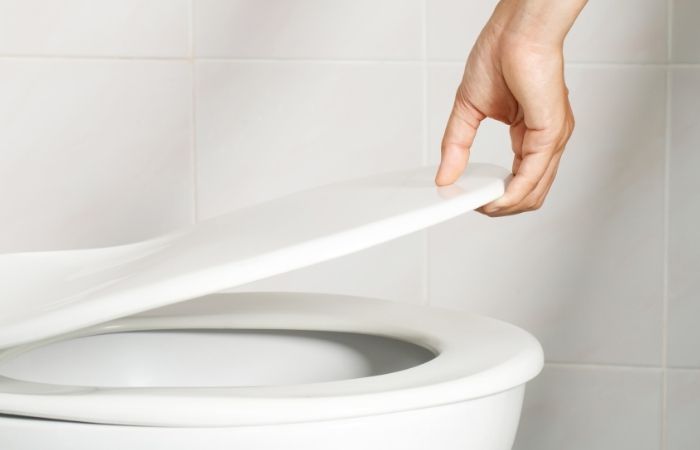
Quick Answer: You cannot catch gonorrhea from a toilet seat. It requires direct mucous membrane contact, usually through sexual activity. Toilet surfaces do not support transmission.
Why People Still Blame the Toilet Seat
In 1973, a woman in New York filed for divorce after discovering her husband had given her gonorrhea. His defense? He said he must have picked it up from a gas station bathroom. This wasn’t just a desperate excuse, it reflected a long-standing cultural myth that STDs were dirty diseases spread by dirty places, not people or actions. The “toilet seat defense” has been used in courtrooms, tabloid stories, and awkward family discussions for decades. And while it's almost always medically impossible, it's emotionally convenient.
Blaming an inanimate object distances us from feelings of guilt or betrayal. If you’ve been monogamous, or celibate, or simply don’t see yourself as “the type of person who gets an STD,” a toilet seat becomes an emotionally safer suspect. But this defense can also delay diagnosis, drive wedges between partners, and stop people from getting the care they need. It's not just inaccurate, it’s harmful.
Still, the myth didn’t appear out of nowhere. Public restrooms feel gross, and gonorrhea affects genitals, which creates an intuitive (but false) association. Add in early sex-ed that’s vague or fear-based, and you’ve got the perfect storm for misinformation to thrive.
What the Science Really Says About Transmission
Gonorrhea is caused by a bacteria called Neisseria gonorrhoeae. It's transmitted when this bacteria moves from one person's mucous membranes to another’s. That means mouth, vagina, penis, rectum, or eyes, places with moist, delicate tissue. It doesn’t survive well on dry surfaces. And it dies quickly outside the human body, especially on cold, hard, or dry materials like toilet seats.
A few older lab studies have tried to test how long gonorrhea could theoretically survive on surfaces. Most found it became nonviable within minutes, and it didn’t spread infection even when applied directly in high concentrations. To pass between people, it needs close, warm, moist environments, and even then, the window is narrow. So unless you’re rubbing a freshly infected genital against a surface seconds after someone else did (and even that’s a stretch), the odds are essentially zero.
Let’s ground this in hard data:
| Surface | Survival Time for Gonorrhea (Approx.) | Risk of Transmission |
|---|---|---|
| Toilet seat (plastic or metal) | < 1 minute | Negligible to none |
| Wet towel (shared immediately) | 1–2 minutes | Extremely low |
| Sex toy without cleaning | Minutes to hours (depending on moisture) | Moderate if reused without sanitation |
| Human mucous membranes (mouth, genitals, rectum) | Active infection | High if direct contact occurs |
Figure 1. Approximate survival times for Neisseria gonorrhoeae on various surfaces. These estimates are conservative and represent extreme lab conditions, not real-world exposure.

People are also reading: Lesbian STDs 101: Myths, Symptoms, and How to Get Tested Without Being Dismissed
“But I Didn’t Have Sex…”: When the Diagnosis Doesn’t Match the Behavior
Let’s go back to Amari. After receiving his positive result, he racked his brain. No vaginal or anal sex. No oral sex. No kissing. Nothing that counted as "sex" in his book. Eventually, during a phone consult with a sexual health nurse, he admitted to a drunken hookup six months prior. Just a little grinding, he said. "Clothes mostly stayed on. It didn’t even count." But it might have. Gonorrhea doesn’t need full penetration to spread. In some cases, oral-genital contact or even fingering after genital contact can introduce enough bacteria for transmission, especially if microscopic tears in the skin are involved.
There’s also another common situation: a partner was not as exclusive as they claimed. You might have trusted someone fully, and they swore they were clean. You might even have tested together, weeks or months ago. But if they were exposed more recently, or never tested for oral or rectal sites, a hidden infection could’ve gone undetected. It’s painful to consider. But it doesn’t mean they’re a monster, or that you’re foolish. It just means STDs move quietly, and trust doesn’t equal immunity.
If you’re sitting with a result that makes no sense, know this: you’re not dirty, you’re not broken, and you’re not alone. The science is clear, and so is your next step. Keep reading.
What About Shared Towels, Pools, or Underwear?
Shira had just come back from a girls’ weekend in Palm Springs. They’d shared a rental, lounged in the hot tub, and passed around towels like candy. A week later, she started feeling a burning sensation when she peed. Her test? Positive for gonorrhea. “It had to be from one of the towels,” she told her doctor. “I didn’t even hook up with anyone.” The truth? Her ex, whom she’d “only kissed,” had given her oral sex a few weeks earlier, something she hadn’t even counted as sex.
Myths about non-sexual transmission come from plausible-sounding logic: wet towels feel intimate, hot tubs feel steamy, underwear touches genitals. But when it comes to gonorrhea, the science holds firm. The bacteria doesn't thrive in chlorine, dies rapidly on fabrics once they start drying, and requires specific mucous membrane contact to infect someone. The actual risk is infinitesimal compared to unprotected oral sex or genital-to-genital contact.
Let’s lay out some common myths and what science says:
| Claim | Scientific Reality | Transmission Risk |
|---|---|---|
| You can get gonorrhea from a public pool or hot tub | Chlorine kills most pathogens; water dilutes bacteria quickly | Zero |
| Shared underwear spreads STDs | Bacteria die fast outside the body; dry fabric is hostile | Negligible |
| Sitting on a warm toilet seat after someone infected | Temperature doesn’t override need for mucous membrane contact | Zero |
| Using a bidet or showerhead someone else used | Water flow, dilution, and lack of mucosal contact block transmission | Zero |
| Touching infected fluids then touching yourself | Needs immediate contact with mucosa; risk rises only if deep penetration follows | Very low unless direct insertion occurs |
Figure 2. Surface and fluid exposure myths debunked by transmission science. These examples reflect real patient concerns brought to clinics and community health lines.
Order Now $129.00 $343.00 Check Your STD Status in Minutes
Test at Home with Remedium
7-in-1 STD Test Kit
 For Men & Women
 Results in Minutes
 No Lab Needed
 Private & Discreet
For all 7 tests
When Shame Leads to Silence, And Silence Delays Care
It’s easy to focus on the science. But shame can drown out science in seconds. Xavier, 22, delayed treatment for nearly a month after his positive test because he couldn’t make sense of it. “I hadn’t slept with anyone in months. I started wondering if someone had used my toothbrush. I spiraled.” His symptoms worsened, eventually developing into testicular pain, a sign the infection had spread. What could have been a routine antibiotic course turned into a more invasive regimen.
The longer someone believes they didn’t do anything "worthy" of getting an STD, the longer they may delay treatment. The myth about the toilet seat is not only wrong from a medical point of view, but it also makes it harder to get care. It lets confusion and denial grow, especially in places where sex education is limited, abstinence is stressed, or certain identities are looked down upon. A positive gonorrhea test doesn't mean you did something wrong. It shows that your body needs care and attention.
If you're navigating a test result that doesn’t add up, this is your reminder: your story matters, even if it doesn’t follow a textbook. You deserve clarity, not confusion. And you can get it without stepping into a clinic if that feels safer.
Whether it’s a burning sensation or just that knot in your stomach, don’t wait and wonder. This at-home combo test kit checks for gonorrhea and other common STDs discreetly and quickly, so you can stop second-guessing and start healing.
The Reality of Oral and Asymptomatic Gonorrhea
Here’s what most people don’t know: gonorrhea isn’t always genital. In fact, it thrives in the throat, and oral infections rarely show symptoms. You could receive unprotected oral sex from someone who has no clue they’re infected and walk away with a throat infection that gets missed on a standard urine test. That infection could then pass to another partner through oral-genital contact, without anyone realizing they’re part of a chain.
It’s even possible to self-transmit gonorrhea by using the same fingers or sex toys on different body parts without cleaning in between. None of this requires full-blown intercourse. And none of it looks like the Hollywood version of “someone cheated.” That’s part of what makes the toilet seat myth so attractive, it seems easier to explain than invisible symptoms, half-remembered hookups, or gaps in testing knowledge.
If you've only been tested via urine, you might not know what's lingering in your throat or rectum. Clinics often skip those unless you specifically ask. The good news? Some at-home kits now include multi-site swabs. That’s the kind of testing we need more of, accessible, shame-free, and comprehensive.
Surface vs Symptom: Why Timing (Not Toilets) Explains Gonorrhea
Think back to your last test. Or maybe your last scare. That moment between exposure and results feels like forever. But it’s not just psychological, it’s biological. Gonorrhea has a window period. That’s the time after infection where it’s too early to detect but still present in the body. It also has an incubation period, which is how long it takes symptoms (if they show up at all) to appear.
That window, usually around 2 to 7 days, is what traps people. You might test too early, get a false sense of security, and unknowingly pass it on. Or you might think you were exposed weeks ago, when in fact the infection was more recent. This mismatch creates room for confusion, denial, and finger-pointing.
But here's the thing: toilets don’t have windows or incubations. People do. Bacteria like Neisseria gonorrhoeae need living tissue to replicate. The moment they're on a dry, non-living surface, they start dying. That’s why even if someone infected used a toilet before you, the odds of transmission are virtually zero. It’s not the seat. It’s the silence, the stigma, and the timing that trick people.
People are also reading: It Burns When I Poop After Sex. Is That an STD?
“Are You Saying I Cheated?”, When Test Results Trigger Accusations
Cara and Janelle had been together for four years. Monogamous, or so they thought. When Cara tested positive for gonorrhea after a routine pap, the conversation at home exploded. “Are you accusing me of cheating?” Janelle yelled. “Or are you saying you did?” Cara insisted she hadn't. Janelle was convinced she hadn’t either. And so the toilet seat theory crept in. “Maybe it was that rest stop bathroom we used on our road trip,” Cara whispered, desperate to land somewhere safe.
These moments are loaded. STDs get tangled with ideas of betrayal, morality, and character. But the bacteria doesn’t care who you love, how long you’ve been faithful, or what you believe about your relationship. It only cares about transmission routes. And yes, sometimes that means one partner had an encounter they didn’t disclose. But sometimes it means one partner had a dormant, undetected infection from before the relationship even began. Gonorrhea can linger without symptoms. It can go undiagnosed for months. And it doesn’t always show up on the first test.
If you or your partner get a positive result, it’s okay to feel scared, angry, or unsure. But don't jump to blame. Jump to clarity. Get a confirmatory test. Ask for multi-site screening. Look at testing timelines. Treat the infection, not the accusation.
The “I Got It from a Toilet” Chart, Excuses vs Evidence
To wrap this section with empathy and clarity, let’s compare some common real-life claims with what science confirms. These aren’t judgments, they’re stories we hear every day. But we owe you the facts.
| Statement | Why It Sounds Plausible | Medical Reality |
|---|---|---|
| “I haven’t had sex in over a year.” | They assume no exposure means no risk. | Gonorrhea can remain undetected, especially in the throat or rectum. |
| “I got it from a toilet seat at work.” | Shared restrooms feel germy and intimate. | Gonorrhea dies within seconds on dry, hard surfaces. |
| “My partner and I are monogamous.” | Trust and exclusivity feel protective. | Undiagnosed STDs can predate the relationship or come from asymptomatic partners. |
| “I only had oral sex. That doesn’t count.” | Sex ed often ignores non-penetrative risks. | Oral transmission of gonorrhea is extremely common, and usually symptom-free. |
| “Someone else used my towel or razor.” | Sharing items feels risky and physical. | Gonorrhea doesn’t survive drying or surface exposure long enough to transmit. |
Figure 3. Matching emotional narratives with medical facts helps reduce shame and improve treatment outcomes. These statements reflect common patient fears and should be met with kindness and accuracy.
Order Now $119.00 $294.00 Check Your STD Status in Minutes
Test at Home with Remedium
6-in-1 STD Test Kit For Men & WomenResults in MinutesNo Lab NeededPrivate & Discreet
For all 6 tests
When You’re Still Not Sure, Next Steps That Bring Peace of Mind
If you’re still playing detective in your own story, pause. Breathe. The bacteria isn’t going to give you a monologue. But your body, your patterns, and your timeline can tell you a lot. Was there unprotected oral sex? Did you test within the right window? Did your partner skip their last test, or only test with urine? All of these are clues, and none of them make you bad, broken, or stupid.
Start with a fresh test if your last one was early. Go for a multi-site kit if your symptoms don't match the results. And don’t be afraid to ask questions, even if you’re embarrassed. That’s what sexual health care is for, to meet you in the weird, confusing, human places where STDs actually live.
If you're still sitting in the “how did this happen?” spiral, you deserve relief. Return to STD Rapid Test Kits and choose the test that fits your situation, not your shame. Your answers are waiting, not judging.
FAQs
1. Can I really get gonorrhea from a toilet seat?
Nope, and not in a “well, maybe under extreme lab conditions” kind of way either. Gonorrhea needs a live handoff between mucous membranes, like genitals, throat, or rectum. A cold plastic toilet seat in a public restroom? Not happening. The bacteria dies too fast to cause any trouble there.
2. But I didn’t have sex... so how did I test positive?
Let’s talk about what “sex” means. If you had oral sex, even once, that counts. If someone used their hands or a toy on you and then didn’t wash in between, that could count too. Gonorrhea doesn’t care about your personal definition of sex, it only needs contact with the right body parts.
3. Could I have picked it up from a hot tub, gym bench, or shared towel?
No, no, and probably no. Hot tubs have chlorine, bacteria hate it. Gym benches are dry and cold, not exactly a cozy bacterial Airbnb. Towels? Unless someone used it on their genitals and then handed it to you soaking wet... it’s not your towel’s fault. These are all myths that stick because they feel believable, but science just doesn’t back them up.
4. Is kissing risky if someone has gonorrhea in their mouth?
Gonorrhea in the throat is real, but kissing isn’t the usual way it spreads. We’re talking mouth-on-genital or mouth-on-anus contact for that transmission route. Regular kissing? Super low risk. French kissing someone with strep? Much more likely to leave you sick than a smooch from someone with oral gonorrhea.
5. What if I share a bed or sleep next to someone with an STD?
You’re safe. Cuddling, skin contact, even sleeping naked next to someone, none of those spread gonorrhea. The bacteria doesn’t crawl, float, or teleport. It needs a ride through direct mucosal contact. So snuggle away (consensually, of course).
6. My partner swears they’ve only been with me. Does that mean the test is wrong?
It’s possible they’re telling the truth, and still had an undetected infection from before you met. Or maybe they tested, but didn’t do oral or rectal swabs. Maybe their last partner didn’t know they had it. Tests are good, but timelines matter. False positives are rare, but confusion? Super common. Get a retest if you’re unsure.
7. How long can gonorrhea hang out in your body without symptoms?
Longer than most people think. Many cases, especially oral or rectal, have zero symptoms. Some folks carry it for weeks or even months without realizing it. That’s why regular testing matters, even if you feel totally fine and your sex life is boring as hell.
8. Can I give myself gonorrhea by touching down there and then my eye?
Kind of, but it’s rare. It’s called autoinoculation, and it’s more likely to happen if you have infected fluids on your hands and immediately rub your eyes. That’s why hygiene matters. Wash your hands before and after anything involving bodily fluids. Your future self (and your eyeballs) will thank you.
9. Does having gonorrhea mean someone cheated?
Not necessarily. It’s complicated. Maybe someone was exposed before your relationship and it just went undetected. Maybe it was a past hookup they forgot about, or didn’t think counted. Or yeah, maybe there was something more recent. Either way, a test result isn’t a morality test, it’s a signal to take care of your body and talk things through honestly.
10. What should I do if I’m still spiraling and don’t know what to believe?
First: breathe. Second: get a confirmatory test, ideally one that checks oral and rectal sites too. Third: talk to someone, a provider, a partner, a friend who won’t shame you. You don’t need to have every answer right now. You just need to move one step closer to clarity. That’s progress.
You Deserve Answers, Not Assumptions
To be honest, STD myths stick because they help people avoid feeling bad. But you came here to find out the truth, even if it's hard to understand. And the truth is that gonorrhea doesn't live on toilet seats. It lives in stories we’re afraid to tell, in encounters we didn’t count as “real sex,” in moments where shame whispered louder than science.
You don’t need to figure it all out alone. And you don’t need to wait weeks for an appointment just to clear your head. This combo test kit checks for the most common STDs and arrives in discreet packaging. Fast. Private. No judgment. Just answers.
How We Sourced This Article: We combined current guidance from leading medical organizations with peer-reviewed research and lived-experience reporting to make this guide practical, compassionate, and accurate.
Sources
2. Planned Parenthood – Gonorrhea Overview
3. Mayo Clinic – Gonorrhea: Symptoms and Causes
4. World Health Organization – Sexually Transmitted Infections (STIs)
5. Planned Parenthood – Gonorrhea
About the Author
Dr. F. David, MD is a board-certified infectious disease specialist focused on STI prevention, diagnosis, and treatment. He blends clinical precision with a no-nonsense, sex-positive approach and is committed to expanding access for readers in both urban and off-grid settings.
Reviewed by: Dr. Lena M. Ortiz, MPH | Last medically reviewed: January 2026
This article is for informational purposes and does not replace medical advice.


