






Quick Answer: Yes, you can be infertile and not know it. Silent STDs like chlamydia and gonorrhea can damage reproductive organs over time without showing symptoms, leading to blocked fallopian tubes, pelvic inflammatory disease, or sperm transport problems.
This Article Is for Anyone Who’s Ever Wondered “What If?”
Maybe you’re trying to conceive and starting to ask hard questions. Maybe you’re in a new relationship and unsure if past partners put you at risk. Or maybe you’ve never been tested and feel overwhelmed by what you might learn. This article is for you. Whether you’re actively planning a pregnancy or just want to understand your body better, knowing how untreated STDs affect fertility can protect your future.
It’s also for anyone who’s been brushed off, ignored, or told it’s “probably nothing.” Because sometimes, nothing turns out to be something, something that steals your options without you realizing it. In the sections below, we’ll walk through how infections cause damage, what symptoms (or lack of them) to look for, how testing works, and what to do if you’re worried it’s too late. We’ll also spotlight stories and data to make this all real, because it is.
What Happens When an STD Goes Undetected?
The body doesn’t always scream when something’s wrong. In fact, many STDs cause subtle or no symptoms at all. Chlamydia, for instance, is asymptomatic in about 70–90% of women and 50% of men, according to CDC estimates. Gonorrhea? Often silent too. When left untreated, these infections can move beyond the surface, climbing into the upper reproductive tract and sparking inflammation that scars tissue, blocks pathways, and disrupts the delicate processes of ovulation, fertilization, and implantation.
In women, this usually manifests as pelvic inflammatory disease (PID), which can form silently and lead to:
- Scarring or blockage of the fallopian tubes
- Ectopic pregnancy risk due to tube damage
- Chronic pelvic pain
- Difficulty conceiving or permanent infertility
In men, untreated STDs can inflame the epididymis or testes, reduce sperm count or motility, or cause obstructions that interfere with ejaculation. While some men notice pain or swelling, others feel nothing, until fertility testing reveals low or absent sperm activity.
The cruel irony? The most damaging infections are often the quietest.

People are also reading: When Antibiotics Leave You Vulnerable to More Than Yeast Infections
The Fertility Fallout: How the Damage Builds
Let’s break it down. Once an STD climbs into the upper reproductive tract, it triggers the immune system. White blood cells and chemicals that cause inflammation rush to the area to try to kill the infection. But in the process, they also hurt healthy tissue. The body then tries to heal the area, but this often means scar tissue, especially in places that are sensitive, like the fallopian tubes or the epididymis. This scarring makes it hard for eggs or sperm to move.
And this doesn't happen overnight. Many people carry infections for months or years without realizing it. They may mistake mild symptoms for yeast infections, bladder irritation, or normal discharge. Or they may feel nothing at all. By the time they seek testing, often due to a new partner, a routine panel, or trouble conceiving, the long-term consequences may already be in motion.
| STD | Common Symptom Status | Possible Fertility Impact |
|---|---|---|
| Chlamydia | Asymptomatic in up to 90% of women | Fallopian tube scarring, PID, tubal infertility |
| Gonorrhea | Often mild or no symptoms | PID, blocked tubes, chronic pelvic pain |
| Trichomoniasis | Often unnoticed in men; mild symptoms in women | Possible increased risk of PID and preterm birth |
| Mycoplasma genitalium | Usually asymptomatic | Emerging evidence links to infertility and PID |
Table 1: Common STDs with silent presentations and potential fertility complications.
For many, the first sign of trouble isn’t pain, it’s the absence of a positive pregnancy test. Month after month. That’s when reproductive health specialists often uncover the truth: past STDs, untreated and forgotten, quietly set the stage years before.
Case Study: “I Found Out Too Late”
Marcus, 34, had never been diagnosed with an STD. He assumed he'd been lucky. But after two years of trying to conceive with his partner, fertility tests revealed severely low sperm motility. Further urological workup pointed to old scarring consistent with past epididymitis, often caused by chlamydia or gonorrhea. He had no idea.
“No one ever told me I should get tested regularly. I didn’t even feel sick. Now we’re looking at IVF.”
His story isn’t rare. In both men and women, the absence of symptoms can delay diagnosis long past the point where antibiotics alone can reverse the damage.
How Testing (Even Now) Can Change Your Story
If this is hitting close to home, take a breath. Knowing your STD status, today, is still a powerful step. Rapid STD tests can detect common infections quickly, and if caught early enough, treatment can stop the damage in its tracks. Even if you’ve had an untreated infection in the past, testing can guide next steps like fertility screening, partner testing, and prevention of future exposure.
You don’t need to wait for symptoms. If you’ve had unprotected sex, even years ago, and never tested for chlamydia, gonorrhea, or other STDs, now is the time. The good news: discreet at-home options exist. You can order a test online, collect your sample in privacy, and get results in minutes or days depending on the method.
Peace of mind doesn’t have to mean a clinic visit. This combo test kit checks for multiple infections from home, no appointments, no waiting rooms, and no judgment.
Check Your STD Status in Minutes
Test at Home with Remedium7-in-1 STD Test Kit
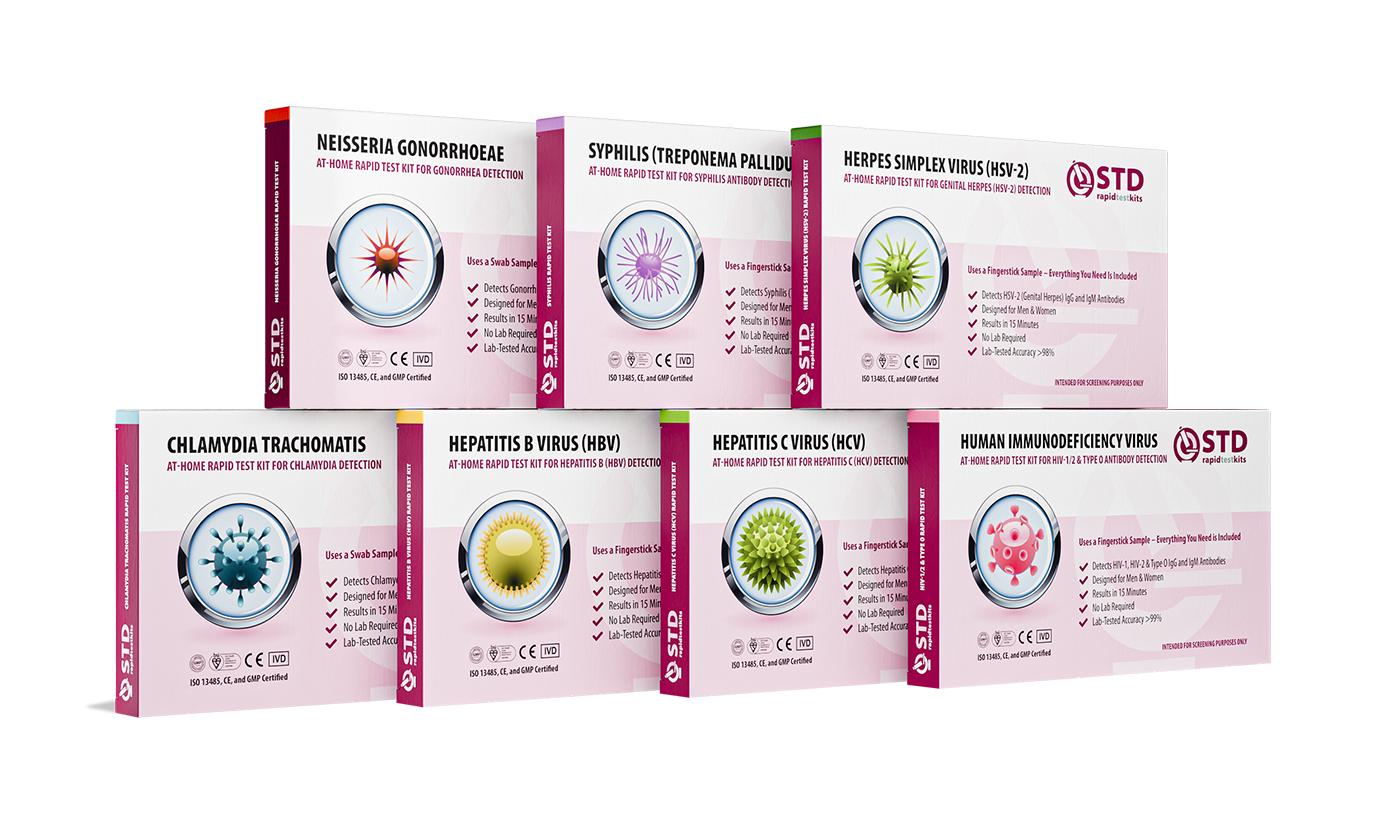
 For Men & Women
 Results in Minutes
 No Lab Needed
 Private & Discreet
Order Now $129.00 $343.00
For all 7 tests
What If It’s Been Years Since You Were Exposed?
This is the question that sits heavy on the chest: “What if I had something years ago and never knew it?”
Here’s the truth: even if an infection has cleared on its own, or been unknowingly treated with antibiotics for another condition, the damage it caused may linger. Scar tissue doesn’t always fade. If chlamydia or gonorrhea made it into the upper reproductive tract before treatment, the inflammation may have left behind adhesions, narrowed tubes, or other structural disruptions. The infection might be gone, but the consequences can remain hidden until fertility becomes a priority.
That’s why reproductive endocrinologists often ask about STD history, even when patients say they’ve “never had anything.” The follow-up question is key: “Have you ever been tested?” Because not having symptoms isn’t the same as never being exposed. And many people assume that if no one ever diagnosed them, they must be in the clear. But the human body doesn’t always offer that kind of transparency.
One study published in the journal Sexually Transmitted Infections found that up to 85% of women with tubal infertility had markers of past chlamydia infection, even though most had never been diagnosed or treated. The takeaway? Silent exposure can still leave permanent footprints.
Silent PID: When There Are No Alarms
PID, pelvic inflammatory disease, is often imagined as a painful, acute illness. But for many, it isn’t. There's a growing body of evidence around what clinicians call “silent PID”: low-grade, chronic inflammation from STDs that slowly damages reproductive structures without causing the dramatic symptoms that typically prompt treatment.
You might not have a fever. You might not have pain. You might not notice a change in discharge. And yet, over time, your tubes or uterus may be sustaining repeated micro-injuries. These add up. Adhesions can form between organs. Tubes can become kinked or blocked. The endometrium may become hostile to implantation. And all of this can be happening in the background while life carries on as normal.
Here’s the frustrating part: many routine gynecological exams don’t pick this up. Pap smears don’t test for chlamydia or gonorrhea. Blood work won’t show scarring. Unless a provider specifically orders an STD panel or imaging, the story stays hidden. That’s why being proactive about testing matters, even if it’s been years since you felt at risk.
| Condition | Often Symptomatic? | Common Fertility Impacts |
|---|---|---|
| Silent PID | No | Tubal scarring, ectopic pregnancy, infertility |
| Symptomatic PID | Yes (pain, fever, discharge) | Same risks, but more likely to be treated |
| Asymptomatic Chlamydia | Yes, very common | Often progresses to PID without detection |
Table 2: How asymptomatic infections can silently damage reproductive health.
The body doesn’t need to shout for damage to be real. Silent STDs are still destructive. And being symptom-free doesn’t mean you’re risk-free.
Male Fertility: The Other Half of the Conversation
Too often, STD-related infertility is framed as a “women’s issue.” But that leaves half the population unprotected and uninformed. In reality, untreated STDs can affect male fertility just as powerfully, and just as silently.
Infections like chlamydia and gonorrhea can cause epididymitis, an inflammation of the coiled tube that stores and transports sperm. If left untreated, the inflammation can lead to scarring that narrows or blocks this passage, interfering with ejaculation or reducing sperm quality. Some men develop testicular swelling or pain. Others have no symptoms at all.
Even when symptoms occur, they’re often misattributed, dismissed as a pulled groin, a gym injury, or temporary irritation. And if a provider doesn't ask about past partners or risky behaviors, the STD connection might never be brought up. By the time semen analysis reveals a problem, tracing it back to an old infection can feel like connecting dots on a burned map.
This is why regular testing matters, even for men who feel healthy. Especially for those trying to conceive, or plan to in the future. If you know your history, you can deal with problems early on and not be caught off guard later.
Real Talk: What Testing Can, and Can’t, Tell You
STD testing gives you answers, but it also has limitations. Most tests detect current infections, not damage done by past ones. So a negative chlamydia test today doesn’t mean you were never exposed, only that you don’t have an active infection now.
If you're worried that an untreated infection from the past could have hurt your ability to get pregnant, you may need to do more. For women, that could mean a hysterosalpingogram (HSG) to look for blocked tubes, a transvaginal ultrasound to check the health of the uterus, or a full infertility workup. Semen analysis, hormone panels, and scrotal ultrasounds can help men find problems.
But testing for STDs is still the best place to start. It rules out active infections that could continue causing damage. It also offers peace of mind, and if a test comes back positive, it opens the door to treatment before more harm is done. Even a single test can be the turning point between ongoing damage and long-term protection.
If you’re wondering what’s happening inside your body, you’re not alone. The guesswork doesn’t have to continue. STD Rapid Test Kits offers FDA-approved at-home tests that are discreet, fast, and reliable.
People are also reading: The Rural Colorado STD Surge No One Is Talking About
Trying to Conceive After a Past STD
So what if you did have chlamydia? What if gonorrhea was diagnosed, and treated, but you’re still not pregnant? What if you were exposed and didn’t know until years later? These aren’t just “what-ifs” for many people. They’re real, painful questions being asked across quiet bedrooms, inside fertility clinics, and in front of bathroom mirrors after another negative test.
First, know this: past infections don’t always equal infertility. Many people who’ve had STDs go on to conceive naturally, even after delayed treatment. The human body is incredibly resilient. Tubes can remain open. Sperm can recover. Inflammation can heal. But when conception doesn’t happen easily, STD history is an important part of the puzzle, and understanding what’s possible can guide your next steps.
Here’s what fertility specialists often recommend after an STD:
- Confirm the infection was fully treated with the right antibiotics
- Get tested again to rule out reinfection or persistent bacteria
- Undergo imaging (like HSG) to assess fallopian tube patency
- Conduct semen analysis to check sperm health and motility
- Explore early interventions if blockage, scarring, or dysfunction is found
Sometimes, the issue isn’t full infertility, it’s reduced fertility. Meaning pregnancy might still happen, but the chances are lower or more time is needed. In these cases, support options range from ovulation tracking to intrauterine insemination (IUI) to full IVF. And while those roads can feel daunting, early action often makes all the difference.
Case Reflection: "We Took It One Step at a Time"
Reina, 32, had chlamydia at 23 and got treated quickly. Her OB reassured her there was likely no damage, but she still chose to check everything when she and her partner decided to try. Her HSG came back normal. Her ovulation patterns were steady. But her partner's semen analysis showed low motility. The likely cause? A bout of untreated gonorrhea in college he had assumed “cleared up on its own.”
"I was so focused on my own body being broken that I didn’t even think to question his past. We went through IUI and conceived after two rounds. But we wouldn’t have even known where to start without testing."
Fertility problems are very hard on your emotions. But splitting the work, testing both partners, talking honestly about STD history, and making a plan together can help you see things more clearly, give you hope, and show you what to do next.
Take Back the Narrative: Testing Is Not Too Late
Even if you feel “too late,” you’re not. Testing is still worth it, because it moves you from fear into facts. It may not reverse what’s already happened, but it empowers you to take back the narrative. You deserve to know what’s going on in your body. You deserve options, not assumptions.
And it doesn’t have to involve waiting rooms or awkward conversations. At-home STD tests like the Combo STD Home Test Kit let you screen for the most common infections from your own space. No judgment. No delay. Just answers.
Whether you’re thinking about the future or trying right now, consider this: one small test could change everything. It could explain what’s been happening. It could reassure you that you’re clear. Or it could catch something before it causes further harm. Whichever it is, knowledge is power. And you deserve that power in full.
If your head keeps spinning, peace of mind is one test away.
Check Your STD Status in Minutes
Test at Home with Remedium8-in-1 STD Test Kit
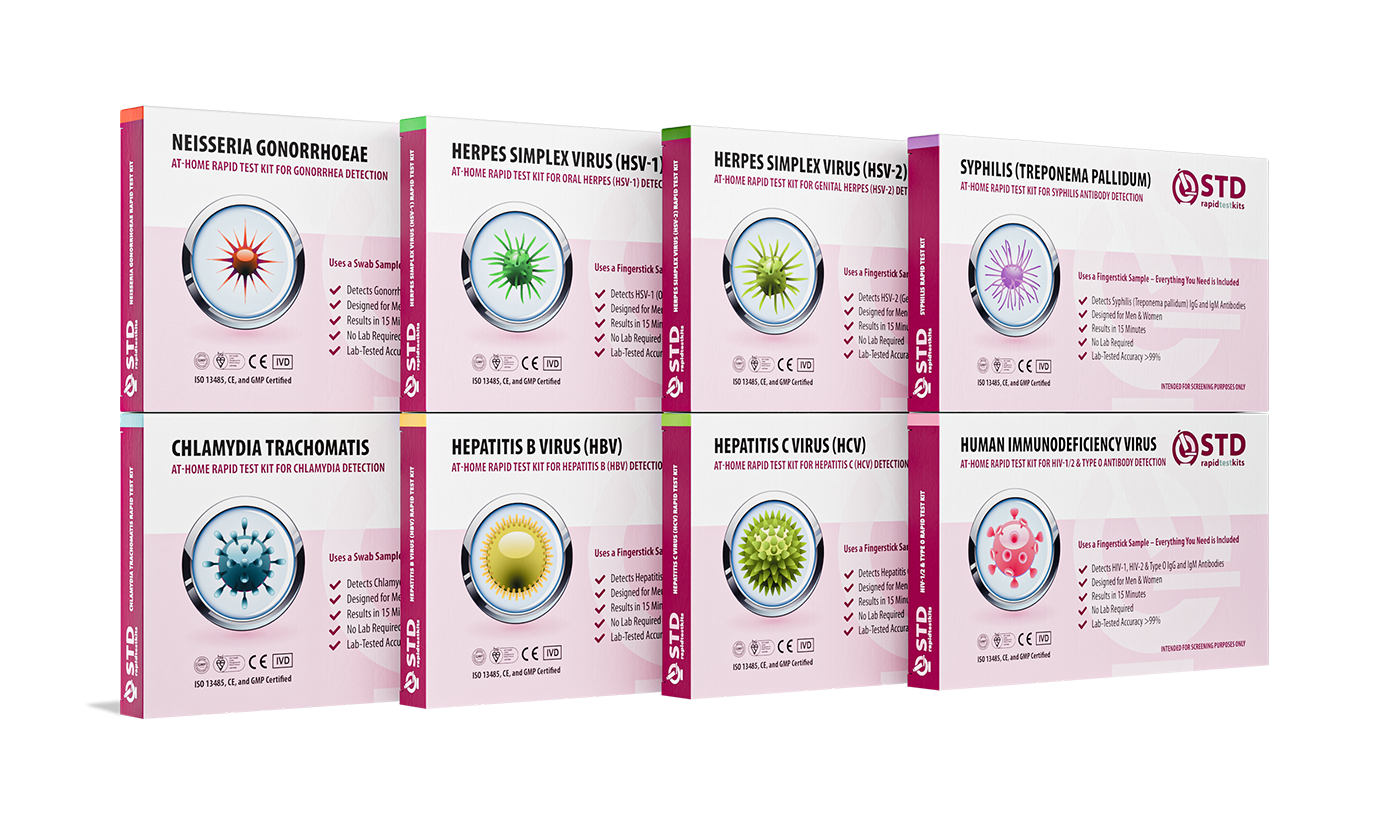 For Men & WomenResults in MinutesNo Lab NeededPrivate & Discreet
Order Now $149.00 $392.00
For all 8 tests
Understanding the Timeline: When Damage Can Occur
Time matters, but not in the way most people think. You don’t become infertile from an STD overnight. Damage builds gradually, depending on the type of infection, your immune response, and how long the bacteria stays in your system. For some, serious complications arise within months. For others, the process may take years.
But once scarring begins, it rarely reverses. That’s why early detection is the single best way to protect fertility. And that’s also why so many people who feel "fine" delay testing, until it's too late to prevent, only to manage.
| Time Since Exposure | Possible Developments | Testing/Treatment Window |
|---|---|---|
| 0–14 days | Early bacterial growth, usually no symptoms | Tests may detect infection; treatment is most effective |
| 2–12 weeks | Infection spreads to upper tract (risk of PID or epididymitis) | Testing still highly effective; damage may begin |
| 3–12+ months | Scarring, tube blockage, fertility impairment begins | Infection may no longer be detectable, but damage persists |
Table 3: General timeline of untreated STD progression and impact on fertility.
Keep in mind: these are averages. Everyone’s body is different. But waiting “just to see” increases the odds that something preventable becomes permanent.
FAQs
1. Can I really be infertile and not even know it?
Yes, and it’s more common than you think. Many people carry chlamydia or gonorrhea without symptoms, especially women. The infection creeps upward into the reproductive tract, and by the time you're trying to conceive, scar tissue may already be in place. No warning. No fever. Just a blocked tube discovered years later.
2. What if I had an STD ages ago but never got tested?
That question keeps a lot of people up at night. If you were exposed and never treated, there’s a chance some damage occurred, especially if it’s been years. But that doesn’t mean game over. Many people still conceive naturally after past infections. Testing now can help you understand where things stand and what comes next.
3. Does it matter if I’ve never had symptoms?
That’s actually why this issue is so dangerous. Most people *don’t* have symptoms. You could feel totally fine and still have had an infection causing damage behind the scenes. In fact, over 70% of chlamydia cases in women have no symptoms at all. Silence doesn’t equal safety.
4. I tested negative today, so I’m in the clear, right?
Mostly, yes. A negative test means there’s no current infection. But it can’t tell you if you had something months or years ago that already did its damage. If you’re concerned about fertility, you may need further testing like a hysterosalpingogram or semen analysis to look at the bigger picture.
5. Can men lose fertility from STDs too?
Definitely. It’s not just a female problem. STDs can mess with sperm production, block the tubes that carry sperm, and even shrink the testicles over time if inflammation goes untreated. And like in women, most guys don’t notice a thing until they get a sperm test, and realize something’s off.
6. Will antibiotics fix everything?
They’ll kill the infection, yes, but they can’t reverse any scarring that’s already happened. That’s why timing matters so much. Catching it early = stopping the damage. Catching it late = managing what’s already broken. Either way, treatment still helps stop future problems.
7. What if my partner had an STD and never told me?
Oof, this happens more than people admit. They may not have known. They may have assumed it went away. But if you’ve had unprotected sex, even once, it’s smart to test. And if you’re trying to get pregnant, both partners should get screened. It’s not about blame. It’s about moving forward with facts.
8. Is trichomoniasis a fertility risk too?
not as infamous as chlamydia or gonorrhea, but yep, it can raise the risk of PID in some cases, especially if untreated. And it's sneaky. Most men don’t get symptoms. Some women think it’s just a yeast infection. But it’s worth checking for, especially if you’re TTC (trying to conceive).
9. Can I use a test at home or do I need to visit a clinic?
You can absolutely start with an at-home test, especially if going to a clinic feels like a whole ordeal. Kits like the Combo STD Home Test Kit check for the big ones (chlamydia, gonorrhea, trich) and are super discreet. If anything comes up positive, or if you want to confirm past damage, you can always loop in a provider later.
10. How do I protect my fertility moving forward?
Test early. Test often. Use protection with new partners. Treat infections fast. And don't assume feeling fine means everything’s fine. If you’re planning for a family (now or someday), staying ahead of STDs is one of the best things you can do for your future self.
You Deserve Answers, Not Assumptions
Infertility isn’t always a mystery. Sometimes, it’s the quiet aftermath of an infection that never made a sound. If you’ve never been tested, or if it’s been years, it’s not too late. Testing today could change everything: your peace of mind, your treatment options, your path to parenthood.
Get the clarity you deserve instead of waiting and wondering. This at-home combo test kit swiftly and covertly checks for the most prevalent sexually transmitted diseases.
How We Sourced This Article: We combined current guidance from leading medical organizations with peer-reviewed research and lived-experience reporting to make this guide practical, compassionate, and accurate.
Sources
2. World Health Organization – STI Overview
3. Mayo Clinic – Pelvic Inflammatory Disease
4. Sexually Transmitted Diseases and Infertility | PMC (NIH)
5. Pelvic Inflammatory Disease: Guidelines for Prevention | CDC
6. Chlamydia - StatPearls (NIH Bookshelf)
7. Chlamydia Fact Sheet | World Health Organization (WHO)
8. Infertility Following Pelvic Inflammatory Disease | PubMed
9. Chlamydia Infections | MedlinePlus (NIH)
10. HIV, HPV and Chlamydia trachomatis: Impacts on Male Reproductive Health | PMC (NIH)
About the Author
Dr. F. David, MD is a board-certified infectious disease specialist focused on STI prevention, diagnosis, and treatment. He blends clinical precision with a no-nonsense, sex-positive approach and is committed to expanding access for readers in both urban and off-grid settings.
Reviewed by: Jasmine Kwon, NP | Last medically reviewed: January 2026
This article should not be used as a substitute for medical advice; it is meant to be informative.


