







Quick Answer: Yes, men can get yeast infections from sex, especially if their partner has an active infection. Symptoms in men include itching, redness, burning during urination, and white discharge or rash around the head of the penis.
When “Just Irritated” Might Be a Yeast Infection
Jordan, 32, figured it was just the cheap lube. A couple of days after sex with his long-term girlfriend, he started feeling itchy. The head of his penis looked red and raw. He brushed it off. “Probably nothing,” he told himself. But by the third day, the itch turned into a burning sting whenever he peed, and a faint white film was showing up in the creases of his foreskin.
What Jordan had was something most guys don’t even realize exists: a male genital yeast infection. Unlike STDs like chlamydia or gonorrhea, yeast infections aren’t technically “sexually transmitted diseases.” But that doesn’t mean sex isn’t a trigger. If a partner has a vaginal yeast infection, it’s possible for her to pass that infection during unprotected sex. And in men, it often flies under the radar, until it doesn’t.
So… Can You Get a Yeast Infection from a Partner?
Yes, especially if your partner is currently experiencing a yeast infection and you’ve had genital-to-genital contact. While Candida albicans (the fungus responsible for most yeast infections) is part of our body’s normal flora, sex can throw off your personal balance, especially if there’s already an overgrowth present in one partner. And it doesn’t require penetrative sex. Skin-to-skin contact, oral sex, or even shared sex toys can transfer candida.
This transmission isn’t classified as an STD because the yeast is naturally found in the body. But sex can be the delivery system. Men who are uncircumcised, recently used antibiotics, or have diabetes are particularly vulnerable. The warm, moist area under the foreskin is a perfect breeding ground if the body’s usual defenses are off.
| Risk Factor | Why It Matters |
|---|---|
| Unprotected vaginal sex with a partner who has yeast infection | Increases exposure to Candida overgrowth |
| Uncircumcised penis | Moisture and folds create an ideal fungal environment |
| Recent antibiotic use | Disrupts your normal microbiome, allowing fungi to grow |
| Diabetes or high blood sugar | Fungi thrive in sugar-rich environments |
| Sharing sex toys or poor hygiene | Can spread yeast between partners |
Table 1. Factors that increase risk of male yeast infections after sexual contact.

People are also reading: Why That Rash Won’t Go Away, And Might Be Syphilis
What a Yeast Infection Looks Like on a Man
Here’s where it gets tricky. A lot of symptoms of a male yeast infection look like other things: herpes, chlamydia, gonorrhea, even allergic reactions. That’s why so many men panic, or do nothing.
The classic signs? A red, irritated head of the penis (especially under the foreskin), itching, burning, and sometimes a thick, white substance that looks like cottage cheese. You might also see shiny patches, cracked skin, or small blisters. Peeing might sting. Sex might feel painful. And yes, it might go away on its own, but if it doesn’t, it can worsen fast.
In men who are circumcised, symptoms may stay more surface-level: itching or flaky skin. In men who are uncircumcised, the infection can hide under the foreskin and cause swelling or phimosis (tightening that makes the foreskin hard to retract).
Why It Gets Misdiagnosed as an STD (Or Missed Entirely)
Here’s the part no one tells you: a yeast infection on the penis doesn’t look the same on everyone. And a lot of online images or advice just make things worse. You type “penis rash after sex” into Google and land in a rabbit hole of STI warnings, forums with horror stories, and self-diagnosis chaos.
Malik, 27, went to urgent care convinced he had herpes. “There was this red, shiny patch that burned when I touched it,” he said. But the test came back negative. The doctor eventually asked if he’d recently used antibiotics, he had. That tipped them off. It was a yeast infection. Not an STD. No shame. No drama. Just a fungal imbalance that needed over-the-counter treatment.
Unfortunately, men with yeast infections often end up overtreated for STDs or ignored entirely if they don’t have classic discharge symptoms. That’s why it's critical to get the right kind of test, or at least recognize when your body’s sending distress signals.
If you're unsure whether your symptoms point to an STD or a yeast infection, an at-home test can help you rule out common infections before trying antifungals. It’s quick, discreet, and can help you avoid unnecessary antibiotics.
Check Your STD Status in Minutes
Test at Home with Remedium6-in-1 STD Rapid Test Kit

 For Men & Women
 Results in Minutes
 No Lab Needed
 Private & Discreet
Order Now $119.00 $294.00
For all 6 tests
How Testing (and Timing) Can Help You Tell the Difference
There’s no standard yeast infection test for men, but there are ways to rule things out. If you’ve had unprotected sex recently and start seeing symptoms, your first thought might be: “I caught something.” That fear is valid. But testing for the big STDs, like chlamydia, gonorrhea, and herpes, can often show you what it’s not, which is just as important.
In many cases, men with yeast infections test negative for STDs. That’s the “aha” moment when doctors start considering candida. Timing matters too. Most STD tests become accurate around 1–2 weeks after exposure. If you’re testing on day three, you might get false negatives for STDs and assume everything’s fine, when in fact, your symptoms could be fungal or just too early to catch.
If symptoms include thick discharge or strong odor, that’s more consistent with bacterial infections. But when the signs are surface-level (rash, itch, redness), a yeast infection becomes more likely. That’s where a good rapid test can guide your next steps. If it’s negative, and your symptoms match the yeast profile, you may not need antibiotics, you may just need an antifungal cream.
| Symptom | More Likely Yeast Infection | More Likely STD |
|---|---|---|
| Itching without discharge | Yes | Sometimes (herpes, pubic lice) |
| Thick white coating on penis | Yes | Rare |
| Pain during urination | Occasional | Common |
| Open sores or blisters | No | Yes (herpes, syphilis) |
| Red rash or dry patches | Yes | Sometimes |
Table 2. Comparing common symptoms of yeast infections and STDs in men.
What Treatment Looks Like (And When to See a Doctor)
If it’s your first time experiencing these symptoms, don’t self-diagnose and move on. Yeast infections are treatable, but they need the right care. Over-the-counter antifungal creams like clotrimazole (Lotrimin) or miconazole (Monistat) can help, even though they’re marketed for vaginal use. For men, they’re applied to the head of the penis and surrounding skin twice daily for 7–14 days.
Some men see relief within a few days, especially if the cause (like sexual contact or antibiotics) is no longer present. But if symptoms worsen, or if you develop swelling, fever, or spreading rash, it’s time to see a provider. Sometimes, a yeast infection gets secondarily infected by bacteria, or is masking something more serious.
Diego, 41, tried everything from tea tree oil to diaper rash cream before finally going to a clinic. “It wasn’t going away,” he said. “Turned out I had both a yeast infection and a bacterial skin infection.” They prescribed a combination antifungal and antibiotic cream, and within a week, his skin looked normal again.
If you’ve had multiple yeast infections, get checked for diabetes. High blood sugar levels can fuel recurring candida issues, especially if you're uncircumcised or living in a humid environment.
Does It Mean You’re Dirty? (Short Answer: No)
Let’s be clear: getting a yeast infection doesn’t mean you’re unhygienic, reckless, or gross. It means your body’s balance tipped, and candida took advantage. That can happen from friction during sex, sweating too much, skipping showers after the gym, or just wearing tight synthetic underwear. If your partner had an active infection, even more likely.
It’s also not your fault. Too often, guys feel embarrassed or ashamed to talk about anything affecting their genitals, especially if it’s not obviously an STD. But keeping quiet doesn’t help. The sooner you recognize the symptoms and take action, the faster it clears up. You’re not alone in this. And the fix is usually easier than you think.
STD Rapid Test Kits offers combo test options that help you confidently rule out other infections if you’re unsure. That way, you're not guessing, or spiraling.
How to Prevent It from Coming Back
Once it’s treated, most men want to make sure it never happens again. That’s where prevention comes in. While yeast infections can’t always be avoided, you can reduce your chances significantly.
Start with hygiene, but not over-cleaning. Use mild, unscented soap. Rinse well. Pat dry. Don’t scrub your foreskin raw or use deodorants near your groin. Wear breathable underwear, change out of sweaty clothes quickly, and wash gently after sex. If your partner has a yeast infection, hold off on sex until treatment is complete, then resume with condoms for a while.
And if you're on antibiotics or have a compromised immune system, check your body for early signs of candida. The earlier you catch it, the easier it is to treat. For recurring issues, ask your provider about oral antifungal options like fluconazole.
If you’ve got questions about what’s normal and what’s not, or need to double-check symptoms that just don’t feel right, this combo test kit offers peace of mind without the awkward clinic visit. It’s private, fast, and doctor-trusted.
People are also reading: Caught It From a Kiss? Debunking Hepatitis B Myths
Is It a Yeast Infection or Just a Bad Reaction?
Sometimes, a little redness or burning shows up after sex, and your brain goes straight to the worst-case scenario. But not every itch or patchy spot means infection. Friction, lube ingredients, latex sensitivity, or even laundry detergent can trigger irritation that feels serious but fades fast. So how do you know?
If the irritation lasts more than 48 hours, gets worse instead of better, or comes with a strange smell, discharge, or a visible white coating, it’s time to consider a yeast infection. Especially if you’ve had unprotected sex, taken antibiotics recently, or notice the same symptoms after multiple encounters.
Here’s the trick: yeast infections don’t always come with big dramatic signs. Sometimes it’s just a creeping itch and skin that looks… off. If it feels like your skin isn’t healing the way it should, don’t wait. Test first, treat second, stress less.
Why Yeast Infections Hit Harder When You’re Stressed
You’re not imagining it: your body really does get weird when you’re stressed. Your immune system lowers its guard, your sleep gets worse, your diet slips, and for some guys, that opens the door for yeast infections to flare.
Fungal overgrowth isn’t just about sex or hygiene. Candida is opportunistic. If your body’s defenses are down, it takes the shot. That’s why people recovering from illness, working night shifts, or dealing with chronic anxiety sometimes get yeast symptoms out of nowhere. Add in a little sweat, poor airflow, and a skipped shower, and things can snowball.
The good news? Awareness helps. If you’ve had a yeast infection before and feel that familiar itch creeping in during a high-stress week, treat early. Hydrate, switch to breathable cotton underwear, and give your body room to fight back. And if you’re not sure it’s yeast? Rule out other infections first.
Check Your STD Status in Minutes
Test at Home with Remedium8-in-1 STD Test Kit
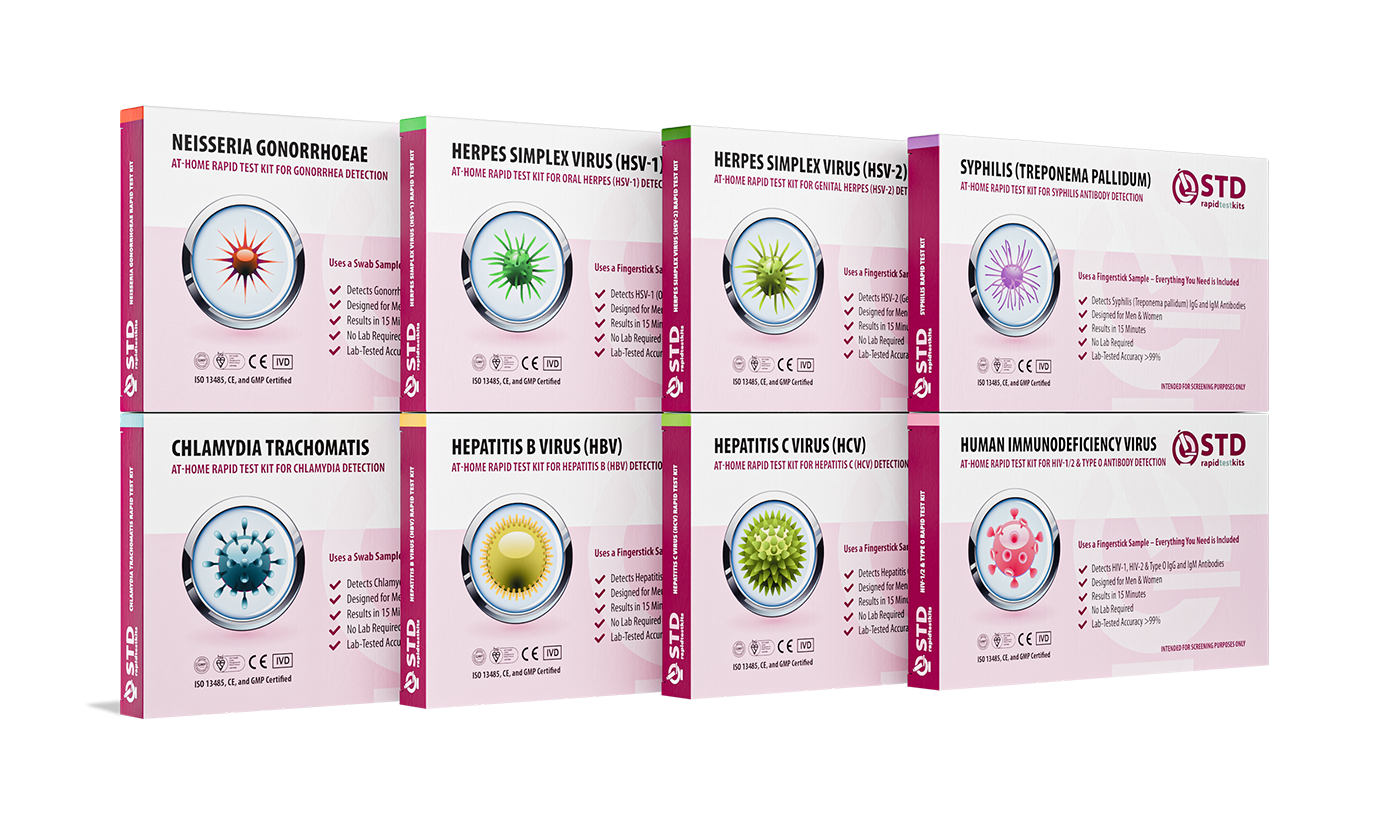 For Men & WomenResults in MinutesNo Lab NeededPrivate & Discreet
Order Now $149.00 $392.00
For all 8 tests
You Can Get a Yeast Infection Without Sex, Here’s How
One of the biggest myths around male yeast infections is that they only happen after sex. The truth? Candida doesn’t care if you’ve been celibate for six months or had a dry spell since college. It’s a fungus that lives on your skin already, and when the conditions are right, it grows.
Things like antibiotics, excessive sweating, tight underwear, poor hygiene (or even over-cleaning), and high blood sugar can all trigger an overgrowth. So can hormonal shifts and immune suppression. If you’re uncircumcised, that risk goes up due to moisture and lack of airflow under the foreskin.
So if you’re feeling that familiar itch and thinking, “But I haven’t even had sex lately,” don’t dismiss it. Yeast infections aren’t always about partners, they’re about imbalance. And getting answers fast is better than waiting it out.
FAQs
1. Wait… men can really get yeast infections?
Yes. And not in a rare, medical-journal-only way. It happens all the time. Most guys just don’t have a name for what they’re dealing with, so they assume it’s irritation, bad soap, or something they’ll “walk off.” Yeast infections in men are real, common, and usually very fixable once you know what you’re looking at.
2. Can I get a yeast infection from having sex with my partner?
You can, especially if your partner has an active yeast infection. It doesn’t mean anyone cheated or did anything wrong. Candida can pass during skin-to-skin contact, and if your body’s balance is already a little off, it can take hold fast. Think of it less like “catching something” and more like a shared ecosystem tipping the wrong way.
3. What does a male yeast infection actually feel like?
Annoying is usually the first word guys use. Itching that won’t quit. A burning feeling that shows up when you pee or after sex. Skin that looks red, shiny, or irritated, especially around the head of the penis. Some men notice white residue or flaking. Others just feel uncomfortable in their own skin. If you keep adjusting and thinking, “This isn’t normal,” that’s your cue.
4. How do I know it’s not an STD?
You don’t always know at first, and that’s okay. Yeast infections can overlap with STD symptoms, which is why so many guys spiral. A big clue is surface irritation without deeper pain or sores. But guessing isn’t a strategy. Testing rules out the big stuff and lets you treat the right thing instead of throwing random creams at the problem.
5. Is it normal if it showed up a few days after sex?
Very normal. Yeast infections don’t always announce themselves immediately. Sometimes it’s a slow burn: friction during sex, moisture, a little imbalance, then boom, symptoms two or three days later. That delay is one reason people get confused and assume it must be something else.
6. Can I just use over-the-counter treatment?
In many cases, yes. Antifungal creams like clotrimazole or miconazole are commonly used and often work well. The key is consistency. A lot of guys stop as soon as things feel better, then wonder why symptoms creep back. Finish the full course. If nothing improves after a week, or things get worse, that’s when you bring in a professional.
7. Do I need to stop having sex?
Temporarily, yes, and not as a punishment. Sex can irritate healing skin and pass yeast back and forth between partners. Giving your body time to reset usually shortens the whole ordeal. Once symptoms clear and treatment is done, you’re good to go again, ideally with protection at first.
8. Why does this keep happening to me?
Recurring yeast infections are your body waving a bigger flag. Sometimes it’s frequent antibiotic use. Sometimes it’s high blood sugar or diabetes that hasn’t been diagnosed yet. Sometimes it’s reinfection from a partner who doesn’t have symptoms. If this is your third round, it’s worth digging deeper instead of just treating the surface.
9. Should I tell my partner?
Yes, and it doesn’t have to be dramatic. A simple “Hey, I’m dealing with a yeast infection and we should both get checked or treated” goes a long way. This isn’t about blame. It’s about not passing the same thing back and forth for months.
10. What if I’m embarrassed to go to a clinic?
You’re not alone. A lot of men avoid care because they don’t want the awkward conversation. That’s exactly why at-home testing exists. Ruling out STDs privately can give you clarity and confidence before you decide what to treat and how.
Bottom line, should I be worried?
Concerned enough to pay attention. Not worried enough to panic. Yeast infections are uncomfortable, but they’re usually manageable once you stop guessing and start responding. Your body isn’t broken. It’s just asking for a little backup.
You Deserve Answers, Not Assumptions
Too often, men brush off genital irritation as "nothing", or spiral into panic over what it could be. The truth is, a yeast infection doesn’t mean you’re dirty or promiscuous. It means your body is out of balance, and you deserve clarity, not shame. Whether you got it from sex, antibiotics, or a combination of stress and sweat, it’s treatable, and common.
Don't wait in confusion. This at-home combo test kit helps you rule out STDs while giving you the confidence to address symptoms without fear. Privacy matters. So does peace of mind.
How We Sourced This Article: We combined current guidance from leading medical organizations with peer-reviewed research and lived-experience reporting to make this guide practical, compassionate, and accurate.
Sources
2. Candida Balanitis: Symptoms and Causes of Male Yeast Infection
3. How do I know if I have a yeast infection in men?
4. Sex During Vaginal Infection: Is It Harmful?
5. CDC – Symptoms of Candidiasis
6. Balanitis – StatPearls, NCBI Bookshelf
7. Penis Health: Identify and Prevent Problems
8. Fluconazole (Oral Route) – Mayo Clinic
9. Betamethasone and Clotrimazole (Topical Route) – Mayo Clinic
About the Author
Dr. F. David, MD is a board-certified infectious disease specialist focused on STI prevention, diagnosis, and treatment. He blends clinical precision with a no-nonsense, sex-positive approach and is committed to expanding access for readers in both urban and off-grid settings.
Reviewed by: Dr. A. Collins, DO | Last medically reviewed: January 2026
This article is for informational purposes and does not replace medical advice.


