







Quick Answer: Yes, you can test positive for an STD even if you haven’t had sex recently. Some infections lie dormant for years or never show symptoms at all. Celibacy doesn’t erase past exposure.
This Article Is for the "Wait, How Is That Even Possible?" Crowd
If you’ve ever stared at a positive result thinking, “But I haven’t even been with anyone in forever,” this article is for you. Maybe you're celibate by choice, or maybe life, trauma, or health reasons have kept you out of the dating game. Either way, you probably assumed you were in the clear.
Here’s the truth: a lot of STDs don’t care if you’re currently celibate. They care whether you’ve ever been exposed. And exposure doesn’t always look like what we think. For some, it was a partner years ago who didn’t know they were infected. For others, it was oral sex, shared toys, or a single moment of vulnerability. The body doesn't reset just because your sex life did.
We’re going to walk you through why STD testing can still matter, even if you’ve sworn off hookups or haven’t touched another body in years. Along the way, we’ll break down what dormant really means, which infections stay hidden, and how to handle surprise positives with calm, not shame.
What Dormant Really Means (And What It Doesn’t)
Let’s clarify one thing: STDs don’t disappear just because you stop having sex. “Dormant” is not the same as “gone.” It simply means an infection isn’t currently causing symptoms or replicating fast enough to set off alarms in your body. But under the surface, some pathogens are still there, quiet, waiting, and capable of flaring back up or being transmitted unknowingly.
The fact that herpes can stay dormant is what it's most known for. After the initial outbreak, it can go silent for months or years. You might never see a blister again, but the virus still lives in your nerve pathways. Some people can get rid of other infections, like HPV, but others can't. Stress or changes in the immune system can cause these infections to come back. And then there’s chlamydia and gonorrhea, the silent spreaders. They often cause zero symptoms, especially in people with vaginas, and can linger in the body for months, or longer, if untreated.
What this means: just because you feel fine doesn’t mean you’re infection-free. And just because you’ve been abstinent doesn’t mean your body has forgotten the past.
Let’s Talk Timelines: How Long Can STDs Go Undetected?
Some infections can live quietly in your system for weeks, months, or even years without making a sound. Here's a look at how long common STDs can go undetected, especially if you're not screening regularly or only test when symptoms appear (which many never do).
| STD | Can It Be Asymptomatic? | How Long Can It Stay Undetected? | Can It Reactivate? |
|---|---|---|---|
| Chlamydia | Yes, very often | Months to years | No, but reinfection is common |
| Herpes (HSV-1/2) | Yes, especially genital HSV-1 | Lifetime dormancy with reactivation | Yes, triggered by stress or illness |
| HPV | Yes | Years; may be cleared or suppressed | Yes, especially if immune system weakens |
| HIV | Often no early symptoms | Years without detection if not tested | Progressive without treatment |
| Syphilis | Yes (latent stage) | Decades in late stages | Yes, can cause severe complications |
Table 1. Dormancy and detection windows for common STDs. Testing matters even in the absence of symptoms.

People are also reading: 5 STD Myths Keeping Rural Idahoans from Getting Tested
Case Study: “I Was Celibate, But I Wasn’t Clear”
Ricky, 28, swore off sex after a rough breakup and focused on therapy, work, and sobriety. He’d been celibate for 18 months when he got flu-like symptoms and swollen glands. He assumed it was stress, until his doctor suggested an HIV test. Ricky hesitated, then said yes. It came back positive. The last time he had unprotected sex was nearly two years ago, and the person never said anything about being positive. Turns out, that partner didn’t know either.
“I kept thinking, ‘I haven’t done anything in forever. How can this be real?’”
Stories like Ricky’s aren’t rare. HIV can incubate quietly for years. It often mimics other illnesses. And unless you test, you don’t know. Dormancy doesn’t mean safety, it means silence. And silence isn’t the same as health.
If you’ve ever said, “I haven’t been with anyone new,” that’s the wrong metric. Testing isn’t just about what you did last night, it’s about what might have stayed with you from before.
Myth Check: No Sex = No Risk? Not Quite.
One of the most dangerous assumptions people make is that STDs only come from “real sex”, as in, penis-in-vagina or penis-in-anus intercourse. But transmission can happen through other routes: oral sex, genital skin contact, sharing toys, or even, rarely, non-sexual exposure like birth or contaminated instruments. So when someone says “I haven’t had sex,” the real question becomes: what do you mean by sex?
A surprising number of people with positive results had only engaged in activities they didn’t consider “sex.” One study found that up to 30% of individuals who tested positive for genital herpes said they had never had penetrative sex. Why? Because herpes can be passed through skin-to-skin contact, and oral HSV-1 can spread during kissing or oral sex. Chlamydia and gonorrhea can also infect the throat or rectum with no vaginal contact at all.
So yes, even if you’ve been “celibate,” you may have unknowingly participated in something that counts medically as risk. That doesn’t make you irresponsible, it makes you human. What matters is knowing that the testing guidelines don’t stop applying just because your sexual activity paused.
Check Your STD Status in Minutes
Test at Home with Remedium6-in-1 STD Test Kit
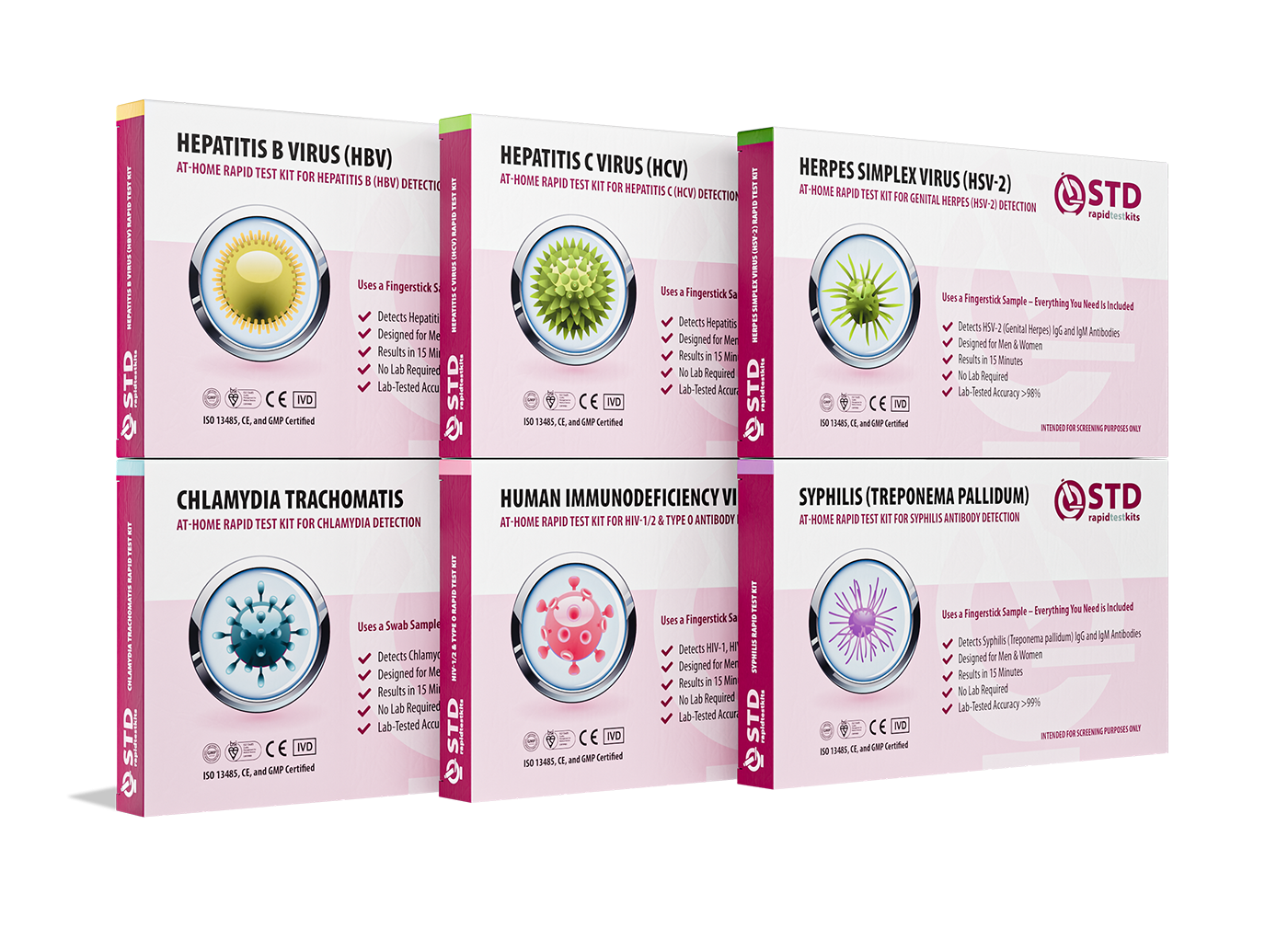
 For Men & Women
 Results in Minutes
 No Lab Needed
 Private & Discreet
Order Now $119.00 $294.00
For all 6 tests
Can STDs Really Be From Years Ago?
Yes. A full-body, frustrating, hell-yes. STDs don’t come with built-in expiration dates. Just because you haven’t had symptoms, or sex, in years doesn’t mean your results will come back clean.
Take syphilis, for example. In its latent stage, it causes no symptoms at all, sometimes for decades. But it can still cause damage to your heart, brain, or nervous system down the line. Herpes can lie low for years before a single stressor, illness, a cold, a rough night, triggers a flare-up. HPV can linger quietly and reactivate when your immune system drops, leading to abnormal pap results long after the original exposure.
And because most standard STD screenings don’t test for everything (herpes, HPV, trichomoniasis, and oral/throat sites are often skipped), many people walk around unknowingly carrying an infection. Not because they’re reckless. Because they were never told to test, or were told they didn’t need to.
Why Testing Still Matters, Even Without New Partners
Let’s break this down with a story. Lina, 33, was celibate for over two years, mostly because she just didn’t feel safe dating after a series of bad experiences. One day, during a routine checkup, she mentioned occasional itching and discharge. The nurse asked when she last had sex. “Honestly, it’s been forever,” she said. They almost skipped the STD panel, until Lina asked for it just to be sure.
Her test came back positive for trichomoniasis. It was likely from her last partner, a guy she had dated off and on. The infection had sat dormant, low-level, and eventually started causing symptoms only after she’d stopped having sex. Trich can live in the body for months without clear signs, especially in people with vaginas.
Lina's case proves this: STD testing is about your body’s timeline, not your dating history. Some infections can cause damage even when they're quiet. Chlamydia, for instance, can lead to pelvic inflammatory disease and infertility if left untreated. HIV progresses over time, even without symptoms, unless it's caught and managed early.
Celibacy is a personal choice. But it isn’t a substitute for testing. Your body doesn’t hit “reset” because you stopped hooking up. Getting tested after a long sexual hiatus is just smart preventive care.
Testing Options When You’re Celibate (And Anxious)
If the idea of walking into a clinic makes your stomach flip, especially if you're celibate and worried about being judged, you’re not alone. Many people avoid STD testing for emotional reasons: shame, fear of being misunderstood, trauma from past experiences, or the belief that no sex = no need.
That's when testing at home makes a big difference. You can test yourself, in private, and at your own pace, and you don't have to explain why. For example, the Combo STD Home Test Kit screens for the most common STDs and delivers results fast. It’s designed for people who don’t want to navigate clinics or answer awkward questions.
For people with no current symptoms but a sexual history, even one from years ago, this can provide immense peace of mind. You don’t have to wonder. You can know. And knowing is one of the kindest things you can do for yourself.
| Testing Option | Privacy Level | Speed | Best For |
|---|---|---|---|
| At-Home Rapid Test | High | Minutes | Immediate answers, high privacy needs |
| Mail-In Lab Kit | Moderate–High | 2–5 days | Detailed panels, remote users |
| Clinic Visit | Low–Moderate | Same day to several days | In-person symptoms, urgent care needs |
Table 2. Comparing STD testing options for celibate individuals. Emotional comfort matters as much as clinical accuracy.
If your head keeps spinning, peace of mind is one test away. STD Rapid Test Kits offers discreet, easy tools to check in with your body, no clinic, no judgment.
People are also reading: The STD Incubation Periods You Need to Know
Why Dormant Doesn’t Mean Dead: Reactivation Risks Explained
Some STDs don’t just hang around, they can wake back up. This risk of reactivation is especially high for viral infections like HPV and herpes. For instance, a person who had one herpes outbreak in their early twenties might not have any symptoms for ten years, but then they might get them again during a time of stress, illness, or hormonal change. It can feel like a new infection, but it’s not. It was always there, waiting in the wings.
HPV is another wildcard. You might clear it completely, or it may become undetectable and later reactivate. That’s why even people in long-term monogamous relationships sometimes get abnormal Pap smears years after their last new partner. The virus didn’t come from cheating. It came from your immune system’s natural ebb and flow.
These aren’t cautionary tales, they’re just biology. Your immune system, stress levels, and even major life events (like pregnancy, menopause, surgery) can change how an old infection behaves. That’s why testing isn’t just a one-time thing for “active” people. It’s maintenance. It’s listening to your body instead of assuming silence means safety.
When Shame Gets in the Way of Testing
One of the biggest barriers to testing after a period of celibacy isn’t medical, it’s emotional. Many people feel embarrassed even asking for an STD test when they haven’t had sex recently. There’s an internal voice that says, “They’re going to judge me.” Or worse: “Maybe I deserved this somehow.”
Angela, 41, went almost a decade without a sexual partner after leaving an abusive relationship. She still got tested every couple years, not because she thought she’d been exposed again, but because it helped her feel grounded. “It was like saying to myself: your body still matters,” she told her therapist. That framing changed everything. STD testing wasn’t about punishment. It was about protection, self-respect, and letting go of fear.
This is especially important for survivors of sexual trauma, queer individuals navigating care systems, or people in communities where sex is deeply stigmatized. Testing doesn’t mean you’ve done something wrong. It means you’re brave enough to care for yourself anyway.
If shame is what’s stopping you, know this: you don’t have to explain your timeline to anyone. Not even yourself. If testing helps you feel safe, do it. That’s enough of a reason.
But What If It Comes Back Positive?
This is the fear that keeps people from opening the envelope, refreshing the inbox, or even peeing in the cup: what if it’s positive? What does that mean about me?
Here’s the truth: a positive STD result doesn’t say anything about your worth, your history, or your future. It’s just information. And information is power. Most STDs are treatable. All of them are manageable. Testing positive might be emotionally hard, but it also opens the door to healing, clarity, and action.
Marco, 35, tested positive for gonorrhea after six years of celibacy. He nearly threw the test out, assuming it was a mistake. But after follow-up testing and treatment, he learned it had likely been in his system for years, harmless on the surface but beginning to affect his urinary tract. Catching it early prevented more damage. “Honestly,” he said, “I’m glad I found out when I did.”
STD Rapid Test Kits includes clear, easy-to-read instructions and options to follow up if your result is unclear. You’re not alone. And you don’t have to be ashamed of your result, whatever it is.
Take back your power. Order your at-home combo test kit today, and give your body the clarity it deserves.
Check Your STD Status in Minutes
Test at Home with Remedium8-in-1 STD Test Kit
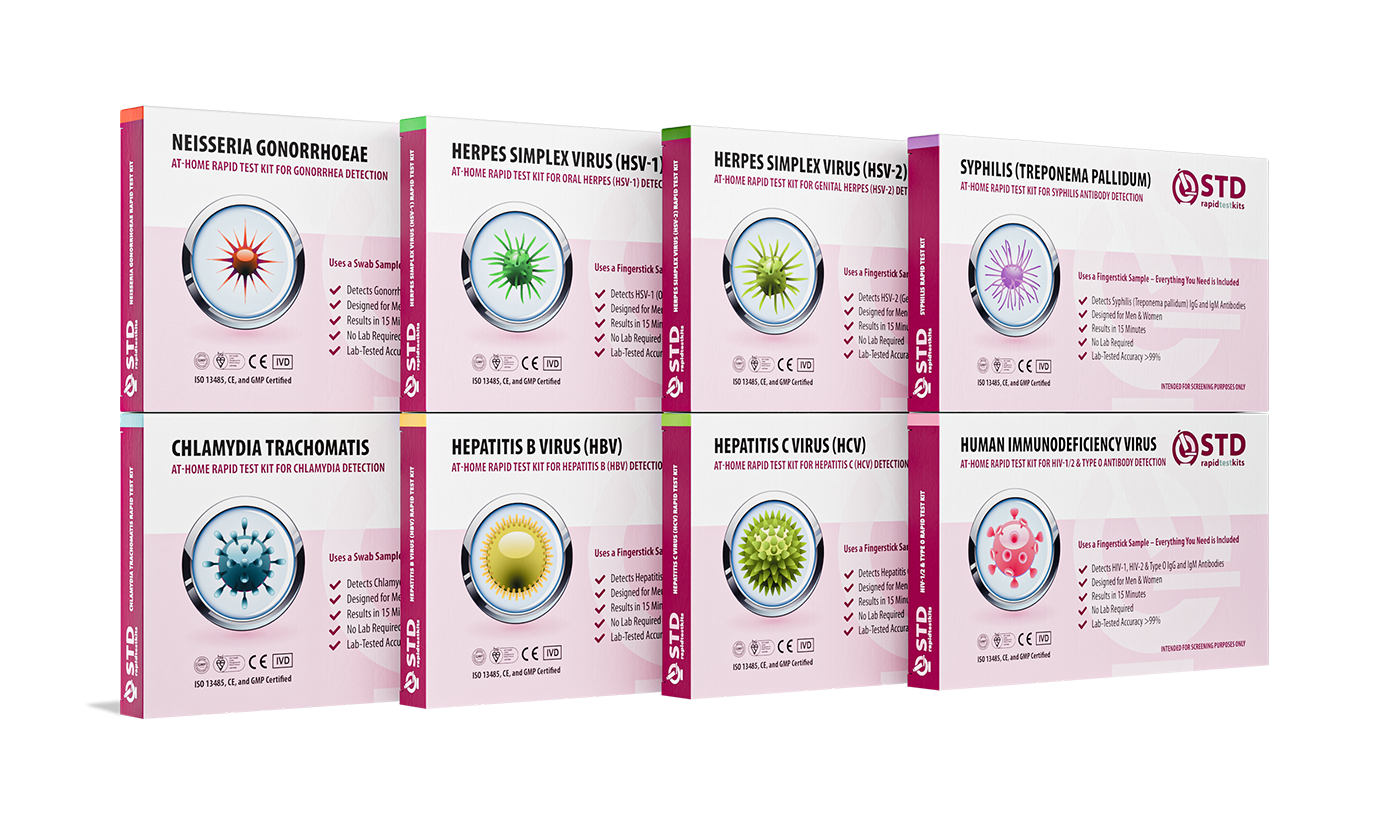 For Men & WomenResults in MinutesNo Lab NeededPrivate & Discreet
Order Now $149.00 $392.00
For all 8 tests
Privacy Still Matters, Even in Celibacy
People often assume that once you stop having sex, privacy concerns around testing disappear. But in reality, privacy becomes even more important. The less you talk about sex, the more vulnerable you might feel explaining why you’re testing at all. That’s why discreet testing options are a lifeline.
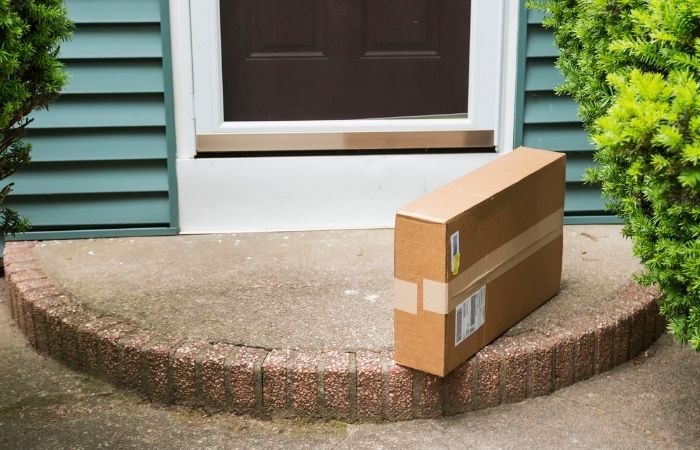
STD Rapid Test Kits ships in plain packaging with no external health labels. Results are yours to view in private, and nobody, not your partner, not your parents, not your doctor, needs to know unless you want them to. If you live in a shared space or remote area, you can time delivery or use an alternate address for peace of mind. Confidentiality isn’t just about secrecy, it’s about agency.
Testing should never feel like exposure. It should feel like self-respect. Whether you’re currently sexually active or haven’t kissed someone in years, your privacy is still valid, and still worth protecting.
FAQs
1. Can you really get an STD without having “real sex”?
Absolutely. And by “real sex,” most people mean penetration, but STDs don’t stick to those rules. Herpes can spread through skin contact. HPV and syphilis can be passed during oral. Even kissing isn’t totally risk-free if someone has a cold sore (hello, HSV-1). If it involves mouths, genitals, or body fluids, it counts.
2. I haven’t had sex in years. Why would I test now?
Because your body doesn’t care how long it’s been, it cares whether you’ve ever been exposed. Some infections stay quiet for years. You might feel totally fine and still test positive. If you’ve never tested (or it’s been a while), that “negative” status might be more of a guess than a fact.
3. Can herpes come back out of nowhere?
Yes, and it does. Herpes is sneaky like that. It lives in your nerve roots and can flare back up when you're stressed, sick, sunburned, or on your period. Some people go decades between outbreaks. Others never realize they’re carrying it because they don’t get symptoms at all.
4. What if I only had oral sex, like once?
Still possible. You can get gonorrhea or chlamydia in your throat. People rarely think to test those areas, which means infections can chill there unnoticed. “Just oral” is still enough for exposure, especially if it was unprotected. No shame in it, just good to know.
5. Could my positive result be from years ago?
Yep. It happens more often than people think. If you were exposed back in your hookup era (or in a relationship where someone wasn’t tested), and never got screened, that infection might’ve just... hung around. Chlamydia and trichomoniasis especially can fly under the radar for a long time.
6. I’m not sleeping with anyone. Can I still give someone an STD?
Not if you’re not active, but if you become active again, yes. Some infections like herpes or HPV can still be passed on even when you’re not having symptoms. Testing now helps protect future partners, even if they're still hypothetical.
7. I feel weird asking for a test when I’m celibate. Will they think I’m lying?
Real talk: no one who matters is judging you. Healthcare providers have seen it all, and at-home test kits don’t ask questions. Testing is about you, not what someone else thinks of your choices. Whether you had sex yesterday or ten years ago, it’s still your body. And it still deserves answers.
8. What’s the most private way to get tested?
At-home kits are the go-to for privacy. No waiting rooms, no raised eyebrows, no awkward small talk. Just a discreet package, your bathroom mirror, and a test you control. You can read your results solo, scream into a pillow (if needed), and move forward on your terms.
9. Does a negative result mean I’m “clean”?
Let’s retire that word. You’re not a dirty sock if you test positive. You’re a person with a medical condition, one that’s common and manageable. A negative result just means no infection today. It doesn’t make you morally superior. It means you’re being proactive. That’s what counts.
10. How often should I get tested if I’m not having sex?
If you're truly zero-partner, zero-contact, you don't need to test regularly. But if you’ve never been screened, or if you’re planning to become active again, a test now gives you a clean starting line. Think of it like clearing the slate, just in case.
You Deserve Answers, Not Assumptions
There’s no shame in wanting to know. Testing for STDs after a period of celibacy isn’t overkill, it’s self-respect. Whether you’re healing, taking a break, or redefining your relationship with sex, your body still holds the stories of the past. Some of those stories deserve closure.
Even if your timeline feels confusing or your choices feel “safe,” don’t skip the check-in. STDs don’t read calendars. They don’t need frequent exposure to stick around. What they need is awareness, and that’s where you come in.
Don’t wait and wonder, get the clarity you deserve. This home test kit checks for the most common STDs quickly and without drawing attention to itself.
How We Sourced This Article: We combined current guidance from leading medical organizations with peer-reviewed research and lived-experience reporting to make this guide practical, compassionate, and accurate.
Sources
1. CDC – Sexually Transmitted Diseases (STDs)
2. About Sexually Transmitted Infections (STIs) | CDC
3. About Genital HPV Infection | CDC
4. Chlamydia - StatPearls | NCBI Bookshelf
5. Sexually Transmitted Infections (STIs) | MedlinePlus
6. Sexually Transmitted Infections | Cleveland Clinic
About the Author
Dr. F. David, MD is a board-certified infectious disease specialist focused on STI prevention, diagnosis, and treatment. He blends clinical precision with a no-nonsense, sex-positive approach and is committed to expanding access for readers in both urban and off-grid settings.
Reviewed by: Taylor Renee, RN, MPH | Last medically reviewed: January 2026
This article is for informational purposes and does not replace medical advice.


