







Quick Answer: Untreated chlamydia in trans people can lead to pelvic inflammatory disease, infertility, chronic pain, and reactive arthritis, often without obvious symptoms. Hormones and anatomy changes can delay diagnosis.
When Symptoms Lie (Or Stay Silent)
One of the most dangerous things about chlamydia, especially in trans bodies, is how easy it is to miss. The CDC notes that up to 70% of people with chlamydia show no symptoms at all, and this invisibility hits even harder when gender-affirming care is involved. Whether you're on testosterone, estrogen, or post-surgical, symptoms can look different, feel muted, or get written off entirely. A bit of spotting? Could be hormones. Discomfort during penetration? Could be healing. Urinary weirdness? Maybe a UTI, or maybe not.
For transmasculine folks, testosterone can thin vaginal tissues and increase the risk of microtears. That makes it easier for chlamydia to invade, and harder to tell if the burning is from infection or hormonal shifts. For transfeminine people, especially those who've had vaginoplasty, discomfort might be chalked up to dilation or nerve healing rather than a potential STD. In both cases, many don’t seek testing until something more severe, like PID or discharge, forces them to. And by then, long-term complications may already be underway.
The Risks of Letting Chlamydia Linger
So what actually happens if you don’t catch or treat chlamydia in time? The consequences vary by anatomy, exposure site, and overall health, but for anyone with a cervix, uterus, fallopian tubes, or even just mucous membranes, the risks are serious. Inflammation spreads. Scar tissue forms. Pain becomes chronic. And in many cases, fertility takes the hit.
Jamie, from earlier, had no idea his fallopian tubes had silently narrowed due to untreated chlamydia. He found out during a fertility consult years later, after deciding to pause testosterone and try for a pregnancy. The REI doctor looked at his labs and simply said, “Have you ever had a pelvic infection?” He hadn’t, at least, not one he knew about. That’s the hidden cost of missing chlamydia: damage without drama.
| Complication | Impact on Trans Bodies |
|---|---|
| Pelvic Inflammatory Disease (PID) | Can affect people with uteruses or fallopian tubes, even post-testosterone. May go unnoticed until pain or infertility develops. |
| Infertility | Scar tissue and tubal blockages can affect fertility in transmasc people planning pregnancy later in life. |
| Proctitis or Rectal Pain | Common with receptive anal sex. May be mistaken for hemorrhoids or IBS, especially in transfeminine people. |
| Reactive Arthritis | Autoimmune-style joint pain that develops after untreated chlamydia. May be misattributed to hormone therapy side effects. |
| Chronic Pain or Dyspareunia | Pain during sex, especially for those with altered pelvic anatomy or post-surgical tissues. |
Table 1: Key complications from untreated chlamydia in transgender individuals. Presentation and risks vary depending on anatomy and hormone status.

People are also reading: It Looks Like a Cold Sore, But Is It Herpes Down There?
Can Gender-Affirming Care Delay Diagnosis?
Yes, and not because the care is wrong, but because our healthcare system rarely integrates it with STI screening. A lot of clinics don't combine gender-affirming hormone therapy with sexual health visits, which can cause problems with communication. A patient may discuss bottom growth or dilation pain with their HRT provider, but unless STI testing is directly offered, symptoms may never trigger an exam.
In one Reddit post, a trans woman shared how she spent months treating “dilation trauma” with lidocaine only to discover it was actually an untreated chlamydia infection. The tissues were inflamed, irritated, and infected, but she was never asked if she wanted to test. She said, “It never crossed my mind. I wasn’t even having that much sex.” But even one exposure, just one, can lead to a hidden infection.
That story repeats again and again. Trans people are less likely to be offered regular screening unless they advocate for themselves, and many assume symptoms have another cause. It’s not just misinformation; it’s a systemic blind spot.
If this sounds familiar, you’re not alone. And the fix isn’t shame, it’s access, awareness, and affirming care. You don’t need to “prove” you’re at risk to get tested. You don’t have to justify your sex life to deserve peace of mind. If you’ve had exposure of any kind, oral, anal, vaginal, frontal, shared toys, even mutual touching, testing is valid. And it's yours to claim.
Check Your STD Status in Minutes
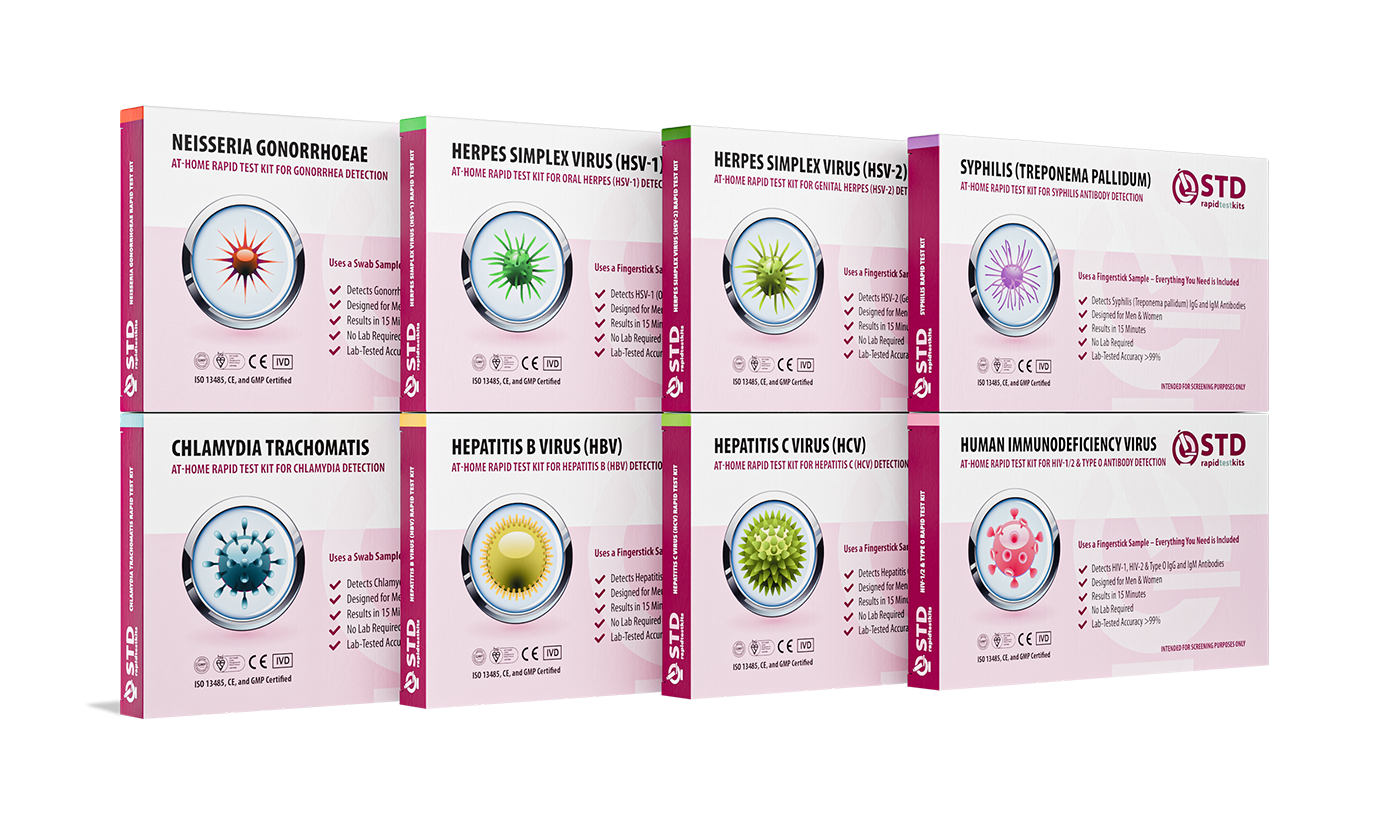
Test at Home with Remedium8-in-1 STD Test Kit
 For Men & Women
 Results in Minutes
 No Lab Needed
 Private & Discreet
Order Now $149.00 $392.00
For all 8 tests
Is It Still Chlamydia If You Don’t Have a Penis or Vagina?
Absolutely. Chlamydia isn’t about identity, it’s about mucous membranes. This bacterium can infect the urethra, rectum, throat, cervix, or neovaginal tissues. It doesn’t care what words you use to describe your parts. If there’s a site for it to enter and cells to infect, it can establish itself, and stay silent while doing damage.
This is especially important for trans women who’ve had vaginoplasty or use estrogen, as estrogen can thin mucosal linings and alter immune response. While there’s limited research on STI risks in neovaginal tissue specifically, anecdotal evidence and clinical reports suggest infections can occur there, sometimes with fewer symptoms than expected.
For nonbinary people or anyone with mixed or altered anatomy, testing needs to be site-specific and affirming. That means swabs where you've had sex, not where someone assumes you did. If you had receptive oral sex, ask for a throat swab. If you had receptive anal sex, you deserve a rectal test. And if you had genital contact, front, back, or otherwise, it counts.
Testing Realities: From Clinics to At-Home Kits
Let’s be honest: getting tested isn’t always easy. Trans folks report high rates of medical avoidance due to fear of being misgendered, touched without consent, or questioned about their anatomy. That's where at-home STD Rapid Test Kits come in. They are private, can be changed to fit your needs, and are easy for people who are having a hard time with their bodies to get to.
You can choose swab types based on your anatomy and exposure, not a provider’s assumptions. For example, a transmasc person using a front hole can self-collect a vaginal swab. A transfem person having anal sex can opt for a rectal swab. And if you’re unsure, a combo STD kit covers multiple infections across multiple sites, all without leaving home.
Timing still matters. Most chlamydia tests (including NAAT and rapid tests) are accurate starting 7–14 days after exposure. If you test earlier, a negative result may not be final, you might need to retest after the window period closes. That’s not a flaw; it’s a reality of how infections build up detectable levels.
| Test Type | Ideal Use For Trans People | Accuracy Window |
|---|---|---|
| NAAT (Lab or Mail-In) | Most accurate for urine, swab, or throat/rectal samples; gender-affirming collection possible | 7–14 days post-exposure |
| Rapid Antigen | Quick answer from home; slightly less sensitive but useful for high-risk moments | 14+ days post-exposure |
| Clinic-Based Panel | Best for people with multiple symptoms or who need additional STI screening | Varies by test; usually 7–21 days |
Table 2: Chlamydia test options with timing and benefits for trans users.
When Should You Retest (and Why It Matters More Than You Think)
There’s this idea that once you’ve tested and treated for an STD like chlamydia, you’re done. But in reality, treatment is just one step, and retesting can be just as important, especially for trans people whose symptoms are harder to monitor over time. Why? Because reinfection is common, symptoms are subtle, and follow-up often gets overlooked in gender-affirming care.
The CDC recommends retesting for chlamydia three months after treatment, even if your symptoms go away. That’s because 1 in 5 people treated for chlamydia end up getting it again within that window. Sometimes it’s from a partner who didn’t get treated. Sometimes it’s from new exposure. And sometimes, especially for those navigating dysphoria or medical trauma, it’s because the first round of care wasn’t complete or wasn’t followed up with fully.
Here’s where it gets tricky: if you’re trans and experiencing pelvic or urethral pain months after treatment, your doctor might assume it’s hormones, muscle tension, or post-surgical changes. But what if it’s lingering infection? What if retesting could’ve caught it before scarring set in? That’s the gap this guide is trying to close.
Even if you’re symptom-free, don’t skip that retest. It’s a small act with big power. Peace of mind isn’t just a negative result, it’s knowing your body hasn’t been quietly fighting something you couldn’t see.
Talking to Partners (Without Shame or Scripts That Don't Fit)
If you’ve tested positive, or if you’re worried you might have exposed someone, it’s natural to panic about the conversation. For trans folks, these chats can be extra complicated. Maybe a partner doesn’t even know your anatomy specifics. Maybe you’ve been misgendered by medical staff before and now you’re supposed to walk someone else through what you’re dealing with. The truth? You don’t owe perfect language. You owe clarity and care.
Start simple. “Hey, I found out I had chlamydia, and I wanted to let you know because we hooked up.” That’s enough. You can add: “I’m getting treated, it’s curable, and I think it’s important you get tested too.” You don’t have to explain where it came from, or how long you had it, or justify anything about your gender or body. You’re being responsible. That’s it.
If you’re in a situationship, a kink community, or navigating hookups through apps, anonymous notification tools can help. There are services where you input a partner’s contact info and they receive a heads-up without your name attached. And yes, it’s okay to use them even if you only had oral or mutual touching. If you’re worried enough to hesitate, they probably deserve to know.
This isn’t about guilt, it’s about respect. And if someone reacts badly to your disclosure, that’s a reflection of them, not you. You’re taking care of your body and giving others the chance to do the same. That’s not just okay. That’s power.

People are also reading: STD From a Towel? The Truth About Trichomoniasis and Hygiene
The Mental Load of an Invisible Infection
Here’s what doesn’t get said enough: living with an untreated STD can mess with your head even more than your health. Especially for trans people, where trust in the medical system is already paper-thin, finding out you had chlamydia for months, or years, without knowing can trigger deep spirals. Shame. Confusion. Self-blame. Even grief for the body you were trying to protect while affirming your gender.
But let’s be real. You didn’t fail. You weren’t reckless. You were navigating a healthcare world not built for you, in a body that’s been pathologized, erased, or misunderstood at every turn. It makes sense if you tuned out symptoms. It makes sense if you didn’t want to see another provider who might ask invasive questions. And it makes sense if you thought it was something else, because no one ever taught you how chlamydia can look in a body like yours.
There’s no shame in missing the signs. The shame is on the system that didn’t give you the tools to see them. Testing now is reclaiming that power. Retesting is trusting your future. Telling a partner is protecting your community. Every step is a form of healing, not just medically, but emotionally too.
When It’s Not a UTI, Hormone Shift, or Dilation Pain
Here’s the thing, when you’re trans, weird sensations in your lower half aren’t unusual. A little burn when you pee? Could be dryness from testosterone. Extra discharge? Maybe your estrogen just changed again. That pinchy, raw feeling during sex or dilation? Chalk it up to friction, nerves, maybe even stress. And sure, sometimes that’s all it is.
But other times? It’s chlamydia. Quiet, creeping, and easy to mistake for something else. In fact, one study found that misdiagnosis of STDs in trans people is significantly higher due to assumptions about anatomy and a lack of routine site-specific testing. Especially for transmasc individuals, chlamydia can masquerade as a UTI, urinary urgency, burning, cloudy urine. Except the antibiotics don’t work. The symptoms keep flaring. And no one thinks to swab.
And for trans women, it’s often blamed on dilation trauma or healing. One transfem Reddit user shared that they were told their irritation was “just new granulation tissue.” Two weeks later, they tested positive for chlamydia. It wasn’t “just” anything, it was a real infection, dismissed because of bias and assumption.
If this sounds like you, if you’ve ever wondered, “What if this isn’t just hormones?”, then trust that instinct. You don’t need to wait until it hurts more. You don’t need to guess. You can test, and you can do it in a way that feels affirming, private, and yours.
Check Your STD Status in Minutes
Test at Home with Remedium7-in-1 STD Test Kit
 For Men & WomenResults in MinutesNo Lab NeededPrivate & Discreet
Order Now $129.00 $343.00
For all 7 tests
Why Some Trans Folks Wait, And What Happens When You Don’t Have To
Let’s be honest: many of us delay testing not because we’re careless, but because we’re exhausted. Clinics that misgender you. Paperwork that doesn’t match your identity. Providers who ask about “real” sex and ignore how your body actually works. So you wait. You hope it clears up on its own. You google things in incognito mode and close the tab when it gets too real.
But here’s what happens when you don’t wait. You get answers sooner. You start treatment before damage sets in. You catch something early, maybe before you even feel it. You protect your partners. You protect your future. And maybe, most importantly, you protect your relationship with your body, not by ignoring it, but by believing it when it whispers something’s off.
You don’t need to be in a crisis to test. You don’t need to be sure. You just need to be curious enough, kind enough, and ready enough to choose clarity over guesswork. And if that choice feels scary, that’s okay too. Courage doesn’t mean fear is gone, it just means you act anyway.
Ready to know? You can order your test here, with no waiting rooms, no questions, and no assumptions. Just answers, on your terms.
FAQs
1. Can trans men really get chlamydia?
Totally. Even if you’re on T. Even if you haven’t had “traditional” sex. If there’s been genital, oral, or anal contact, skin-to-skin, fluids, toys, fingers, it counts. Chlamydia doesn’t care about your label; it cares about mucous membranes. And those? Most of us have them somewhere.
2. I’ve had bottom surgery, am I still at risk?
Yep. Post-op doesn’t mean immune. If you’ve had a vaginoplasty or phalloplasty, the tissue may behave differently, but it can still host bacteria. STIs like chlamydia can affect neovaginal, urethral, and rectal areas, especially if you’re having sex involving penetration, oral, or shared toys.
3. What if I haven’t had symptoms at all?
That’s actually super common, especially in trans bodies where symptoms get confused with other things (like hormones, dilation, healing, etc). Many people don’t feel a thing… until the complications hit. That’s why routine testing matters. No drama, just clarity.
4. How soon should I test after a hookup?
Ideally, wait 7 to 14 days for the most accurate results. Testing earlier is possible, but the infection might not show up yet (that’s the “window period”). If you test on day 5 and it’s negative, don’t toss your test kit, retest after day 14 just to be sure.
5. Can chlamydia affect my ability to have kids later?
It can, especially if it goes undetected. For transmasc people with a uterus or fallopian tubes, untreated chlamydia can cause scarring that blocks fertility. You might not even realize it until years later, when you’re ready to pause T or explore your options. Testing = future-proofing.
6. Is throat chlamydia a thing?
Oh yeah. It can live in the throat after oral sex and feel like a mild sore throat, or nothing at all. It’s sneaky like that. Most people don’t think to swab their throat, but if you’ve been on the giving end of oral, you should consider it. No shame in being thorough.
7. Do I have to talk to my partners if I test positive?
It’s up to you, but ethically and practically? It’s a good move. You don’t need to deliver a TED Talk. A simple “Hey, I tested positive for chlamydia and wanted you to know” gets the job done. There are even anonymous tools if the convo feels too heavy.
8. Will my hormones mess with the test results?
Nope. Hormone therapy doesn’t interfere with chlamydia detection. What it can do is change the way symptoms show up, or don’t. That’s why affirming, site-specific testing is key. Swab where you’ve had sex, not just where someone assumes your parts are.
9. I’m scared to go to a clinic. Are at-home tests reliable?
Many are! Especially the ones that use NAAT (nucleic acid amplification testing), that’s the gold standard. At-home kits let you collect samples your way, in your space, with no misgendering, no weird questions, and no waiting room anxiety. Just make sure you're using a trusted source like STD Rapid Test Kits.
10. Can I get reinfected even after treatment?
Absolutely. Chlamydia doesn’t grant immunity. If a partner didn’t get treated, or if you have a new exposure, you can catch it again. That’s why retesting 3 months later is the move. It’s not overkill; it’s self-respect.
You Deserve Answers, Not Assumptions
If you’ve made it this far, you already know the truth: chlamydia doesn’t play fair, and it doesn’t care about your pronouns or paperwork. But you do deserve a healthcare experience that honors who you are, what you’ve lived through, and what your body is still capable of healing from. Testing isn’t a confession, it’s care. Retesting isn’t paranoia, it’s self-trust. And catching an infection before it catches you off guard? That’s protection, not punishment.
Whether you’re years into hormones, just starting to explore your identity, or somewhere in between, your health story matters. You don’t need to prove your gender to get the care you deserve. You don’t need to explain your sex life to justify a test. You just need to know how to move forward.
Don’t wait and wonder, get the clarity you deserve. This home test kit checks for the most common STDs quickly and without drawing attention to itself.
How We Sourced This Article: We combined current guidance from leading medical organizations with peer-reviewed research and lived-experience reporting to make this guide practical, compassionate, and accurate.
Sources
1. CDC: Chlamydia – Fact Sheet
2. Planned Parenthood: What Is Chlamydia?
3. Transgender and Gender Diverse Persons — CDC STI Treatment Guidance
4. Chlamydia Fact Sheet — World Health Organization
5. Chlamydial Infections — CDC STI Treatment Guidelines
6. Chlamydia — StatPearls (NIH/NCBI Bookshelf)
7. Anatomic Site–Specific STI Prevalence and Screening (PMC)
8. STI Screening Recommendations — CDC
About the Author
Dr. F. David, MD is a board-certified expert in infectious diseases who works to prevent, diagnose, and treat STIs. He blends clinical precision with a no-nonsense, sex-positive approach and is committed to expanding access for readers in both urban and off-grid settings.
Reviewed by: R.J. Morgan, MPH | Last medically reviewed: January 2026
This article is for informational purposes and does not replace medical advice.


