Spitting, Swallowing, and STDs: Dangers of Oral Sex
Oral sex has sometimes been thought to be a rather safer alternative than vaginal or anal intercourse. That indeed would be right in the case of some sexually transmitted diseases but is by no means void of risks. In this in-depth article, I will review the risks associated with oral sexual behavior such as spitting, swallowing, and transmitting STDs.
04 October 2024
6 min read
3191
Oral Sex and STDs: What Are the Risks?
Oral sex is the stimulation of the genitals of a partner by using the mouth, lips, or tongue. Though this may form a fun and gratifying part of a healthy sexual relationship, there are certain associated risks that one must be aware of. A person can be at risk for acquiring sexually transmitted diseases, which include gonorrhea, syphilis, herpes, human papillomavirus, and human immunodeficiency virus-though rare.
These include whether you are giving or receiving oral sex, the type of STD it is, and if you swallow semen or ejaculate into the mouth. There is no such thing as totally safe oral sex. You can lower your risk by using a barrier method such as dental dams or condoms. Spitting or swallowing: Does it make a difference?
Spitting or swallowing: Does it make a difference?
One of the questions most frequently asked about oral sex and the risk of sexually transmitted diseases involves spitting versus swallowing. When someone ejaculates in your mouth during oral sex, the STD can be in his semen-so out it goes when you spit or down it goes when you swallow. Technically, both spitting and swallowing carry some level of risk, but these risks are a little different.
In the case of swallowed semen, it finally descends into the stomach, where the acidic nature of the stomach acids may rid the semen of some of the pathogens. Before descending down into the stomach, the semen passes through the throat and esophagus and may be perceptive to infections such as gonorrhea and syphilis that may be elicited through pathogens.
This puts you at somewhat of a reduced risk because it limits the amount of time that may be occurring in contact between your throat and the pathogen. There is still some risk from semen touching your mouth and throat during oral sex.
The Importance of Regular STD Testing
No matter what kind of sexual activity you engage in, get tested regularly for sexually transmitted diseases. Testing is the only sure way to know whether or not you have an STD. Remember, most STDs are asymptomatic-most of them have no symptoms at all. The only way these infections will be caught early on is by routine testing.
Self-Home Testing: A Convenient Option
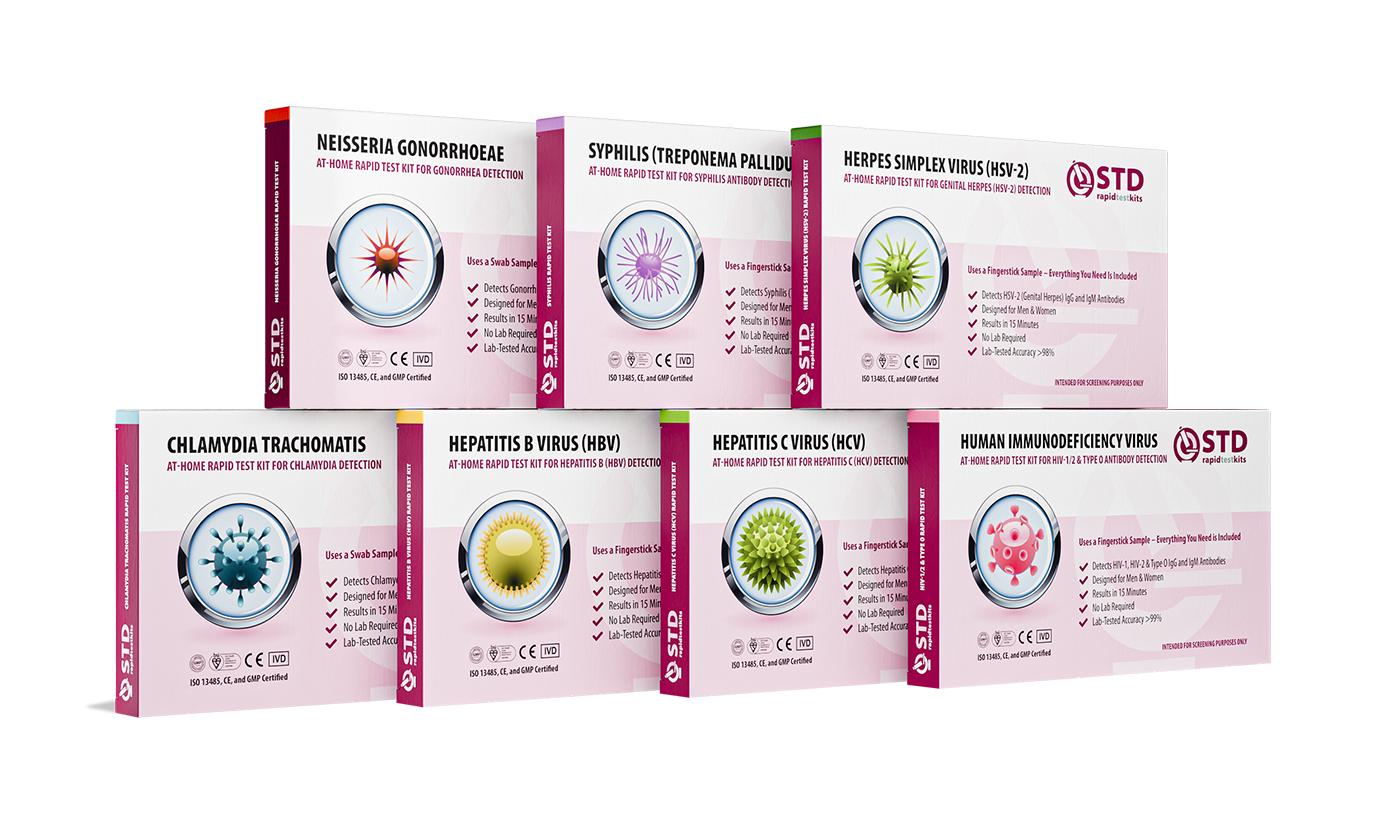
Convenience is everything, and being in a position to self-diagnose through a rapid test at home that can provide direct, instantaneous STD results is something quite appealing in today's world. Indeed, these kits put your sexual health right in your hands from the comfort of your home. While they should not be used as a replacement for the regular checkups with a healthcare professional, they add that extra layer of security and peace of mind.
How to Decrease the Risk of STD Transmission During Oral Sex
Though oral sex carries a very minimal risk of STD transmission, there exist ways to minimize it even further.
Use barrier methods: The main barrier that can be used in reducing the risk of sexually transmitted infections during oral sex includes dental dams and condoms. One must use a new barrier for every sexual act.
Get vaccinated: Vaccines are now available for some STDs, such as HPV and hepatitis B. Ask your health care provider for more information.
Practice good oral hygiene: Open cuts or sores in the mouth can increase the risk of infection from an STD. Regular dental check-ups and good oral hygiene may help lower the risk.
Know your partner's status: It is essential in all sexual relationships to have open and frank communication regarding sexual history and STD status.
The Bottom Line
Oral sex is not free of risks, and the rate of sexually transmitted diseases counts. Understanding those risks and ways of minimizing them will further help in leading a healthy and fulfilling sexual life. Regular testing for sexually transmitted infections by a health professional, including at home with rapid tests, is an important part of maintaining your sexual health.
Testing and Treating STDs Regularly: The Keys to Healthy Sexual Life
As has already been said, most of the STDs have no symptoms, and therefore you may carry the infection without knowing it. The major reason for regular testing is finding such infections in their early stage in order not to have future complications and further spreading of the disease.
Diagnosed infection with an STD deserves treatment as quickly as possible. Most of the STDs are now curable while those which are not, such as HIV and herpes, can be suppressed through medication that helps reduce the symptoms as well as transmission possibilities.
The Role of Rapid Home STD Tests
They have become a popular first line of defense: the rapid home STD test. They are private, convenient, and fast, with immediately available results for multiple STDs. They could be a tool for those that would otherwise not get tested often due to either time, privacy concerns, or location issues.
Tests are not infallible and sometimes give a false positive or negative result. Confirmation from a health professional should always follow a positive test result from a home test, and regular check-ups remain an important part of sexual health.
Informed Choices Beget Safer Sex
The more you know about oral sex, and the potential risks, the better equipped you are to make choices that help keep you and your partner(s) safer. It may sound a little awkward to bring up the subjects of spitting, swallowing, and STDs but it is communication, and that's the key in all areas of a healthy sexual relationship.
Knowing the risks, using protection, getting vaccinated against the STDs that have vaccines, and keeping up with regular testing-including those super convenient rapid home STD tests-can go a long way in reducing your risk of STD transmission with oral sex.
Remember, having an STD is not a moral failure; it is a health issue millions of people deal with. By gaining knowledge, acquiring insight, and taking action, we all can help decrease the shame associated with STDs and ultimately promote healthier and safer sex.








 For Men & Women
 Results in Minutes
 No Lab Needed
 Private & Discreet


