Exotic Vacations and STDs: The Hidden Dangers of Sex Tourism
Exotic vacations and travel to far-flung locations can be adventurous and invigorating experiences. The thrill of discovering new cultures, tasting the local cuisine, and interacting with diverse people is undoubtedly tempting. Of late, one particular aspect of international tourism—sex tourism—has come to notice. Though this is a phenomenon whose roots lie in the ancient world, in this age of globalization, it has noticeably increased. But it also harbors some lurking dangers—the most important amongst them being sexually transmitted diseases, or STDs.
04 October 2024
5 min read
2752
The Dark Underbelly of Sex Tourism
Sex tourism may be defined as travel with the intention of engaging in sexual activities—usually with sex workers—in another country. While idealized notions of exotic, sexual encounters on foreign shores might be highly romanticized, reality is often starkly different, fraught with real peril for both tourist and local populations involved. Understanding the nature of these risks is critical to assuring safer travel experiences.
Sexually Transmitted Diseases: Silent Stalkers of Sex Tourism
One of the major risks engendered by sex tourism is a high risk of contracting and spreading various forms of STDs. Often, travelers may be placed in situations where health and safety regulations are low, or where the infection risk is minimized. Unprotected sex, multiple sexual partners, and recreational drugs or alcohol that impair judgment make these occurrences highly at risk for acquiring STDs.
Flying Globally, Spreading Locally
In today's interconnected world, a disease contracted in one part of the globe can quickly find its way to another. It's this potential of rapid spread that makes STDs in the context of sex tourism not just a personal health issue but a public health concern as well. WHO has expressed concern over the global spread of STDs through tourism routes and is calling for awareness and prevention.
The Common STDs Associated with Sex Tourism
As many sexually transmitted diseases can be attributed to sex tourism, there are some that are particularly widespread because of their prevalence. These include the following:
Human Immunodeficiency Virus: The virus responsible for AIDS is still one of the most lethal sexually transmitted diseases. Their prevalence rates in certain areas drive the risk for tourists high.
Syphilis: This is a bacterial infection that may lead to severe health consequences if left untreated.
Gonorrhea and Chlamydia: These are the two most common bacterial infections; both may lead to serious complications, including infertility, if not treated.
Prevention of STDs Abroad: A Stitch in Time
Prevention of STDs is important, not only for the health of the individual tourist but also for that of the global community. Awareness and education must be provided; foreigners should, therefore, be aware of the risks involved before embarking on sex tourism.
Safe Sex Practices: First Line of Defense
The use of a condom is still the first line of defense from most STDs. One of the most effective means of prevention against most STDs is through the use of condoms. However, one needs to know that while the risk from most infections decreases manifold, it does not completely eliminate the same.
Regular Testing: Staying Ahead of the Curve
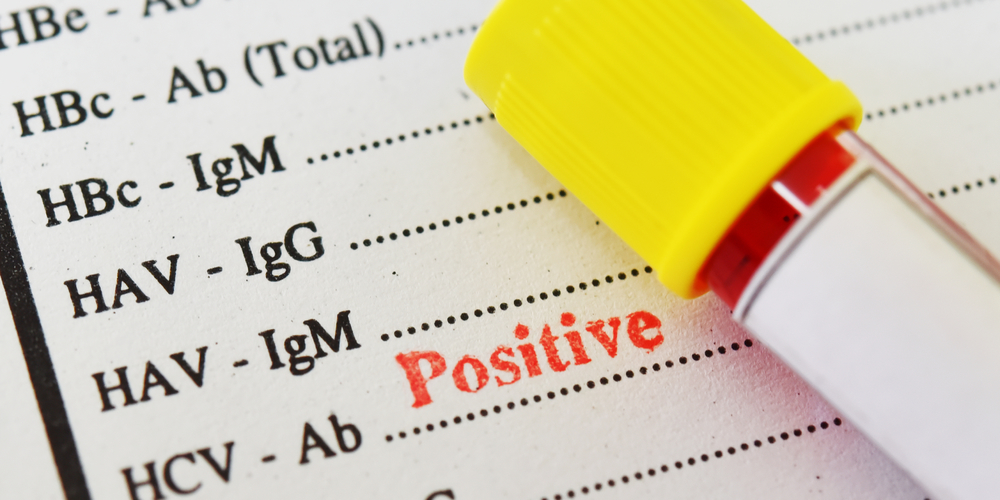
Testing for STDs regularly is considered one aspect of prevention for frequent travelers or those with multiple sexual partners. Ideally, this involves pre-travel testing, post-travel testing, both symptom-free and not.
Rapid Home Testing: Taking Responsibility for Your Health
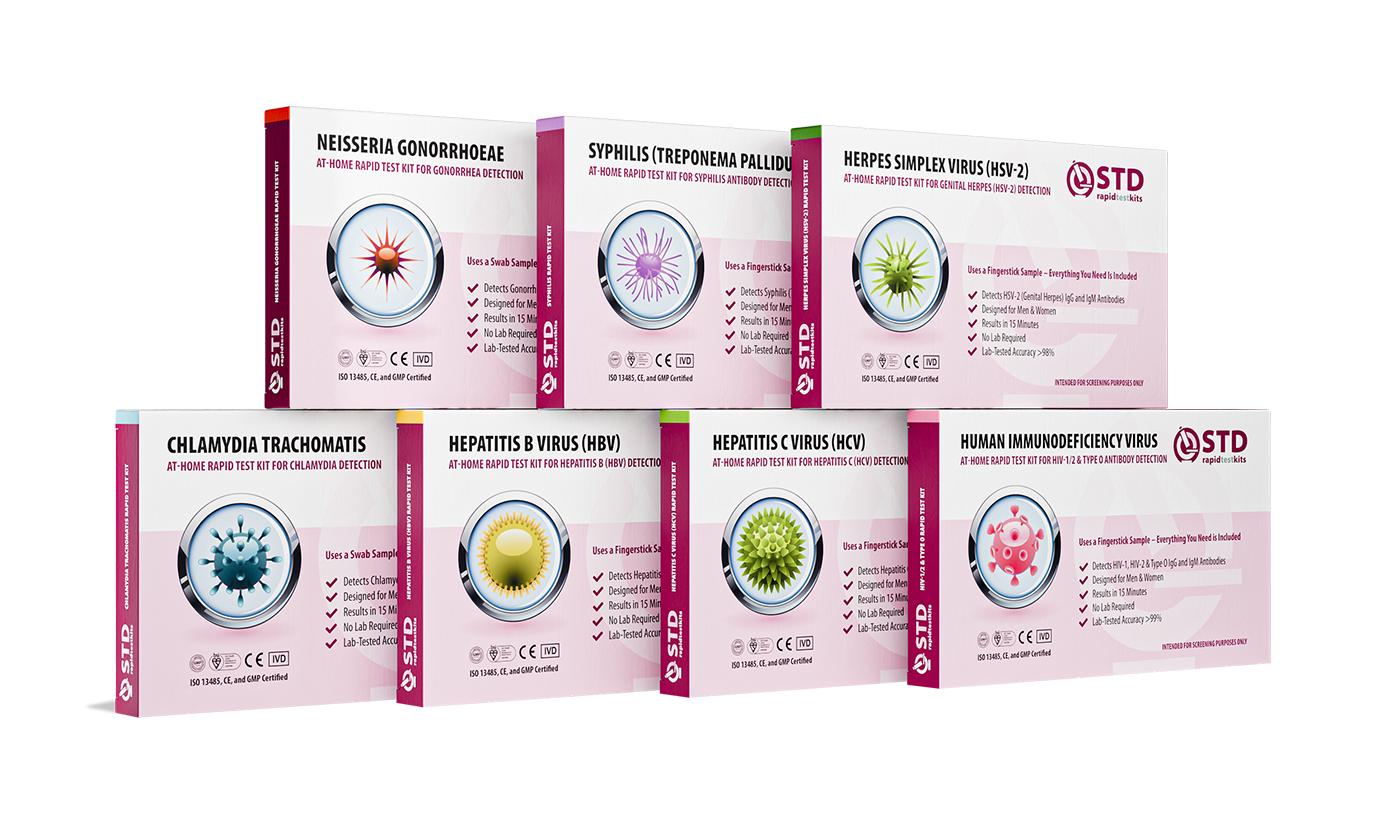
Home testing for STDs is a great leap forward in managing sexual health. Testing kits can be made available to establish whether one is infected with a combination of sexually transmitted diseases—such as HIV, syphilis, gonorrhea, and chlamydia—within the four walls of one's residence and with much speed.
This, of course has some associated advantages: house testing is convenient, private, and the results come quickly, which might be quite critical in the early treatment that may be required.
Tests like the Allnea Rapid STD Test are quick and easy to use: one just has to collect a sample, usually through a urine sample or swab, and wait for the results, which can be as quick as 15 minutes. Though these tests give an added layer of control in maintaining one's health, one should not forget that this does not replace the regular check-up with one's healthcare provider.
Sex Tourism: The Ethical Dilemma
While the physical health repercussions of sex tourism are huge, including STDs, it is also very important to reflect on the ethical dimension of the practice. Exploitation, human trafficking, and eventual societal impacts on local communities all intermingle with sex tourism.
Travelers must be sensitive to how their actions could affect the most vulnerable in society. Responsible tourism, respect for local laws and customs, and interacting positively with all people provide ways one can positively impact the locations to which one travels.
Awareness, Safety, and Responsibility
Sex tourism and its associated risk of STDs fall into a complex question that straddles public health, ethics, and travel. Greater awareness, safe sex, and regular testing—including through quick home testing kits like Allnea—are key in minimizing such health risks.
But it is equally important that one addresses the problem in a more ethical way, considering the impact our activity has on the people and society we interact with when we travel. After all, the beauty of traveling does not reside only in the varied sceneries we are exposed to but also in the human contacts we make.
It should be more than mere amusement in the big scheme of things. It should raise awareness and respect—a feeling of mutual responsibility. Let us hope that by looking after our health and the health of those around us, globetrotting can indeed leave positive marks: making the world a little smaller, a little safer, and much more understanding.







 For Men & Women
 Results in Minutes
 No Lab Needed
 Private & Discreet


