





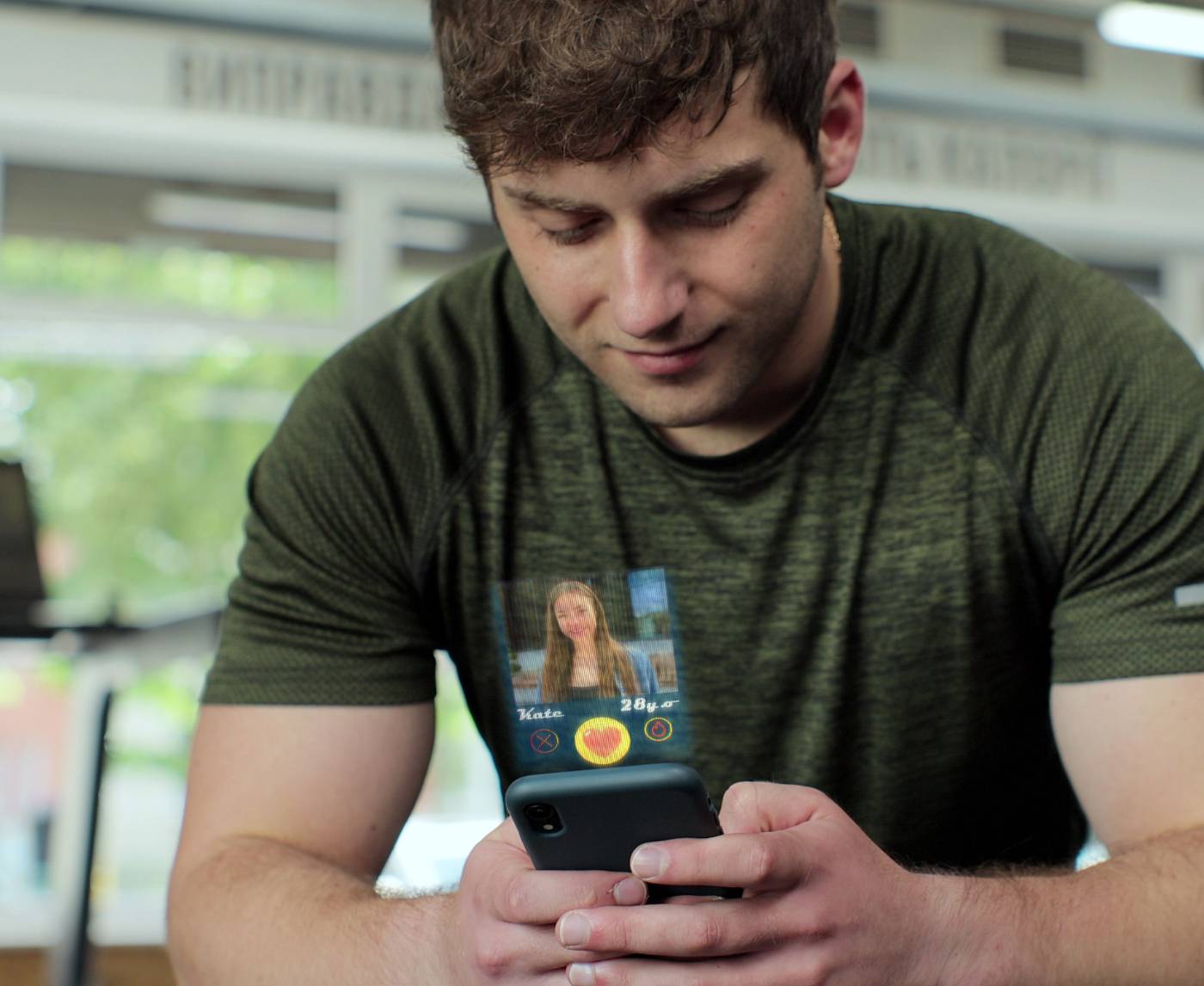

Quick Answer: HPV is extremely common and often silent. Whether you’re in a long-term, new, or casual relationship, disclosure and prevention strategies matter, but they can be handled without panic, shame, or ending intimacy. Most people with HPV go on to have healthy, happy sex lives.
Why HPV and Dating Is Such a Minefield
HPV isn’t just a virus, it’s a trust trigger. It’s the STD most likely to appear when you weren’t expecting anything at all. It doesn’t come with telltale signs or obvious outbreaks like herpes. You can carry it for months or years without symptoms. Which means the moment it enters a relationship, it tends to bring chaos with it.
Here’s why: HPV challenges our assumptions. We think being exclusive means being “safe.” We assume using condoms means zero risk. We believe that clean-looking partners can’t carry anything. But HPV lives in the cracks between those assumptions, transmitted by skin contact, lingering after the last partner, defying negative STI panels, and often ignored until an abnormal Pap smear or a casual Google search sets off alarms.
One Reddit user put it bluntly: “I tested positive for HPV after three years with my boyfriend. He freaked out, accused me of cheating, then ghosted me. Turns out he had it first.” The heartbreak isn’t just from the virus, it’s from what it exposes about communication, shame, and our collective lack of sex ed.
And then there’s the quiet majority, people who don’t even know they have HPV and pass it unknowingly. According to the CDC, nearly every sexually active person will get HPV at some point in their life. That makes it not just common, but practically inevitable.
HPV in Long-Term Relationships: Betrayal or Biology?
There’s something especially cruel about testing positive while in a monogamous relationship. For couples who’ve been together for years, an HPV result can feel like a betrayal bomb. But biologically? It doesn’t necessarily mean someone cheated.
Take Lisa and Jordan, together since college. Lisa had a routine Pap come back abnormal after eight years with the same partner. She panicked. “I thought it meant Jordan had been unfaithful,” she said. “I was ready to throw everything away. But the doctor told me HPV can stay dormant for years. Jordan may have had it since high school.”
Medical studies back this up. HPV can lie dormant in the body for over a decade before showing signs. It's also worth noting that routine testing for HPV in men isn’t available, so most male partners don’t even know they’re carriers. For heterosexual couples especially, this dynamic often leaves the woman holding the diagnosis, and the emotional fallout.
In long-term relationships, the HPV conversation isn’t really about blame. It’s about understanding latency, immunity, and reactivation. Stress, illness, and immune changes can wake up a dormant virus. So if you’ve been together a while and HPV suddenly shows up, it doesn’t mean betrayal. It means your bodies are just catching up with reality.
This is where relationship maturity counts. Couples who weather HPV together usually do it by shifting focus from “who gave what to whom” toward “how do we stay informed, safe, and supportive from here?”

People are also reading: Yes, You Can Get an STD in Your Eye, Here’s How It Happens
New Relationship, New Diagnosis: What Comes First, The Talk or the Test?
New love is supposed to be fun. Flirty. Hopeful. It’s supposed to be about playlists and shared desserts and deciding whether they snore. But throw HPV into the mix, and suddenly it’s about disclosure, rejection fears, and sex that feels more clinical than spontaneous.
Chris, 27, had just started seeing someone after a two-year dating dry spell. Things were going great until his ex texted: “Just a heads up, I tested positive for high-risk HPV.” Chris got tested. Positive. “I wanted to tell my new partner,” he said, “but I was terrified she’d bolt. I hadn’t even told her my middle name yet.”
So what do you do when you’re newly dating and find out you have HPV? Do you disclose before sex? After kissing? After becoming exclusive? The reality is: there’s no single rule. But most sexual health educators agree, timing matters less than tone. Honesty, compassion, and facts carry more weight than the exact moment you reveal your status.
The challenge is that HPV lives in a gray zone. It’s not like chlamydia or gonorrhea where you treat it and move on. There’s no medication that “cures” HPV. The virus typically clears on its own in 1–2 years, but it can linger. What you’re really disclosing is risk, not illness. And risk is something two people can negotiate together, especially with correct information and mutual respect.
Some couples decide to wait for condom-free sex until a few clear tests. Others go ahead with barrier protection and regular screening. What matters is the conversation. Silence builds suspicion. But disclosure, even if awkward, builds trust.
Check Your STD Status in Minutes
Test at Home with Remedium7-in-1 STD Test Kit

 For Men & Women
 Results in Minutes
 No Lab Needed
 Private & Discreet
Order Now $129.00 $343.00
For all 7 tests
Casual Sex and HPV: Boundaries, Protection, and Disclosure Fatigue
Hookup culture doesn’t exactly leave room for nuanced medical discussions. When everything’s supposed to be “no strings attached,” what happens when a virus enters the chat? For people navigating casual sex, HPV disclosure can feel like a trap: say too much and kill the vibe; say nothing and feel dishonest.
Alex, 21, learned they had HPV during a routine STI screening through campus health services. They weren’t in a relationship, just dating around, but suddenly, every encounter came with a mental checklist: Do I tell them? Will they freak out? Will they even know what HPV is?
“I started googling whether I was even obligated to say anything,” Alex admitted. “One night stands don’t usually come with medical disclosures, right? But I felt gross not saying something.”
This is where emotional exhaustion kicks in. Experts call it “disclosure fatigue”, the experience of having to explain, reassure, and educate over and over again just to have sex without shame. It’s especially common with HPV because of how little people actually understand it. And unlike curable STIs, HPV disclosure never really goes away. There’s no “I’m clean now” finish line.
That’s why people who are sexually active outside of committed relationships often end up creating their own scripts. Some lead with it on dating apps. Others bring it up only when things are about to turn physical. A few rely on consistent condom use and decide not to disclose unless the relationship deepens.
None of these choices are inherently wrong. HPV doesn’t make you reckless or responsible. But honesty with yourself, about risk, comfort, and emotional bandwidth, is key. For many, the goal isn’t perfection. It’s showing up with enough truth that consent still feels mutual and informed.
How HPV Enters the Room: Transmission, Disclosure, and Dating Type Comparison
HPV’s reputation as a “stealth” virus makes it uniquely challenging in dating contexts. It doesn’t require ejaculation, intercourse, or visible symptoms to spread. Skin-to-skin contact is enough. That means you can do everything “right” and still transmit or catch it.
Understanding how the virus moves between people, and how relationship dynamics influence disclosure, can make a huge difference in how we handle dating with HPV.
| Relationship Type | HPV Disclosure Likelihood | Transmission Risk Context | Emotional Barrier to Discussion |
|---|---|---|---|
| Long-Term/Monogamous | High (often triggered by test result) | Likely already shared HPV unknowingly | High – fear of betrayal, cheating accusations |
| New Relationship (Dating) | Moderate (depends on timing, trust level) | Possible exposure before exclusivity | Moderate – fear of rejection, stigma |
| Casual/Hookups | Low (often skipped or minimized) | Elevated risk due to multiple partners | Low–Moderate – fear of ruining moment, “not serious” excuse |
Table 1: How HPV disclosure and risk change depending on relationship context. Many people don’t disclose in casual settings, not because they’re careless, but because emotional and logistical barriers are higher in those moments.
Another overlooked layer is the gender gap in testing. Most HPV screening happens in women via Pap smears or HPV-specific tests, often during OB/GYN visits. There’s no routine test for HPV in men. This creates a dynamic where women are more likely to be the messengers, and more likely to face the emotional labor of disclosure.
Understanding this imbalance matters. It explains why many HPV-positive people feel unfairly burdened, and why they may hesitate to share a diagnosis that their partner may never have to face themselves.
What Real People Do: Micro-Stories from All Sides
There’s no universal playbook for dating with HPV, but the stories below show just how varied, and human, the responses can be.
Ariana, 32, met her current partner during a divorce. “I told him right away, I have high-risk HPV, but I’m being monitored and my Pap is normal. He blinked once and said, ‘Okay, thanks for telling me.’ That was it.” For her, the relief came not from the diagnosis clearing, but from being met with calm acceptance.
Lucas, 24, kept his diagnosis to himself during a summer of travel and hookups. “I used condoms and didn’t have any visible symptoms, so I rationalized it. But by the end of the trip, I felt disconnected from everyone. I wasn’t doing anything ‘wrong,’ but it started to feel dishonest.” He eventually opened up to a partner who reacted with more understanding than expected.
Priya, 38, found out she had HPV while trying to conceive with her wife. “It felt like a betrayal from my own body. We’d done everything right, screenings, safe sex, all of it. But still, the virus showed up.” Their journey included multiple OB visits, emotional conversations, and ultimately, a deeper level of intimacy that wasn’t based on guarantees, but on presence.
These lived experiences aren’t unusual. They’re just rarely discussed openly. The silence around HPV has convinced millions that they’re alone when they’re not. In truth, dating with HPV is more common, and more manageable, than most people think.
HPV and Mental Health in Intimate Contexts
No one swipes right expecting a trauma spiral. But an HPV diagnosis, even one discovered by accident, can pull the emotional rug out from under you. And when sex, love, and vulnerability are involved, the impact doubles. It’s not just your body in question, it’s your worth, your future, your desirability.
There’s a quiet grief that comes with STIs, especially those that linger. HPV in particular triggers fears that feel more existential than clinical: Will anyone want me now? Am I dirty? Is my sex life over?
Therapists who work with sexual health regularly see clients whose self-esteem tanks post-diagnosis. The combination of shame, confusion, and lack of visible symptoms creates an emotional fog. And for those in dating limbo, neither fully partnered nor fully casual, it can feel like there’s no right way to be honest without losing connection.
Jessie, 29, said it best: “I wasn’t afraid of the virus. I was afraid of being seen as damaged.” She avoided dating for over a year after her HPV diagnosis, even though her doctor told her it was likely already cleared. “I needed time to unlearn the guilt that came with it.”
There’s no one-size-fits-all recovery from HPV-related shame. But healing almost always starts with information. Knowing the difference between low-risk and high-risk strains. Understanding that most HPV cases resolve on their own. Realizing that condoms reduce risk but don’t eliminate it, and that this isn’t about punishment. It’s biology. It’s life.
People who find peace often do so not because they got a “negative” result later, but because they stopped treating their diagnosis as a moral failure. They remembered they’re still worthy of touch, of love, of being wanted, not in spite of their HPV status, but in full view of it.

People are also reading: HIV Prevention That Actually Fits Your Life? Meet Lenacapavir
When Does HPV Matter Most? A Timeline Across Relationship Stages
The timing of an HPV diagnosis, or disclosure, can affect everything from emotional impact to treatment choices. Here’s a breakdown of how HPV plays out differently depending on where you are in your dating life:
| Relationship Stage | HPV Impact | Common Emotional Response | Best Testing or Disclosure Timing |
|---|---|---|---|
| First Dates / Talking Stage | Low direct risk if no physical contact | Overthinking, fear of scaring them off | Optional before physical intimacy |
| Casual Sex | Medium risk depending on condom use and frequency | Guilt, worry about saying too much | Before skin-to-skin or genital contact |
| New Exclusive Relationship | Medium to high depending on recent partners | Anxiety about “ruining the moment” | Before going condom-free or soon after becoming exclusive |
| Long-Term / Monogamous | Often already shared unknowingly | Shock, fear of betrayal | Usually triggered by Pap result or new testing |
Table 2: HPV visibility and decision points vary by relationship stage. While disclosure is personal, timing it around consent and shared risk improves outcomes.
This kind of chart isn’t meant to create rules, it’s to create reflection. Knowing your stage helps set realistic expectations. It reminds us that most people aren’t trying to hide things, they just don’t know when, or how, to say them.
Check Your STD Status in Minutes
Test at Home with Remedium6-in-1 STD Rapid Test Kit
 For Men & WomenResults in MinutesNo Lab NeededPrivate & Discreet
Order Now $119.00 $294.00
For all 6 tests
What If You Haven’t Told Them Yet?
If you’re reading this and still haven’t had the talk, it’s okay. Take a breath. You’re not a bad person. You’re not broken. You’re just human in a complicated world of half-taught sex ed and invisible infections.
Here’s the truth: you don’t have to say it perfectly. You just have to say it with enough respect for yourself and your partner that the conversation can stay grounded. Lead with the facts: HPV is common. It often clears on its own. It doesn’t mean you cheated. It doesn’t make you unsafe. But it does mean you want to be transparent, because consent matters to you.
And if you’ve already had sex without disclosure, and you're feeling guilty? You’re not alone. The vast majority of HPV cases are passed unknowingly, not maliciously. What matters more than retroactive shame is what you do now. Maybe that’s getting screened. Maybe it’s having the conversation. Maybe it’s just being gentler with yourself as you figure it out.
STD Rapid Test Kits offers private, fast, at-home HPV tests that let you move from uncertainty to clarity on your terms. You don’t have to keep spiraling. You can take control, and still be loved fully.
FAQs
1. Can I still date if I have HPV?
Yes, fully, unapologetically, and without needing a medical degree to explain it every time. Most sexually active adults will get HPV at some point. It doesn’t make you un-dateable. It just means your dating life might include slightly better conversations about risk, consent, and bodies. Spoiler: that’s a good thing.
2. Do I have to tell every partner?
There’s no universal rule, but being honest with people you’re intimate with is usually a good idea. Some folks lead with it on dating apps. Others wait until things get physical. What matters is that it’s a real person on the other end, and informed consent works both ways. Don’t overthink the script. “Hey, just so you know, I have HPV. It’s super common, and I’m being safe about it.” Simple. Human. Done.
3. Does this mean someone cheated?
Not automatically. HPV can hang out in the body for years without causing a single symptom. People often find out by accident, during a routine Pap, or because a past partner texts out of the blue. It’s entirely possible to be in a loving, faithful relationship and still have HPV pop up. Biology doesn’t care about your relationship timeline.
4. Will I always have it?
Probably not. Most HPV infections clear on their own within one to two years, thanks to your immune system doing its thing. Some strains stick around longer, but even then, regular monitoring and safe sex practices go a long way. You’re not doomed. You’re just human.
5. Can I have sex with HPV?
Absolutely. Sex doesn’t stop because of a virus, communication just gets better. If you have visible symptoms (like genital warts), it’s smart to wait until treatment. Otherwise, use protection, stay up on screenings, and talk to your partners. Your sex life isn’t over, it’s just evolving.
6. Do condoms protect against HPV?
Yes, they help, but they don't always work. Skin-to-skin contact can spread HPV, so areas outside the condom can still have the virus. But using protection all the time still lowers your risk, and getting vaccinated and tested on top of that puts you in a strong position.7. What if my partner freaks out?
Some do. That’s not your fault. Most freakouts come from fear, not judgment, and fear usually fades with facts. You can’t control how someone reacts, but you can control how you show up: with honesty, confidence, and a zero-apology stance on your own health. If someone bails over HPV, they were never going to be the soft place you need.
8. Is this going to affect my fertility or pregnancy?
No, most of the time. Having HPV doesn't mean you will have trouble getting pregnant or having a healthy pregnancy. But it's still important to see your doctor, especially if you're pregnant or trying to get pregnant. Don't panic; just keep an eye on things.
9. Why don’t men get tested for HPV?
Welcome to the gender gap in medicine. There’s currently no FDA-approved HPV test for men, which means most male carriers don’t even know they have it. That’s why so many women end up “discovering” HPV first. It’s frustrating, but it’s also why your diagnosis doesn’t make you the villain. It just makes you informed.
10. Where can I get tested discreetly?
You can use a private, FDA-approved HPV rapid test kit at home, no awkward clinic visit, no judgment. It ships discreetly, gives you results fast, and lets you take charge of your health without waiting in a crowded office or explaining your sex life to a stranger.
You Deserve Answers, Not Assumptions
Here’s what this all boils down to: HPV is a part of dating, not the end of it. Whether you’re meeting someone new, sharing years of intimacy, or exploring hookups with clarity and care, your diagnosis doesn’t cancel your humanity.
Dating with HPV isn’t easy, but it’s far more normal than we talk about. And it’s survivable. In fact, it can become a turning point for deeper honesty, better sex, and real conversations that break out of silence and shame.
Don’t wait and wonder, get the clarity you deserve. This at-home combo test kit checks for the most common STDs discreetly and quickly.
How We Sourced This Article: We combined current guidance from leading medical organizations with peer-reviewed research and lived-experience reporting to make this guide practical, compassionate, and accurate.
Sources
1. CDC – Genital HPV Infection - Fact Sheet
2. Planned Parenthood – What is HPV?
3. Human Papillomavirus (HPV) — CDC
4. HPV Infection: Symptoms & Causes — Mayo Clinic
5. Basic Information about HPV and Cancer — CDC
6. Human Papillomavirus Infections Among Couples — NCBI PMC
7. HPV Myths and Facts — American Sexual Health Association
About the Author
Dr. F. David, MD is a board-certified infectious disease specialist focused on STI prevention, diagnosis, and treatment. He blends clinical precision with a no-nonsense, sex-positive approach and is committed to expanding access for readers in both urban and off-grid settings.
Reviewed by: Dr. Lana Ng, MPH | Last medically reviewed: January 2026
This article is for informational purposes and does not replace medical advice.


