






Quick Answer: HPV can increase cancer risk if it’s a high-risk strain and remains persistent over years. Herpes does not cause cancer. Retest for HPV if you’ve had an abnormal Pap, high-risk exposure, or it’s been over 12 months since your last screen. Follow your provider’s timeline for retesting after any STD.
When the Fear Hits: Why “STD” and “Cancer” Stick Together in Your Head
Jordan, 27, had been clear for over a year after her chlamydia treatment, but the fear didn’t go away. After seeing a TikTok linking untreated HPV to cervical cancer, she booked another test. “I couldn’t sleep. Even though I knew I didn’t have HPV last time, I felt like something was still wrong,” she said.
This is a familiar loop for many people who’ve had an STD. One diagnosis, even if it’s treated, can plant a seed of doubt. What if something was missed? What if it comes back? What if it turns into something worse?
The connection between STDs and cancer is nuanced. Not all infections raise your risk, but a few, especially high-risk types of HPV, can lead to cancer over time. It’s not immediate, and it’s not inevitable. The problem is that most people don’t know what timeline matters or when to follow up. So they end up stuck in limbo, anxious but unsure.
Which STDs Are Linked to Cancer, and Which Aren’t
Let’s get brutally clear here: most STDs do not lead to cancer. But two in particular come up in almost every conversation around this fear.
HPV (Human Papillomavirus) is the main one. There are over 100 types of HPV. Some cause harmless warts. Others, called “high-risk strains,” can cause changes in cervical, anal, throat, and penile cells that might become cancer if left unchecked for years. Most people clear the virus naturally within 1–2 years, but persistent infection is what poses a cancer risk.
Herpes (HSV-1 and HSV-2) is often feared in this context, but here's the thing: herpes does not cause cancer. There’s some outdated confusion because both herpes and HPV can affect the genitals and may be misreported or conflated online. But scientifically, herpes is not considered a cancer-causing infection.
Other STDs, like chlamydia and gonorrhea, can increase your risk for certain reproductive health issues if untreated long-term. Some studies suggest that chronic inflammation from these infections might play a role in cancer development in rare cases, but the evidence isn’t strong enough to say there’s a direct link. Still, that doesn’t mean you shouldn’t take them seriously.
| STD | Potential Cancer Link | Retesting Guidance |
|---|---|---|
| HPV | Yes (high-risk strains only) | Every 12 months if abnormal or high-risk, follow provider guidance |
| Herpes (HSV) | No | Only retest if symptoms recur or partner status changes |
| Chlamydia | Possible inflammation link (indirect) | Retest 3 months after treatment |
| Gonorrhea | Same as chlamydia (low evidence) | Retest 3 months after treatment |
Figure 1. STD types and cancer risk breakdown. HPV is the only infection directly linked to cancer development, with herpes often misattributed.
People are also reading: What Testicle Pain Really Means, And When to Worry
Retesting Timeline: What Counts as “Too Soon” or “Too Late”
Jules, 33, had an abnormal Pap smear in early 2025. It showed signs of high-risk HPV. Her doctor told her to come back in 12 months, but life got in the way. She didn’t return until 18 months later, and the fear had snowballed. “I kept putting it off, thinking it was just one test. But then I worried I waited too long, and now I was Googling cervical cancer at 2 AM.”
Here’s the deal with retesting: there are windows that matter, and they vary by infection. For HPV, a typical follow-up timeline looks like this:
| Situation | Recommended Retest Timing | Why It Matters |
|---|---|---|
| Abnormal Pap with high-risk HPV | 12 months | Most HPV clears on its own; persistent cases need monitoring |
| Negative HPV test but new partner | At annual screening or after 6 months | To catch new potential exposures |
| Treated STD (like chlamydia) | 3 months post-treatment | To rule out reinfection or incomplete clearance |
| Ongoing symptoms after herpes | Retest only if symptoms change or worsen | Herpes is managed, not cured, retesting confirms active shedding if needed |
Figure 2. Suggested retesting timelines by context. Cancer risk increases with delayed follow-up for high-risk HPV only.
Order Now $119.00 $294.00 Check Your STD Status in Minutes
Test at Home with Remedium
6-in-1 STD Test Kit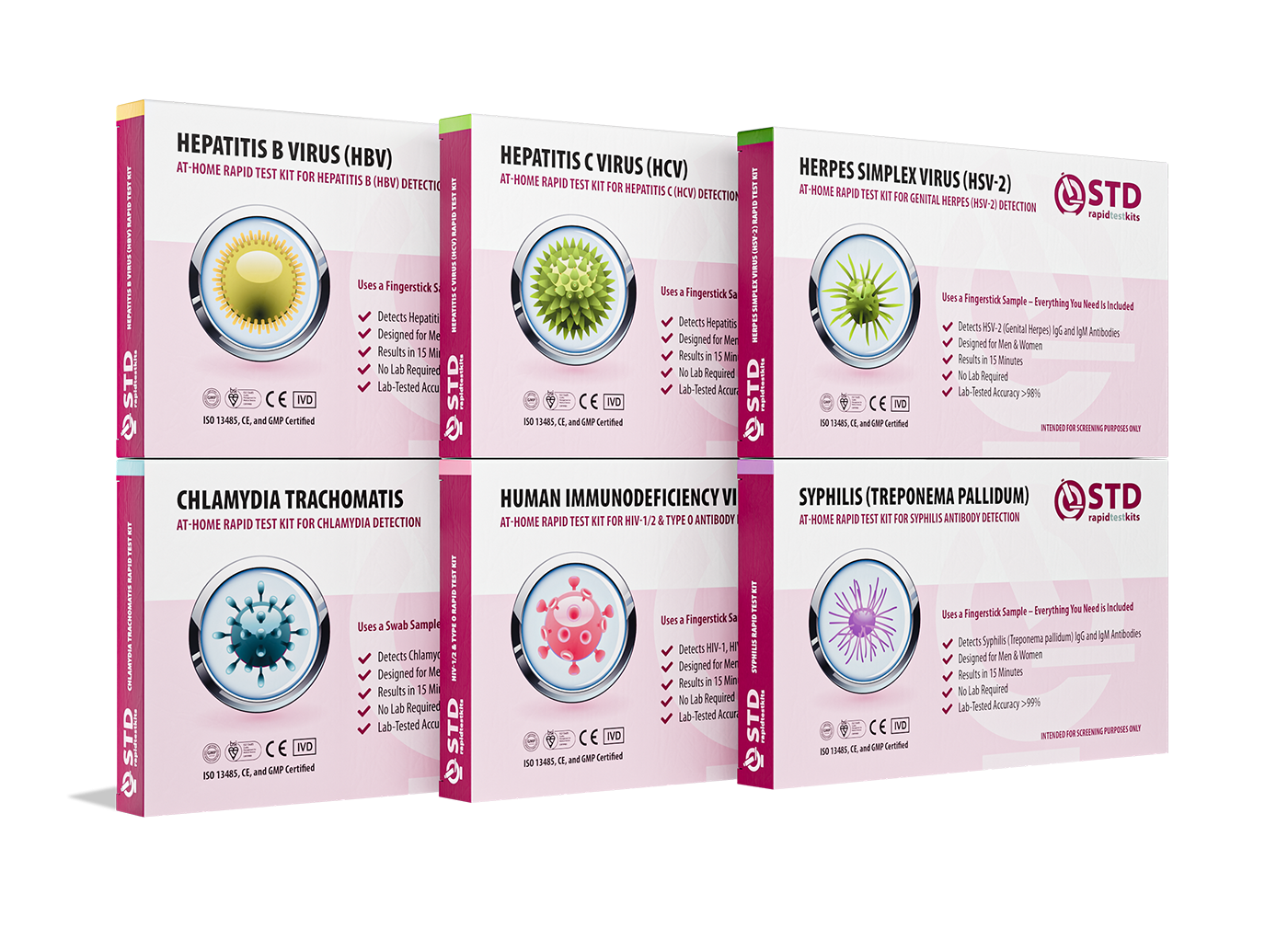
 For Men & Women
 Results in Minutes
 No Lab Needed
 Private & Discreet
For all 6 tests
Not All Testing Is Equal: Which Type Do You Need?
Knowing when to retest is one thing, knowing what test to choose is another. This is where many people get overwhelmed or waste money.
If you're only looking for HPV, you probably need a cervical swab or Pap smear with HPV typing instead of a general STD panel. These are usually done at clinics or through mail-in labs that collect cervical samples. Rapid tests for HPV are becoming more common, but they are not yet widely available for home use.
For herpes, testing options include blood antibody tests (which can tell if you’ve ever been exposed) and swab PCR tests if you're having an active outbreak. Be aware that many herpes antibody tests cannot differentiate between oral and genital infections unless type-specific.
Retesting for chlamydia, gonorrhea, or trichomoniasis usually uses NAAT (nucleic acid amplification testing), either via urine or swab, and can be done reliably at home with FDA-cleared kits like the Combo STD Home Test Kit.
Still unsure? That’s normal. Your next step doesn’t need to be perfect, it just needs to be informed. In the next section, we’ll explore real-life reasons to retest, and how to move from panic to plan without spiraling.
When Retesting Isn’t Just Medical, It’s Emotional Reassurance
Kayla, 41, had never had an STD until a surprise herpes diagnosis during her divorce. It wasn’t just the shock of the diagnosis, it was the mental weight that lingered. “I got treated. I talked to my doctor. But I still felt like I needed to know again. Like… am I still ‘safe’?”
This is the part most medical websites skip: the mental health side of retesting. Sometimes you’re not checking for a physical infection, you’re trying to stop the echo in your head. That’s valid.
There are three major emotional triggers that push people to retest even when they don’t “technically” need to:
1. New Relationship Anxiety – You’ve tested before, but now you’re dating someone new. You feel responsible to confirm everything again. Especially with HPV or herpes, this fear often resurfaces even when disclosure has happened.
2. Symptom Recheck Loop – You saw a bump, itch, or tingle. It passed, but now you’re doubting whether it meant something. Even after treatment, residual symptoms or scar tissue can confuse you into thinking something’s back, or worse, evolving.
3. Cancer Panic – You read one sentence in a forum post about cervical cancer and now you’re rethinking everything. If you’ve had HPV before, even if it cleared, the shadow of “what if it’s still there?” can be hard to shake. That’s where timelines, not just tests, help.
The solution isn’t always more tests. Sometimes it’s better interpretation, provider support, or education on what persistence and clearance actually mean. But if peace of mind hinges on seeing a negative test again? That’s a valid reason to retest.
Understanding Persistence: When a Virus Lingers Too Long
Most STDs don’t hang around forever. But HPV is tricky. Up to 90% of cases clear on their own within two years, especially in younger people with strong immune systems. It’s the persistent high-risk strains that can cause cellular changes over time, leading to precancerous lesions or, in some cases, actual cancer.
But persistence isn’t about weeks or months. It’s about years.
Marcus, 34, had high-risk HPV detected during a routine screening. His doctor told him to come back in a year. “It felt like a trap, like if I waited, I might miss the chance to stop something early. But I also didn’t want to over-test and get false alarms.”
This tension is real. Testing too soon after an HPV diagnosis can show the same result even if your body is clearing it. Testing too late risks missing early intervention. That’s why most guidelines, like those from the CDC and ACOG, recommend annual rescreening for abnormal or high-risk results, with immediate colposcopy only if concerning changes appear.
Herpes, on the other hand, is not cleared by the body in the same way. But it also doesn’t mutate into cancer. Retesting in herpes is mostly useful for identifying whether a new outbreak is viral shedding or a different condition altogether.
How “Cancer Risk” Actually Plays Out, Not Just Headlines
Let’s be blunt: cancer is slow. That can be comforting or frustrating, depending on where you sit. In most HPV-related cancers, like cervical or anal cancer, there’s a multi-year buildup of cellular changes before anything malignant forms. Regular testing is what makes it preventable, not inevitable.
In fact, studies from the American Cancer Society show that with consistent screening, cervical cancer is one of the most detectable and preventable cancers today. The challenge isn’t risk, it’s missed follow-ups, unclear testing windows, or assuming a one-time screen is enough forever.
Lena, 29, skipped her Pap for five years after a bad experience at a clinic. “I thought, if I had HPV, I’d know. But then a friend got diagnosed, and I spiraled. I hadn’t even thought about the cancer link until it felt too late.” She wasn’t too late, but her fear kept her frozen.
That’s the emotional math behind retesting: even a low risk feels huge when you’re doing it alone. That’s why timelines, and tools, can help you move from fear to clarity.
Risk Timeline After an STD: What Happens at 3, 6, 12 Months?
If you’re tracking your own post-STD timeline, use this as a loose emotional and clinical guide, not a replacement for your provider’s recommendations:
| Time Since Diagnosis | What to Expect | Recommended Action |
|---|---|---|
| 3 months | Chlamydia/gonorrhea recheck; possible herpes shedding; minimal HPV change | Retest for bacterial STDs; monitor for herpes symptoms |
| 6 months | Possible viral suppression; HPV may begin clearing | Repeat HPV test only if advised; reassess emotional triggers |
| 12 months | HPV likely cleared (if not persistent); low cancer risk unless abnormal cells | Do annual Pap + HPV typing if applicable |
| 2+ years | Persistent HPV may lead to precancerous changes if untreated | Colposcopy or biopsy if cells are abnormal |
Figure 3. STD-related cancer timeline and retesting logic. Always confirm with a provider for personalized screening intervals.
Time doesn’t always feel like a friend. But in the world of post-STD testing and cancer risk, it’s usually on your side, as long as you don’t ghost your follow-up plan.
Your Next Test Isn’t a Judgment, It’s a Plan
If you’re even reading this, it means you care. You’re not brushing symptoms aside or pretending the fear doesn’t exist. That alone sets you apart.
Re-testing isn’t about being paranoid, it’s about reclaiming control. Maybe it’s been six months and you’re wondering if something changed. Maybe you’re entering a new relationship. Maybe you just want peace of mind before your annual checkup. Whatever the reason, it’s valid.
Ready to check in with your body again? STD Rapid Test Kits offers discreet, at-home options for major STDs, so you can get answers without judgment, clinics, or delays.
Sometimes, the test isn’t just for your body. It’s for your brain. And that’s okay, too.
Why Stigma Delays Retesting (And How to Push Through It)
Tyrese, 24, got his first STD test after a partner confided in him about past HPV. “Even though I didn’t have symptoms, I felt this weird mix of fear and shame walking into the clinic,” he said. When he tested negative, he was relieved, but the fear returned six months later. “It’s like I didn’t trust the result, or myself. I waited another year before I even thought about retesting.”
This is the unseen barrier for many people: not cost, not time, but stigma. The lingering sense that if you need to test again, it must mean you’ve done something wrong. That you’ve “gotten dirty” again. That you didn’t learn your lesson.
This kind of thinking is dangerous. It keeps people from catching persistent infections like high-risk HPV early, when it’s still manageable. It reinforces silence instead of encouraging partner communication. And it makes retesting feel like a punishment, instead of what it really is, a check-in, a checkpoint, a tool.
To counter this, you need a different internal script. Testing isn’t the consequence, it’s the care. You’re not failing by retesting. You’re showing up. And that matters more than timing ever will.
Talking to a Partner About Retesting, Even If It’s “Just in Case”
“Do I tell them I’m retesting for HPV? Is that going to make them think I’m risky?”
That’s a question that shows up in nearly every STD-focused advice column. And the answer depends on your comfort, your communication style, and your boundaries. But here’s a helpful reframe: retesting is not a confession, it’s a sign of care.
Daniela, 31, was dating someone new when her doctor suggested a follow-up Pap smear for a low-risk HPV strain. “I didn’t want to freak him out, but I also didn’t want to hide it. So I said, ‘Hey, I had something come up in a past test, and I’m just checking to make sure it’s all cleared. It’s not contagious right now, but I like to be thorough.’”
The conversation didn’t derail the relationship, it deepened it.
You don’t owe anyone a full medical dossier. But you do deserve relationships where retesting isn’t seen as paranoia, but self-awareness. Whether it’s HPV, herpes, or just the itch of worry in your brain, being able to say, “I’m checking on this because I care about my health and yours” can be empowering. If someone can’t hold space for that, it’s not the test that’s the problem.

People are also reading: Countries That Still Ban Travel for People with HIV
What Providers Sometimes Miss (And Why You Should Speak Up)
Not all medical providers are trauma-informed. Some don’t realize that a brush-off, “You don’t need to worry about that”, can feel dismissive instead of reassuring. That’s especially true when you’re asking about retesting timelines after something as emotionally loaded as HPV or herpes.
Riya, 37, had persistent high-risk HPV for three years. Her provider recommended yearly follow-ups but didn’t explain what “persistence” really meant. “I thought I was doing something wrong. Like it was my fault it wasn’t going away,” she said. “It wasn’t until I asked for a colposcopy that I finally got a clear picture.”
This gap, between what we fear and what we’re told, can widen when communication breaks down. So ask questions. If your gut says you need a retest, say so. If a result feels unclear, request clarification. Bring notes. Bring links. Bring your voice.
Medical gaslighting doesn’t always look like cruelty. Sometimes it looks like impatience. And the best antidote is confidence, backed by knowledge. This article is a start, but your chart should reflect your concerns, too.
And if you’re not ready to face a provider yet? You can still take action. Try a Combo STD Home Test Kit to screen for common infections without having to navigate waiting rooms or judgment.
Herpes Isn’t Cancer, But Here’s When to Recheck Anyway
This one deserves its own moment. Herpes is arguably the most stigmatized STI out there, but it’s not cancer-linked. Still, many people panic after a herpes diagnosis because of old myths, misreported statistics, and fear of viral load or recurrence.
Here’s what matters:
Retest for herpes if:
- You have new symptoms and want confirmation of whether they’re herpes or something else.
- Your initial test was inconclusive (especially if it was done during the window period).
- You need written documentation for treatment planning or partner communication.
Otherwise, herpes is managed, not retested in the same way bacterial STDs or HPV are. The virus stays in the body, but management focuses on symptoms and viral shedding, not “clearing” it. And again, herpes does not turn into cancer.
So if your cancer fear is rooted in a past herpes diagnosis, let this be a hard stop. Your retesting focus should shift toward clarity, not catastrophe.
Check Your STD Status in Minutes
Test at Home with Remedium7-in-1 STD Test Kit
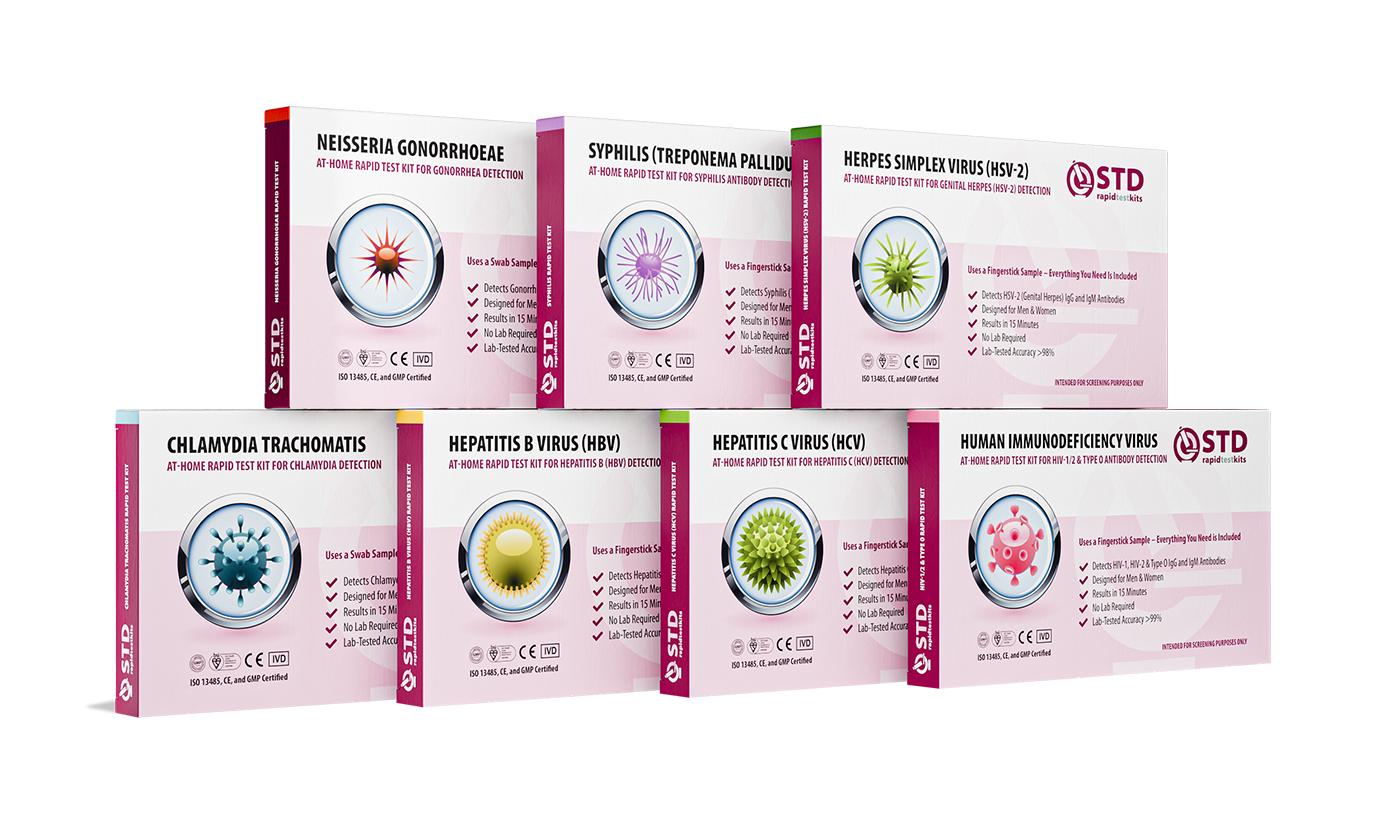 For Men & WomenResults in MinutesNo Lab NeededPrivate & Discreet
Order Now $129.00 $343.00
For all 7 tests
You’re Not Overthinking It, You’re Taking Ownership
The truth is, most people delay testing out of fear. But the people who re-test? They're often the ones who have faced that fear and decided to walk through it anyway.
Marlon, 45, tested positive for chlamydia three years ago. He was treated. He moved on. But every time a new partner asked about his testing history, he felt unsure. “I just kept saying, ‘I was negative last time I tested,’ but I didn’t really know. So I finally did another round of tests, everything. And I felt like I could breathe again.”
That’s what retesting offers, space to exhale. To reset the clock. To take ownership of your health instead of just reacting to it.
You’re not being dramatic for wanting to retest. You’re not being obsessive. You’re doing exactly what someone invested in their health would do. And that’s not shameful, it’s powerful.
Take that power back today. Whether it’s been three months, three years, or just three sleepless nights, you don’t need permission to get peace of mind. You can start here.
FAQs
1. Does HPV mean I’ll get cancer?
Not even close. HPV is super common, most people will have it at some point and never know. The real risk comes from a few high-risk types that stick around for years. That’s why follow-up matters. If you’ve had a Pap or HPV test that came back “abnormal,” don’t panic. It just means your doctor wants to keep an eye on things before they ever become serious. And with regular screening? It usually stops way before it starts.
2. Someone told me herpes causes cancer. Is that true?
Nope. That’s an internet myth that needs to die already. Herpes (whether HSV-1 or HSV-2) doesn’t lead to cancer, period. It can be annoying, painful, and emotionally exhausting, but not dangerous in that way. If you’re worried because the two often get mentioned together, you’re not alone. But they’re totally separate conditions with different risks and timelines.
3. How long after an STD should I retest?
Depends on what you had and what you're worried about. For infections like chlamydia and gonorrhea, it’s smart to retest around the 3-month mark, even if you were treated, to make sure it’s really gone (or didn’t come back). HPV is more of a slow game: follow-up usually happens 12 months after a positive result. Herpes? You don’t really “retest” unless you have new symptoms or need confirmation. In short, timing is important, but there is no one-size-fits-all answer.
4. Is it weird to retest even if I don’t have symptoms?
Honestly? It’s one of the smartest things you can do. Symptoms aren’t always reliable, especially with HPV and herpes, which often fly under the radar. If you’ve had a new partner, something feels off, or you just can’t shake the anxiety, go ahead and retest. You’re not being paranoid. You’re being proactive.
5. I had HPV years ago. Am I still at risk?
Great question. If your body cleared it (which most do within 1–2 years), then probably not. But if you never followed up after an abnormal Pap or you’re overdue for screening, it’s a good idea to check in. Think of it like checking your smoke alarm. Most of the time it’s fine, but you’d rather know than guess.
6. Can you get throat cancer from oral HPV?
Yes, but let’s add context. It’s rare, it builds slowly, and it’s usually caused by the same high-risk HPV strains tied to cervical cancer. If you’ve had lots of oral sex partners or you’re a cis man over 40, your risk goes up a bit. That said, don’t spiral. Just bring it up during dental or wellness visits and get screened if you’re high-risk. Prevention = power.
7. If my partner tested positive for HPV or herpes, what should I do?
First, breathe. Then ask questions. If it’s HPV, know that it’s usually passed back and forth without symptoms, so you may already have been exposed. It doesn’t mean anyone “cheated” or is “dirty.” Just schedule a Pap or co-test and stay calm. If it’s herpes, you might want a type-specific blood test or a swab if you’ve got symptoms. Either way, your next move is info, not accusation.
8. Is there harm in testing “too often”?
In general? No. The emotional toll is more of a factor than the medical one. Over-testing can sometimes lead to confusing results (especially for herpes, where false positives happen), but if you’re doing it for peace of mind or new exposure, that’s okay. Just don’t let the testing replace sleep, therapy, or actual conversations with your partners.
9. Do untreated STDs really lead to cancer?
Some might, mainly HPV, and possibly long-term inflammation from untreated chlamydia. But “untreated” usually means years of no follow-up, not a couple of missed tests. If something slipped through the cracks, don’t freak out. Just pick back up where you left off. Testing late is still better than not testing at all.
10. Can I test for HPV at home?
It’s getting easier, but it depends on where you live and what kind of test you need. Most at-home rapid kits don’t include HPV because it requires a cervical swab. Some mail-in labs offer it with special collection tools, especially for people with a cervix. Double-check the product details. And if you’re unsure, clinics can help you sort through options without judgment.
You Deserve Answers, Not Assumptions
If you’ve ever had an STD, especially HPV, you know how quickly the worry can creep back in. A twinge. A headline. A TikTok video about cervical cancer. And suddenly, you’re questioning whether your last test was enough.
This article isn’t just about biology. It’s about giving you a roadmap through the fog. Because cancer fear after an STD isn’t irrational, it’s common. But you don’t have to stay frozen. There are clear timelines, accurate tests, and compassionate tools that can move you from panic to power.
Don’t wait and wonder, get the clarity you deserve. This at-home combo test kit checks for the most common STDs discreetly and quickly.
How We Sourced This Article: We combined current guidance from leading medical organizations with peer-reviewed research and lived-experience reporting to make this guide practical, compassionate, and accurate.
Sources
2. ACOG – Cervical Cancer Screening FAQs
3. American Cancer Society – Cervical Cancer Key Facts
4. CDC – Clinical Overview of HPV
5. American Cancer Society – HPV Testing for Cancer Prevention
6. CDC – About Genital HPV Infection (STI Info)
7. ACOG – Updated Cervical Cancer Screening Guidelines
8. NIH/PMC – Transmission and Clearance of Human Papillomavirus
About the Author
Dr. F. David, MD is a board-certified infectious disease specialist focused on STI prevention, diagnosis, and treatment. He blends clinical precision with a no-nonsense, sex-positive approach and is committed to expanding access for readers in both urban and off-grid settings.
Reviewed by: Dr. Layla Singh, MPH | Last medically reviewed: January 2026
This article is for informational purposes and does not replace medical advice.


