





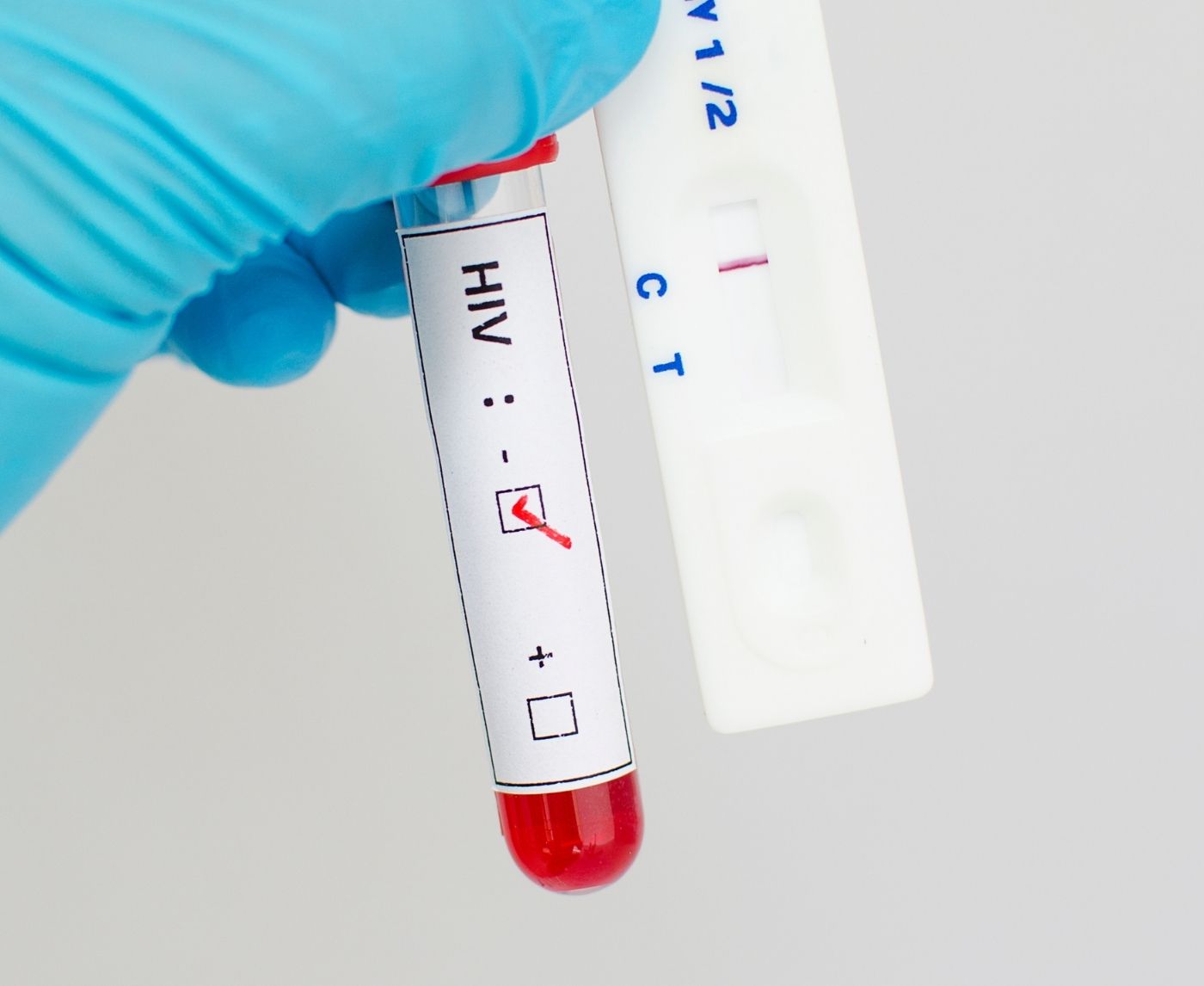

Quick Answer: Most people avoid STD testing due to fear, shame, and the false belief that no symptoms means no infection. But many STDs are silent, and waiting only increases risks.
Why This Isn’t Just About You
There’s a reason millions of people every year don’t get tested for STIs. It’s not ignorance. It’s not irresponsibility. It’s something deeper, something that doesn’t show up on a lab result. Getting tested can feel like admitting you did something wrong, even when you didn’t. It forces you to confront parts of your life most people are taught to keep quiet about: desire, vulnerability, and risk.
In a 2023 national survey, nearly 60% of sexually active adults aged 18–35 said they had never been tested for chlamydia or gonorrhea. Among them, more than half cited reasons like “I didn’t think I needed to,” “I was scared,” or “I didn’t want anyone to know” (CDC STD Screening Guidelines). These aren’t fringe excuses, they’re the norm.
Take Alex, 32, who avoided getting tested for three years after a breakup. “I didn’t have symptoms. I was dating someone new. I was scared of what it would mean for my past, for my relationship, for how I’d see myself,” he told us. “I kept thinking I’d go next month.” That month never came, until a persistent rash finally forced his hand.
The Most Dangerous Myth: “I’d Know If I Had Something”
This is the line that keeps people from seeking care. “I feel fine. I would know if I had an STD.” But the truth? Most of the most common STDs don’t come with early warning signs. You could have chlamydia, herpes, or even HIV and feel completely normal for weeks, months, or even years.
Here’s how that breaks down:
| STD | Silent in Most Cases? | Common Early Symptoms (If Any) |
|---|---|---|
| Chlamydia | Yes (70–95%) | Mild discharge, burning urination |
| Herpes (HSV-2) | Often | Tingling, small sores, flu-like symptoms |
| Gonorrhea | Yes (especially in women) | Pelvic pain, discharge, pain during sex |
| Syphilis | Yes (early stages) | Painless sore (chancre), rash |
| HIV | Yes (early symptoms often missed) | Fever, fatigue, sore throat (flu-like) |
Table 1: Common STDs that present with no symptoms in early stages.
These silent infections aren’t rare, they’re the default. That’s why the CDC and WHO recommend regular screening for sexually active individuals, especially those under 30 or with new or multiple partners (WHO STI Fact Sheet).
But if the body stays quiet, the mind often does too. People convince themselves: “If something was wrong, I’d know.” That logic is flawed, and dangerous. The longer you wait, the greater the chance of complications like pelvic inflammatory disease, infertility, or unknowingly transmitting the infection to others.
People are also reading: Chlamydia Swab Tests Explained: Accuracy, Pain, and Home Kit Options
When Fear Feels Bigger Than Risk
There’s a paradox at the heart of STD testing: the fear of finding out is often greater than the fear of having something. This is especially true if you have internalized stigma. For people in conservative or culturally silent households, the idea of testing carries moral weight. It’s not just medical, it’s personal. It feels like a confession, a scarlet letter, a red flag for anyone who might find out.
Maria, 24, described her anxiety this way: “The idea of even Googling ‘STD test near me’ made me feel like I was doing something wrong. I’d clear my browser. I’d talk myself out of it.” She’d been with two partners in the last year. She’d used condoms most of the time. But fear doesn’t always respond to facts.
Studies have found that people often delay testing not because they lack access, but because they lack emotional permission. They need to feel that getting tested doesn’t make them dirty, suspicious, or guilty. In truth, it makes them responsible. But that shift in framing is hard to internalize, especially when sex education is framed around fear, shame, or sin.
It’s not just personal psychology. In a 2024 behavioral study published in Sexually Transmitted Diseases, researchers found that people who associated STD testing with moral judgment were 45% less likely to test within recommended windows, even when tests were free and available (PubMed: Testing Behavior & Shame Study).
Check Your STD Status in Minutes
Test at Home with Remedium7-in-1 STD Test Kit
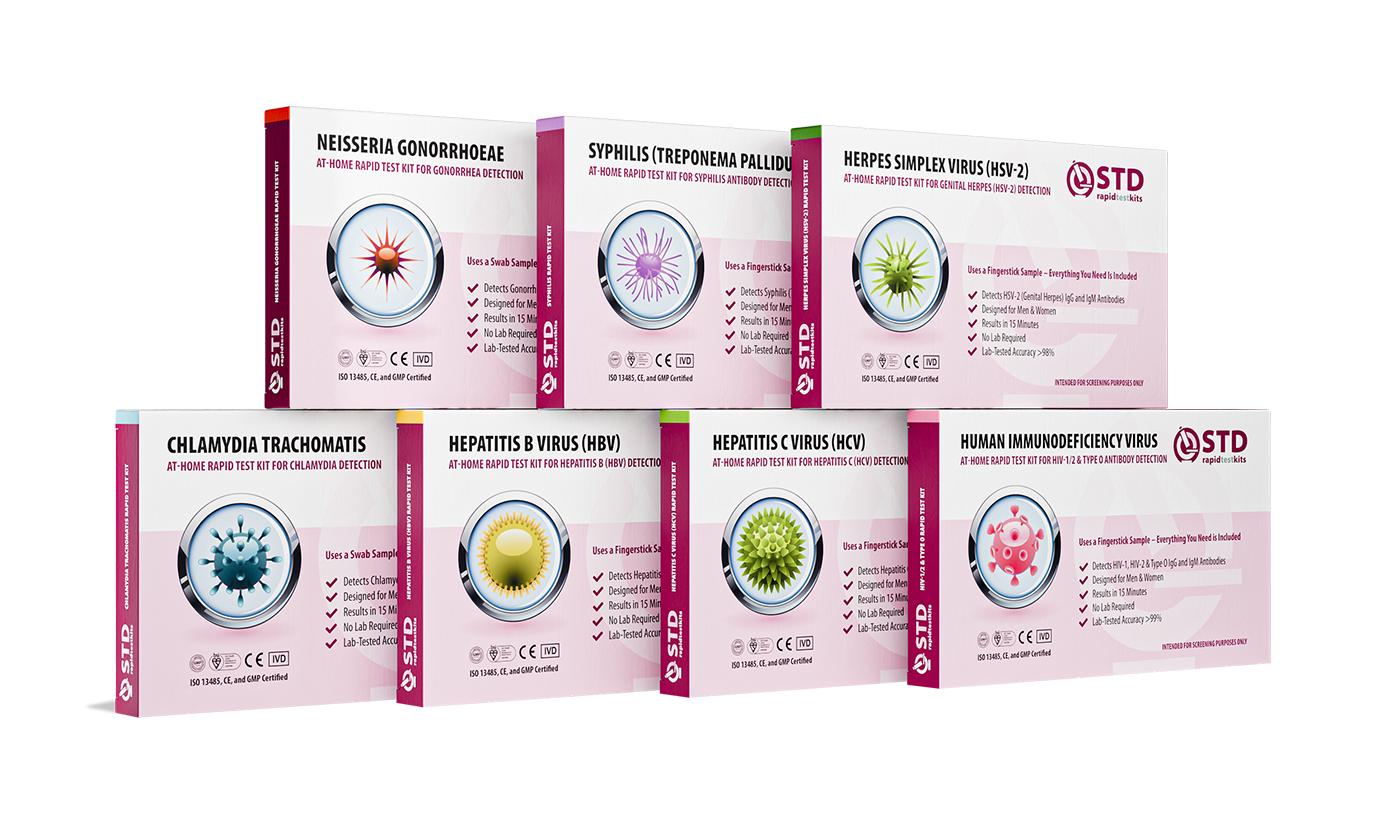
 For Men & Women
 Results in Minutes
 No Lab Needed
 Private & Discreet
Order Now $129.00 $343.00
For all 7 tests
Access Isn’t Always the Issue, But It Still Matters
Even when someone gets past the emotional roadblocks, there’s still the question of how. Where do you go? Will insurance cover it? Can you get in without making a call or seeing a doctor face-to-face?
This is where many people hit the second wall: logistics. Not everyone lives near a clinic. Not everyone feels safe walking into Planned Parenthood. And not everyone has the kind of job, transportation, or schedule that makes weekday testing easy. When you combine that with the emotional weight already in the mix, avoidance becomes the path of least resistance.
That’s where at-home tests come in, not just as a convenience, but as a bridge across shame, geography, and fear. With discreet shipping, private results, and reliable accuracy when used correctly, home testing has started to shift the landscape. Yet even then, uptake isn’t universal. Many don’t know these options exist. Others don’t trust them. Some are still paralyzed by the same fears they’d have in a clinic waiting room.
If your head keeps spinning, peace of mind is one test away. Order a discreet combo STD test kit and get results from the privacy of home, no appointments, no judgment.
“But I’m in a Relationship…” (And Other Reasons People Don’t Test)
This is one of the most common internal monologues. You’re with someone. Maybe it’s new. Maybe it’s been a while. You trust them, or want to. So you don’t test. Because testing might feel like doubt. Or worse: exposure of something you don’t want to explain.
But relationships are not force fields. Many people contract STDs in monogamous partnerships. Sometimes one partner didn’t realize they had an infection from before. Sometimes there’s been a lapse in monogamy. Sometimes it’s a window period issue, one partner got tested “too early” and assumed they were in the clear.
Here’s what one couple learned the hard way: Rachel and Jordan had been exclusive for six months. He tested negative for everything after his last partner. She didn’t test, assuming she hadn’t been exposed. When she developed spotting and lower abdominal pain, her doctor diagnosed her with chlamydia. Jordan’s test had been too early. Neither had symptoms until her body showed signs of damage.
This isn’t about blame. It’s about understanding that testing is like brushing your teeth: regular, routine, preventative. Not a reaction to something “bad” but a way of keeping something good.
Understanding Testing Windows and Timing
One hidden reason many people don’t test, or test incorrectly, is misunderstanding when to test. If you test too soon after exposure, you might get a false negative. If you wait too long, you risk complications. But most people don’t know this.
The table below breaks down the typical window periods for common STDs. These are the minimum times it takes after exposure before a test is likely to detect the infection. Testing earlier is possible, but results may be inconclusive.
| STD | Minimum Detection Time | Best Time to Test |
|---|---|---|
| Chlamydia | 7 days | 14 days |
| Gonorrhea | 7 days | 14 days |
| Syphilis | 3 weeks | 6–12 weeks |
| HIV (Ag/Ab test) | 2 weeks | 4–12 weeks |
| Herpes (IgG antibody) | 3–4 weeks | 8–16 weeks |
Table 2: Recommended testing windows for accuracy after potential exposure.
If you’ve tested recently but feel unsure about timing or results, a follow-up test may be your next best move. And if your last hookup or scare was weeks ago, the time to test is now, not after your body forces the issue.
What Happens If You Just... Don’t Test?
For a while? Maybe nothing. That’s the trap. That’s why people delay. Because the consequences aren’t immediate. Because they feel fine. Until they don’t.
Untreated chlamydia and gonorrhea can lead to pelvic inflammatory disease (PID), infertility, or chronic pelvic pain in women. In men, they can cause urethral infections or painful swelling. Syphilis can move quietly through stages, ending in neurological damage if ignored. HIV is manageable today, but only with treatment. Early detection changes outcomes, late detection limits options.
But beyond health, there’s the social and relational ripple effect. Not testing doesn’t just risk your body, it risks your partner’s health, your peace of mind, and your sense of trust. In one anonymous study of adults under 40 who delayed testing, 63% said they spent “months or years” mentally negotiating with themselves about what they might be carrying. Anxiety becomes the background noise. Until something forces it to the surface.
But you don’t have to wait for that. The power move isn’t waiting, it’s knowing. And if you’re still unsure, that hesitation is your signal. Not your guilt. Your guidepost.
If You're Scared of the Result, Read This
This is the part where most articles go clinical. We won’t. Let’s be real: being scared of a positive result is normal. It doesn’t mean you’re weak. It means you’re human. But here’s the truth that often gets buried under shame: most STDs are treatable. Some are even curable in a single dose. And for the ones that aren’t curable, they are highly manageable.
Herpes? Over half of American adults have it. Most never know. It’s not a death sentence. It’s not even always symptomatic. HIV? It’s a chronic condition now, not a death sentence. People live long, full, healthy lives. Chlamydia and gonorrhea? Caught early, they’re cleared up fast.
What hurts people isn’t the diagnosis, it’s the delay. The waiting. The guessing. The “what if?” that takes over your thoughts when your body is trying to whisper a warning.
Let this article be your reset. You don’t need to know everything today. You just need to start. Visit our homepage to explore rapid testing options that meet you where you are: private, fast, and stigma-free.
People are also reading: How Soon After Sex Can You Test for STDs? The Real Timeline
When Your Partner Won’t Test
Sometimes the barrier isn’t you, it’s the person you’re with. Maybe they say they’ve been tested, but they won’t show results. Maybe they say they “feel fine.” Maybe they accuse you of not trusting them. And suddenly, your anxiety doubles: now it’s about conflict, not just health.
This dynamic is more common than people admit. Especially in new or casual relationships, asking someone to test can feel like crossing a line. But it’s not an accusation. It’s a boundary. A request for shared safety.
Here’s what often helps: framing the ask as mutual care. “I’m getting tested next week and would love if we could do that together.” Or: “I trust you, and I’d feel even safer if we both checked, just for peace of mind.” If they refuse outright or mock the idea? That’s data, too.
Your sexual health is yours. And protecting it doesn’t make you paranoid. It makes you powerful.
Check Your STD Status in Minutes
Test at Home with Remedium8-in-1 STD Test Kit
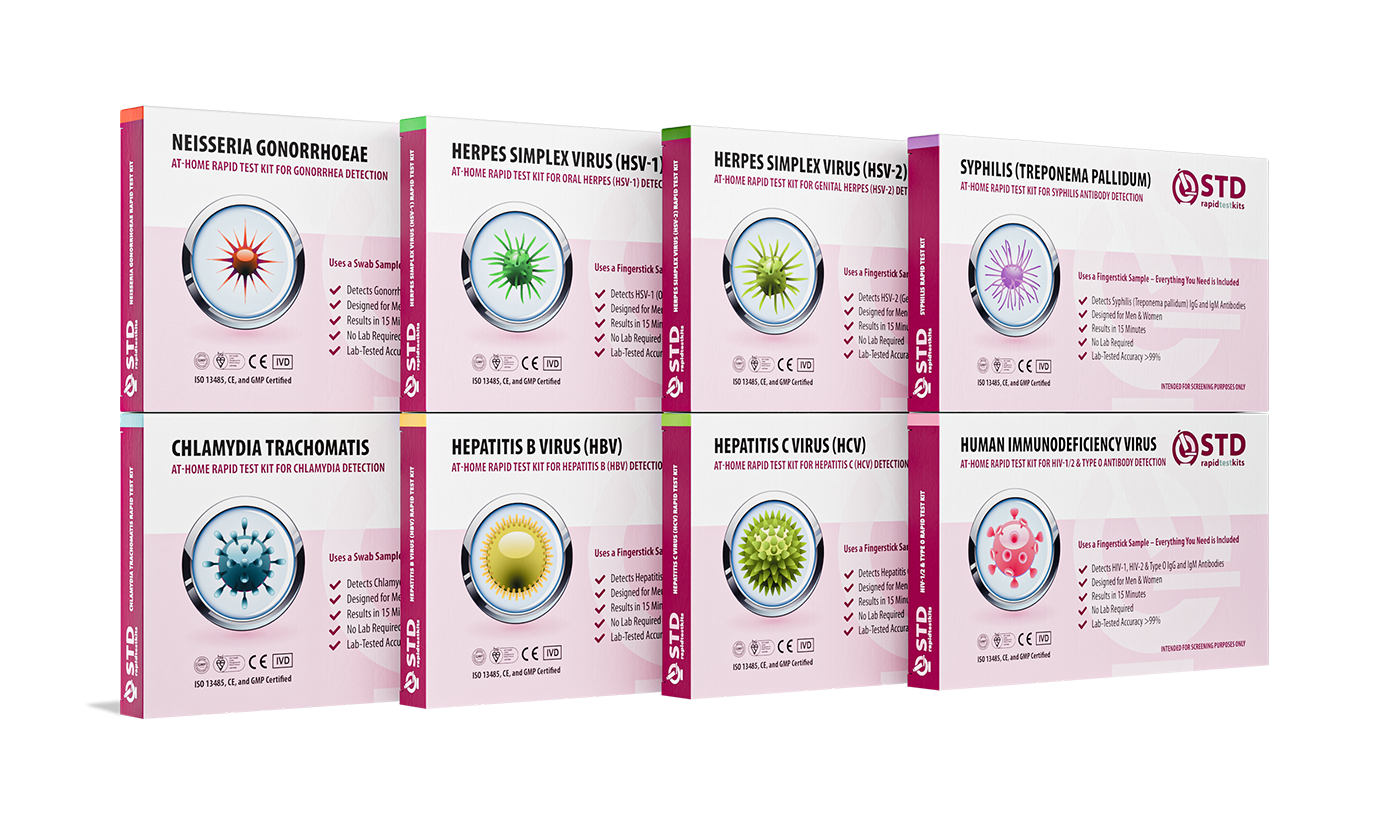 For Men & WomenResults in MinutesNo Lab NeededPrivate & Discreet
Order Now $149.00 $392.00
For all 8 tests
Why At-Home Testing Might Finally Make It Easier
The rise of at-home STD test kits has changed the game for people who have always hesitated. Whether it’s fear of being seen, worry about being judged, or just not wanting to talk to a doctor about sex, home tests offer a quiet way out of the anxiety loop.
These kits are FDA-approved, discreetly shipped, and designed to be self-administered with clear instructions. Many offer results in minutes. Others require a quick sample mailed to a lab with secure online results. The privacy is real, and for many, so is the relief.
Home testing isn’t perfect. There are still window periods to consider. Some results may require confirmation. But for someone stuck in avoidance mode, the simplicity and privacy of these kits can be the turning point.
You deserve answers, not assumptions. Order a rapid herpes test kit or explore combo options based on your needs. The first step is often the hardest. We’ve made the rest easier.
FAQs
1. Can you really have an STD and not know it?
Yes, and it's more common than you'd think. In fact, most people with chlamydia or gonorrhea have zero symptoms. You might feel totally fine, be in a relationship, and still carry something without knowing. That’s why routine testing matters, it catches what your body doesn’t always announce.
2. How soon after sex should I get tested?
Depends on the STD. Some show up on tests after a week. Others, like syphilis or HIV, can take several weeks to register. If it’s been less than five days, testing might be too soon. Two weeks is a good general marker, but when in doubt, test now and again later if needed.
3. Is testing at home really trustworthy?
Short answer: yes, when you follow the instructions and test at the right time. Many rapid test kits use the same science as clinics. For example, lateral flow tests (think: pregnancy test style) are widely used and respected. They’re not perfect, but they’re private, fast, and a solid starting point.
4. Why am I so scared to get tested?
Because it’s not just about health, it’s about fear, shame, relationships, and what the results might “say” about you. We’ve all been there. But testing doesn’t mean something’s wrong. It means you care enough to know. And if something does come up? Most STDs are treatable. That’s not fear, that’s freedom.
5. My partner says they’re clean, should I still test?
“Clean” is a laundry setting, not a health status. Even if someone feels healthy or was tested once last year, that doesn’t mean they’re 100% clear today. Trust, but test. And if they care about you? They’ll understand why you’re asking.
6. I tested negative, do I need to retest?
Possibly. Especially if you tested too early after exposure, or if you’ve had new partners since. Think of it like rechecking your oil: a negative test isn’t forever. It’s just a snapshot of that moment.
7. Can I get an STD from oral sex?
Yes. Not always, but herpes, gonorrhea, syphilis, and even chlamydia can be transmitted this way. A sore throat after a hookup might be more than just dry air. If something feels off, trust that gut feeling and test.
8. What if I live with my parents, can I still order a test?
Of course. Home test kits are sent in plain packaging that doesn't say "STD test inside!" on the outside. If you want more privacy, you can also send it to a friend's house or a pickup locker.
9. oes insurance cover STD tests?
Sometimes, but not always, and usually not for at-home tests. If you're uninsured or just want total privacy, paying out of pocket for a home kit gives you control, no paperwork, and no awkward billing codes.
10. How often should I be testing?
If you’re having sex with new or multiple partners, every three to six months is a smart rhythm. If you’re in a closed relationship and have both tested recently, once a year might be enough. Life changes, though, and so should your testing habits.
You Deserve Answers, Not Assumptions
The story doesn’t end with fear. It begins with clarity. If you’ve ever delayed testing because you were nervous, ashamed, or unsure, it’s time to forgive yourself and move forward. This isn’t about blame. It’s about ownership.
Don’t wait and wonder, get the clarity you deserve. This home test kit checks for the most common STDs quickly and without drawing attention to itself.
How We Sourced This Article: We combined current guidance from leading medical organizations with peer-reviewed research and lived-experience reporting to make this guide practical, compassionate, and accurate.
Sources
1. CDC STD Screening Recommendations
2. WHO Overview: What You Need to Know About STIs
3. Getting Tested with Planned Parenthood
4. Healthline: STD Symptoms and Testing
5. Annual STI Testing Among Sexually Active Adolescents
6. Correlates of STI Testing Among U.S. Young Adults
7. Relationships Between Perceived STD‑Related Stigma and Testing
8. Barriers and Facilitators of Screening for Sexually Transmitted Infections
About the Author
Dr. F. David, MD is a board-certified infectious disease specialist focused on STI prevention, diagnosis, and treatment. He blends clinical precision with a no-nonsense, sex-positive approach and is committed to expanding access for readers in both urban and off-grid settings.
Reviewed by: A. Richards, NP | Last medically reviewed: December 2025
This article is meant to give you information, not to give you medical advice.


