







Quick Answer: Yes, you can get STDs from oral sex. Several common infections spread through mouth-to-genital contact, often without symptoms, and many people don’t realize they’ve been exposed until weeks or months later.
Why Oral Sex Feels “Safe”, And Why That Belief Sticks
Most people don’t wake up one day and decide oral sex is risk-free. That idea gets absorbed slowly, through half-sentences in sex ed, jokes between friends, and the absence of obvious consequences. Nobody you know talks about getting a throat infection from a blowjob. Nobody posts about mouth sores after going down on someone. Silence fills the gaps, and silence starts to feel like evidence.
There’s also the psychological math we do when risk feels uncomfortable. No penetration means no pregnancy. No pregnancy risk often gets mentally bundled with “no real danger,” even though infections operate on a completely different set of rules. Add in the fact that many oral STDs don’t hurt, don’t itch, and don’t show up right away, and it becomes easy to believe nothing happened at all.
But the mouth isn’t protected territory. It has thin mucosal tissue, tiny abrasions you can’t see, and constant moisture that allows viruses and bacteria to pass more easily than people realize. The absence of immediate symptoms doesn’t mean the absence of transmission. It just means the body hasn’t raised its hand yet.
STD #1: Gonorrhea, The Silent Throat Infection
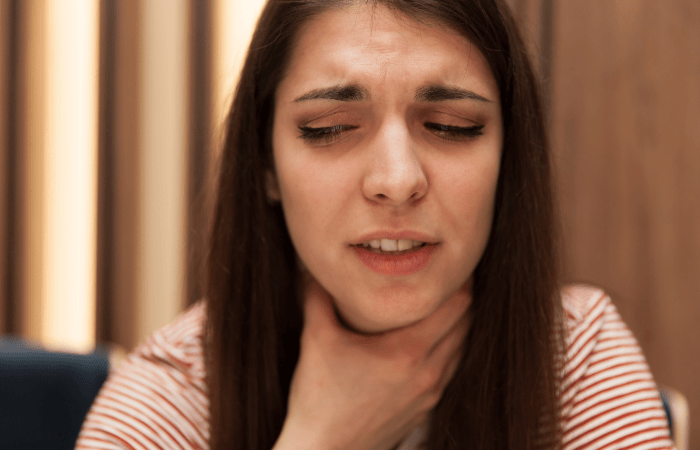
Throat gonorrhea rarely announces itself. No dramatic pain. No obvious discharge. Often not even a sore throat that feels worth mentioning. It’s common for people to assume they caught a mild cold or seasonal irritation, if they notice anything at all.
Picture someone standing in line for coffee, swallowing repeatedly because something feels “off,” but not off enough to cancel plans or call a doctor. That discomfort fades in a few days, life continues, and the infection quietly persists. Throat gonorrhea frequently goes undiagnosed because most people never think to test their throat unless they’re told to.
The bacteria that cause gonorrhea pass easily during oral sex, especially when ejaculation occurs in the mouth, but even pre-ejaculatory fluids can carry enough bacteria to transmit infection. Because standard urine tests don’t detect throat infections, many people falsely assume they’re clear after testing, unaware that the mouth was never checked.
| Infection Site | Common Symptoms | How Often Symptoms Appear | Detection Method |
|---|---|---|---|
| Throat | Mild soreness, dryness, often nothing | Less than 30% of cases | Throat swab NAAT test |
Table 1. Throat gonorrhea is frequently asymptomatic and requires site-specific testing to detect.
People are also reading: STD Disclosure After Cheating What to Say, What to Expect, What Comes Next
STD #2: Chlamydia, Quiet, Persistent, Easy to Miss
Oral chlamydia behaves much like its gonorrhea counterpart: subtle, patient, and largely invisible. When symptoms do show up, they tend to be vague enough to dismiss. A slightly sore throat. Swollen glands that feel like allergies. A sensation you notice once and forget about twice.
One of the reasons oral chlamydia spreads so easily is that people don’t associate it with risk at all. Someone may test negative genitally, feel reassured, and continue sexual activity without realizing their throat is carrying an untreated infection. In the meantime, they may unknowingly pass it back to partners through oral contact.
The body often gets rid of oral chlamydia on its own over time, which makes it even harder to be aware of. Just because symptoms fade doesn’t mean transmission didn’t occur in the meantime. The window between exposure and natural clearance is still enough to spread the infection.
Check Your STD Status in Minutes
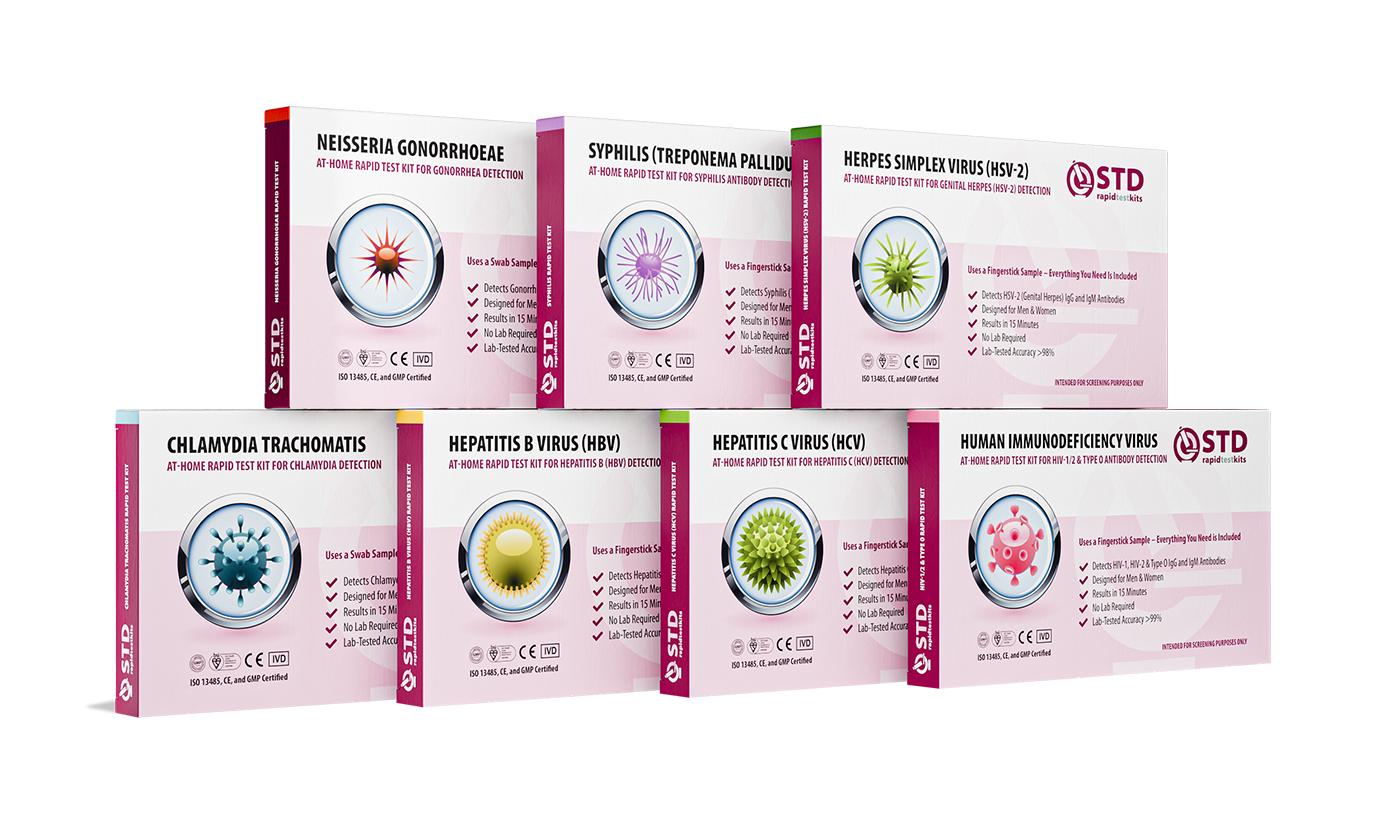
Test at Home with Remedium7-in-1 STD Test Kit
 For Men & Women
 Results in Minutes
 No Lab Needed
 Private & Discreet
Order Now $129.00 $343.00
For all 7 tests
STD #3: Syphilis, The Painless Sore That Lies
Syphilis has a talent for deception. Its earliest sign is often a single, painless sore that appears exactly where the bacteria entered the body. When transmission happens through oral sex, that sore may show up on the lips, tongue, gums, or inside the cheek. It doesn’t hurt. It doesn’t ooze. It doesn’t scream for attention.
Imagine noticing a smooth, round spot in your mouth while brushing your teeth. It doesn’t sting. It doesn’t bleed. You assume you bit yourself in your sleep. Weeks later, it disappears, and you feel relieved, not realizing that disappearance marks progression, not healing.
Syphilis spreads efficiently through oral contact because sores are highly infectious even when they’re small and painless. Left untreated, the infection moves deeper into the body, affecting nerves, organs, and the brain over time. The early silence is part of what makes it dangerous.
STD #4: Herpes, When Oral and Genital Lines Blur
Herpes doesn’t respect categories. Oral herpes and genital herpes are caused by two closely related viruses, and both can live in either location. A cold sore on the mouth can transmit herpes to someone’s genitals during oral sex. A genital herpes infection can infect the mouth the same way.
The tricky part is that herpes spreads most often when there are no visible sores. Viral shedding happens quietly, without warning, without tingling, without signs that something is active. Someone may genuinely believe they are not contagious because everything looks and feels normal.
For many people, the first outbreak after oral transmission doesn’t even occur in the mouth. It may show up genitally weeks later, disconnected from the act that caused it, making the source difficult to identify and emotionally confusing.
STD #5: HPV, Common, Invisible, and Often Overlooked
Human papillomavirus is so common that most sexually active people will encounter it at some point, often without ever knowing. Oral transmission is well documented, yet rarely discussed outside medical settings. There are usually no symptoms. No sores. No sensations to follow.
Years later, some strains of oral HPV are linked to cancers of the throat and mouth. That connection tends to surface long after exposure, making it emotionally difficult to trace back or contextualize. The lag time feeds the illusion that oral sex couldn’t possibly be related.
Vaccination dramatically reduces risk, but many adults missed the window when it was first recommended. Testing for oral HPV isn’t routine, which means prevention relies heavily on awareness rather than detection.
STD #6: HIV, Rare, But Not Impossible
There is a low risk of getting HIV through oral sex, but that doesn't mean there is no risk. Things like sores in the mouth, bleeding gums, recent dental work, and ejaculation make the risk higher. The virus needs access to the bloodstream, and oral tissue sometimes provides it.
People often hear “low risk” and mentally translate that to “not worth thinking about.” But HIV doesn’t require high probability events to spread; it requires opportunity. Understanding where that opportunity exists allows people to make informed decisions rather than fearful ones.
When to Get Tested After Oral Sex Exposure
Timing matters, but not in the way people often assume. Testing too early can produce false reassurance, while waiting too long can extend the window of unknowing transmission. The ideal timing depends on the infection, the site of exposure, and whether symptoms are present.
| STD | Earliest Testing Window | Most Reliable Testing Time | Recommended Sample |
|---|---|---|---|
| Gonorrhea | 7 days | 14 days | Throat swab |
| Chlamydia | 7 days | 14 days | Throat swab |
| Syphilis | 3 weeks | 6–12 weeks | Blood test |
| HIV | 2 weeks | 6 weeks+ | Blood or oral fluid |
Table 2. Testing timelines after oral exposure vary by infection and test type.
What Protection Actually Works During Oral Sex
Protection during oral sex often gets framed as optional, awkward, or unnecessary. In reality, it’s simply unfamiliar. Condoms and dental dams reduce risk significantly when used correctly, but cultural discomfort keeps them out of many bedrooms.
Risk reduction doesn’t have to mean fear or restriction. It can look like choosing partners intentionally, paying attention to symptoms, and testing after new exposures. It can also look like vaccination, conversation, and knowing when to pause.
Before You Spiral, Here’s What to Do Next
If you’re worried after oral sex, the most important thing you can do is replace assumptions with information. Testing isn’t an admission of guilt or carelessness. It’s a form of self-respect and partner care.
At-home testing options now allow discreet screening without waiting rooms or uncomfortable conversations. For many people, that accessibility is the difference between wondering and knowing. Clarity tends to lower anxiety far more effectively than avoidance.
You deserve answers that are grounded in reality, not myths. Oral sex is intimate, normal, and human. Understanding its risks allows you to engage in it with confidence instead of confusion.
Symptoms Don’t Always Show Up Where You Expect
One of the most destabilizing parts of oral STD exposure is how indirect the feedback can feel. People expect cause and effect to line up neatly. You use your mouth, so you look for symptoms in your mouth. But infections don’t always respect that logic, and the delay between exposure and symptoms can scramble your sense of certainty.
Someone might develop genital symptoms weeks after oral sex and never connect the two events. Another person may carry a throat infection that never produces pain, while their partner develops noticeable symptoms instead. That mismatch is not rare. It’s one of the reasons oral transmission flies under the radar for so long.
The body also has a way of muting early signals. Mild swelling, a strange taste, or a barely noticeable sore can fade quickly, especially if someone is stressed, dehydrated, or fighting off something else at the same time. When symptoms disappear, people often assume the problem resolved itself. In some cases, the infection simply moved into a quieter phase.
| Exposure Type | Where Symptoms May Appear | How Often Symptoms Are Obvious | Common Misinterpretation |
|---|---|---|---|
| Oral to genitals | Genitals weeks later | Moderate | Assumed unrelated to oral sex |
| Genitals to mouth | Mouth or throat | Low | Dismissed as irritation or illness |
| Oral exposure, no symptoms | No visible signs | Very common | Assumed infection-free |
Table 3. Oral STD exposure often produces delayed, indirect, or absent symptoms, which contributes to underdiagnosis.
The Emotional Whiplash of “Probably Fine”
There’s a particular kind of anxiety that comes from uncertainty rather than danger. It’s the feeling of replaying a moment that didn’t seem risky at the time, then slowly realizing that you may not have had the full picture. Not panic exactly, but a low-grade hum that follows you through the day.
People describe checking their mouth in the mirror under different lighting. Running their tongue along their gums while answering emails. Googling the same question phrased six different ways, hoping one version will finally say, “No, you’re definitely fine.” That spiral isn’t irrational. It’s what happens when public messaging oversimplifies risk.
What tends to calm that noise isn’t reassurance from strangers or statistics taken out of context. It’s information that explains how transmission works, what symptoms do and don’t mean, and when action actually matters. Clarity has a way of shrinking fear down to size.
Testing After Oral Sex: What People Get Wrong
One of the most common misunderstandings is assuming that a standard STD test automatically covers all possible exposure sites. Many people get tested responsibly, receive a negative result, and feel confused or betrayed when something surfaces later. The issue is often not that the test failed, but that it wasn’t looking in the right place.
Throat infections require throat swabs. Bloodborne infections require blood tests. A urine-only screen after oral sex can miss infections entirely, especially gonorrhea and chlamydia. This gap between expectation and reality is rarely explained unless someone asks very specific questions.
Another misconception is that symptoms dictate when to test. In reality, symptoms are unreliable narrators. Some infections show up fast, others move slowly, and many never announce themselves at all. Testing decisions work best when they’re based on timing and exposure rather than how someone feels on a given day.

People are also reading: HIV Symptoms But a Negative Test? When to Try Again
Micro-Scene: The “Just in Case” Test
Someone sits on the edge of their bed late at night, phone glowing against the dark. They’re not sick. They’re not in pain. They just can’t shake the feeling that they’re guessing instead of knowing. Ordering a test feels dramatic, but not ordering one feels louder.
That moment, the pause between scrolling and deciding, is where most people land. Testing doesn’t come from certainty. It comes from wanting the noise to stop. For many, the relief doesn’t even come from a negative result. It comes from having done something concrete.
Discreet at-home testing options exist precisely for this reason. They allow people to check without turning a question into a spectacle. The act of testing becomes private, controlled, and proportional to the concern.
What a Positive Result Actually Means
A positive test after oral exposure often lands harder than people expect. Not because the infection is severe, but because it contradicts a belief they didn’t realize they were relying on. The instinctive reaction is often self-blame or confusion rather than fear of the infection itself.
Most STDs transmitted through oral sex are treatable or manageable, especially when caught early. Treatment is typically straightforward. What tends to linger longer is the emotional aftershock, the sense that the rules changed without warning.
This is where reframing matters. A positive result isn’t proof that someone was reckless or ignorant. It’s proof that their body encountered something common, human, and medically understood. Responding quickly protects partners, reduces complications, and restores a sense of agency.
Check Your STD Status in Minutes
Test at Home with Remedium6-in-1 STD Rapid Test Kit
 For Men & WomenResults in MinutesNo Lab NeededPrivate & Discreet
Order Now $119.00 $294.00
For all 6 tests
Talking to Partners Without Making It Weird or Scary
Conversations about oral STD exposure often feel harder than conversations about penetrative sex, precisely because people assume the risk was negligible. Bringing it up can feel like overreacting, even when it’s medically appropriate.
What tends to help is framing the conversation around information rather than confession. This isn’t about assigning fault or revisiting the encounter. It’s about sharing knowledge that wasn’t widely taught and making sure everyone involved has the chance to act responsibly.
Most partners respond better to calm transparency than to silence. Even when the conversation feels uncomfortable, it often prevents much larger emotional fallout later.
Why This Isn’t About Fear or Restriction
Understanding oral STD risk isn’t meant to drain intimacy of pleasure or spontaneity. It’s meant to replace vague fear with usable knowledge. When people know how transmission actually works, they tend to make choices that feel more aligned with their values rather than driven by anxiety.
Sex doesn’t become safer by pretending risk doesn’t exist. It becomes safer when risk is named accurately, without exaggeration or minimization. Oral sex remains a meaningful, valid form of intimacy. It just isn’t magically exempt from biology.
Knowing that doesn’t make sex colder. For many, it makes it calmer.
FAQs
1. Can you really get an STD from oral sex if everything looked normal?
Yes, and this is the part that throws people. Many STDs that spread through oral sex don’t cause obvious sores, pain, or anything that screams “something’s wrong.” A throat infection can feel like nothing at all, or like a mild irritation you blame on dry air or allergies. Normal-looking skin doesn’t mean risk-free skin.
2. If oral sex is lower risk, why does it still matter?
Lower risk isn’t the same as no risk. Think of it like driving a short distance without a seatbelt. Most of the time nothing happens, but that doesn’t mean the risk isn’t real. Infections like gonorrhea, chlamydia, syphilis, herpes, and HPV don’t need penetration to spread. They just need contact.
3. What if I gave oral sex but didn’t receive it?
Transmission can happen in either direction. Giving oral sex can expose your mouth and throat, while receiving oral sex can expose your genitals. The risk isn’t identical for every infection, but both sides of the exchange matter, even if one feels more “active” than the other.
4. Why didn’t my doctor mention throat testing before?
Because most testing follows what patients ask for, and most patients don’t know to ask. If someone comes in and says they want an STD test without mentioning oral exposure, providers often default to urine or genital testing. It’s not negligence. It’s a gap in how sexual health is talked about.
5. I tested negative already. Could something still be missed?
Possibly. A negative result is only as good as the timing and the sample site. Testing too early or skipping the throat when oral sex was involved can create a false sense of closure. That doesn’t mean the test was useless. It just means it may not have answered every question.
6. What if I feel totally fine, should I still test?
Feeling fine is common, not reassuring. Many oral STDs don’t cause symptoms, especially at first. People often test not because they feel sick, but because they want certainty. That’s a valid reason all by itself.
7. Is this something I should panic about?
No. Panic doesn’t help anyone. Awareness does. Most STDs transmitted through oral sex are treatable, manageable, or both. The goal isn’t fear. It’s catching things early, protecting partners, and getting your peace of mind back.
8. How do I even bring this up with a partner?
You don’t need a dramatic speech. Most people keep it simple. Something like, “I learned that oral sex can transmit some infections, so I’m getting tested and wanted to loop you in,” is usually enough. Framing it as shared information, not an accusation, changes the entire tone.
9. Does using protection during oral sex really help?
Yes, even though it’s not talked about much. Condoms and dental dams reduce contact and lower risk. They’re not perfect, but they’re effective. Many people don’t use them because they weren’t normalized, not because they don’t work.
10. What’s the biggest mistake people make with oral STD risk?
Assuming that “nothing happened” just because nothing was obvious. Oral STDs are quiet. They don’t announce themselves. The mistake isn’t having oral sex. It’s relying on assumptions instead of information.
You Deserve Answers, Not Assumptions
When it comes to oral sex and STD risk, most people aren’t reckless. They’re operating with incomplete information. They make reasonable assumptions based on what they were taught, what they’ve seen modeled, and what no one ever corrected. The problem isn’t that people don’t care about their health. It’s that the rules were never explained clearly in the first place.
Assumptions feel comforting in the moment. They let you move on, quiet the question, and tell yourself that nothing bad could have come from something so common and familiar. But assumptions also have a way of lingering. They resurface in quiet moments, during routine checkups, or when a symptom doesn’t quite make sense. That low-level uncertainty is often heavier than the truth would have been.
Getting tested after oral sex isn’t about expecting the worst. It’s about replacing guesswork with clarity. It’s about knowing where you stand so you can make decisions from a grounded place instead of a worried one. For many people, the most powerful outcome of testing isn’t a result at all. It’s relief.
You’re allowed to want pleasure and safety at the same time. You’re allowed to learn new information without judging past choices. Oral sex doesn’t need to be feared or avoided, but it does deserve the same honesty we give every other part of sexual health. When you choose answers over assumptions, you’re not being dramatic. You’re being informed.
And that matters more than pretending risk doesn’t exist.
How We Sourced This Article: This article was informed by guidance from major public health organizations, peer-reviewed research on STI transmission, and patterns reported by clinicians working in sexual health.
Sources
1. Centers for Disease Control and Prevention (CDC): About STD Risk and Oral Sex
2. CDC: Gonorrhea – Detailed Fact Sheet
3. CDC: Chlamydia – Detailed Fact Sheet
4. CDC: Syphilis – Detailed Fact Sheet
5. CDC: Genital Herpes – Detailed Fact Sheet
6. National Cancer Institute: HPV and Cancer
About the Author
Dr. F. David, MD is a board-certified infectious disease physician with a focus on sexually transmitted infections, prevention strategies, and patient education. His work centers on making medical information accessible without judgment or fear.
Reviewed by: Clinical Review Team, RN, MPH | Last medically reviewed: September 2025
This article is just for information and should not be used as a substitute for professional medical advice.


