





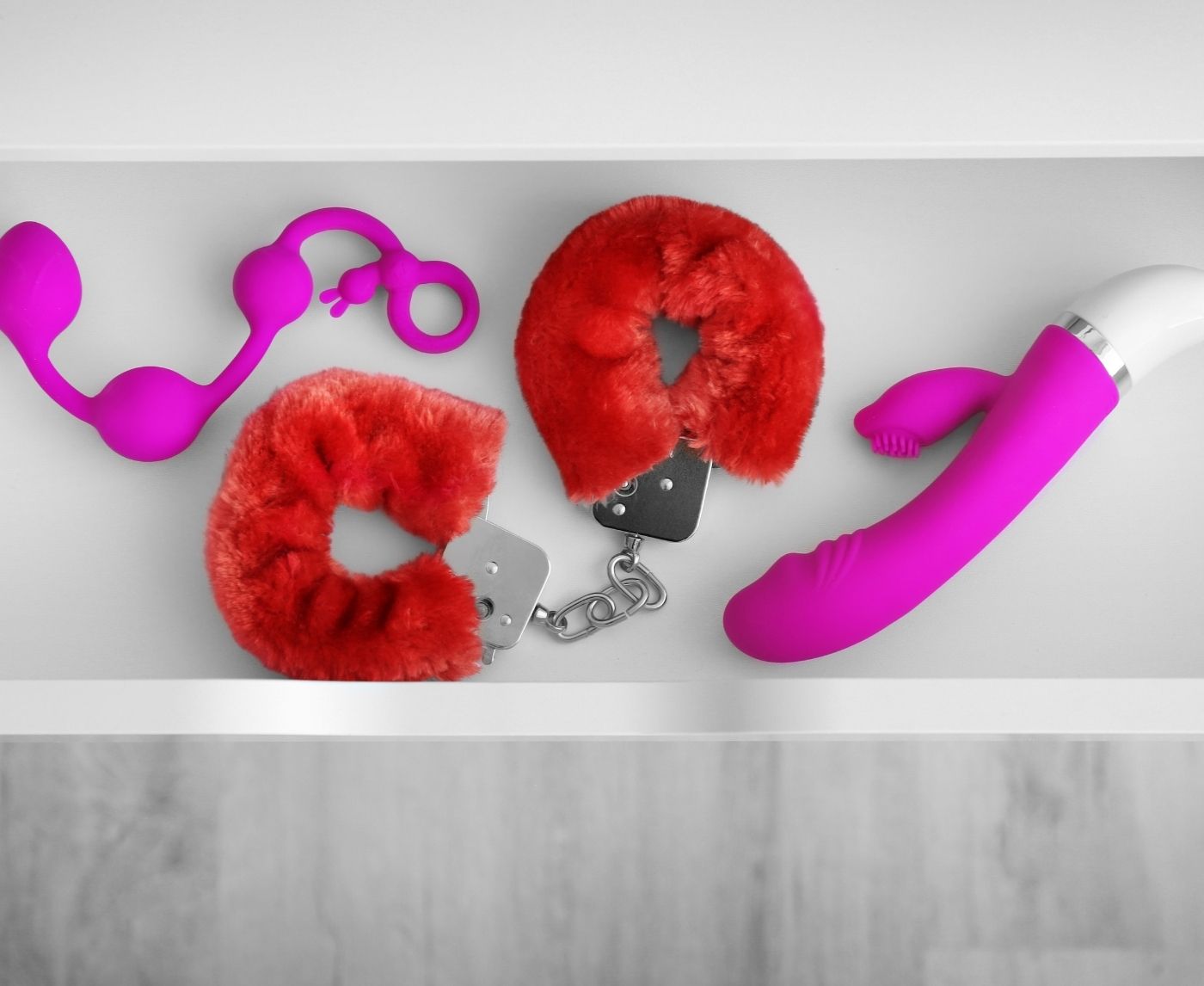

Quick Answer: Indeed, sex toys can spread sexually transmitted diseases (STDs), particularly if they are shared or improperly cleaned. Sexually transmitted infections that can remain on toys and spread from person to person include HPV, herpes, and chlamydia.
This Isn’t Just a Hygiene Thing, It’s a Real Transmission Risk
Let’s start with a common scenario. Jordan, 28, had been in a monogamous relationship for six months. They’d started experimenting with toys to keep things spicy, including using a silicone dildo that both partners used during the same session. No condoms, no cleaning in between. A week later, Jordan developed urethral burning and tested positive for chlamydia. Their partner? Negative. The only explanation: the toy.
This isn’t rare. According to CDC guidance, STDs can spread via shared sex toys, especially those inserted vaginally or anally. Certain infections, including gonorrhea, trichomoniasis, and herpes, don’t need direct person-to-person contact to transfer, they just need a contaminated surface and a warm, moist environment.
When someone uses a toy, even for a short time, microscopic traces of semen, vaginal fluid, or blood can stick to the surface. If another person uses the toy shortly afterward without cleaning or covering it, those pathogens can enter their body. Some sex toys are made of porous materials that make cleaning even harder, bacteria and viruses can cling inside tiny crevices where soap and water can’t always reach.
Table 1: Which STDs Can Spread Through Sex Toys?
| STD | Transmission via Toy | Risk Factors | Can It Survive on Surfaces? |
|---|---|---|---|
| Chlamydia | Yes | Vaginal fluids, uncleaned toys | Up to several hours |
| Gonorrhea | Yes | Urethral or anal secretions | Short time, but long enough to spread |
| Herpes (HSV) | Yes | Skin contact, microscopic sores | Several hours on moist surfaces |
| HPV | Possible | Skin cells on toy, not visible | Not fully known; suspected surface viability |
| Trichomoniasis | Yes | Vaginal fluids | Can survive on damp surfaces for hours |
Figure 1: Summary of known and possible STD transmission via sex toys based on surface viability and bodily fluid contact.
It Wasn’t Sex, But It Was Still Contact: What Actually Happens
Many people assume they’re safe because “there was no actual sex.” But the reality is more complicated. Shared toys can act like a bridge between bodies. This is especially risky with toys used for vaginal or anal penetration, which can carry fluids containing live pathogens. Even if it’s been rinsed, unless it's disinfected properly, or better, covered with a new condom between uses, the infection risk stays real.
Here’s a moment that hits hard: Naomi, 34, borrowed her partner's vibrator without knowing it had been used with an ex just days earlier. She was newly dating, freshly tested, and had no other partners. Weeks later, she was diagnosed with herpes type 1 in the genital area. There was no kissing, no oral sex, just the toy. No one warned her that this could happen, and no one had thought to clean it with anything more than warm water.
Infections don’t care whether the act “felt” like sex. They respond to skin cells, bodily fluids, and mucous membranes. That’s why proper toy hygiene isn’t optional, it’s part of sexual health, just like condoms or testing.
People are also reading: What’s the Best STD Test for Men to Use at Home?
How Long Can STDs Survive on a Sex Toy?
It depends on the infection, and the material of the toy. Some STDs like chlamydia and gonorrhea can survive for a few hours outside the body, especially on soft or porous surfaces like silicone, jelly rubber, or cyberskin. Others, like HPV or herpes, may cling to surfaces even longer in the right conditions.
Temperature, moisture, and toy material all play a role. A toy used and tossed onto a towel in a humid room could still carry active pathogens hours later. On the other hand, a smooth, hard plastic toy left in dry air may be less likely to transfer infection, but that’s not a guarantee. The best bet is never to rely on time alone to "cleanse" a toy.
Here's what the science suggests about surface survival:
| Infection | Max Surface Survival Time | Notes |
|---|---|---|
| Herpes (HSV) | Up to 4 hours (moist surface) | Wipes help reduce, but not eliminate |
| Chlamydia | Several hours | Detected on moist materials |
| HPV | Unknown, possibly days | Viable on hard surfaces in studies |
| Trichomoniasis | Up to 24 hours (damp surfaces) | Especially persistent on shared dildos |
Figure 2: Estimated maximum durations that different STDs may remain viable on toy surfaces under typical conditions.
Order Now $119.00 $294.00 Check Your STD Status in Minutes
Test at Home with Remedium
6-in-1 STD Test Kit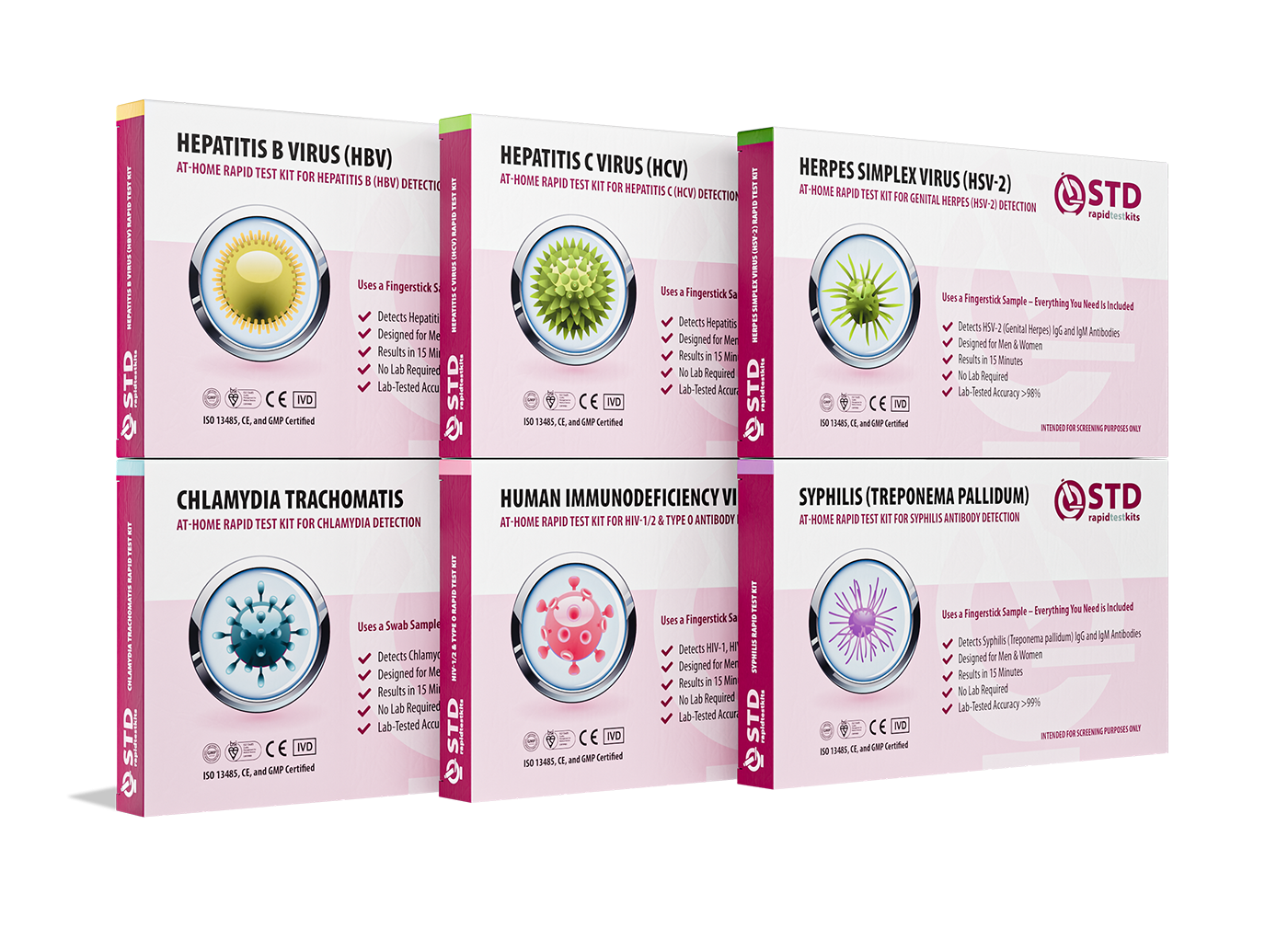
 For Men & Women
 Results in Minutes
 No Lab Needed
 Private & Discreet
For all 6 tests
Not All Toys Are Created Equal: Why Material Matters
If you’ve ever bought a vibrator online or picked one up in-store, you might assume they’re all “body safe.” But that label is murky. Many toys are made from porous materials like jelly rubber or elastomer blends that can harbor bacteria and viruses long after washing. Even seemingly smooth surfaces can have microscopic pores. Only toys made from non-porous materials, like silicone, hard plastic, borosilicate glass, and stainless steel, are considered fully sanitizable.
Case in point: Luis, 25, used the same vibrating anal plug for solo use and later with his partner. They thought rinsing it with soap was enough. But a few weeks later, both tested positive for gonorrhea. The infection had been passed back and forth, likely living inside the porous folds of the jelly-based toy. They were stunned. Luis had assumed cleaning meant safe. Now they read labels carefully and only use condoms on shared toys.
It’s also worth knowing that “phthalate-free” doesn’t mean non-porous. Many cheaper toys marketed as safe still absorb bodily fluids or resist full sterilization. If you’re sharing toys, especially for penetrative use, material matters. So does using barriers like condoms and cleaning agents designed for sexual health products, not just dish soap or body wash.
Soap, Boiling, or Wipes? What Actually Cleans a Sex Toy
We all want to believe a quick rinse is enough. But the reality is that basic soap and water might not fully remove all STD pathogens, especially if the toy is porous, has mechanical parts, or hasn’t been cleaned immediately after use. What’s needed depends on the material and whether you’re using the toy with more than one partner (or for anal and vaginal use interchangeably).
Medical-grade silicone toys can often be boiled or washed in a dishwasher without soap residue. You can clean glass and stainless steel with a bleach solution or by heating them up to a high temperature. But you can't usually put toys with motors or batteries in water, so antibacterial toy cleaners or 70% isopropyl alcohol wipes might be the best choice.
This is where it gets hard: Some toy materials break down over time or after being cleaned a lot, which makes cracks that hide germs. That's why older toys, especially cheap or porous ones, can still be dangerous even if they are kept clean. Sometimes the best thing to do is get a new device, no matter how much you love it.
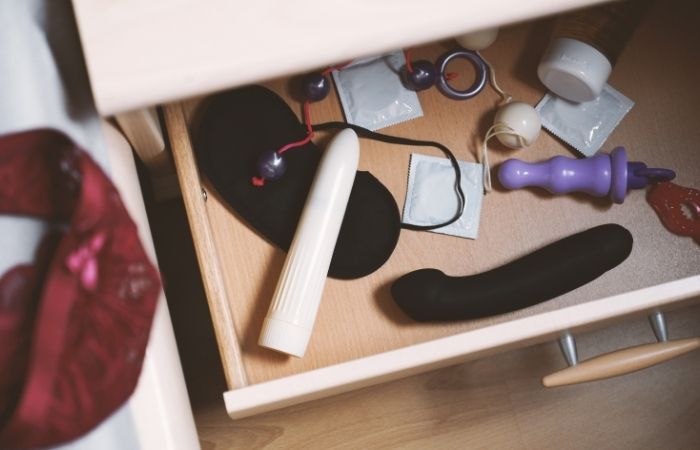
Also, always clean toys before and after use, not just after. If it’s been sitting in a drawer collecting lint, dust, or bacteria from previous use, it's not “clean enough” for internal contact, no matter how dry it feels.
Testing Isn’t Just for Intercourse: Why Toy Use Still Counts
Many people skip STD testing after a toy-only encounter because they think, “We didn’t actually have sex.” But if penetration occurred, vaginal, anal, or even oral, it counts. And if the toy was shared, unwashed, or previously used with someone whose status is unknown, your exposure risk is real.
Amara, 30, didn’t consider testing after a hookup involving shared toy play, no direct genital contact, just some mutual use of a wand massager. But two weeks later, a burning sensation prompted a trip to urgent care. She tested positive for trichomoniasis. The provider explained that toy contamination was likely the cause. “I thought I was being safe,” she said. “We didn’t even have sex.”
This myth, that “real sex” is the only risky kind, can delay diagnosis and treatment. STDs don’t care about your personal definitions. They spread through contact, fluids, and vulnerable tissues. And because many STDs show no symptoms at all, the only way to know your status is to test.
If you’ve shared a toy and now feel off, or even if you don’t have symptoms but feel unsure, you deserve clarity. And that clarity doesn't require a clinic visit.
This combo STD test kit checks for the most common infections from home, no judgment, no waiting room, no assumptions.
The Toy Talk: How to Set Boundaries and Stay Safe
Discussing sex toy safety with partners can feel awkward. It shouldn’t be. Just like using condoms, cleaning and covering toys is a form of care, not a buzzkill. Whether you’re in a new situationship or a long-term relationship, talking about toy use should be as normal as discussing lube or STI status.
Malik and Jonah, both in their early 40s, started dating post-divorce and brought toys into the bedroom quickly. On their second weekend together, Jonah pulled out his favorite plug and suggested using it on Malik. Instead of saying yes immediately, Malik asked: “Has that been cleaned since you used it last?” Jonah laughed, but then realized he hadn’t cleaned it at all. That pause created a new ritual between them: every toy got a fresh condom or alcohol wipe before use.
Sharing toys can be deeply intimate, but like all sex, it’s safer and more satisfying when everyone involved is informed, enthusiastic, and protected. Cleaning isn’t just about germs. It’s about respect. It’s about saying: your body matters to me.
And if that conversation feels hard to start, use this article. Send it to your partner. Say, “Hey, I read this and it made me think. Let’s talk before we play.” That’s not awkward, it’s hot, smart, and honest.
When to Test After Toy Use, And Why Waiting Matters
If you’ve used a shared or possibly unclean toy and you’re now anxious, you’re not alone. But don’t rush to test immediately unless you’re experiencing active symptoms. Like all STD exposures, toy-related transmission has a window period, a span of time between exposure and when a test can reliably detect infection. Testing too early can lead to false negatives, offering false reassurance that everything is fine when it might not be yet.
For most bacterial STDs like chlamydia or gonorrhea, the detection window is typically 7 to 14 days after exposure. For viral STDs like herpes or HPV, it could take longer, and some infections never show up unless symptoms develop. If you’re in doubt, test once after two weeks, and again at six weeks to confirm.
Trina, 22, tested herself with an at-home kit just five days after using her roommate’s toy during a solo night. It came back negative, but something still felt wrong. She waited another ten days and retested, this time, it showed positive for chlamydia. That second test changed everything. She got treatment, had the conversation with her roommate, and started using her own gear exclusively.
Don’t guess. Don’t wait and hope. If there’s even a sliver of doubt, test, and retest if needed. Your future self will thank you.
People are also reading: How Chlamydia Shows Up in Men and Women (And When It Doesn’t)
When Symptoms Show Up, Or Don’t
One of the hardest parts of toy-related STD exposure is the silence. Many people don’t experience symptoms at all, especially in the early stages. That doesn’t mean nothing’s happening. It just means your body hasn’t reacted in an obvious way yet. But infections can still spread, still cause long-term issues, and still move from person to person.
When symptoms do appear, they may feel mild or confusing. You might notice:
a burning sensation during urination, slight discomfort after penetration, unusual discharge, genital redness or swelling, or in some cases, sores or blisters. But here’s the twist: every one of these symptoms could also point to something else, UTI, irritation, or an allergic reaction. That’s why testing is the only way to know for sure.
Danny, 36, thought the itching he felt was from a new lube. It wasn’t. A test confirmed trichomoniasis, likely transmitted from a plug that he and his partner had used after a casual rinse. Neither had felt anything at first, but the parasite was there, waiting. And it spread without either of them knowing.
Silent STDs are the ones that travel the farthest. Trust your gut, not your lack of symptoms.
If It’s Positive, Take the Next Right Step
Getting a positive STD result after a toy-only experience can feel surreal. There’s often confusion, guilt, or even anger. “I didn’t even have sex,” people think. But infections don’t care how sex is defined. They care about exposure. And what happens next is what matters most.
The good news: nearly all toy-transmitted infections are treatable. Most are bacterial and respond well to a short course of antibiotics. If it’s something like herpes, managing symptoms and reducing flare-ups becomes the goal. Either way, shame has no place in your healing. This is a medical issue, not a moral one.
After diagnosis, the best path forward is clear: tell your partner(s), complete your treatment, avoid sharing toys during recovery, and schedule a retest in about six weeks to ensure clearance. If you're unsure how to start the conversation, start with facts. “I didn’t realize toys could spread this. I just tested and wanted you to know so you can check too.” That’s it. No drama. Just care.
And if you're not ready to walk into a clinic, you don’t have to. You can order a discreet at-home test from STD Rapid Test Kits and get answers in private, on your terms.
Check Your STD Status in Minutes
Test at Home with Remedium7-in-1 STD Test Kit
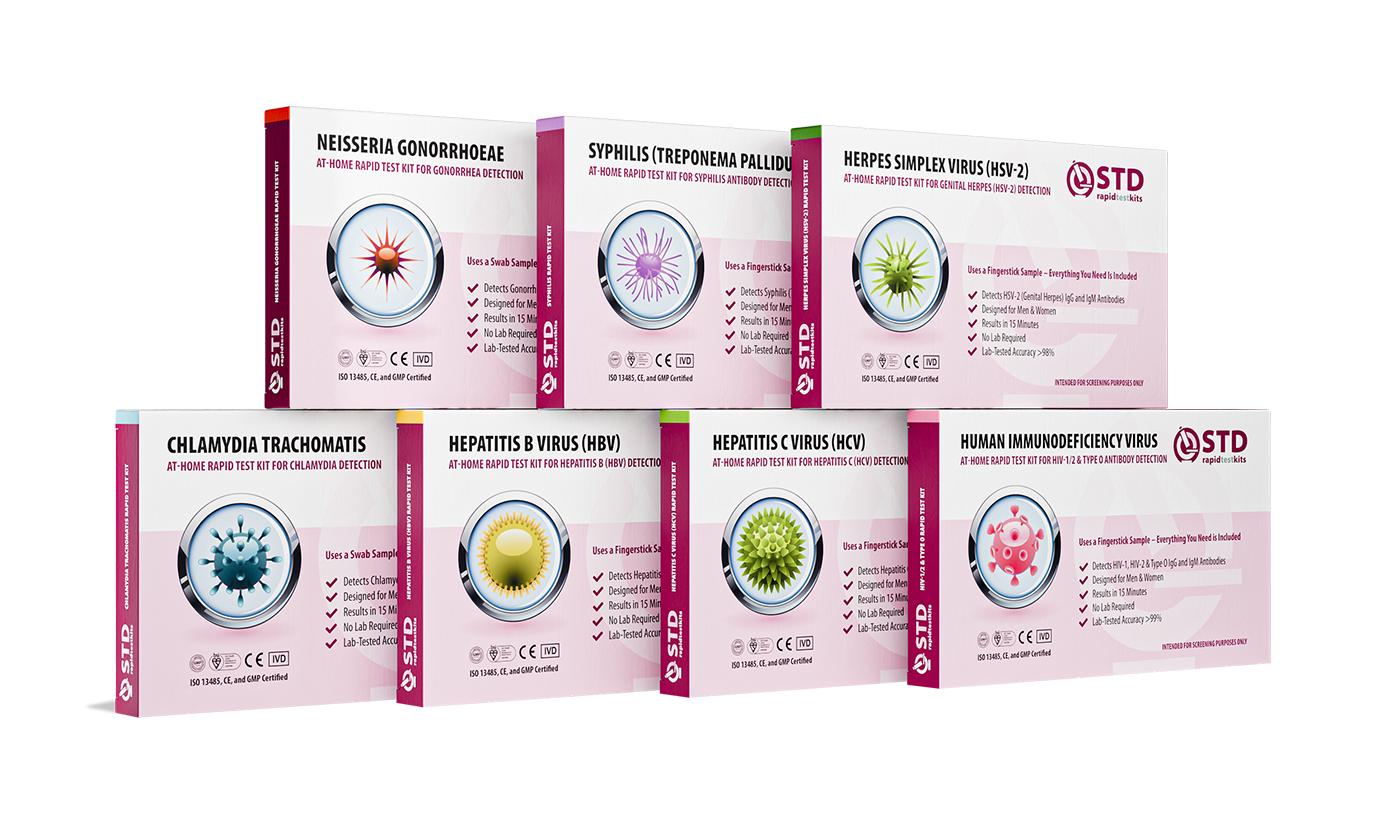 For Men & WomenResults in MinutesNo Lab NeededPrivate & Discreet
Order Now $129.00 $343.00
For all 7 tests
Your Toy Care Checklist (Without the Bullet Points)
First, know your materials. Only buy toys made from body-safe, non-porous materials like silicone, stainless steel, or glass. Avoid porous jelly rubber or cheap blends with no clear labeling. Second, clean them thoroughly with appropriate cleansers, not just soap, but products made for sex toys or a proven disinfectant. Third, use condoms on toys if you’re sharing them, switching between body parts, or can’t boil or sanitize them between uses.
Finally, treat toy use with the same seriousness as any other intimate act. That means testing regularly, communicating with partners, and retiring toys that can’t be safely cleaned. Just like with your body, trust and care go a long way. If something feels off, don’t brush it off, get tested.
And if you need clarity now, you can get peace of mind in days with a home-delivered test designed for privacy and accuracy. Click here to learn more.
FAQs
1. Can I seriously get an STD from a toy, even if it was only used for a minute?
Yep. If the toy was used on someone else and not cleaned properly, or didn’t have a fresh condom on, it doesn’t take more than a few seconds for fluids or skin cells to do their thing. STDs like chlamydia, herpes, and trichomoniasis don’t care how long it was inside you. One quick slip is all it takes.
2. I didn't have sex. Do I really need to test?
If a shared or unclean toy was involved, it’s smart to test, even if there was no traditional intercourse. We hear this all the time: “But we didn’t do anything.” Toy use is something. If there’s a chance fluids were shared, infections might’ve been, too.
3. Is wiping a toy with a tissue or rinsing with water enough?
Not really. Think of it like using a fork someone else licked, but you just wiped it on your jeans. Would you still eat with it? Toys need to be washed with soap and hot water at minimum. Even better? Use toy-specific cleaners or alcohol-based wipes. And if it's battery-powered, clean every inch that can safely be reached. Fluids hide in the weirdest places.
4. Do I have to throw out a toy if I test positive?
Depends. If the toy’s made of porous material, like jelly rubber or cyberskin, yes, toss it. Those materials trap bacteria and can’t be fully sanitized. If it’s high-quality silicone, glass, or stainless steel, and you can disinfect it thoroughly, it might be safe to keep after treatment. But if you're unsure? Better to let it go than risk reinfection.
5. Can you pass herpes from a toy if no one had a visible sore?
Unfortunately, yes. Herpes can shed even when there’s no obvious blister. If the toy touched someone shedding the virus and went into another person soon after, transmission can happen, especially on moist surfaces or if the toy wasn’t cleaned. It’s sneaky like that.
6. How long should I wait before testing?
Most STDs can show up on tests around 1 to 2 weeks after exposure. If you test earlier and get a negative, consider testing again at 4 to 6 weeks to be sure. Think of it like checking your car twice after a pothole, you want to know for certain nothing’s hiding under the hood.
7. Is it weird to ask a partner to clean a toy in front of me?
Not at all. It's actually hot AF to normalize care and respect. Saying, “Hey, mind if we wipe that down or use a condom on it?” isn't a buzzkill, it’s a boundary. And if someone reacts poorly, that’s a bigger red flag than the cleaning request itself.
8. What if I have symptoms but I'm too embarrassed to go to a clinic?
You’re not alone. A lot of people feel that way. The good news is, you don’t have to leave your house. You can take an at-home test, get results privately, and handle it from there. No waiting rooms. No awkward conversations. Just answers.
9. Can STDs live on toys even if they've been in a drawer for a while?
If it’s been days and the toy is completely dry and non-porous, risk is lower, but not zero. Some bugs like HPV can linger longer than you'd expect, especially on hard surfaces. Before using any toy that’s been chilling in a drawer, give it a proper clean.
10. I used someone else’s toy and now I’m panicking. What do I do?
First, breathe. Then test. If it's been at least a week, go ahead and check your status. And if it’s earlier than that, mark your calendar to retest in a couple of weeks. You didn’t mess up. You got caught in a gap most people don’t even know exists. What you do next is what matters.
You Deserve Answers, Not Assumptions
STDs from sex toys aren’t a niche problem, they’re underreported, underdiscussed, and absolutely preventable. If you’re anxious, confused, or wondering whether that night of play could have left you exposed, trust that instinct. Not because you did anything wrong, but because your health matters.
Testing isn’t just for people who “had sex.” It’s for anyone who had contact, direct or indirect, with someone else’s body. And that includes sex toys. You deserve peace of mind, and you can get it on your own terms.
Don’t wait and wonder, get the clarity you deserve. This at-home combo test kit quickly and discreetly checks for the most common STDs.
How We Sourced This Article: We combined current guidance from leading medical organizations with peer-reviewed research and lived-experience reporting to make this guide practical, compassionate, and accurate.
Sources
1. CDC – What You Should Know About STIs and How They Spread
2. Sexual health STD prevention | Mayo Clinic
3. Chlamydia: Causes, Symptoms, Treatment & Prevention | Cleveland Clinic
4. Preventing Shigella Infection Among Sexually Active People | CDC
5. Condoms Pocket Guide (includes shared toy guidance) | CDC
6. Sex Activities and Risk | NHS
7. Sexually Transmitted Infections Treatment Guidelines, 2021 | CDC
About the Author
Dr. F. David, MD is a board-certified specialist in infectious diseases who works to stop, find, and treat STIs. He blends clinical precision with a no-nonsense, sex-positive approach and is committed to expanding access for readers in both urban and off-grid settings.
Reviewed by: A. Reaves, MSN, FNP-C | Last medically reviewed: December 2025
This article is just for information and doesn't take the place of medical advice.


