







Quick Answer: Chlamydia can exist in a monogamous relationship due to delayed symptoms, past infections, or unknowing transmission. It doesn’t always mean cheating happened recently, or at all.
This Doesn’t Always Mean What You Think
Jamie, 27, had been with their boyfriend for almost a year. They were exclusive. Neither of them had symptoms. When Jamie got routine STI screening at their annual checkup, the word “positive” didn’t even register at first. “I kept rereading it,” they told us. “I thought, that’s impossible. We’re monogamous. We’re careful.”
This story plays out more often than you’d think. According to the CDC’s latest surveillance report, nearly 60% of chlamydia cases in people aged 25–39 are identified in individuals who report being in committed, long-term relationships. The stigma says "someone cheated." But the science says otherwise.
Chlamydia is known as a “silent” infection for a reason. Around 70–90% of people with it show no symptoms at all. It can quietly persist for months, sometimes even years, without causing obvious problems. And if it’s never tested for, it’s never treated.
So no, a positive result doesn’t automatically mean infidelity. It might mean one of you had it before you got together. It might mean a past partner never told you, or didn’t know themselves. It might even mean someone was treated and reinfected by a partner who wasn’t.
The Hidden Time Bomb: Chlamydia’s Long Delay
Here's the part most people never hear about until they're already in crisis: chlamydia doesn’t follow a clean timeline. The incubation period (how long it takes to show symptoms) and the window period (how long until it can be detected on a test) can vary wildly. And neither of those tell you how long someone has actually been carrying the infection.
Let's look at what the most recent data shows:
| Stage | Time Range | What It Means |
|---|---|---|
| Incubation Period | 7–21 days | Time from exposure to possible symptoms (if any). |
| Window Period | 7–14 days | Time from exposure until the infection can show up on a test. |
| Asymptomatic Duration | Months to years | Infection can persist without symptoms or detection. |
Table 1. The unpredictable timeline of chlamydia infection, and why it complicates trust and timing.
This variability creates a minefield in relationships. It means that even if someone tests positive today, there’s no way to pinpoint when they were infected, just that they are now. It could be from a previous relationship. It could be from a period early on when things weren’t exclusive yet. And yes, it could be recent, but that’s not the only explanation.
That ambiguity is where trust cracks open. And unfortunately, there’s no test that can tell you when chlamydia entered the picture. Only that it’s here, and it needs to be treated.

People are also reading: What Most STD Kits Miss About Trichomoniasis
“But We’re Exclusive”: When Chlamydia Doesn’t Add Up
Imagine this: You’re six months into what feels like the most stable relationship you’ve ever had. You both got tested at the start, at least, that’s what you remember. But now, during a routine OB-GYN visit, your pap smear flags an abnormality. The follow-up screening shows chlamydia. You’re blindsided. You ask your partner, trembling. They swear they haven’t cheated. And maybe, for once, that’s actually true.
This isn’t rare. Plenty of people believe they’ve been tested for every STD when in reality, chlamydia isn’t always included in basic screenings. Unless you or your provider specifically requests it, it might never get caught. That means someone could have carried it into a new relationship without ever knowing.
We’ve seen case after case where a delayed positive result appears deep into monogamy. And each one carries the same question: who brought it in? The real answer? It may not matter. The more helpful question is: what do we do now?
Check Your STD Status in Minutes
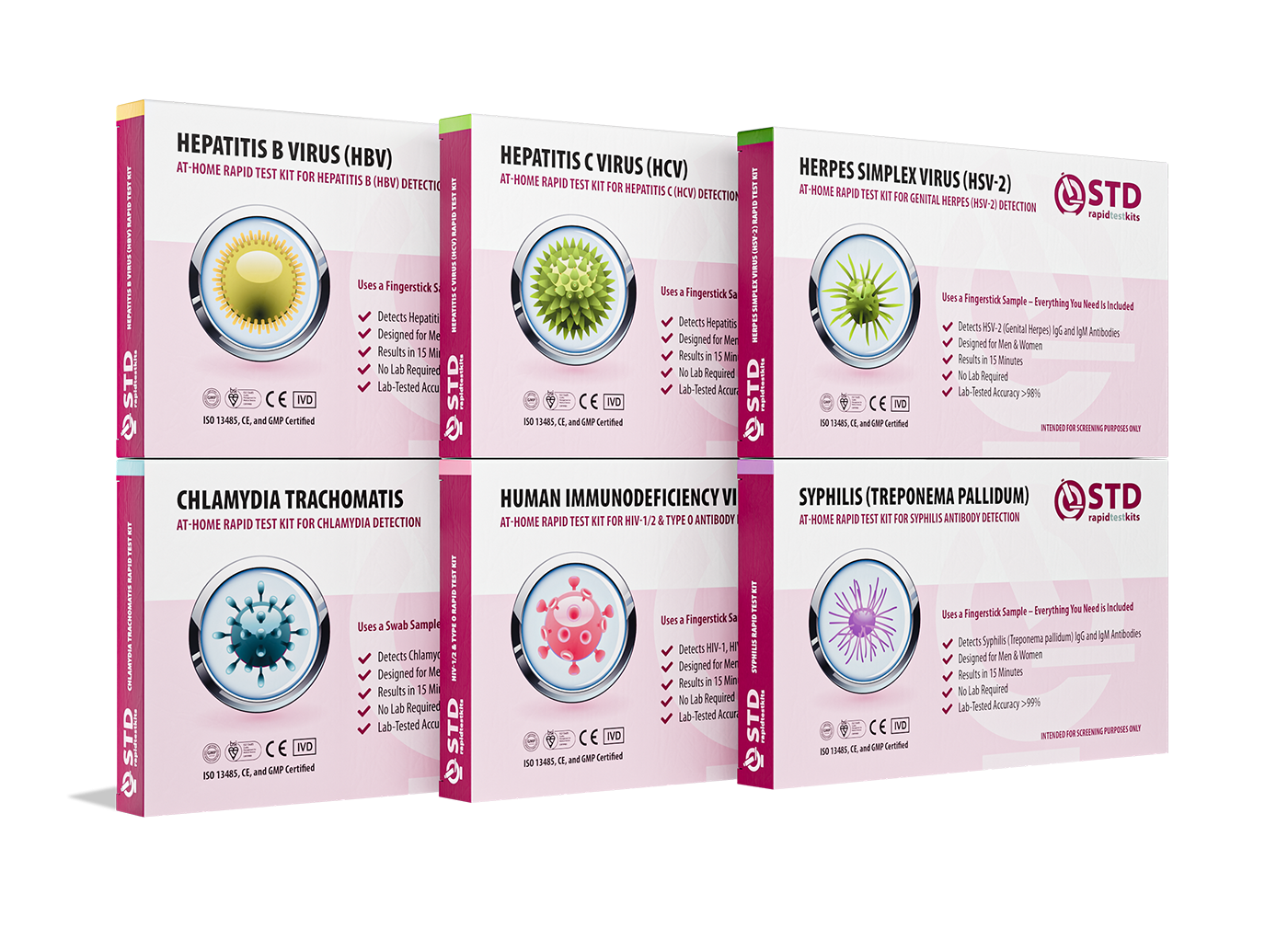
Test at Home with Remedium6-in-1 STD Test Kit
 For Men & Women
 Results in Minutes
 No Lab Needed
 Private & Discreet
Order Now $119.00 $294.00
For all 6 tests
Why Chlamydia Can Seem to “Show Up” Out of Nowhere
It’s emotionally tempting to view a positive result as a smoking gun. But the truth is, infection doesn’t follow emotional logic. Here are some of the most common ways chlamydia can enter a monogamous relationship without recent cheating:
| Scenario | How It Happens |
|---|---|
| Undetected from Past Partner | One person was exposed before this relationship but was never tested or treated. |
| One Partner Was Treated, One Wasn’t | Reinfection cycle occurs when only one person received treatment in a previous relationship. |
| False Sense of “All Clear” | Someone had screening but chlamydia wasn’t included, or test was done too early after exposure. |
| Infection Lingered Without Symptoms | Neither person had symptoms, so it was never detected until now. |
| Cheating Happened, But Not Recently | One partner had a past infidelity early in the relationship, and the infection remained hidden. |
Table 2. Why chlamydia can appear mid-relationship, and why it’s not always proof of betrayal.
This isn’t about excusing betrayal if it did happen. It’s about reality: infections like chlamydia don’t carry date stamps. They aren’t moral indicators. They’re medical events. And medical events require clear heads, not accusations.
In one Reddit post, a user shared how their partner blamed them for a surprise positive chlamydia test. “He said I must’ve cheated. I hadn’t. I got tested for a UTI, and boom, positive. He left me the next week.” She later learned his test had been a basic STI panel that didn’t include chlamydia. He hadn’t been screened since high school.
The lesson? Don’t jump to conclusions. Jump to retesting. Jump to treatment. And jump to communication before blame.
Case Snapshot: “I Tested Positive. He Didn’t. Then Everything Changed.”
Laura, 33, was six months postpartum when she got her first gyne exam since giving birth. No symptoms. Just the usual pelvic check. Her OB included a full panel, which came back positive for chlamydia. “I thought it was a lab error,” she told us. “I hadn’t had a new partner in over a year.” Her husband was stunned. “He accused me at first. Said I must’ve slept with someone. But I hadn’t even had sex in weeks.”
They retested him. Negative. That just made it worse. “He said that proved it was me. I started questioning myself. Did I somehow catch it from a towel? A toilet?” (For the record: no. That’s not how chlamydia spreads.)
Two weeks later, he developed mild discharge and burning. His retest? Positive.
This happens more than people realize. Initial negative results can reflect early testing, done before the infection is detectable. That's why experts recommend a 14-day window after possible exposure, and why retesting is often needed to catch evolving cases.
They got treated together. They stayed together. But the stress nearly ended them. “It broke something in our trust,” Laura said. “Even though we both believed each other, we didn’t know how to act anymore.”
After the Shock: Rebuilding Trust in the Shadow of an STD
If you’ve both tested, and one or both of you came up positive, the next steps aren’t just clinical. They’re emotional. They’re relational. They’re often harder than swallowing a pill or booking a follow-up. Because the moment that test result drops, something shifts. You’re not just partners anymore. You’re also patients. You’re also scared.
Chlamydia might be common, but what it does to trust is anything but casual. For some couples, it triggers silent withdrawal. For others, it becomes the spark for brutally honest conversations. Either way, healing isn’t just about clearing the bacteria. It’s about clearing the air.
Rebuilding after a positive test means talking through the mess without assigning moral weight to a medical condition. It means acknowledging that one of you might feel betrayed, even if no betrayal happened. And it means separating fact from feeling. That takes time. Sometimes therapy. Always compassion.
What Retesting and Reinfection Look Like in Real Life
One of the trickiest things about chlamydia is its potential to come back, not because the treatment didn’t work, but because partners weren’t treated at the same time. That’s called ping-pong transmission. It’s a real phenomenon, and it explains why so many people end up with repeat diagnoses despite being in “committed” partnerships.
Here’s what a typical retesting timeline looks like after a confirmed diagnosis:
| When | What Happens | Why It Matters |
|---|---|---|
| Day 0 | Initial positive test and antibiotic treatment (typically azithromycin or doxycycline) | First step to clear active infection; both partners need to be treated |
| Day 7 | Abstain from sex until after this point | Even with treatment, reinfection is possible if sex happens too soon |
| Week 3–4 | Optional follow-up test if symptoms persist | Confirms successful treatment or flags lingering infection |
| Week 12 (3 months) | Recommended retest for all patients | Catches reinfection, which occurs in up to 20% of treated individuals |
Table 3. Retesting timeline and why reinfection rates remain high even after antibiotics.
Many couples assume that once they’ve both been treated, the issue is over. But if either partner skips the test, doesn’t take the full dose, or starts sex again too soon, they risk starting the cycle over. That can turn a solvable medical issue into a years-long source of relational anxiety.
People are also reading: Yes, Oral Sex Can Transmit STDs, Here’s What You Need to Know
Setting New Rules After Treatment
After the antibiotics clear your system, and the follow-ups come back clean, what then? How do you move forward when you still flinch at the thought of trust?
Some couples create new agreements: test every six months, no questions asked. Some negotiate open relationship boundaries with safety protocols. Others double down on monogamy but use at-home kits as proof, not suspicion. What matters most is clarity. Vagueness breeds doubt. Agreements build calm.
And if you're not sure where to begin, start with a simple action: test together. Don’t wait until there’s a scare or symptom. If you’re reading this now, it might be time to get that baseline again, just to be sure.
You can order discreet, rapid-result kits without going to a clinic. The Combo STD Home Test Kit checks for multiple infections, including chlamydia, in one go. It’s one of the easiest ways to start rebuilding safety, both physical and emotional.
When the Diagnosis Isn’t the Real Problem
The test result hits. One of you has chlamydia. Maybe both. And suddenly, everything’s different, or at least, it feels that way. But here’s the uncomfortable truth: the diagnosis itself often isn’t the actual problem. It’s the silence that came before it. The assumptions. The “we don’t need to talk about that” energy that so many relationships are built on, even the good ones.
STDs don’t just infect bodies. They expose blind spots. In how we communicate. In how we trust. In what we think “safe” looks like. And when one shows up mid-relationship, it’s tempting to default to blame. But sometimes, what you’re actually looking at is a gap, a missing conversation that should’ve happened earlier.
Leo, 29, told us his girlfriend flipped out when she tested positive for chlamydia. “She thought I’d cheated. I hadn’t. We were both tested at the start of our relationship, or so I thought. Turned out my panel didn’t include chlamydia. No one told me. I honestly didn’t know.” They had to unlearn assumptions and rebuild facts. It took weeks of tension and two rounds of testing, but they came out of it stronger.
This isn’t about romanticizing infection. It’s about calling out what these moments really teach us: whether our love can handle truth, mess, and medical reality. Whether we panic… or we grow.
Check Your STD Status in Minutes
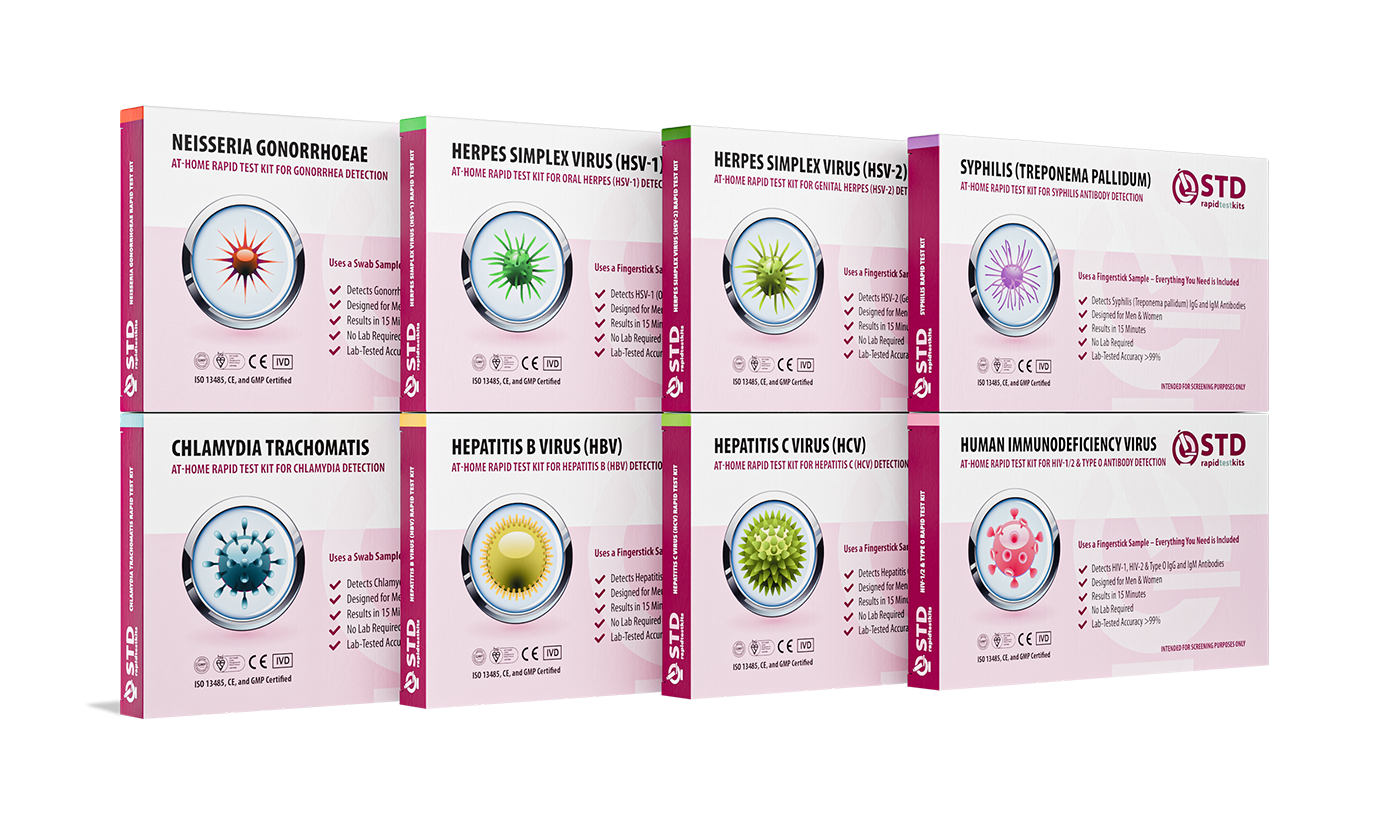
Test at Home with Remedium8-in-1 STD Test Kit
 For Men & WomenResults in MinutesNo Lab NeededPrivate & Discreet
Order Now $149.00 $392.00
For all 8 tests
This Could Be the Conversation That Changes Everything
Let’s flip the script. What if this diagnosis isn’t just a disaster, but a doorway? What if you use this moment to get radically honest, not just about sex, but about safety, timelines, fears, and futures? That’s not weakness. That’s relationship hygiene.
Some couples emerge from an STD scare more grounded. They finally have the talk they’d been avoiding. They test together. They set new boundaries. They stop assuming and start asking. That’s powerful, not because they got infected, but because they didn’t let the infection define them.
Chlamydia is curable. But what you learn during the treatment process? That can last longer. And in a good way.
So if your stomach is still in knots… if you're cycling through worst-case scenarios at 2AM… you’re not alone. This happens more often than anyone admits. And the next step isn’t panic. It’s perspective. You get to decide what happens now, not your diagnosis.
Let’s take a breath and dig into the real-world questions people are asking. Because chances are, yours is in here too.
FAQs
1. Can you really get chlamydia if no one cheated?
Yep. This is one of the most misunderstood parts of STI transmission. Chlamydia can hang out quietly in someone’s body for months, or even years, without causing a single symptom. It might’ve been there from a past relationship, never caught, and only now decided to show up on a test. Not everything is a betrayal. Sometimes it’s just biology being messy.
2. My partner tested negative. I tested positive. How does that make sense?
It’s confusing, but timing plays a big role. If they tested too early after exposure, the infection might not have shown up yet. Or they might’ve already cleared it without knowing. Some immune systems just quietly win. But more often? It’s a testing window thing. If it’s been less than two weeks since your last hookup, it might be worth retesting both of you.
3. Does chlamydia always come with symptoms?
Almost never. Most people have no clue they’re infected. No burning, no discharge, no clue. That’s why so many people pass it to partners unintentionally. You could be feeling totally fine and still test positive. It’s not about being reckless, it’s about how sneaky this infection really is.
4. Is it true chlamydia can go away on its own?
In some rare cases, yes. But you don’t want to roll the dice on that. Even if symptoms fade, or never show up, chlamydia can still damage reproductive organs, cause pelvic inflammatory disease, and increase the risk of other infections. Translation: don’t wait it out. Treat it, test again later, and move on with your life.
5. My partner doesn’t believe me. What do I do?
First, deep breath. This is where facts meet feelings. Send them the CDC link. Let them read this article. Remind them that STDs don’t come with timestamped receipts. If they still don’t believe you, that’s not about the infection, it’s about your foundation. Sometimes a couples therapist helps. Sometimes the truth needs space to breathe. But don’t let shame silence you. You’re allowed to be both hurt and honest.
6. Do we both need to take antibiotics?
Absolutely. Even if your partner tests negative, they still need treatment if you tested positive. Why? Because false negatives happen. And even one unprotected moment before meds kicked in can keep the infection alive. You don’t want to keep handing it back and forth like a cold potato.
7. How long do we have to wait before having sex again?
Seven days after completing treatment. No exceptions, no just-this-once. Even if you feel fine and your partner "seems healthy," you’re still contagious until those meds do their thing. Want to rebuild trust? Follow the rules. Waiting is part of the healing.
8. Can I just test myself at home?
Yes, and it’s honestly one of the best things you can do. At-home kits like the Combo STD Test are discreet, quick, and accurate. No awkward clinic visits, no waiting rooms. Just answers, on your terms.
9. Will this affect my ability to have kids later?
Only if it’s ignored. Untreated chlamydia can lead to fertility issues, especially for people with uteruses. But if you catch it early, take antibiotics, and follow up when recommended? You’re protecting your future, not risking it.
10. Why do I feel so gross even though it’s treatable?
Because the stigma is louder than the science. But the truth is that getting an STD doesn't mean you're dirty, broken, or unworthy. It makes you a person. You’re not the first person this happened to. You’re just the next one who gets to move through it, and come out smarter, stronger, and more compassionate on the other side.
You’re Not Dirty, You’re Human
Chlamydia doesn’t care if you’re loyal. It doesn’t check your relationship status. It spreads quietly, hides in asymptomatic carriers, and surfaces at the worst emotional times. But a diagnosis doesn’t define your worth. It doesn’t mean someone cheated. It doesn’t mean your love story is over.
What it does mean is this: you have an opportunity. To talk. To treat. To reset. To care for each other in a way that’s grounded in facts, not fear.
If you’re facing this now, you’re not alone. Order a discreet combo STD kit to get answers without shame. Take the test, take the meds, take your power back.
How We Sourced This Article: We combined current guidance from leading medical organizations with peer-reviewed research and lived-experience reporting to make this guide practical, compassionate, and accurate.
Sources
1. CDC: Detailed Chlamydia Factsheet
3. Planned Parenthood: What Is Chlamydia?
5. Chlamydia – StatPearls (NIH/NCBI Bookshelf)
6. Chlamydia: Symptoms and Causes – Mayo Clinic
7. CDC STI Screening Recommendations
9. Expedited Partner Therapy – CDC
10. Chlamydia – World Health Organization
11. Chlamydia Infections – MedlinePlus
About the Author
Dr. F. David, MD is a board-certified infectious disease specialist focused on STI prevention, diagnosis, and treatment. He blends clinical precision with a no-nonsense, sex-positive approach and is committed to expanding access for readers in both urban and off-grid settings.
Reviewed by: L. Monroe, MPH, CHES | Last medically reviewed: December 2025
This article is just for information and doesn't take the place of medical advice.


